

Museu de História Natural De Mato Grosso
About Museu de História Natural De Mato Grosso
Description
The Museu de História Natural De Mato Grosso offers visitors an authentic glimpse into the prehistoric past and natural heritage of Brazil's central-western region. This archaeological museum houses an impressive collection of fossils and specimens that tell the story of ancient life forms that once roamed the area millions of years ago. And honestly, it's one of those places where you really feel connected to something bigger than yourself—standing face to face with creatures that existed long before humans walked the earth has a way of putting things in perspective. What makes this museum particularly special is its focus on regional natural history. Rather than trying to be everything to everyone, it concentrates on what makes Mato Grosso unique from a paleontological and archaeological standpoint. You'll find exhibits featuring local fossil discoveries that showcase the biodiversity of prehistoric times in this specific part of South America. The museum doesn't just display artifacts behind glass—it creates an educational experience that helps visitors understand the geological processes that shaped the landscape they're currently exploring. The facility itself is designed with accessibility in mind, making it welcoming for families traveling with young children, elderly relatives, or visitors with mobility challenges. There's something genuinely refreshing about a museum that recognizes not everyone visits under the same circumstances. And let me tell you, that matters when you're planning a family trip and trying to find activities that won't leave anyone feeling excluded. One of the more unexpected features is the presence of a coffee store on-site, which might seem like a small detail but actually makes a difference during your visit. After spending time absorbing all that natural history information, having a spot to sit down with a beverage and discuss what you've seen enhances the whole experience. It's these thoughtful touches that separate a good museum visit from a memorable one.Key Features
The museum presents several distinctive characteristics that travelers should know about before planning their visit: • An extensive fossil collection showcasing specimens discovered in the Mato Grosso region, including prehistoric animals and plant life that thrived in ancient ecosystems • Educational displays explaining the geological history of central-western Brazil and how the landscape evolved over millions of years • Archaeological artifacts that demonstrate early human presence and indigenous cultures in the region • Interactive exhibits designed to engage younger visitors and make paleontology accessible to those without scientific backgrounds • A wheelchair accessible entrance and restroom facilities ensuring that visitors with mobility needs can fully experience the museum • Free parking facilities on-site, which is honestly a blessing when you're traveling through Brazil and trying to avoid parking headaches in unfamiliar areas • Family-friendly atmosphere with exhibits that capture children's imagination while providing substantive content for adult visitors • On-site coffee store offering refreshments and a place to relax between viewing different exhibition areas • Climate-controlled exhibition spaces protecting delicate specimens while keeping visitors comfortable • Bilingual information in many displays helping international travelers understand the context of what they're viewing • Regular rotation of temporary exhibits complementing the permanent collection with fresh perspectives on natural historyBest Time to Visit
Planning when to visit the Museu de História Natural De Mato Grosso can significantly impact your experience. The museum operates year-round, but certain times offer advantages worth considering for your travel itinerary. During the dry season from May through September, you'll find the most comfortable weather conditions for exploring not just the museum but the surrounding area of Mato Grosso. Temperatures are more moderate during these months, and you won't be dealing with the intense humidity that characterizes the wet season. But here's the thing—this is also when more tourists visit the region, so you might encounter larger crowds at the museum, particularly during Brazilian school holidays in July. The wet season from October through April brings afternoon rainstorms that can make outdoor activities challenging. However, this actually works in favor of museum visits since it's the perfect rainy-day activity. You'll likely find fewer visitors during weekday mornings in these months, giving you a more intimate experience with the exhibits. I've always found that museums feel different when you're not jostling with crowds—you can take your time reading displays and really absorbing the information. Weekday visits generally offer a calmer atmosphere compared to weekends when local families make up a significant portion of visitors. If your schedule allows flexibility, arriving right when the museum opens provides the best opportunity to explore before afternoon crowds build. The morning light also tends to be better for photography if you're documenting your travels. School holiday periods throughout the year—particularly December through January, July, and around Easter—see increased visitor numbers as families with children take advantage of vacation time. While this creates a livelier atmosphere, it can also mean waiting to view popular exhibits and more noise echoing through exhibition halls.How to Get There
Reaching the Museu de História Natural De Mato Grosso requires some planning, particularly for international travelers unfamiliar with the region's geography and transportation options. The museum's location in Mato Grosso state positions it within Brazil's interior, away from the coastal cities most tourists visit first. Most travelers will arrive by flying into the nearest major airport and then making ground transportation arrangements. Renting a car provides the most flexibility for exploring the museum and surrounding attractions at your own pace. The availability of free parking at the museum makes driving particularly convenient—you won't need to worry about finding street parking or paying exorbitant lot fees. GPS navigation systems work reliably in the area, though downloading offline maps beforehand serves as a sensible backup plan. Taxi services and ride-sharing apps operate in the region, offering alternatives for those who prefer not to drive. The cost varies depending on your starting point, but it's generally reasonable by Brazilian standards. If you're staying at a hotel, the front desk staff can usually arrange transportation and provide estimated travel times and fares. Public transportation exists but requires more time and familiarity with local bus routes. For travelers comfortable with adventure and wanting to experience how locals move through the area, buses offer an economical option. However, language barriers can present challenges if your Portuguese is limited, and schedules may not align perfectly with your preferred museum visiting times. The museum's location is straightforward to find once you're in the general area. And honestly, part of the journey involves seeing the landscape of Mato Grosso itself—the changing terrain as you approach gives context to the geological and natural history you'll encounter inside the museum.Tips for Visiting
Making the most of your museum experience involves more than just showing up. These practical suggestions come from understanding what enhances a visit versus what leaves you frustrated or disappointed. Allow at least two to three hours for a thorough visit. I know travel guides often underestimate how long attractions actually take, but rushing through defeats the purpose. The fossil exhibits alone deserve careful attention, and if you have children along, they'll want time to engage with interactive elements. You came all this way—give yourself permission to linger. Bring a light jacket or long-sleeved shirt even during hot weather. Museum climate control systems can run cold to protect specimens, and you'll be more comfortable with an extra layer. This is one of those small things that makes a big difference in how much you enjoy wandering through exhibition halls. Photography policies should be checked upon arrival as they can vary for different exhibits. Some areas welcome photos while others restrict them to protect artifacts or respect copyright on exhibition designs. Better to ask upfront than have a security guard approach you halfway through your visit. The coffee store provides a convenient spot for breaks, but bringing water bottles ensures you stay hydrated throughout your visit. You'll be doing more walking and standing than you might anticipate, and having water handy prevents that afternoon energy crash. If you're traveling with children, prepare them beforehand about what they'll see. Looking at pictures of fossils together or reading age-appropriate books about prehistoric life builds excitement and gives them context for understanding the exhibits. Kids engage more deeply when they have some framework for what they're experiencing. Comfortable walking shoes are non-negotiable. Museum floors can be hard on feet after extended periods, and you want footwear that supports exploration rather than causing blisters. Save the fashionable-but-painful shoes for dinner. Take advantage of the free parking by arriving early and securing a good spot. Later in the day, particularly on weekends, the lot fills up and you might waste precious exploration time circling for parking. Consider visiting during weekdays for a more relaxed experience. The difference in crowd levels between Tuesday afternoon and Saturday morning can be substantial. And that quieter atmosphere allows for better photos, easier reading of information panels, and more space to contemplate what you're seeing. Check if the museum offers guided tours in English or your preferred language. Even visitors with scientific backgrounds often gain new insights from knowledgeable guides who can explain regional specifics and answer questions about the collection. Budget some time after your museum visit to process what you've learned. The nearby coffee store serves this purpose well, but even just sitting in your car before driving away gives you moments to reflect. Sometimes the most memorable travel experiences need a few minutes of quiet contemplation rather than immediately rushing to the next destination.Key Features
- Paleontological collection with fossils from Mato Grosso
- Archaeological artifacts representing prehistory of the region
- Ethnographic exhibits on traditional and indigenous cultures
- Historic Casa Dom Aquino setting in central Cuiabá
- Educational programs and research partnerships with local institutes
More Details
Updated March 30, 2026
Table of Contents
- Description
- Key Features
- Best Time to Visit
- How to Get There
- Tips for Visiting
- Key Highlights
- Location
- Places to Stay Near Museu de História Natural De Mato Grosso
- Find and Book a Tour
- Explore More Travel Guides
- Nearby Places You Might Like
- Traveler Reviews for Museu de História Natural De Mato Grosso
- Share Your Experience
Description
The Museu de História Natural De Mato Grosso offers visitors an authentic glimpse into the prehistoric past and natural heritage of Brazil’s central-western region. This archaeological museum houses an impressive collection of fossils and specimens that tell the story of ancient life forms that once roamed the area millions of years ago. And honestly, it’s one of those places where you really feel connected to something bigger than yourself—standing face to face with creatures that existed long before humans walked the earth has a way of putting things in perspective.
What makes this museum particularly special is its focus on regional natural history. Rather than trying to be everything to everyone, it concentrates on what makes Mato Grosso unique from a paleontological and archaeological standpoint. You’ll find exhibits featuring local fossil discoveries that showcase the biodiversity of prehistoric times in this specific part of South America. The museum doesn’t just display artifacts behind glass—it creates an educational experience that helps visitors understand the geological processes that shaped the landscape they’re currently exploring.
The facility itself is designed with accessibility in mind, making it welcoming for families traveling with young children, elderly relatives, or visitors with mobility challenges. There’s something genuinely refreshing about a museum that recognizes not everyone visits under the same circumstances. And let me tell you, that matters when you’re planning a family trip and trying to find activities that won’t leave anyone feeling excluded.
One of the more unexpected features is the presence of a coffee store on-site, which might seem like a small detail but actually makes a difference during your visit. After spending time absorbing all that natural history information, having a spot to sit down with a beverage and discuss what you’ve seen enhances the whole experience. It’s these thoughtful touches that separate a good museum visit from a memorable one.
Key Features
The museum presents several distinctive characteristics that travelers should know about before planning their visit:
• An extensive fossil collection showcasing specimens discovered in the Mato Grosso region, including prehistoric animals and plant life that thrived in ancient ecosystems
• Educational displays explaining the geological history of central-western Brazil and how the landscape evolved over millions of years
• Archaeological artifacts that demonstrate early human presence and indigenous cultures in the region
• Interactive exhibits designed to engage younger visitors and make paleontology accessible to those without scientific backgrounds
• A wheelchair accessible entrance and restroom facilities ensuring that visitors with mobility needs can fully experience the museum
• Free parking facilities on-site, which is honestly a blessing when you’re traveling through Brazil and trying to avoid parking headaches in unfamiliar areas
• Family-friendly atmosphere with exhibits that capture children’s imagination while providing substantive content for adult visitors
• On-site coffee store offering refreshments and a place to relax between viewing different exhibition areas
• Climate-controlled exhibition spaces protecting delicate specimens while keeping visitors comfortable
• Bilingual information in many displays helping international travelers understand the context of what they’re viewing
• Regular rotation of temporary exhibits complementing the permanent collection with fresh perspectives on natural history
Best Time to Visit
Planning when to visit the Museu de História Natural De Mato Grosso can significantly impact your experience. The museum operates year-round, but certain times offer advantages worth considering for your travel itinerary.
During the dry season from May through September, you’ll find the most comfortable weather conditions for exploring not just the museum but the surrounding area of Mato Grosso. Temperatures are more moderate during these months, and you won’t be dealing with the intense humidity that characterizes the wet season. But here’s the thing—this is also when more tourists visit the region, so you might encounter larger crowds at the museum, particularly during Brazilian school holidays in July.
The wet season from October through April brings afternoon rainstorms that can make outdoor activities challenging. However, this actually works in favor of museum visits since it’s the perfect rainy-day activity. You’ll likely find fewer visitors during weekday mornings in these months, giving you a more intimate experience with the exhibits. I’ve always found that museums feel different when you’re not jostling with crowds—you can take your time reading displays and really absorbing the information.
Weekday visits generally offer a calmer atmosphere compared to weekends when local families make up a significant portion of visitors. If your schedule allows flexibility, arriving right when the museum opens provides the best opportunity to explore before afternoon crowds build. The morning light also tends to be better for photography if you’re documenting your travels.
School holiday periods throughout the year—particularly December through January, July, and around Easter—see increased visitor numbers as families with children take advantage of vacation time. While this creates a livelier atmosphere, it can also mean waiting to view popular exhibits and more noise echoing through exhibition halls.
How to Get There
Reaching the Museu de História Natural De Mato Grosso requires some planning, particularly for international travelers unfamiliar with the region’s geography and transportation options. The museum’s location in Mato Grosso state positions it within Brazil’s interior, away from the coastal cities most tourists visit first.
Most travelers will arrive by flying into the nearest major airport and then making ground transportation arrangements. Renting a car provides the most flexibility for exploring the museum and surrounding attractions at your own pace. The availability of free parking at the museum makes driving particularly convenient—you won’t need to worry about finding street parking or paying exorbitant lot fees. GPS navigation systems work reliably in the area, though downloading offline maps beforehand serves as a sensible backup plan.
Taxi services and ride-sharing apps operate in the region, offering alternatives for those who prefer not to drive. The cost varies depending on your starting point, but it’s generally reasonable by Brazilian standards. If you’re staying at a hotel, the front desk staff can usually arrange transportation and provide estimated travel times and fares.
Public transportation exists but requires more time and familiarity with local bus routes. For travelers comfortable with adventure and wanting to experience how locals move through the area, buses offer an economical option. However, language barriers can present challenges if your Portuguese is limited, and schedules may not align perfectly with your preferred museum visiting times.
The museum’s location is straightforward to find once you’re in the general area. And honestly, part of the journey involves seeing the landscape of Mato Grosso itself—the changing terrain as you approach gives context to the geological and natural history you’ll encounter inside the museum.
Tips for Visiting
Making the most of your museum experience involves more than just showing up. These practical suggestions come from understanding what enhances a visit versus what leaves you frustrated or disappointed.
Allow at least two to three hours for a thorough visit. I know travel guides often underestimate how long attractions actually take, but rushing through defeats the purpose. The fossil exhibits alone deserve careful attention, and if you have children along, they’ll want time to engage with interactive elements. You came all this way—give yourself permission to linger.
Bring a light jacket or long-sleeved shirt even during hot weather. Museum climate control systems can run cold to protect specimens, and you’ll be more comfortable with an extra layer. This is one of those small things that makes a big difference in how much you enjoy wandering through exhibition halls.
Photography policies should be checked upon arrival as they can vary for different exhibits. Some areas welcome photos while others restrict them to protect artifacts or respect copyright on exhibition designs. Better to ask upfront than have a security guard approach you halfway through your visit.
The coffee store provides a convenient spot for breaks, but bringing water bottles ensures you stay hydrated throughout your visit. You’ll be doing more walking and standing than you might anticipate, and having water handy prevents that afternoon energy crash.
If you’re traveling with children, prepare them beforehand about what they’ll see. Looking at pictures of fossils together or reading age-appropriate books about prehistoric life builds excitement and gives them context for understanding the exhibits. Kids engage more deeply when they have some framework for what they’re experiencing.
Comfortable walking shoes are non-negotiable. Museum floors can be hard on feet after extended periods, and you want footwear that supports exploration rather than causing blisters. Save the fashionable-but-painful shoes for dinner.
Take advantage of the free parking by arriving early and securing a good spot. Later in the day, particularly on weekends, the lot fills up and you might waste precious exploration time circling for parking.
Consider visiting during weekdays for a more relaxed experience. The difference in crowd levels between Tuesday afternoon and Saturday morning can be substantial. And that quieter atmosphere allows for better photos, easier reading of information panels, and more space to contemplate what you’re seeing.
Check if the museum offers guided tours in English or your preferred language. Even visitors with scientific backgrounds often gain new insights from knowledgeable guides who can explain regional specifics and answer questions about the collection.
Budget some time after your museum visit to process what you’ve learned. The nearby coffee store serves this purpose well, but even just sitting in your car before driving away gives you moments to reflect. Sometimes the most memorable travel experiences need a few minutes of quiet contemplation rather than immediately rushing to the next destination.
Key Highlights
- Paleontological collection with fossils from Mato Grosso
- Archaeological artifacts representing prehistory of the region
- Ethnographic exhibits on traditional and indigenous cultures
- Historic Casa Dom Aquino setting in central Cuiabá
- Educational programs and research partnerships with local institutes
Location
Places to Stay Near Museu de História Natural De Mato Grosso
Find and Book a Tour
Explore More Travel Guides
No reviews found! Be the first to review!
Museu de História Natural De Mato Grosso is a prominent museums located in Cuiabá.
Visit us at: Av. Manoel José de Arruda, 2000 – Jardim Europa, Cuiabá – MT, 78025-190, Brésil.
Traveler Reviews for Museu de História Natural De Mato Grosso
There are no reviews yet. Be the first one to write one.
Have you visited Museu de História Natural De Mato Grosso? Help other travelers by sharing your review.
Nearby Attractions
You Might Also Like
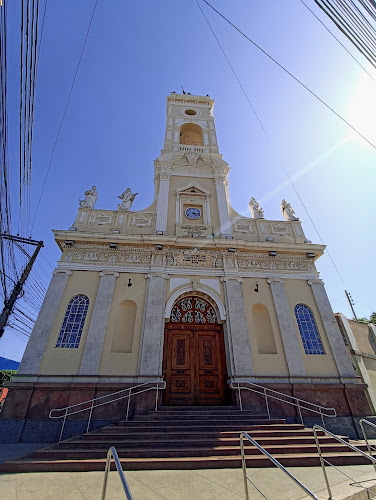
Paróquia São Gonçalo

Massairo Okamura Park

Morro de São Jerônimo
Find Accommodations Nearby
Recommended Tours & Activities
Visitor Reviews
There are no reviews yet. Be the first one to write one.
Share Your Experience
Have you visited Museu de História Natural De Mato Grosso? Help other travelers by leaving a review.