
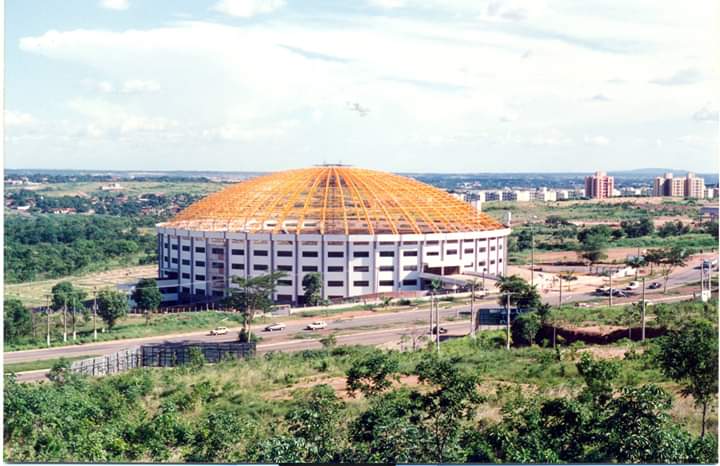
Grande Templo Assembleia de Deus
About Grande Templo Assembleia de Deus
Description
The Grande Templo Assembleia de Deus stands as one of Brazil's most impressive religious landmarks, offering travelers a genuine glimpse into the country's deeply rooted evangelical Christian culture. This isn't your typical tourist attraction – it's a living, breathing space where faith and community converge in ways that might surprise visitors who've only experienced Brazil's more famous Catholic heritage sites. Walking into this massive sanctuary for the first time, you'll immediately sense the energy that pulses through the space. The Assemblies of God movement has shaped millions of lives across Brazil, and this particular temple represents a cornerstone of that influence. What makes this place particularly fascinating for travelers is how it embodies a side of Brazilian spirituality that often gets overlooked in guidebooks focused on colonial churches and historical cathedrals. The architecture itself tells a story of growth and ambition. Unlike the ornate baroque churches that dominate tourist itineraries in cities like Salvador or Ouro Preto, this temple embraces a more contemporary design philosophy that prioritizes function and accessibility. And honestly? That's part of what makes it so interesting. You're witnessing modern Brazilian religious expression rather than just admiring centuries-old artifacts behind velvet ropes. The congregation here is known for passionate worship services that can last several hours, with music that ranges from traditional hymns to contemporary praise songs performed by full bands. If you've never experienced a Pentecostal service before, the enthusiastic participation might catch you off guard – but that's exactly why culturally curious travelers find this place so compelling.Key Features
The Grande Templo Assembleia de Deus offers several distinctive features that make it worth including in your travel plans:
- Full wheelchair accessibility throughout the entire facility, including entrance ramps, designated parking spaces, and specially designed restrooms that accommodate mobility needs – a feature that unfortunately remains rare in many Brazilian religious sites
- Impressive acoustic design that carries sound naturally throughout the massive worship hall without creating that echo-chamber effect you sometimes get in large spaces
- Multiple worship services held throughout the week in Portuguese, providing authentic cultural immersion opportunities for visitors interested in experiencing local religious practices
- Active community programs that reflect the church's role as more than just a Sunday gathering place, including clothing donation and recycling initiatives that demonstrate social consciousness
- Modern facilities including clean, well-maintained restrooms – something travelers always appreciate after hours of exploring
- Ample parking areas that can accommodate tour buses and larger vehicles, making group visits logistically feasible
- A welcoming atmosphere where visitors are generally embraced regardless of their own faith background, though respectful behavior is obviously expected
- The chance to observe genuine community dynamics rather than staged tourist experiences
Best Time to Visit
Timing your visit to the Grande Templo Assembleia de Deus requires a bit more thought than just checking weather forecasts. The experience varies dramatically depending on when you show up. Sunday morning services typically draw the largest crowds, with families dressed in their finest gathering for worship that often extends past noon. If you want to witness the full energy of this community in action, Sunday between 9 AM and noon gives you the most authentic experience. But be prepared – these services aren't quiet, contemplative affairs. You'll encounter fervent prayer, enthusiastic singing, and preaching that can get quite animated. Wednesday and Friday evenings also host well-attended services, though these tend to be slightly smaller and sometimes feel more intimate. I've heard from travelers who actually preferred these midweek gatherings because they felt less overwhelming while still capturing the essential character of the worship style. For visitors who want to explore the building itself without attending a full service, arriving during weekday afternoons might work better. The temple often remains open for prayer and quiet reflection, giving you a chance to appreciate the architecture and atmosphere at your own pace. Just remember that someone might be praying or meeting with church staff, so maintaining respectful silence is essential. The climate in Brazil means you'll want to consider seasonal weather patterns too. The cooler months from May through September offer more comfortable temperatures, especially if you're attending a packed service where hundreds of people generate plenty of body heat. But honestly, any time of year works as long as you dress appropriately – which means modest clothing that covers shoulders and knees, regardless of the temperature outside. Special religious holidays and celebrations can transform the entire experience. Easter services, Christmas programs, and other significant dates on the Christian calendar bring extra musical performances, special speakers, and crowds that sometimes overflow the main sanctuary. If you're hoping to see the community at its most celebratory, these occasions deliver. Just arrive extra early because seating fills up fast.How to Get There
Getting yourself to the Grande Templo Assembleia de Deus requires some navigation skills, but it's definitely manageable even for first-time visitors to the area. Rideshare apps like Uber and 99 work excellently for reaching the temple, and they're honestly your easiest option if you're staying in a hotel or accommodation elsewhere in the city. Just type in the temple's name and the app will route you directly there. The designated parking areas mean your driver will have clear drop-off points, and arranging a pickup after your visit is straightforward. Public transportation is another viable option, though you'll need to do a bit more homework. Local bus routes serve the area, but schedules can be inconsistent and route maps aren't always tourist-friendly. If you're comfortable navigating Brazilian public transit systems and speak at least some Portuguese, this budget-friendly approach works fine. Ask locals for specific bus numbers and stops – Brazilians are generally helpful when they see someone genuinely trying to figure things out. For travelers with rental cars, the ample parking facilities make driving yourself a practical choice. Just remember that Brazilian traffic patterns and driving customs might differ from what you're used to back home. GPS systems generally locate the temple without issues, though double-checking your route the night before prevents last-minute confusion. Taxi services remain popular in Brazil, particularly among travelers less comfortable with app-based ridesharing. Make sure the driver understands your destination clearly before departing, and having the address written down helps avoid miscommunication. The wheelchair-accessible entrance deserves special mention because it's genuinely well-designed. Visitors with mobility limitations won't struggle with steep ramps or inadequate door widths – the church clearly invested in proper accessibility infrastructure.Tips for Visiting
Making the most of your visit to the Grande Templo Assembleia de Deus requires some cultural awareness and practical preparation that guidebooks don't always spell out clearly. Dress conservatively. This isn't the beach or a casual restaurant – you're entering a space that holds deep spiritual significance for the community. Women should wear skirts or dresses that fall below the knee, or modest pants paired with tops that cover the shoulders. Men should avoid shorts and sleeveless shirts. Think respectful rather than restrictive. Nobody's going to measure your hemline, but showing up in revealing clothing demonstrates a lack of consideration that won't go unnoticed. Arrive early if you're planning to attend a service. Seating can fill up surprisingly fast, especially during popular worship times. Getting there 20-30 minutes before the scheduled start gives you time to find parking, locate restrooms, and settle into a seat without creating disruptions. Portuguese language skills help tremendously, though they're not absolutely necessary. Services are conducted entirely in Portuguese, and while some congregation members might speak English, you shouldn't count on it. Consider downloading a translation app on your phone beforehand – just remember to keep it on silent mode during services. Photography requires sensitivity. While some churches welcome visitors snapping pictures, actively photographing during worship services can feel intrusive. If you want photos, arrive before services begin or ask permission from church staff. And definitely avoid using flash or making yourself conspicuous with professional camera equipment during prayers or sermons. Bring small bills for potential donations. While visitors aren't obligated to contribute financially, offering plates typically circulate during services. Having some Brazilian reais available allows you to participate appropriately if you choose. Even a modest amount is appreciated and acknowledges the community's hospitality. The recycling and clothing donation programs mean you could actually contribute in practical ways if you've accumulated items during your travels. That shirt you're tired of wearing? Those shoes that didn't work out? The church's community programs might put them to good use. Restroom facilities are available, but lines can develop during service intermissions when everyone decides to go simultaneously. Plan accordingly. Stay for the full service if possible. Walking out mid-sermon or during musical performances comes across as disrespectful, even if you're just a curious visitor. Commit to the full experience or time your visit for non-service hours. Don't feel pressured to participate in ways that make you uncomfortable. You can observe respectfully without feeling obligated to sing, raise hands, or engage in specific worship practices. Most congregation members understand that visitors come from different backgrounds. Expect genuine warmth from the community. Brazilians are famously friendly, and church members often go out of their way to welcome visitors. You might get invited to post-service fellowship meals or small group meetings – accepting these invitations offers incredible cultural insights, though declining politely is also perfectly acceptable. The experience you'll have at the Grande Templo Assembleia de Deus differs significantly from typical tourist attractions, and that's precisely what makes it valuable. You're stepping into authentic Brazilian life rather than consuming a carefully packaged experience designed for outsiders. That authenticity requires respect, openness, and willingness to temporarily set aside your usual tourist mindset. But for travelers seeking genuine cultural understanding, this temple offers something guidebooks can't adequately capture – a window into the faith that shapes millions of Brazilian lives.Key Features
- Impressive acoustic design that carries sound naturally throughout the massive worship hall without creating that echo-chamber effect you sometimes get in large spaces
- Multiple worship services held throughout the week in Portuguese, providing authentic cultural immersion opportunities for visitors interested in experiencing local religious practices
- Active community programs that reflect the church's role as more than just a Sunday gathering place, including clothing donation and recycling initiatives that demonstrate social consciousness
- Modern facilities including clean, well-maintained restrooms – something travelers always appreciate after hours of exploring
- Ample parking areas that can accommodate tour buses and larger vehicles, making group visits logistically feasible
- A welcoming atmosphere where visitors are generally embraced regardless of their own faith background, though respectful behavior is obviously expected
- The chance to observe genuine community dynamics rather than staged tourist experiences
More Details
Updated March 30, 2026
Table of Contents
Description
The Grande Templo Assembleia de Deus stands as one of Brazil’s most impressive religious landmarks, offering travelers a genuine glimpse into the country’s deeply rooted evangelical Christian culture. This isn’t your typical tourist attraction – it’s a living, breathing space where faith and community converge in ways that might surprise visitors who’ve only experienced Brazil’s more famous Catholic heritage sites.
Walking into this massive sanctuary for the first time, you’ll immediately sense the energy that pulses through the space. The Assemblies of God movement has shaped millions of lives across Brazil, and this particular temple represents a cornerstone of that influence. What makes this place particularly fascinating for travelers is how it embodies a side of Brazilian spirituality that often gets overlooked in guidebooks focused on colonial churches and historical cathedrals.
The architecture itself tells a story of growth and ambition. Unlike the ornate baroque churches that dominate tourist itineraries in cities like Salvador or Ouro Preto, this temple embraces a more contemporary design philosophy that prioritizes function and accessibility. And honestly? That’s part of what makes it so interesting. You’re witnessing modern Brazilian religious expression rather than just admiring centuries-old artifacts behind velvet ropes.
The congregation here is known for passionate worship services that can last several hours, with music that ranges from traditional hymns to contemporary praise songs performed by full bands. If you’ve never experienced a Pentecostal service before, the enthusiastic participation might catch you off guard – but that’s exactly why culturally curious travelers find this place so compelling.
Key Features
The Grande Templo Assembleia de Deus offers several distinctive features that make it worth including in your travel plans:
- Full wheelchair accessibility throughout the entire facility, including entrance ramps, designated parking spaces, and specially designed restrooms that accommodate mobility needs – a feature that unfortunately remains rare in many Brazilian religious sites
- Impressive acoustic design that carries sound naturally throughout the massive worship hall without creating that echo-chamber effect you sometimes get in large spaces
- Multiple worship services held throughout the week in Portuguese, providing authentic cultural immersion opportunities for visitors interested in experiencing local religious practices
- Active community programs that reflect the church’s role as more than just a Sunday gathering place, including clothing donation and recycling initiatives that demonstrate social consciousness
- Modern facilities including clean, well-maintained restrooms – something travelers always appreciate after hours of exploring
- Ample parking areas that can accommodate tour buses and larger vehicles, making group visits logistically feasible
- A welcoming atmosphere where visitors are generally embraced regardless of their own faith background, though respectful behavior is obviously expected
- The chance to observe genuine community dynamics rather than staged tourist experiences
Best Time to Visit
Timing your visit to the Grande Templo Assembleia de Deus requires a bit more thought than just checking weather forecasts. The experience varies dramatically depending on when you show up.
Sunday morning services typically draw the largest crowds, with families dressed in their finest gathering for worship that often extends past noon. If you want to witness the full energy of this community in action, Sunday between 9 AM and noon gives you the most authentic experience. But be prepared – these services aren’t quiet, contemplative affairs. You’ll encounter fervent prayer, enthusiastic singing, and preaching that can get quite animated.
Wednesday and Friday evenings also host well-attended services, though these tend to be slightly smaller and sometimes feel more intimate. I’ve heard from travelers who actually preferred these midweek gatherings because they felt less overwhelming while still capturing the essential character of the worship style.
For visitors who want to explore the building itself without attending a full service, arriving during weekday afternoons might work better. The temple often remains open for prayer and quiet reflection, giving you a chance to appreciate the architecture and atmosphere at your own pace. Just remember that someone might be praying or meeting with church staff, so maintaining respectful silence is essential.
The climate in Brazil means you’ll want to consider seasonal weather patterns too. The cooler months from May through September offer more comfortable temperatures, especially if you’re attending a packed service where hundreds of people generate plenty of body heat. But honestly, any time of year works as long as you dress appropriately – which means modest clothing that covers shoulders and knees, regardless of the temperature outside.
Special religious holidays and celebrations can transform the entire experience. Easter services, Christmas programs, and other significant dates on the Christian calendar bring extra musical performances, special speakers, and crowds that sometimes overflow the main sanctuary. If you’re hoping to see the community at its most celebratory, these occasions deliver. Just arrive extra early because seating fills up fast.
How to Get There
Getting yourself to the Grande Templo Assembleia de Deus requires some navigation skills, but it’s definitely manageable even for first-time visitors to the area.
Rideshare apps like Uber and 99 work excellently for reaching the temple, and they’re honestly your easiest option if you’re staying in a hotel or accommodation elsewhere in the city. Just type in the temple’s name and the app will route you directly there. The designated parking areas mean your driver will have clear drop-off points, and arranging a pickup after your visit is straightforward.
Public transportation is another viable option, though you’ll need to do a bit more homework. Local bus routes serve the area, but schedules can be inconsistent and route maps aren’t always tourist-friendly. If you’re comfortable navigating Brazilian public transit systems and speak at least some Portuguese, this budget-friendly approach works fine. Ask locals for specific bus numbers and stops – Brazilians are generally helpful when they see someone genuinely trying to figure things out.
For travelers with rental cars, the ample parking facilities make driving yourself a practical choice. Just remember that Brazilian traffic patterns and driving customs might differ from what you’re used to back home. GPS systems generally locate the temple without issues, though double-checking your route the night before prevents last-minute confusion.
Taxi services remain popular in Brazil, particularly among travelers less comfortable with app-based ridesharing. Make sure the driver understands your destination clearly before departing, and having the address written down helps avoid miscommunication.
The wheelchair-accessible entrance deserves special mention because it’s genuinely well-designed. Visitors with mobility limitations won’t struggle with steep ramps or inadequate door widths – the church clearly invested in proper accessibility infrastructure.
Tips for Visiting
Making the most of your visit to the Grande Templo Assembleia de Deus requires some cultural awareness and practical preparation that guidebooks don’t always spell out clearly.
Dress conservatively. This isn’t the beach or a casual restaurant – you’re entering a space that holds deep spiritual significance for the community. Women should wear skirts or dresses that fall below the knee, or modest pants paired with tops that cover the shoulders. Men should avoid shorts and sleeveless shirts. Think respectful rather than restrictive. Nobody’s going to measure your hemline, but showing up in revealing clothing demonstrates a lack of consideration that won’t go unnoticed.
Arrive early if you’re planning to attend a service. Seating can fill up surprisingly fast, especially during popular worship times. Getting there 20-30 minutes before the scheduled start gives you time to find parking, locate restrooms, and settle into a seat without creating disruptions.
Portuguese language skills help tremendously, though they’re not absolutely necessary. Services are conducted entirely in Portuguese, and while some congregation members might speak English, you shouldn’t count on it. Consider downloading a translation app on your phone beforehand – just remember to keep it on silent mode during services.
Photography requires sensitivity. While some churches welcome visitors snapping pictures, actively photographing during worship services can feel intrusive. If you want photos, arrive before services begin or ask permission from church staff. And definitely avoid using flash or making yourself conspicuous with professional camera equipment during prayers or sermons.
Bring small bills for potential donations. While visitors aren’t obligated to contribute financially, offering plates typically circulate during services. Having some Brazilian reais available allows you to participate appropriately if you choose. Even a modest amount is appreciated and acknowledges the community’s hospitality.
The recycling and clothing donation programs mean you could actually contribute in practical ways if you’ve accumulated items during your travels. That shirt you’re tired of wearing? Those shoes that didn’t work out? The church’s community programs might put them to good use.
Restroom facilities are available, but lines can develop during service intermissions when everyone decides to go simultaneously. Plan accordingly.
Stay for the full service if possible. Walking out mid-sermon or during musical performances comes across as disrespectful, even if you’re just a curious visitor. Commit to the full experience or time your visit for non-service hours.
Don’t feel pressured to participate in ways that make you uncomfortable. You can observe respectfully without feeling obligated to sing, raise hands, or engage in specific worship practices. Most congregation members understand that visitors come from different backgrounds.
Expect genuine warmth from the community. Brazilians are famously friendly, and church members often go out of their way to welcome visitors. You might get invited to post-service fellowship meals or small group meetings – accepting these invitations offers incredible cultural insights, though declining politely is also perfectly acceptable.
The experience you’ll have at the Grande Templo Assembleia de Deus differs significantly from typical tourist attractions, and that’s precisely what makes it valuable. You’re stepping into authentic Brazilian life rather than consuming a carefully packaged experience designed for outsiders. That authenticity requires respect, openness, and willingness to temporarily set aside your usual tourist mindset. But for travelers seeking genuine cultural understanding, this temple offers something guidebooks can’t adequately capture – a window into the faith that shapes millions of Brazilian lives.
Key Highlights
- Impressive acoustic design that carries sound naturally throughout the massive worship hall without creating that echo-chamber effect you sometimes get in large spaces
- Multiple worship services held throughout the week in Portuguese, providing authentic cultural immersion opportunities for visitors interested in experiencing local religious practices
- Active community programs that reflect the church's role as more than just a Sunday gathering place, including clothing donation and recycling initiatives that demonstrate social consciousness
- Modern facilities including clean, well-maintained restrooms – something travelers always appreciate after hours of exploring
- Ample parking areas that can accommodate tour buses and larger vehicles, making group visits logistically feasible
- A welcoming atmosphere where visitors are generally embraced regardless of their own faith background, though respectful behavior is obviously expected
- The chance to observe genuine community dynamics rather than staged tourist experiences
Location
Places to Stay Near Grande Templo Assembleia de Deus
Find and Book a Tour
Explore More Travel Guides
No reviews found! Be the first to review!
Grande Templo Assembleia de Deus is a prominent Igreja Assembleia de Deus located in Cuiabá.
Visit us at: Av. Historiador Rubens de Mendonça, 3500 – Bosque da Saude, Cuiabá – MT, 78050-000, Brésil.
Traveler Reviews for Grande Templo Assembleia de Deus
There are no reviews yet. Be the first one to write one.
Have you visited Grande Templo Assembleia de Deus? Help other travelers by sharing your review.
You Might Also Like
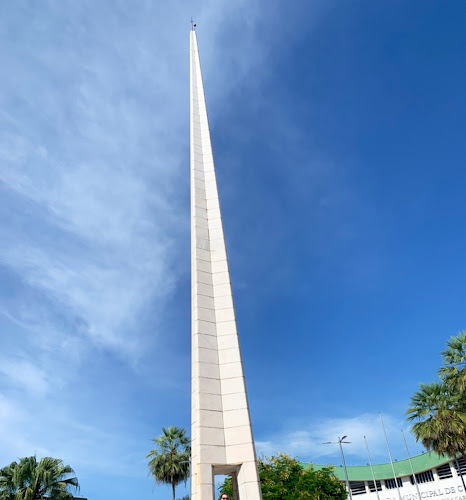
América do Sul Geodesic Center
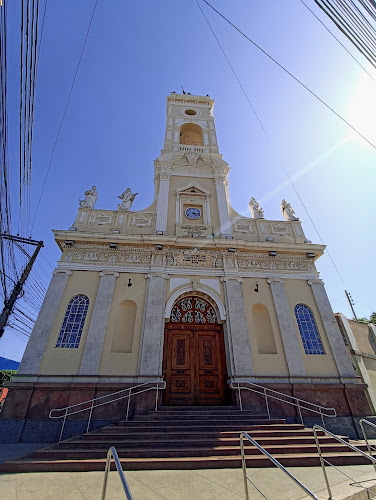
Paróquia São Gonçalo

Massairo Okamura Park
Find Accommodations Nearby
Recommended Tours & Activities
Visitor Reviews
There are no reviews yet. Be the first one to write one.
Share Your Experience
Have you visited Grande Templo Assembleia de Deus? Help other travelers by leaving a review.