

North Pantanal
About North Pantanal
Description
The North Pantanal represents one of those rare places on Earth where wildlife still operates on its own terms, and humans are simply privileged observers passing through. This massive wetland ecosystem in Brazil's Mato Grosso state stands as the world's largest tropical wetland, stretching across an area roughly the size of England. Unlike its southern counterpart, the North Pantanal offers easier access and slightly different seasonal patterns that can work better for certain types of travelers. I've talked to countless people who've visited both regions, and there's something uniquely compelling about the northern section. The landscape here transforms dramatically between wet and dry seasons, creating two entirely different worlds to explore. During the flood season, you're navigating through a watery paradise where trees stand knee-deep in shimmering pools. Come dry season, and those same areas become accessible savannas teeming with wildlife concentrated around shrinking water sources. What really sets this region apart is the sheer concentration of visible wildlife. We're talking jaguars, capybaras the size of large dogs, caimans that look prehistoric in the best way possible, and hundreds of bird species that'll make even non-birders grab their cameras. The North Pantanal doesn't hide its treasures – animals here haven't developed the same wariness of humans you find in more heavily trafficked destinations. This means photo opportunities that wildlife photographers literally dream about. The tourism infrastructure in the North Pantanal has matured nicely over recent years. Most visitors base themselves in or around Cuiabá before heading into the wetlands, and the variety of accommodation options ranges from comfortable lodges to more rustic fazendas (ranch-style properties). The tour operators working this region generally know their stuff, having spent years or even decades learning the land's rhythms and animal behaviors.Key Features
The North Pantanal delivers experiences you simply can't replicate elsewhere: • Jaguar sightings along riverbanks with success rates that would make African safari guides jealous – particularly along the Cuiabá and Piquiri rivers where these magnificent cats hunt • Giant river otters that travel in noisy, playful family groups and provide endless entertainment as they fish and communicate with chirps and growls • Hyacinth macaws, those stunning blue parrots that are the largest flying parrot species, often seen in pairs because they mate for life • Caiman spotting that's almost guaranteed, with both yacare caimans and the occasional massive black caiman making appearances • Capybara herds lounging on riverbanks like they own the place, which honestly, they kind of do • Anacondas during certain seasons, though you'll need patience and a knowledgeable guide to spot these masters of camouflage • Boat safaris along narrow waterways where the wildlife comes right up to you, completely unbothered by your presence • Horseback riding opportunities through seasonally flooded plains, giving you a traditional pantaneiro cowboy experience • Night safaris that reveal a completely different cast of characters, from ocelots to giant anteaters • Bird watching that'll add dozens of species to your life list in just days, including toucans, jabiru storks, and roseate spoonbills • Piranha fishing, which is way more fun than it probably should be, and yes, you can eat what you catch • Photography workshops and specialized photo tours that take advantage of the incredible natural lighting and accessible wildlifeBest Time to Visit
Timing your North Pantanal visit really matters, and there's no single "best" time – it depends entirely on what you want to experience and frankly, how you handle heat and humidity. The dry season runs from May through September, and this is when most tour operators will steer you toward. Water levels drop significantly, concentrating wildlife around remaining ponds and rivers. This makes spotting animals almost ridiculously easy. Roads become more accessible, and the heat is slightly more bearable. Jaguar sightings peak during this period, especially July through September, because these cats concentrate along riverbanks where prey animals come to drink. If jaguars top your must-see list, aim for these months. But here's something many guides won't emphasize enough – the wet season from October through April has its own magic. The landscape transforms into an endless water world, and you'll need boats to access areas you could walk through months earlier. Bird breeding season peaks during these months, meaning the birdlife explodes in both numbers and activity. Sure, jaguars are harder to spot, but the whole ecosystem feels more alive. Plus, you'll encounter far fewer tourists, which means more intimate experiences. December through February brings the heaviest rains and highest temperatures. I'm talking 35°C (95°F) or higher with humidity that makes you feel like you're wearing the air. Some areas become completely inaccessible, and certain lodges close entirely. Unless you're specifically after breeding bird behavior or don't mind serious heat, these months require careful consideration. The shoulder months of April-May and September-October offer compromises – transitional water levels, decent wildlife viewing, and slightly smaller crowds. These periods don't get enough credit in my opinion. Temperature-wise, even "winter" months (June-August) stay warm, usually 25-28°C (77-82°F) during the day, though nights can drop to around 15°C (59°F). Pack layers even if you're visiting during dry season.How to Get There
Getting to the North Pantanal requires some planning, but it's more straightforward than you might think. Cuiabá serves as the primary gateway, and most international travelers fly into São Paulo or Rio de Janeiro first before catching a domestic flight to Cuiabá's Marechal Rondon International Airport. Flight times from São Paulo run about two to two and a half hours. Once you've touched down in Cuiabá, the real journey begins. The Transpantaneira Road – this legendary dirt highway that's more experience than thoroughfare – extends about 145 kilometers into the wetlands. Despite what "highway" might suggest, this is a raised dirt road punctuated by roughly 120 wooden bridges in various states of repair. The condition varies wildly depending on recent weather, and during heavy rains it can become impassable. Most visitors arrange transfers through their chosen lodge or tour operator, which honestly makes the most sense. These transfers usually take three to four hours from Cuiabá, though you'll stop frequently for wildlife spotting even during the "transfer." I've heard stories of transfers taking six hours because someone spotted a jaguar – not exactly a complaint. If you're the adventurous type considering self-driving, rent a 4x4 with good clearance and be prepared for challenging conditions. GPS doesn't always work reliably out here, cell service becomes spotty once you leave Cuiabá, and fuel stations are sparse. Know your vehicle's capabilities and carry extra fuel, water, and basic supplies. Some tour packages include transport from Cuiabá in their pricing, while others charge separately. Always clarify this before booking because those transfer costs add up. The town of Poconé sits about 100 kilometers from Cuiabá and marks the official beginning of the Transpantaneira. It's the last place to fuel up, grab supplies, and withdraw cash before heading deeper into the wetlands.Tips for Visiting
Cash remains king in the Pantanal despite what payment technology might promise elsewhere. While many established lodges and tour operators accept credit and debit cards, don't count on this universally. ATMs disappear once you leave Cuiabá, so withdraw more cash than you think you'll need. You'll want cash for tips, small purchases, and any independent guides or activities you arrange on the fly. Insect repellent isn't optional – it's survival gear. The mosquitoes and biting insects here are persistent and numerous, especially during wet season. Bring DEET-based repellent with at least 30% concentration, and don't forget to spray your clothing too. Long sleeves and pants help, even in the heat. Sunscreen and a wide-brimmed hat matter just as much. The sun reflects off water surfaces creating exposure from multiple angles, and you'll likely spend hours on open boats. Reapply frequently, especially if you're sweating heavily. Binoculars transform the experience from good to extraordinary. Even budget binoculars beat none at all, and they let you appreciate distant wildlife without disturbing them. An 8x42 or 10x42 configuration works well for most situations. Camera gear deserves serious thought. If you're bringing proper photography equipment, a telephoto lens (at least 200mm, ideally 300mm or longer) opens up incredible opportunities. Bring extra batteries and memory cards because you'll shoot far more than anticipated. Waterproof bags or dry sacks protect equipment during boat trips. Clothing should be lightweight, quick-drying, and neutral-colored. Khaki, olive, and brown help you blend into surroundings. Skip the bright whites and neons that announce your presence to every animal within sight. Layers work better than single heavy pieces because temperatures fluctuate between morning and afternoon. Your shoes will get wet and muddy – just accept this now. Waterproof hiking boots work for some activities, but many visitors prefer quick-dry sandals or water shoes for boat trips and wet walks. Bring both if you have space. Book accommodations and tours well in advance, especially for dry season peak months. The best lodges and most experienced guides fill up months ahead. This isn't a destination where you want to just wing it and hope for availability. Portuguese language skills help tremendously since English speakers aren't guaranteed outside major lodges. Learn basic phrases for common situations, or download translation apps that work offline. Yellow fever vaccination is technically required for entry into this region, and it's genuinely advisable health-wise. Get vaccinated at least 10 days before arrival and carry your vaccination certificate. Respect wildlife distance guidelines even when animals seem unconcerned by your presence. Just because a jaguar ignores your boat doesn't mean you should push closer. Good guides enforce these boundaries to protect both visitors and animals. Pack patience and flexibility into your mental luggage. Weather changes plans, animals don't perform on schedule, and roads become impassable. The travelers who struggle most are those who expect everything to run on precise timetables. The ones who have the best experiences roll with whatever nature delivers.Key Features
- Specialized wildlife and photography safaris focused on Northern Pantanal ecosystems
- Small-group tours led by local Brazilian naturalists and experienced guides
- Departures and logistics based in Cuiabá, the main gateway to the region
- High likelihood of seeing iconic Pantanal wildlife (jaguars, capybaras, giant otters, diverse birds)
- Sustainable, community-minded operations with emphasis on low-impact wildlife viewing
More Details
Updated March 30, 2026
Table of Contents
Description
The North Pantanal represents one of those rare places on Earth where wildlife still operates on its own terms, and humans are simply privileged observers passing through. This massive wetland ecosystem in Brazil’s Mato Grosso state stands as the world’s largest tropical wetland, stretching across an area roughly the size of England. Unlike its southern counterpart, the North Pantanal offers easier access and slightly different seasonal patterns that can work better for certain types of travelers.
I’ve talked to countless people who’ve visited both regions, and there’s something uniquely compelling about the northern section. The landscape here transforms dramatically between wet and dry seasons, creating two entirely different worlds to explore. During the flood season, you’re navigating through a watery paradise where trees stand knee-deep in shimmering pools. Come dry season, and those same areas become accessible savannas teeming with wildlife concentrated around shrinking water sources.
What really sets this region apart is the sheer concentration of visible wildlife. We’re talking jaguars, capybaras the size of large dogs, caimans that look prehistoric in the best way possible, and hundreds of bird species that’ll make even non-birders grab their cameras. The North Pantanal doesn’t hide its treasures – animals here haven’t developed the same wariness of humans you find in more heavily trafficked destinations. This means photo opportunities that wildlife photographers literally dream about.
The tourism infrastructure in the North Pantanal has matured nicely over recent years. Most visitors base themselves in or around Cuiabá before heading into the wetlands, and the variety of accommodation options ranges from comfortable lodges to more rustic fazendas (ranch-style properties). The tour operators working this region generally know their stuff, having spent years or even decades learning the land’s rhythms and animal behaviors.
Key Features
The North Pantanal delivers experiences you simply can’t replicate elsewhere:
• Jaguar sightings along riverbanks with success rates that would make African safari guides jealous – particularly along the Cuiabá and Piquiri rivers where these magnificent cats hunt
• Giant river otters that travel in noisy, playful family groups and provide endless entertainment as they fish and communicate with chirps and growls
• Hyacinth macaws, those stunning blue parrots that are the largest flying parrot species, often seen in pairs because they mate for life
• Caiman spotting that’s almost guaranteed, with both yacare caimans and the occasional massive black caiman making appearances
• Capybara herds lounging on riverbanks like they own the place, which honestly, they kind of do
• Anacondas during certain seasons, though you’ll need patience and a knowledgeable guide to spot these masters of camouflage
• Boat safaris along narrow waterways where the wildlife comes right up to you, completely unbothered by your presence
• Horseback riding opportunities through seasonally flooded plains, giving you a traditional pantaneiro cowboy experience
• Night safaris that reveal a completely different cast of characters, from ocelots to giant anteaters
• Bird watching that’ll add dozens of species to your life list in just days, including toucans, jabiru storks, and roseate spoonbills
• Piranha fishing, which is way more fun than it probably should be, and yes, you can eat what you catch
• Photography workshops and specialized photo tours that take advantage of the incredible natural lighting and accessible wildlife
Best Time to Visit
Timing your North Pantanal visit really matters, and there’s no single “best” time – it depends entirely on what you want to experience and frankly, how you handle heat and humidity.
The dry season runs from May through September, and this is when most tour operators will steer you toward. Water levels drop significantly, concentrating wildlife around remaining ponds and rivers. This makes spotting animals almost ridiculously easy. Roads become more accessible, and the heat is slightly more bearable. Jaguar sightings peak during this period, especially July through September, because these cats concentrate along riverbanks where prey animals come to drink. If jaguars top your must-see list, aim for these months.
But here’s something many guides won’t emphasize enough – the wet season from October through April has its own magic. The landscape transforms into an endless water world, and you’ll need boats to access areas you could walk through months earlier. Bird breeding season peaks during these months, meaning the birdlife explodes in both numbers and activity. Sure, jaguars are harder to spot, but the whole ecosystem feels more alive. Plus, you’ll encounter far fewer tourists, which means more intimate experiences.
December through February brings the heaviest rains and highest temperatures. I’m talking 35°C (95°F) or higher with humidity that makes you feel like you’re wearing the air. Some areas become completely inaccessible, and certain lodges close entirely. Unless you’re specifically after breeding bird behavior or don’t mind serious heat, these months require careful consideration.
The shoulder months of April-May and September-October offer compromises – transitional water levels, decent wildlife viewing, and slightly smaller crowds. These periods don’t get enough credit in my opinion.
Temperature-wise, even “winter” months (June-August) stay warm, usually 25-28°C (77-82°F) during the day, though nights can drop to around 15°C (59°F). Pack layers even if you’re visiting during dry season.
How to Get There
Getting to the North Pantanal requires some planning, but it’s more straightforward than you might think. Cuiabá serves as the primary gateway, and most international travelers fly into São Paulo or Rio de Janeiro first before catching a domestic flight to Cuiabá’s Marechal Rondon International Airport. Flight times from São Paulo run about two to two and a half hours.
Once you’ve touched down in Cuiabá, the real journey begins. The Transpantaneira Road – this legendary dirt highway that’s more experience than thoroughfare – extends about 145 kilometers into the wetlands. Despite what “highway” might suggest, this is a raised dirt road punctuated by roughly 120 wooden bridges in various states of repair. The condition varies wildly depending on recent weather, and during heavy rains it can become impassable.
Most visitors arrange transfers through their chosen lodge or tour operator, which honestly makes the most sense. These transfers usually take three to four hours from Cuiabá, though you’ll stop frequently for wildlife spotting even during the “transfer.” I’ve heard stories of transfers taking six hours because someone spotted a jaguar – not exactly a complaint.
If you’re the adventurous type considering self-driving, rent a 4×4 with good clearance and be prepared for challenging conditions. GPS doesn’t always work reliably out here, cell service becomes spotty once you leave Cuiabá, and fuel stations are sparse. Know your vehicle’s capabilities and carry extra fuel, water, and basic supplies.
Some tour packages include transport from Cuiabá in their pricing, while others charge separately. Always clarify this before booking because those transfer costs add up.
The town of Poconé sits about 100 kilometers from Cuiabá and marks the official beginning of the Transpantaneira. It’s the last place to fuel up, grab supplies, and withdraw cash before heading deeper into the wetlands.
Tips for Visiting
Cash remains king in the Pantanal despite what payment technology might promise elsewhere. While many established lodges and tour operators accept credit and debit cards, don’t count on this universally. ATMs disappear once you leave Cuiabá, so withdraw more cash than you think you’ll need. You’ll want cash for tips, small purchases, and any independent guides or activities you arrange on the fly.
Insect repellent isn’t optional – it’s survival gear. The mosquitoes and biting insects here are persistent and numerous, especially during wet season. Bring DEET-based repellent with at least 30% concentration, and don’t forget to spray your clothing too. Long sleeves and pants help, even in the heat.
Sunscreen and a wide-brimmed hat matter just as much. The sun reflects off water surfaces creating exposure from multiple angles, and you’ll likely spend hours on open boats. Reapply frequently, especially if you’re sweating heavily.
Binoculars transform the experience from good to extraordinary. Even budget binoculars beat none at all, and they let you appreciate distant wildlife without disturbing them. An 8×42 or 10×42 configuration works well for most situations.
Camera gear deserves serious thought. If you’re bringing proper photography equipment, a telephoto lens (at least 200mm, ideally 300mm or longer) opens up incredible opportunities. Bring extra batteries and memory cards because you’ll shoot far more than anticipated. Waterproof bags or dry sacks protect equipment during boat trips.
Clothing should be lightweight, quick-drying, and neutral-colored. Khaki, olive, and brown help you blend into surroundings. Skip the bright whites and neons that announce your presence to every animal within sight. Layers work better than single heavy pieces because temperatures fluctuate between morning and afternoon.
Your shoes will get wet and muddy – just accept this now. Waterproof hiking boots work for some activities, but many visitors prefer quick-dry sandals or water shoes for boat trips and wet walks. Bring both if you have space.
Book accommodations and tours well in advance, especially for dry season peak months. The best lodges and most experienced guides fill up months ahead. This isn’t a destination where you want to just wing it and hope for availability.
Portuguese language skills help tremendously since English speakers aren’t guaranteed outside major lodges. Learn basic phrases for common situations, or download translation apps that work offline.
Yellow fever vaccination is technically required for entry into this region, and it’s genuinely advisable health-wise. Get vaccinated at least 10 days before arrival and carry your vaccination certificate.
Respect wildlife distance guidelines even when animals seem unconcerned by your presence. Just because a jaguar ignores your boat doesn’t mean you should push closer. Good guides enforce these boundaries to protect both visitors and animals.
Pack patience and flexibility into your mental luggage. Weather changes plans, animals don’t perform on schedule, and roads become impassable. The travelers who struggle most are those who expect everything to run on precise timetables. The ones who have the best experiences roll with whatever nature delivers.
Key Highlights
- Specialized wildlife and photography safaris focused on Northern Pantanal ecosystems
- Small-group tours led by local Brazilian naturalists and experienced guides
- Departures and logistics based in Cuiabá, the main gateway to the region
- High likelihood of seeing iconic Pantanal wildlife (jaguars, capybaras, giant otters, diverse birds)
- Sustainable, community-minded operations with emphasis on low-impact wildlife viewing
Location
Places to Stay Near North Pantanal
Find and Book a Tour
Explore More Travel Guides
No reviews found! Be the first to review!
North Pantanal is a prominent Operador de turismo located in Cuiabá.
Visit us at: Av. Historiador Rubens de Mendonça, 3000 – Jardim Aclimacao, Cuiabá – MT, 78050-000, Brazil.
Traveler Reviews for North Pantanal
There are no reviews yet. Be the first one to write one.
Have you visited North Pantanal? Help other travelers by sharing your review.
Nearby Attractions
You Might Also Like
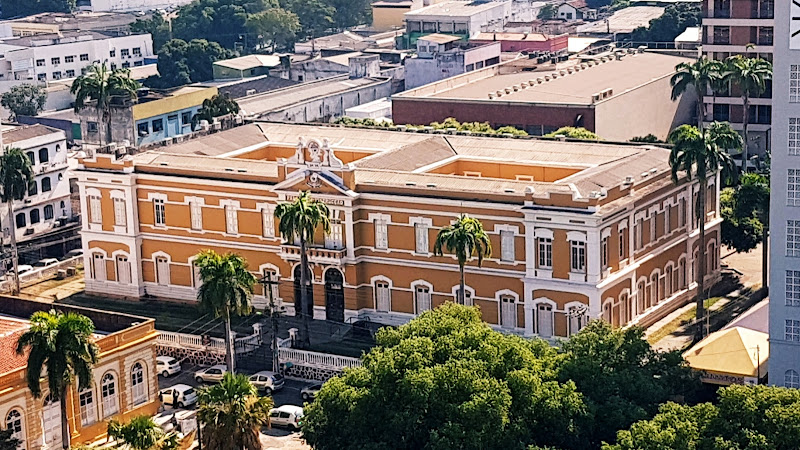
Instruction Palace

Parque Mãe Bonifácia

Shopping Popular
Find Accommodations Nearby
Recommended Tours & Activities
Visitor Reviews
There are no reviews yet. Be the first one to write one.
Share Your Experience
Have you visited North Pantanal? Help other travelers by leaving a review.