
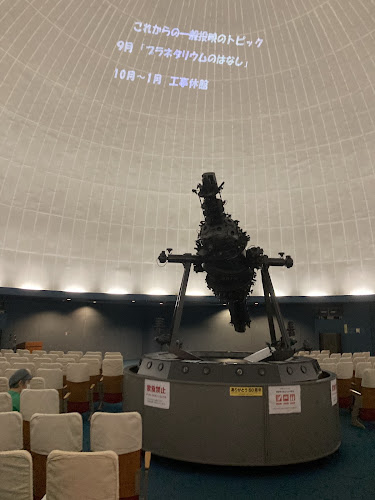
Nakano ZERO Planetarium
About Nakano ZERO Planetarium
Description
The Nakano ZERO Planetarium offers travelers a captivating window into the cosmos right in the heart of one of Tokyo's most interesting neighborhoods. This isn't your massive, overwhelming planetarium experience – it's actually more intimate and approachable, which honestly makes it better for certain types of visitors. The facility sits within the Nakano ZERO cultural complex, a multipurpose venue that also houses performance spaces and meeting rooms, but the planetarium itself is the real star of the show here. What strikes most visitors first is how the planetarium manages to blend educational content with genuine entertainment value. I've been to planetariums where you feel like you're back in high school science class, fighting to keep your eyes open. But this one? It's different. The presentations here feel personal and engaging, like someone who genuinely loves astronomy is sharing their passion with you rather than lecturing at you. The dome theater itself creates an immersive environment where the Tokyo cityscape outside fades away completely. And that's something special when you consider how hard it can be to actually see stars in a major metropolitan area like Tokyo. For travelers who want to experience something uniquely Japanese while also connecting with the universal wonder of space, this venue delivers on both fronts. The staff regularly updates their programs, so you're not getting the same tired presentation that's been running since 1995. What really makes this place worth considering for your Tokyo itinerary is its accessibility – both in terms of physical access and general approachability. It's not trying to be the biggest or flashiest planetarium in Japan. Instead, it focuses on creating meaningful experiences that work for families, solo travelers, and even people who thought they weren't that interested in astronomy.Key Features
The Nakano ZERO Planetarium stands out for several reasons that make it particularly attractive for travelers looking to add something different to their Tokyo experience:- Fully accessible facilities – The planetarium features wheelchair-accessible entrances, restrooms, and seating areas, making it welcoming for all visitors regardless of mobility needs
- Family-friendly programming – Special shows designed specifically for children help introduce young travelers to astronomy in ways that keep their attention without dumbing down the content too much
- Intimate viewing experience – The smaller dome size compared to major planetariums creates a more personal atmosphere where you actually feel connected to what you're seeing
- Regularly updated shows – New programs rotate through the schedule, including seasonal presentations that align with current astronomical events and phenomena
- Japanese cultural perspective on astronomy – Programs often incorporate elements of Japanese star lore and traditional astronomical knowledge, offering international visitors unique cultural insights
- Part of a larger cultural complex – Being within the Nakano ZERO facility means you can potentially combine your visit with other cultural activities in the same building
- Clean, well-maintained facilities – Restrooms and public spaces are kept to the high standards travelers expect in Japan
- Knowledgeable staff – Personnel demonstrate genuine expertise and enthusiasm, though English support can be limited depending on the program
- Comfortable seating – The theater provides proper reclining seats that let you view the dome without straining your neck for the entire presentation
- Educational without being boring – The balance between information and entertainment makes shows engaging for both adults and children
Best Time to Visit
Timing your visit to Nakano ZERO Planetarium requires thinking about a few different factors. The planetarium operates year-round, but certain times definitely offer better experiences than others. Weekday visits, particularly in the morning or early afternoon, tend to be quieter. If you're the type of traveler who prefers experiencing attractions without crowds, this is your window. I've found that mid-week mornings especially give you a more contemplative experience where you can really sink into the presentation without being distracted by a packed house. But here's the thing – weekends and school holidays bring more energy to the place. If you're traveling with kids, they might actually enjoy the buzz of other families being there. The atmosphere feels different when the venue is fuller, almost like the shared experience of watching the cosmos together adds something to the program itself. Season-wise, consider visiting during winter months when Tokyo's weather might make outdoor sightseeing less appealing. A planetarium visit makes perfect sense when it's cold or rainy outside. And honestly, winter night skies are spectacular for stargazing anyway, so the winter-themed programs often have extra relevance. Special astronomical events create peak times worth knowing about. When there's a major meteor shower, eclipse, or other celestial event happening, the planetarium often runs special programs. These shows get popular fast and booking ahead becomes more important. But they're also when you'll get the most current, exciting content. Summer vacation periods see increased attendance from local families, so factor that into your planning if crowds bother you. Conversely, if you want that communal experience, summer might be ideal. The shoulder seasons – late spring and early fall – offer pleasant weather for combining your planetarium visit with exploration of the Nakano neighborhood itself. You won't be dealing with extreme heat or cold, and crowd levels typically sit at moderate levels.How to Get There
Getting to Nakano ZERO Planetarium is refreshingly straightforward, especially compared to some Tokyo attractions that require elaborate transportation gymnastics. The facility's location makes it accessible from most parts of Tokyo without too much hassle. The closest station is Nakano Station, which sits on the JR Chuo Line. This is one of Tokyo's major train lines, so you're likely already familiar with it if you've been in the city for more than a day. From Tokyo Station, it's about 15 minutes on the Chuo Rapid Service. From Shinjuku, you're looking at just 5 minutes. That proximity to Shinjuku makes this planetarium particularly convenient for travelers staying in that area. Once you exit Nakano Station, head for the North Exit. From there, you've got about a 10-minute walk to the cultural complex. The route is pretty well-signed, and you'll walk through part of the Nakano Broadway area, which is interesting in itself. If you're into anime, manga, or vintage collectibles, you might want to budget extra time for browsing before or after your planetarium visit. The Tokyo Metro Tozai Line also stops at Nakano Station, giving you alternative route options depending on where you're coming from. This connectivity is one of those things that makes the planetarium more accessible than you might expect for what some consider a secondary attraction. For travelers with mobility concerns, the station has elevator access, and the walk to the cultural complex is flat and paved. Once you arrive at the building, the accessible entrance makes entry smooth. If you're using a navigation app, searching for "Nakano ZERO" will get you accurate directions. The complex is an established landmark in the area, so even asking locals for directions tends to work well. Coming by taxi is certainly possible, though typically unnecessary given how well-connected the area is by train. But if you're traveling with young children or mobility equipment, a taxi directly to the entrance might be worth the extra cost.Tips for Visiting
Making the most of your Nakano ZERO Planetarium experience requires a bit of insider knowledge that guidebooks don't always cover. First off, understand the language situation before you go. Most programs are presented in Japanese, which makes sense given the primarily local audience. But here's where it gets interesting – the visual nature of planetarium shows means you'll still get substantial value even without understanding every word. The star projections, graphics, and overall presentation communicate a lot on their own. That said, checking ahead about any English-language programs or audio guides can enhance your experience significantly. Arrive at least 15 minutes before your scheduled show time. The planetarium doesn't allow late entry once programs begin, and you'll want time to use the restroom and settle into your seat properly. Rushing in at the last minute just starts your experience with stress you don't need. Dress in layers. Planetarium theaters often run cooler than you'd expect, and sitting still for 45 minutes to an hour in a chilly room gets uncomfortable. Bringing a light jacket or sweater saves you from spending the whole show thinking about how cold you are instead of enjoying the cosmos. Check the program schedule carefully before your visit. Different shows target different audiences, and picking the right one matters. Family programs work great with kids but might feel overly simplistic for adult travelers. Meanwhile, the more technical programs might lose younger children's attention. The planetarium's schedule typically indicates the target audience for each show. Photography is generally not permitted during presentations, which frustrates some travelers. But honestly, this policy enhances the experience by preventing the distraction of phone screens lighting up throughout the theater. Just be present and enjoy the show rather than trying to capture it for Instagram. Combine your planetarium visit with exploration of the broader Nakano area. The neighborhood doesn't get as much tourist attention as Shibuya or Harajuku, but it's got its own distinct character. Nakano Broadway, in particular, offers an alternative to the busier shopping districts, with multiple floors of shops selling everything from vintage watches to rare manga. For families traveling with very young children, consider whether your kids can handle sitting still in a darkened theater for the program duration. Some children find it magical, while others get restless or even frightened by the darkness. You know your kids best, so make the call based on their personality and attention span. The planetarium doesn't have its own restaurant, so plan your meals accordingly. However, the surrounding Nakano area offers plenty of dining options at various price points. The covered shopping streets near the station have everything from casual ramen shops to sit-down restaurants. Booking in advance isn't always necessary for regular programs, but it becomes important during peak times and special events. If you're on a tight schedule or have your heart set on a particular show, advance booking eliminates uncertainty. Lastly, don't rush off immediately after your program ends. Take a moment to let the experience settle. There's something about stepping from a journey through space back into the regular world that deserves a transitional moment rather than immediately diving back into Tokyo's intensity.Key Features
- 15-meter optical dome with high-precision star projection
- Approximately 180 seats for an intimate viewing experience
- Regularly changing monthly programs and themed shows
- Live commentary by knowledgeable interpreters
- Located within Nakano ZERO cultural complex close to Nakano Station
More Details
Updated March 30, 2026
Table of Contents
Description
The Nakano ZERO Planetarium offers travelers a captivating window into the cosmos right in the heart of one of Tokyo’s most interesting neighborhoods. This isn’t your massive, overwhelming planetarium experience – it’s actually more intimate and approachable, which honestly makes it better for certain types of visitors. The facility sits within the Nakano ZERO cultural complex, a multipurpose venue that also houses performance spaces and meeting rooms, but the planetarium itself is the real star of the show here.
What strikes most visitors first is how the planetarium manages to blend educational content with genuine entertainment value. I’ve been to planetariums where you feel like you’re back in high school science class, fighting to keep your eyes open. But this one? It’s different. The presentations here feel personal and engaging, like someone who genuinely loves astronomy is sharing their passion with you rather than lecturing at you.
The dome theater itself creates an immersive environment where the Tokyo cityscape outside fades away completely. And that’s something special when you consider how hard it can be to actually see stars in a major metropolitan area like Tokyo. For travelers who want to experience something uniquely Japanese while also connecting with the universal wonder of space, this venue delivers on both fronts. The staff regularly updates their programs, so you’re not getting the same tired presentation that’s been running since 1995.
What really makes this place worth considering for your Tokyo itinerary is its accessibility – both in terms of physical access and general approachability. It’s not trying to be the biggest or flashiest planetarium in Japan. Instead, it focuses on creating meaningful experiences that work for families, solo travelers, and even people who thought they weren’t that interested in astronomy.
Key Features
The Nakano ZERO Planetarium stands out for several reasons that make it particularly attractive for travelers looking to add something different to their Tokyo experience:
- Fully accessible facilities – The planetarium features wheelchair-accessible entrances, restrooms, and seating areas, making it welcoming for all visitors regardless of mobility needs
- Family-friendly programming – Special shows designed specifically for children help introduce young travelers to astronomy in ways that keep their attention without dumbing down the content too much
- Intimate viewing experience – The smaller dome size compared to major planetariums creates a more personal atmosphere where you actually feel connected to what you’re seeing
- Regularly updated shows – New programs rotate through the schedule, including seasonal presentations that align with current astronomical events and phenomena
- Japanese cultural perspective on astronomy – Programs often incorporate elements of Japanese star lore and traditional astronomical knowledge, offering international visitors unique cultural insights
- Part of a larger cultural complex – Being within the Nakano ZERO facility means you can potentially combine your visit with other cultural activities in the same building
- Clean, well-maintained facilities – Restrooms and public spaces are kept to the high standards travelers expect in Japan
- Knowledgeable staff – Personnel demonstrate genuine expertise and enthusiasm, though English support can be limited depending on the program
- Comfortable seating – The theater provides proper reclining seats that let you view the dome without straining your neck for the entire presentation
- Educational without being boring – The balance between information and entertainment makes shows engaging for both adults and children
Best Time to Visit
Timing your visit to Nakano ZERO Planetarium requires thinking about a few different factors. The planetarium operates year-round, but certain times definitely offer better experiences than others.
Weekday visits, particularly in the morning or early afternoon, tend to be quieter. If you’re the type of traveler who prefers experiencing attractions without crowds, this is your window. I’ve found that mid-week mornings especially give you a more contemplative experience where you can really sink into the presentation without being distracted by a packed house.
But here’s the thing – weekends and school holidays bring more energy to the place. If you’re traveling with kids, they might actually enjoy the buzz of other families being there. The atmosphere feels different when the venue is fuller, almost like the shared experience of watching the cosmos together adds something to the program itself.
Season-wise, consider visiting during winter months when Tokyo’s weather might make outdoor sightseeing less appealing. A planetarium visit makes perfect sense when it’s cold or rainy outside. And honestly, winter night skies are spectacular for stargazing anyway, so the winter-themed programs often have extra relevance.
Special astronomical events create peak times worth knowing about. When there’s a major meteor shower, eclipse, or other celestial event happening, the planetarium often runs special programs. These shows get popular fast and booking ahead becomes more important. But they’re also when you’ll get the most current, exciting content.
Summer vacation periods see increased attendance from local families, so factor that into your planning if crowds bother you. Conversely, if you want that communal experience, summer might be ideal.
The shoulder seasons – late spring and early fall – offer pleasant weather for combining your planetarium visit with exploration of the Nakano neighborhood itself. You won’t be dealing with extreme heat or cold, and crowd levels typically sit at moderate levels.
How to Get There
Getting to Nakano ZERO Planetarium is refreshingly straightforward, especially compared to some Tokyo attractions that require elaborate transportation gymnastics. The facility’s location makes it accessible from most parts of Tokyo without too much hassle.
The closest station is Nakano Station, which sits on the JR Chuo Line. This is one of Tokyo’s major train lines, so you’re likely already familiar with it if you’ve been in the city for more than a day. From Tokyo Station, it’s about 15 minutes on the Chuo Rapid Service. From Shinjuku, you’re looking at just 5 minutes. That proximity to Shinjuku makes this planetarium particularly convenient for travelers staying in that area.
Once you exit Nakano Station, head for the North Exit. From there, you’ve got about a 10-minute walk to the cultural complex. The route is pretty well-signed, and you’ll walk through part of the Nakano Broadway area, which is interesting in itself. If you’re into anime, manga, or vintage collectibles, you might want to budget extra time for browsing before or after your planetarium visit.
The Tokyo Metro Tozai Line also stops at Nakano Station, giving you alternative route options depending on where you’re coming from. This connectivity is one of those things that makes the planetarium more accessible than you might expect for what some consider a secondary attraction.
For travelers with mobility concerns, the station has elevator access, and the walk to the cultural complex is flat and paved. Once you arrive at the building, the accessible entrance makes entry smooth.
If you’re using a navigation app, searching for “Nakano ZERO” will get you accurate directions. The complex is an established landmark in the area, so even asking locals for directions tends to work well.
Coming by taxi is certainly possible, though typically unnecessary given how well-connected the area is by train. But if you’re traveling with young children or mobility equipment, a taxi directly to the entrance might be worth the extra cost.
Tips for Visiting
Making the most of your Nakano ZERO Planetarium experience requires a bit of insider knowledge that guidebooks don’t always cover.
First off, understand the language situation before you go. Most programs are presented in Japanese, which makes sense given the primarily local audience. But here’s where it gets interesting – the visual nature of planetarium shows means you’ll still get substantial value even without understanding every word. The star projections, graphics, and overall presentation communicate a lot on their own. That said, checking ahead about any English-language programs or audio guides can enhance your experience significantly.
Arrive at least 15 minutes before your scheduled show time. The planetarium doesn’t allow late entry once programs begin, and you’ll want time to use the restroom and settle into your seat properly. Rushing in at the last minute just starts your experience with stress you don’t need.
Dress in layers. Planetarium theaters often run cooler than you’d expect, and sitting still for 45 minutes to an hour in a chilly room gets uncomfortable. Bringing a light jacket or sweater saves you from spending the whole show thinking about how cold you are instead of enjoying the cosmos.
Check the program schedule carefully before your visit. Different shows target different audiences, and picking the right one matters. Family programs work great with kids but might feel overly simplistic for adult travelers. Meanwhile, the more technical programs might lose younger children’s attention. The planetarium’s schedule typically indicates the target audience for each show.
Photography is generally not permitted during presentations, which frustrates some travelers. But honestly, this policy enhances the experience by preventing the distraction of phone screens lighting up throughout the theater. Just be present and enjoy the show rather than trying to capture it for Instagram.
Combine your planetarium visit with exploration of the broader Nakano area. The neighborhood doesn’t get as much tourist attention as Shibuya or Harajuku, but it’s got its own distinct character. Nakano Broadway, in particular, offers an alternative to the busier shopping districts, with multiple floors of shops selling everything from vintage watches to rare manga.
For families traveling with very young children, consider whether your kids can handle sitting still in a darkened theater for the program duration. Some children find it magical, while others get restless or even frightened by the darkness. You know your kids best, so make the call based on their personality and attention span.
The planetarium doesn’t have its own restaurant, so plan your meals accordingly. However, the surrounding Nakano area offers plenty of dining options at various price points. The covered shopping streets near the station have everything from casual ramen shops to sit-down restaurants.
Booking in advance isn’t always necessary for regular programs, but it becomes important during peak times and special events. If you’re on a tight schedule or have your heart set on a particular show, advance booking eliminates uncertainty.
Lastly, don’t rush off immediately after your program ends. Take a moment to let the experience settle. There’s something about stepping from a journey through space back into the regular world that deserves a transitional moment rather than immediately diving back into Tokyo’s intensity.
Key Highlights
- 15-meter optical dome with high-precision star projection
- Approximately 180 seats for an intimate viewing experience
- Regularly changing monthly programs and themed shows
- Live commentary by knowledgeable interpreters
- Located within Nakano ZERO cultural complex close to Nakano Station
Location
Places to Stay Near Nakano ZERO Planetarium
Find and Book a Tour
Explore More Travel Guides
No reviews found! Be the first to review!
Nakano ZERO Planetarium is a prominent attractions located in Nakano City.
Visit us at: Japan, 〒164-0001 Tokyo, Nakano City, Nakano, 2 Chome−9−7 なかのZERO 西館 4F.
Traveler Reviews for Nakano ZERO Planetarium
There are no reviews yet. Be the first one to write one.
Have you visited Nakano ZERO Planetarium? Help other travelers by sharing your review.
Nearby Attractions
You Might Also Like
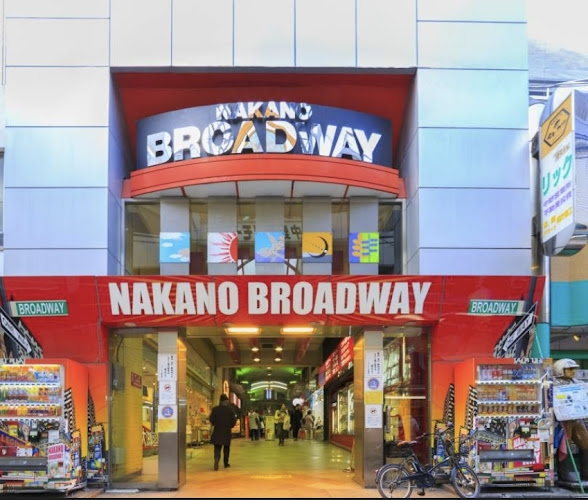
Nakano Broadway
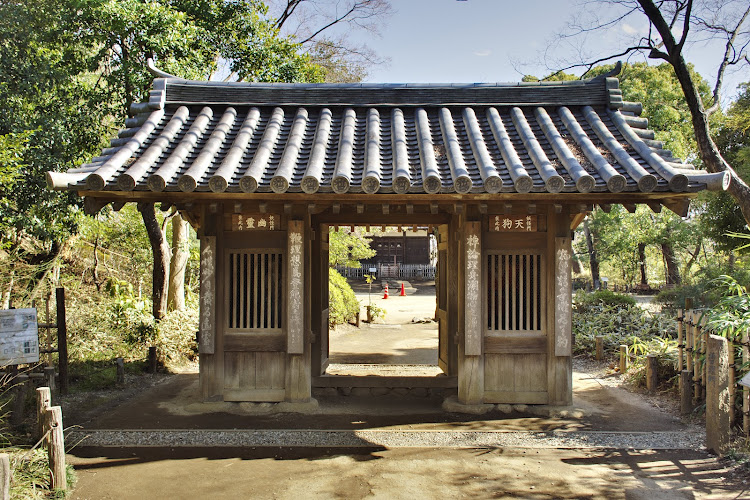
Tetsugakudo Park
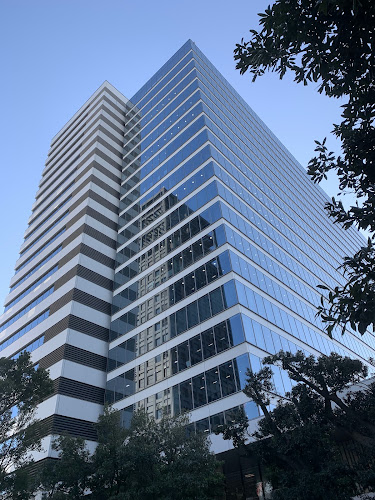
Nakano Central Park
Find Accommodations Nearby
Recommended Tours & Activities
Visitor Reviews
There are no reviews yet. Be the first one to write one.
Share Your Experience
Have you visited Nakano ZERO Planetarium? Help other travelers by leaving a review.