Texel Island Packing List: Must-Haves for an Incredible Dutch Escape
Updated January 5, 2026
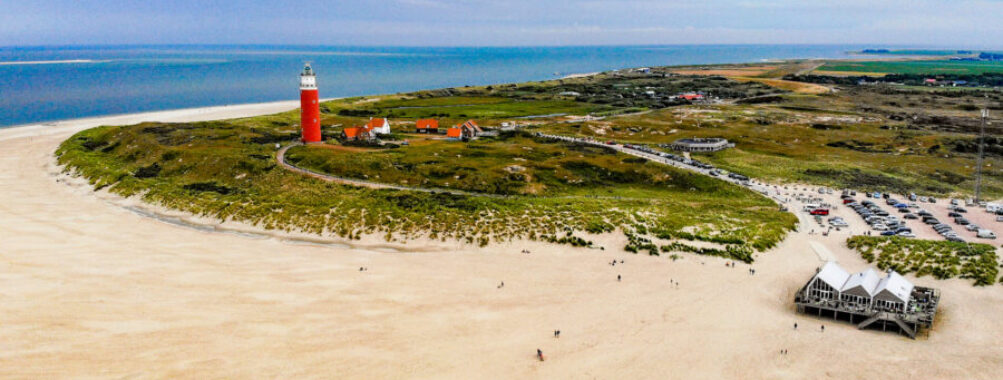
Texel Island, the largest of the Dutch Wadden Islands, sits out in the North Sea. Packing for this place needs a bit more planning than your run-of-the-mill beach trip.
The weather flips on a dime, so you’ll want gear for cycling through dunes, poking around little villages, and wandering the Wadden Sea coast. Your Texel packing list should focus on layered clothing, waterproof gear, and comfortable shoes since the island’s activities range from beach relaxation to outdoor adventures across varied terrain.
The Frisian Islands get their own microclimate, and Texel can hit you with sun one hour and rain the next. Travelers often bring way too much, but Texel actually rewards a more strategic approach.
You’ll want stuff that works for active days and cozy evenings in the village. The trick is packing versatile pieces that can handle the unpredictable North Sea mood swings but still keep your bag light for ferry rides and all that cycling.
Table of Contents
- Key Takeaways
- Essential Travel Documents and Money
- Passport and ID Requirements
- Ferry and Transport Tickets
- Currency and Payment Tips
- Weather on Texel: What to Expect & Prepare For
- Typical Island Climate
- Seasonal Weather Variations
- Rain, Wind, and Sun Preparedness
- Clothing to Pack for Texel Island
- Layering Essentials for Changing Weather
- Rain and Wind Protection
- Beachwear and Summer Outfits
- Village and Cycling Attire
- Must-Have Accessories and Bags
- Beach Bag and Waterproof Bag
- Packing Cubes and Organization
- Portable Charger and Electronics
- Toiletries, Health, and Safety Items
- Daily Toiletries and Sun Protection
- First Aid Kit and Medications
- Hand Sanitizer and Hygiene
- Texel Activities Packing Checklist
- Cycling and Hiking Gear
- Water Sports Supplies
- Wildlife Watching and Binoculars
- Getting Around Texel: Transport and Navigation
- Bicycle Rental and Maintenance
- Public Transport and Bus Passes
- Navigating Villages and Key Sights
- Packing Tips for Exploring Texel’s Villages and Attractions
- Day Bags for Village Visits
- Visiting the Eierland Lighthouse and Museums
- Beachcombing and Nature Parks
- Frequently Asked Questions
- What essential items should I include for a week’s stay on Texel Island?
- How should I dress to blend in with local styles during spring and summer in Texel?
- Are there any specific clothing recommendations for exploring Texel’s outdoor activities?
- What are the top suggestions for packing light yet being prepared when visiting Texel?
- Is there anything unique to Texel Island’s culture that I should consider packing?
- Book Your Dream Experience
- More Travel Guides
Key Takeaways
- Pack layered, waterproof clothing and sturdy walking shoes for Texel’s changing weather and outdoor activities
- Bring essential documents like your ID card, euros in cash, and travel insurance for a smooth trip
- Include cycling gear, binoculars for wildlife spotting, and a daypack for exploring beaches and villages
Essential Travel Documents and Money
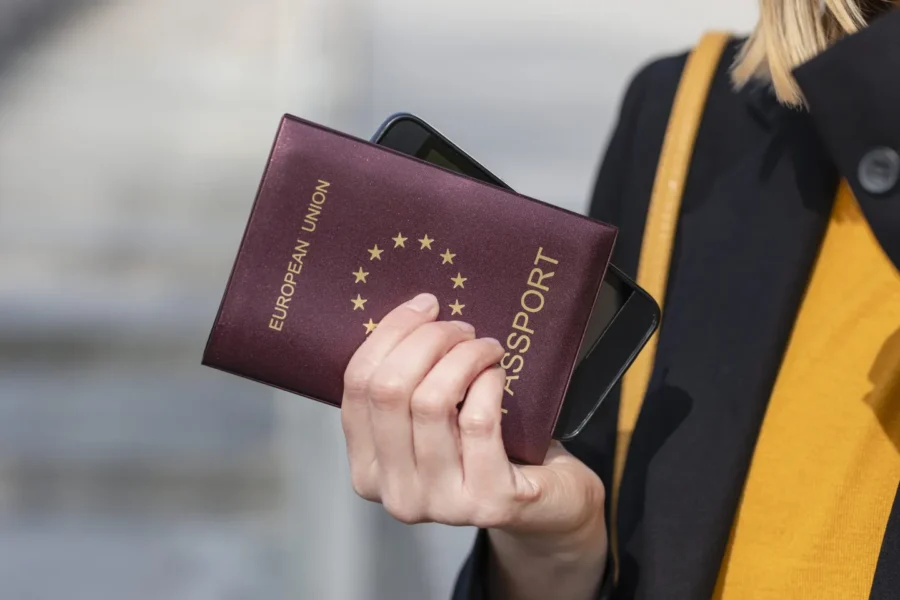
You’ll need your ID card and Euro currency for Texel, plus ferry tickets booked in advance during peak season. The island takes cards almost everywhere, but cash still comes in handy for smaller spots.
Passport and ID Requirements
If you’re coming from within the EU, you don’t need a passport—just a valid ID card. Keep your ID handy for things like hotel check-ins, bike rentals, and age checks at bars.
Some accommodations still ask for official ID at check-in, even though there aren’t border checks between EU countries. Non-EU visitors should bring their passport and any visa paperwork, just in case. It’s a good idea to stash a photocopy of your documents somewhere separate, in case something goes missing.
Don’t forget your European Health Insurance Card if you’re from the EU. That card can save you a headache if you need medical care.
Ferry and Transport Tickets

The TESO ferry connects Den Helder and Texel, running a bunch of times per hour during busy stretches. You can buy tickets online or at the terminal, but things get hectic during summer weekends, so booking ahead can save you stress.
The ferry ride from Den Helder to ‘t Horntje on Texel takes about 20 minutes. Foot passengers pay just a couple of euros each way, but bringing a car will cost you more—depends on the size.
If you’re coming by train to Den Helder, the station is super close to the ferry terminal. Direct trains from Amsterdam Central take about 90 minutes.
Keep your ferry tickets somewhere you can grab them fast, along with the rest of your important stuff. You can buy bus tickets from drivers, and contactless payment is easy here.
Currency and Payment Tips
Texel and the rest of the Netherlands use the Euro. Most places, even smaller restaurants and attractions, take debit and credit cards.
Dutch businesses usually prefer PIN payments to credit cards. Visa and Mastercard work well, but American Express is hit-or-miss. Tapping your card is the norm.
Still, bring a bit of cash for things like farmers’ markets or tiny beach kiosks. ATMs are in bigger villages like Den Burg, but check if your bank charges fees.
Tipping isn’t required, but rounding up or leaving 5-10% for good service is always nice. Most restaurant bills already include a service charge.
Weather on Texel: What to Expect & Prepare For
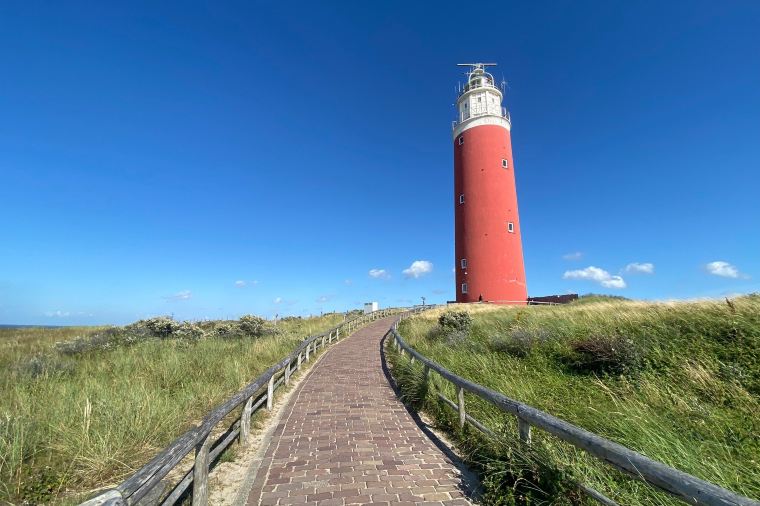
Texel’s North Sea location means the weather can flip in a heartbeat. You’ll need to pack for sun, rain, and wind—sometimes all before lunch. That’s just island life.
Typical Island Climate
Locals joke about “four seasons in one day” here, and they’re not wrong. The North Sea pretty much calls the shots weather-wise. Temperatures stay moderate, but the wind never really lets up.
Summer hovers around 65-70°F (18-21°C). That might sound chilly, but on a sunny, wind-free day, it feels way warmer. The white sand reflects the sun, and you can end up with a sneaky sunburn.
Winter usually stays above freezing—think 35-45°F (2-7°C). Snow falls now and then but melts fast. The wind chill is what really gets you in winter, making it feel colder than it is.
Humidity sticks around all year. Your hair might rebel, and the salty air clings to everything.
Seasonal Weather Variations
The best weather on Texel happens from May through early October. Spring brings wildflowers and perfect cycling weather.
Summer (June-August) draws the biggest crowds and the warmest days. Sometimes you’ll get daylight until 10 PM, which is amazing for evening walks. But don’t trust the sky—random rain showers can roll in out of nowhere.
Storm season runs from October through March. Those months bring wild, dramatic weather—wind, crashing waves, the works. It’s honestly beautiful in its own moody way.
Spring and fall are quieter, with fewer crowds. November is chillier and rainier, so it’s more about cozying up in cafés than lounging on the beach.
Rain, Wind, and Sun Preparedness
Always pack a waterproof jacket. Rain doesn’t really warn you here—it just shows up. I’ve seen blue sky turn to downpour in 15 minutes flat.
The wind? It’s with you all the time. Bring a windbreaker, even in summer. Beach winds can be fierce. Don’t even bother with an umbrella—it’ll just flip inside out. A hooded rain jacket is the way to go.
Essential weather gear:
- Waterproof outer layer with hood
- Lightweight scarf or buff for wind protection
- Sunscreen (SPF 30 minimum)
- Sunglasses with UV protection
- Layers you can add or remove quickly
The sun is sneakier than you think. Less pollution and all that reflection from the sea and sand mean UV rays get you even on cloudy days. Trust me, I’ve learned the hard way.
Pack clothes you can layer. A t-shirt, a light sweater, and a windproof jacket will let you adapt as the weather does its thing.
Clothing to Pack for Texel Island

Texel’s weather jumps from sunny to breezy in a snap. You’ll want clothes that can handle beach days, cycling through dunes, and exploring villages like De Koog and De Cocksdorp.
Layering Essentials for Changing Weather
The North Sea climate means you could get all four seasons in one afternoon. Bring a lightweight fleece or sweater that you can stuff in your daypack. I learned my lesson after shivering through lunch when a chilly breeze rolled in out of nowhere.
A long-sleeve base layer is a lifesaver for early morning bike rides along the cycling paths around Texel. Skip cotton—go for merino wool or synthetic fabrics that wick away moisture. Humidity can make cotton feel gross, even when it’s dry outside.
Bring at least two pairs of pants: jeans or casual trousers for evenings, and a lighter pair for active days. A cardigan or zip-up hoodie adds another layer without hogging space in your bag.
Rain and Wind Protection
Wind is pretty much a given, especially in the dunes or on the beach. A proper windbreaker is non-negotiable for your Texel packing list. Make sure the hood actually stays on your head when the gusts pick up.
Your rain jacket needs to be waterproof, not just “water-resistant.” Those sudden showers? They’re real, and a flimsy jacket won’t cut it. Breathability is key too, since you’ll probably be cycling when the rain hits.
A lightweight scarf is great for blocking wind and adding a layer when things cool off. Skip big, bulky scarves—something packable is best.
Beachwear and Summer Outfits
Pack your swimsuit even if you’re not coming in peak summer. The beaches on Texel are gorgeous all year, and some days are warm enough for a quick swim. If you can, bring two suits so one can dry while you use the other.
Shorts are a must for sunny days, but I’d go for a pair that hits around the knee—better for cycling and more practical if you stop in town. A couple t-shirts and a sundress or two round out your summer kit.
Don’t forget a sun hat with a chin strap. Regular caps just fly off in the wind. And yes, you really do need sunglasses. The glare off the sand and water is no joke.
Village and Cycling Attire
Comfortable walking shoes top the list of must-haves. You’ll cover a lot of ground in villages like De Koog and De Cocksdorp, and those cobblestones aren’t easy on flimsy sandals. Break in your shoes before you get here.
For cycling, skip anything loose that could get caught in the bike chain. Fitted pants or leggings work way better than wide-leg trousers or flowy skirts. A light jacket you can tie around your waist is handy for when you start to heat up pedaling through the dunes.
Casual but neat clothing is the norm everywhere. You don’t need fancy outfits, but locals do appreciate when visitors look presentable. Clean jeans and a nice top will get you into any restaurant, no problem.
Must-Have Accessories and Bags
The right bags and accessories can totally change your Texel trip. You’ll want waterproof bags for beach days, smart organizers for your accommodation, and a way to keep your phone charged for all those windmill and seal photos.
Beach Bag and Waterproof Bag
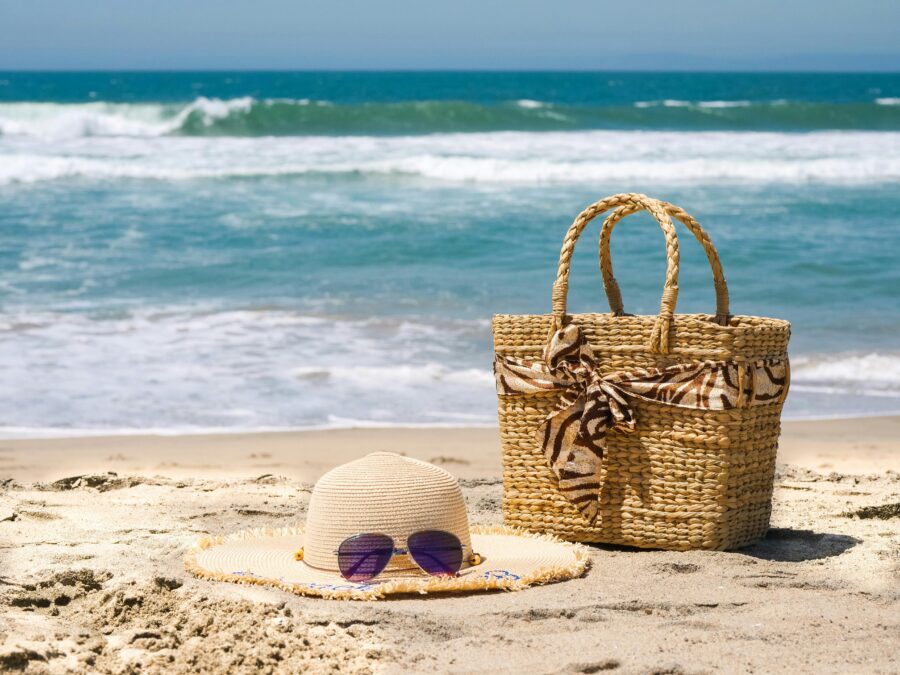
Honestly, a sturdy beach bag isn’t optional for Texel’s wild coastline. You’ll want something roomy for towels, sunscreen, snacks, and that extra sweater for when the North Sea breeze sneaks up on you.
Multiple pockets help keep your phone from disappearing into a sand pit at the bottom. Trust me, you don’t want to dig for it later.
Here’s what most folks forget: Texel’s weather flips fast. One minute you’re stretched out in the sun, and the next you’re scrambling for cover in a drizzle.
That’s why a waterproof dry bag matters. Get one that’s at least 10 liters if you’re out all day—it’ll save your electronics, wallet, and dry clothes when you’re cycling between beaches or kayaking in the Wadden Sea.
Honestly, I’d bring both a bigger beach bag for lazy beach days and a smaller waterproof pouch for your daypack. The smaller one’s a lifesaver on the ferry when wind and spray catch you off guard.
Packing Cubes and Organization
Packing cubes totally changed how I travel to Texel. These handy fabric cubes keep your stuff organized and compressed, so you’re not digging through chaos every morning.
Dedicate one cube to beachwear, another to cycling clothes, and a third for evening outfits if you’re heading out in Den Burg. It’s weirdly satisfying.
If you’re staying put for a few days, just pull out the cubes you need instead of exploding your suitcase everywhere. Wet swimsuits and sandy towels? Toss them in a mesh cube so the rest stays dry.
Compression bags are worth it if you’re packing bulky fleeces or rain jackets—Texel’s weather keeps you guessing, so you’ll probably bring more layers than you expect. These bags squeeze out the air and free up a surprising amount of space.
Portable Charger and Electronics

Your phone battery disappears fast when you’re using GPS for cycling routes or snapping lighthouse pics. A portable charger with at least 10,000mAh will get you through a full day—no desperate outlet hunts required.
The Netherlands uses Type C and F plugs (230V), so don’t forget the right adapters if you’re coming from the UK or US. Bring enough for all your devices if you want to charge everything at once.
A waterproof phone case is just smart for Texel. Even if you’re not swimming, sand and saltwater get everywhere. Plus, you can grab underwater shots if you end up snorkeling near the harbor.
Toiletries, Health, and Safety Items
Texel’s coastal weather means you need sun protection, even when it’s cloudy. The island’s a bit remote, so it’s smart to bring your own medical basics.
Daily Toiletries and Sun Protection

Pack your toiletries in refillable travel-size containers to save space and keep ferry staff happy. Toothbrush, toothpaste, shampoo, conditioner, and deodorant—no surprises there.
But here’s the sneaky part: Texel’s wind tricks you into thinking you’re not burning. Grab a high SPF sun cream (30+), and make sure it’s wind and water-resistant. I underestimated it once and paid for it with a bright red nose.
Lip balm with SPF is a must. The sun, wind, and salty air will dry your lips out in no time. If you’re planning lots of beach time, after-sun lotion or aloe vera gel feels incredible after a long day outside.
First Aid Kit and Medications

Texel has pharmacies, but they’re not open around the clock and you might not find what you need. Bring all your prescription medications (plus copies of the prescriptions) and pack double, just in case travel plans go sideways.
In your basic first aid kit, throw in bandages, antibiotic ointment, ibuprofen, and anti-diarrheal meds. Blister plasters are a lifesaver if you’re cycling or hiking. Insect repellent is crucial for nature reserves and dunes, especially when mosquitoes decide it’s their season.
Antihistamines? Bring them, even if you don’t usually need them. Texel’s pollen can really surprise you.
Hand Sanitizer and Hygiene

Keep hand sanitizer in your day bag. You’ll touch bikes, snack at food trucks, and wander beaches where soap and water aren’t always handy.
A small bottle (60ml) fits in your pocket, and a bigger one can stay at your rental. Antibacterial wipes are great for quick cleanups after beach time or before a picnic. They’re also handy for wiping down bike handles or sandy fingers before lunch. Masks aren’t required, but I still throw a couple in for crowded ferries.
Texel Activities Packing Checklist
Texel’s got everything: windy cycling paths, protected dunes, and wild seal spotting. What you pack really depends on how adventurous you’re feeling.
Cycling and Hiking Gear

Rent your bicycle online before you arrive. It’s less hassle that way. Don’t forget your own padded cycling shorts and a gel seat cover—rental bikes are fine for short rides, but for 140 kilometers of paths, you’ll want comfort.
A small bike repair kit with tire levers and a spare inner tube is a must. Rental companies do basic maintenance, but you don’t want to walk five kilometers with a flat tire.
For hiking in places like De Slufter, wear broken-in waterproof boots. Texel’s terrain jumps from sandy to muddy in a blink. I foolishly wore sneakers through De Slufter once—big mistake.
Bring a lightweight windbreaker. Even on summer days, the North Sea wind slices through regular jackets like they’re nothing.
Water Sports Supplies

Texel’s beaches are a magnet for kitesurfers and surfers. If you’re hauling your own gear, use a sturdy board bag with extra padding for the ferry.
Most people rent equipment locally, which makes sense for your first try. But if you own a wetsuit, bring it—rental ones fit weird sometimes, and the water stays chilly even in July.
Don’t forget surf wax, reef-safe sunscreen, and a waterproof pouch for your phone and keys. Lockers are rare, so you’ll need to stash your valuables somewhere safe while you’re in the water.
A microfiber towel dries in a flash and barely takes up space. You’ll probably hop between beaches, and nobody likes lugging around a soggy towel.
Wildlife Watching and Binoculars
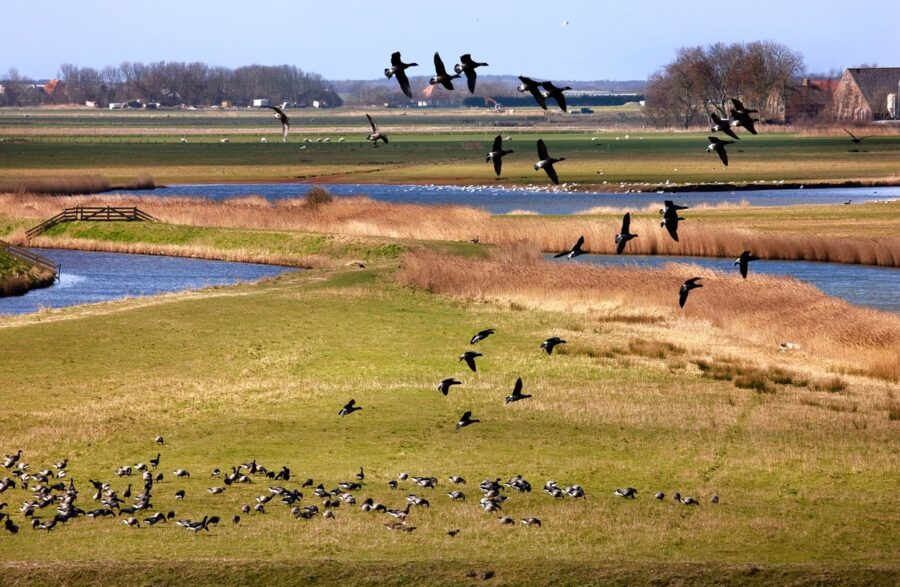
Birdwatching on Texel is some of the best in the Netherlands, especially during migration. Bring binoculars (at least 8x magnification) to spot rare birds on the tidal flats.
Ecomare rescues seals and seabirds, but you’ll see wild seals if you’re patient. A zoom lens (200mm or longer) beats your phone for wildlife photos every time.
Pack a Dutch bird field guide or download an ID app before you go. Cell signal drops in the reserves, so offline resources are a lifesaver when you’re staring at a mystery shorebird.
Wear neutral colors for wildlife watching. Bright clothes scare off birds and seals, so stick to earth tones for better luck.
Bikes and buses rule Texel. Most people pedal their way across the flat island, making the most of the cycling paths.
Texel’s not huge, but villages are far enough apart that walking everywhere gets old fast. You’ll want to plan your transport ahead of time.
Bicycle Rental and Maintenance
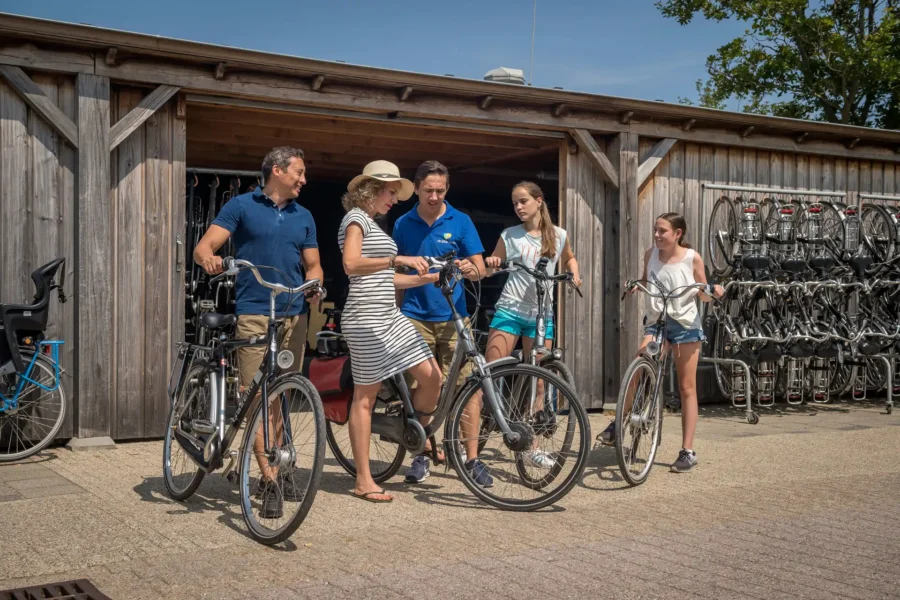
You’ll spot bike rental shops in every village, especially near the ferry at ’t Horntje. Expect to pay €10–15 a day for a standard bike, with discounts for longer rentals. Most shops want a deposit, usually €50–100, and you can pay with cash or card.
Electric bikes cost more, but they’re worth it for long rides or if the wind’s howling. Texel’s quiet roads make cycling super relaxing, unless you hit a brutal headwind in winter.
Throw a mini repair kit in your bag—tire levers, spare tube, mini pump. Rental shops sometimes include these, but you can’t always count on it.
Check your brakes and tire pressure before you head out. Salt air rusts chains fast, so if you’re around for more than a week, ask about a quick tune-up.
Public Transport and Bus Passes
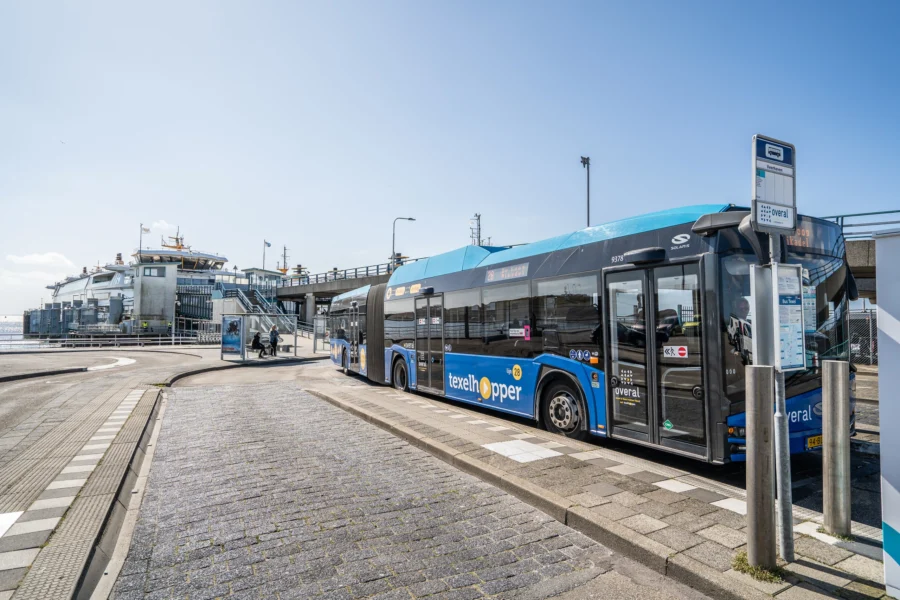
The Texelhopper system runs regular buses and bookable mini-buses connecting villages and beaches. Line 28 follows a fixed schedule, while mini-buses need booking through their app or website.
A day pass is about €6 and covers unlimited rides—worth it if you’re making more than a couple of trips. Single tickets cost around €2.50. Buy them from drivers or via the Texelhopper app.
Mini-buses are great for remote stays or hidden spots, but book at least an hour ahead in peak season—they fill up fast.
Buses run less often on Sundays and in winter. The last buses usually leave by 6 PM, so don’t get stranded if you’re relying on public transport for dinner plans.
Den Burg sits right in the middle of the island and acts as the main hub. You’ll find the best shopping, restaurants, and a weekly Monday market. It’s about 4 kilometers from the ferry.
De Koog, the beach resort town on the west coast, gets packed in summer. The bike ride from Den Burg takes about 20 minutes through beautiful dunes.
Oudeschild on the east side is famous for seafood and has a cute little harbor. It’s only 3 kilometers from Den Burg, so it’s an easy half-day trip.
Oosterend up north is quieter and feels more local. It’s got fewer tourists, but you’ll find some excellent breweries and farm shops tucked away.
Download an offline map before you go—signal drops in rural areas. The VVV tourist office in Den Burg hands out free paper maps with all the cycling routes and points of interest. Villages are well signposted, but those bike path junctions get confusing when you’re tired.
Packing Tips for Exploring Texel’s Villages and Attractions
Exploring Texel’s villages and quirky attractions means making smart packing choices that let you wander without fuss. You’ll want gear that shifts easily from museum browsing to lighthouse climbs, and keeps your hands free for fresh stroopwafels at the market.
Day Bags for Village Visits

Honestly, a compact crossbody or a small backpack is your best friend when you’re roaming Texel’s seven villages. Den Burg, the main town, has a market where you’ll want both hands to poke at local cheeses and crafts.
Definitely toss a reusable water bottle in your bag—there’s a lot of walking between shops and cafes. I always bring a lightweight rain jacket, even on sunny days. The weather’s fickle here.
Your bag just needs space for a slim wallet, your phone, and maybe a snack or two. Oudeschild, the harbor village, tempts you with fresh fish and treats, so a foldable shopping bag tucked inside is a lifesaver.
Don’t overpack. You’ll thank yourself later, especially if you’re cycling between villages or climbing rickety stairs in old buildings.
Visiting the Eierland Lighthouse and Museums

For the Eierland Lighthouse, closed-toe shoes with a decent grip are a must. The spiral stairs are no joke—you don’t want to slip in sandals.
Even in summer, it’s windy up top, so a light jacket is smart. The views? Worth every step. Make sure your camera or phone has room for photos because the panoramas from the platform are unreal.
Indoor spots like the Beachcombing Museum in De Cocksdorp call for layers you can peel off. Museums heat up, but the walk there might be chilly. If you’re the note-taking type, a tiny notepad fits in your pocket for jotting down odd facts.
Most museums frown on big bags, so that compact day bag comes in handy again.
Beachcombing and Nature Parks

Sturdy walking shoes or lightweight hiking boots are pretty much essential for Texel’s nature reserves. The ground goes from sandy to muddy depending on the weather, and you never really know what you’ll get.
If you’re into birds, pack binoculars. The wetlands pull in rare species you won’t spot elsewhere. I like to bring a tiny field guide to Dutch coastal plants and birds—adds a little something to the walks.
For beachcombing, a small mesh bag or container is great for collecting shells or sea glass. Just keep in mind some areas have rules about what you can take.
Sun protection is bigger here than people expect. The sea breeze tricks you, but UV rays don’t care. Sunscreen, a brimmed hat, and sunglasses should always be in your backpack, no matter the season.
Frequently Asked Questions
Planning a Texel trip always brings up practical questions, from what to wear to how locals dress. The island’s unpredictable weather and outdoor lifestyle make thoughtful packing a must.
What essential items should I include for a week’s stay on Texel Island?
A solid rain jacket is at the top of my list—Texel’s weather changes on a dime, even in summer. You’ll want comfortable walking shoes for all those trails and cycling paths crisscrossing the island.
Go for layers, not bulky stuff. A light sweater is perfect for those cool beach evenings.
Sunscreen is more important than you’d expect here. The breeze feels cool, but your skin still burns. Bring a reusable water bottle—you’ll end up walking or cycling way more than you thought.
And yes, bring your swimsuit, even if you’re coming in spring. The beaches just call to you, no matter the season.
How should I dress to blend in with local styles during spring and summer in Texel?
Locals on Texel keep it casual and practical. Expect lots of jeans with sweaters or light jackets, even when it’s warmish out.
Leave the fancy clothes at home. The vibe is all about comfy outdoor wear, not dressy outfits. You’ll see plenty of windbreakers since the wind can get wild any time of year.
Sneakers or walking shoes are the norm. Anything fancier feels out of place, and honestly, heels just don’t work on bike paths or sandy beaches.
Are there any specific clothing recommendations for exploring Texel’s outdoor activities?
Cycling clothes should be comfy, not skin-tight. You’ll spend hours on a bike exploring Texel’s different landscapes.
Moisture-wicking fabrics are great for hiking through dunes or wetlands. Cotton gets soggy fast if you sweat or hit misty patches. A hat helps, whether you’re battling sun or wind.
Water-resistant pants are a lifesaver for the Slufter wetlands—trails get muddy and regular jeans just stay damp forever.
Always bring an extra pair of socks in your daypack. Nothing ruins a beach walk or hike faster than wet feet.
What are the top suggestions for packing light yet being prepared when visiting Texel?
Pick versatile clothes that work for lots of situations. One solid jacket beats three flimsy ones any day.
Packing cubes keep your bag organized and let you cram more in. I always roll my clothes instead of folding—saves space, less wrinkling.
If you’re there a week, plan to do laundry mid-trip. Most places have washers, or you can hit up a laundromat.
Wear your bulkiest stuff while traveling to Texel. Hiking boots and your heaviest jacket shouldn’t hog space in your luggage.
Is there anything unique to Texel Island’s culture that I should consider packing?
Texel really leans into its cycling culture, so definitely bring or rent a bike lock. Locals generally respect your stuff, but you’ll want to lock up your rental bike when you stop at a café or maybe a museum.
The island takes sustainability pretty seriously. Toss a reusable shopping bag in your luggage for visiting the market in Den Burg—plastic bags just aren’t a thing there.
Binoculars can make a huge difference. Texel’s a hotspot for bird watching and seal spotting, and honestly, you’ll probably wish you had a pair when you see everyone else glued to their wildlife sightings.
Cash still gets you further on Texel than in Amsterdam. Some little beach pavilions and farm shops just prefer it, even though cards work in most places.
Book Your Dream Experience
More Travel Guides
Related Posts