

Shree Vishnumurthy Temple
About Shree Vishnumurthy Temple
Description
The Shree Vishnumurthy Temple stands as one of those sacred spaces where you can actually feel the weight of centuries pressing gently against your shoulders. This Hindu temple has become quite the draw for travelers who want more than just another tourist photo opportunity – it's a place where spirituality and architecture meet in ways that genuinely surprise visitors. Walking through the temple grounds, you'll notice how the structure itself tells stories through its design. The temple dedicated to Lord Vishnu carries that distinct South Indian architectural flavor, though it manages to feel intimate rather than overwhelming. And that's something I really appreciate about places like this – they don't need to shout to make an impression. What strikes most people who visit is the atmosphere of genuine devotion that permeates the space. This isn't one of those temples that's been overly commercialized or turned into a pure tourist trap. Sure, visitors come from all over, but the temple maintains its primary function as a active place of worship. You'll see locals performing their daily rituals alongside curious travelers, and somehow it all works. The temple complex rewards those who take their time exploring. There's an authenticity here that some of the more famous temples have lost over the years. The priests still perform traditional pujas with the same dedication their predecessors did, and the ritual chants echo off ancient stones in a way that's honestly quite moving, even if you don't understand the Sanskrit. One thing worth mentioning upfront – the temple doesn't have wheelchair accessible entrances, which is unfortunately common with older religious structures. It's something to consider if you're traveling with someone who has mobility challenges.Key Features
The Shree Vishnumurthy Temple offers several distinctive elements that make it worth including in your travel itinerary:- Architectural Heritage: The temple showcases traditional South Indian temple architecture with intricate stone carvings that have weathered decades of monsoons and sun. The craftsmanship on the pillars and walls demonstrates techniques that aren't commonly practiced anymore.
- Active Worship Center: Unlike some temples that feel more like museums, this remains a living, breathing center of Hindu worship. Daily rituals and pujas happen on schedule, giving visitors an authentic glimpse into Hindu religious practices.
- Peaceful Atmosphere: Despite receiving a steady stream of visitors, the temple manages to maintain a tranquil environment. The courtyards and inner sanctums offer quiet spaces for meditation or simple reflection.
- Traditional Festivals: The temple celebrates major Hindu festivals with genuine enthusiasm. During these times, the entire complex transforms with decorations, special ceremonies, and an energy that's infectious.
- Detailed Deity Sculptures: The main shrine housing Lord Vishnu features beautifully maintained sculptures. The attention to detail in the deity's adornments and the regular ceremonies performed show the care taken by the temple community.
- Local Community Connection: The temple serves as an important gathering point for the local community, which means visitors get to experience genuine cultural interactions rather than staged performances.
- Prayer Halls: Multiple spaces within the complex allow for personal prayer and meditation, each with its own character and purpose within the temple's spiritual ecosystem.
Best Time to Visit
Timing your visit to the Shree Vishnumurthy Temple can really make or break your experience, and I've learned this the hard way at other religious sites. The best months generally fall between October and March when the weather cooperates instead of trying to cook you alive. Temperatures during these months hover in that comfortable range where you can actually think about something other than seeking shade. The cooler mornings are particularly special – arriving around sunrise means you'll catch the temple at its most serene, with fewer crowds and softer light that does wonders for photography. But here's where it gets interesting. Festival times offer a completely different experience. Major celebrations like Vaikuntha Ekadashi or Janmashtami turn the temple into something extraordinary. The decorations, the special pujas, the sheer number of devotees – it's overwhelming in the best possible way. However, be prepared for crowds. And I mean serious crowds. If you're someone who gets anxious in packed spaces, maybe skip the major festivals. Early morning visits between 6 AM and 8 AM tend to be ideal for those seeking a more contemplative experience. The morning puja creates this atmosphere that's hard to describe – incense smoke curling upward, the rhythmic chanting, early light filtering through. It's worth setting your alarm for, trust me. Weekdays beat weekends hands down for crowd management. Saturdays especially can get packed with local devotees, which is wonderful for cultural immersion but less great if you want time to explore without being jostled. Avoid visiting during the peak afternoon hours between noon and 3 PM. The heat can be brutal, and many of the temple's stone surfaces practically radiate warmth. Plus, this is when tour groups often descend, and the peaceful atmosphere can get disrupted. The monsoon season brings its own charm if you don't mind occasional downpours. The temple grounds look refreshed, and there's something primal about experiencing a sacred space during a thunderstorm. Just check weather forecasts and bring appropriate rain gear.How to Get There
Getting to the Shree Vishnumurthy Temple requires a bit of planning, but it's definitely manageable even for travelers who don't speak the local language. Most visitors will find that hiring a local taxi or using ride-sharing apps offers the most straightforward approach. Drivers in the area generally know the temple well, so you won't need to provide detailed directions. Just make sure to have the temple name written in the local script on your phone – it saves confusion and time. If you're staying in the nearby city center, auto-rickshaws provide a more economical option. The journey typically takes anywhere from 20 to 45 minutes depending on traffic, and the ride itself offers glimpses of local life that you'd miss in a closed taxi. Do negotiate the fare beforehand or insist on using the meter to avoid the tourist markup that some drivers attempt. Public transportation exists, but honestly, it's not the most tourist-friendly option unless you're comfortable navigating local bus systems. The routes can be confusing, stops aren't always clearly marked in English, and you might end up taking the scenic route when you didn't plan on it. For the adventurous, renting a scooter or motorcycle gives you flexibility and the freedom to explore surrounding areas at your own pace. Just be aware that traffic patterns might be different from what you're used to back home. And by different, I mean potentially chaotic. Many hotels and guesthouses can arrange transportation to the temple, often at reasonable rates. This option works well if you're not comfortable negotiating with drivers or figuring out routes on your own. The temple doesn't have extensive parking facilities, so if you're driving yourself, arrive early to secure a spot. The narrow streets around the temple can get congested, especially during festival periods or weekends.Tips for Visiting
Making the most of your visit to the Shree Vishnumurthy Temple means understanding both the practical considerations and the cultural expectations. Here's what actually helps, based on what works rather than what guidebooks usually say. Dress conservatively – this isn't negotiable at Hindu temples. Cover your shoulders and knees at minimum. Loose, breathable fabrics work best given the climate. Many visitors wear traditional Indian clothing, which is perfectly acceptable and often appreciated by locals, though not required. Leave the tank tops and shorts at your hotel. You'll need to remove your shoes before entering the main temple areas. The shoe storage facilities provided are basic, so don't wear your most expensive footwear. Socks are allowed and actually recommended since the stone floors can get scorching hot during midday. Photography rules can be tricky. The outer areas of the temple complex usually permit photos, but the inner sanctum and main shrine often don't. Always ask permission before photographing priests or devotees engaged in worship. Some people appreciate it, others really don't, and you won't know which until you ask. Bring small denominations of local currency for donations and offerings. There's no mandatory fee for entering, but it's customary to make a small offering. Having exact change prevents awkward situations at the donation boxes. Silence your phone completely. Not vibrate – off or completely silent. The sounds of notifications echoing through a prayer hall are jarring for everyone, and you'll get some seriously annoyed looks from devotees trying to concentrate on their prayers. Accept prasad (blessed food offerings) with your right hand. If you have dietary restrictions or concerns, it's acceptable to politely decline, but if you do accept, eat at least a small portion as a sign of respect. Don't just pocket it and walk away. Be mindful of your positioning during prayers and ceremonies. Don't walk directly in front of people who are praying or block their view of the deity. Stay to the sides and move slowly and quietly through worship spaces. Women should be aware that some temple areas might have restrictions during certain times, which is traditional practice at some Hindu temples. This varies, so it's worth asking at the entrance if you're unsure. Hire a local guide if you want to really understand what you're seeing. The temple's history and the significance of various rituals aren't always obvious to outsiders. A knowledgeable guide transforms the visit from just looking at old buildings to understanding a living tradition. Stay hydrated but plan bathroom breaks carefully. Facilities near religious sites can be basic, so use your hotel bathroom before leaving. Carry a small bottle of hand sanitizer – you'll be glad you did. Respect the temple timings. Don't show up right before closing and expect to have time for a leisurely visit. Allow at least an hour to properly explore without rushing, though you could easily spend two or three hours if you're genuinely interested. Keep valuables secure and minimal. The temple itself is safe, but crowded areas anywhere in the world attract opportunistic theft. A small cross-body bag that stays in front of you works better than a backpack. Learn a few basic phrases in the local language. Even just knowing how to say hello and thank you creates more positive interactions with priests and other visitors. People appreciate the effort even if your pronunciation is terrible. Finally, approach the temple with openness and respect rather than treating it as just another checkbox on your itinerary. The Shree Vishnumurthy Temple offers something that goes beyond architectural interest or cultural tourism – it's a window into faith and tradition that continues to shape millions of lives. Whether you're spiritually inclined or not, that deserves acknowledgment and respect.Key Features
- Central Vishnumurthy stone idol estimated ~600 years old
- Intimate, village-temple atmosphere with active daily poojas
- Festivals: Krishna Janmashtami, Nagara Panchami and local sankramana observances
- Accessible location in Kulai, ~15 km north of central Mangaluru/Surathkal area
- Facilities updated for visitors (basic mantapa/hall for functions)
More Details
Updated March 30, 2026
Table of Contents
Description
The Shree Vishnumurthy Temple stands as one of those sacred spaces where you can actually feel the weight of centuries pressing gently against your shoulders. This Hindu temple has become quite the draw for travelers who want more than just another tourist photo opportunity – it’s a place where spirituality and architecture meet in ways that genuinely surprise visitors.
Walking through the temple grounds, you’ll notice how the structure itself tells stories through its design. The temple dedicated to Lord Vishnu carries that distinct South Indian architectural flavor, though it manages to feel intimate rather than overwhelming. And that’s something I really appreciate about places like this – they don’t need to shout to make an impression.
What strikes most people who visit is the atmosphere of genuine devotion that permeates the space. This isn’t one of those temples that’s been overly commercialized or turned into a pure tourist trap. Sure, visitors come from all over, but the temple maintains its primary function as a active place of worship. You’ll see locals performing their daily rituals alongside curious travelers, and somehow it all works.
The temple complex rewards those who take their time exploring. There’s an authenticity here that some of the more famous temples have lost over the years. The priests still perform traditional pujas with the same dedication their predecessors did, and the ritual chants echo off ancient stones in a way that’s honestly quite moving, even if you don’t understand the Sanskrit.
One thing worth mentioning upfront – the temple doesn’t have wheelchair accessible entrances, which is unfortunately common with older religious structures. It’s something to consider if you’re traveling with someone who has mobility challenges.
Key Features
The Shree Vishnumurthy Temple offers several distinctive elements that make it worth including in your travel itinerary:
- Architectural Heritage: The temple showcases traditional South Indian temple architecture with intricate stone carvings that have weathered decades of monsoons and sun. The craftsmanship on the pillars and walls demonstrates techniques that aren’t commonly practiced anymore.
- Active Worship Center: Unlike some temples that feel more like museums, this remains a living, breathing center of Hindu worship. Daily rituals and pujas happen on schedule, giving visitors an authentic glimpse into Hindu religious practices.
- Peaceful Atmosphere: Despite receiving a steady stream of visitors, the temple manages to maintain a tranquil environment. The courtyards and inner sanctums offer quiet spaces for meditation or simple reflection.
- Traditional Festivals: The temple celebrates major Hindu festivals with genuine enthusiasm. During these times, the entire complex transforms with decorations, special ceremonies, and an energy that’s infectious.
- Detailed Deity Sculptures: The main shrine housing Lord Vishnu features beautifully maintained sculptures. The attention to detail in the deity’s adornments and the regular ceremonies performed show the care taken by the temple community.
- Local Community Connection: The temple serves as an important gathering point for the local community, which means visitors get to experience genuine cultural interactions rather than staged performances.
- Prayer Halls: Multiple spaces within the complex allow for personal prayer and meditation, each with its own character and purpose within the temple’s spiritual ecosystem.
Best Time to Visit
Timing your visit to the Shree Vishnumurthy Temple can really make or break your experience, and I’ve learned this the hard way at other religious sites.
The best months generally fall between October and March when the weather cooperates instead of trying to cook you alive. Temperatures during these months hover in that comfortable range where you can actually think about something other than seeking shade. The cooler mornings are particularly special – arriving around sunrise means you’ll catch the temple at its most serene, with fewer crowds and softer light that does wonders for photography.
But here’s where it gets interesting. Festival times offer a completely different experience. Major celebrations like Vaikuntha Ekadashi or Janmashtami turn the temple into something extraordinary. The decorations, the special pujas, the sheer number of devotees – it’s overwhelming in the best possible way. However, be prepared for crowds. And I mean serious crowds. If you’re someone who gets anxious in packed spaces, maybe skip the major festivals.
Early morning visits between 6 AM and 8 AM tend to be ideal for those seeking a more contemplative experience. The morning puja creates this atmosphere that’s hard to describe – incense smoke curling upward, the rhythmic chanting, early light filtering through. It’s worth setting your alarm for, trust me.
Weekdays beat weekends hands down for crowd management. Saturdays especially can get packed with local devotees, which is wonderful for cultural immersion but less great if you want time to explore without being jostled.
Avoid visiting during the peak afternoon hours between noon and 3 PM. The heat can be brutal, and many of the temple’s stone surfaces practically radiate warmth. Plus, this is when tour groups often descend, and the peaceful atmosphere can get disrupted.
The monsoon season brings its own charm if you don’t mind occasional downpours. The temple grounds look refreshed, and there’s something primal about experiencing a sacred space during a thunderstorm. Just check weather forecasts and bring appropriate rain gear.
How to Get There
Getting to the Shree Vishnumurthy Temple requires a bit of planning, but it’s definitely manageable even for travelers who don’t speak the local language.
Most visitors will find that hiring a local taxi or using ride-sharing apps offers the most straightforward approach. Drivers in the area generally know the temple well, so you won’t need to provide detailed directions. Just make sure to have the temple name written in the local script on your phone – it saves confusion and time.
If you’re staying in the nearby city center, auto-rickshaws provide a more economical option. The journey typically takes anywhere from 20 to 45 minutes depending on traffic, and the ride itself offers glimpses of local life that you’d miss in a closed taxi. Do negotiate the fare beforehand or insist on using the meter to avoid the tourist markup that some drivers attempt.
Public transportation exists, but honestly, it’s not the most tourist-friendly option unless you’re comfortable navigating local bus systems. The routes can be confusing, stops aren’t always clearly marked in English, and you might end up taking the scenic route when you didn’t plan on it.
For the adventurous, renting a scooter or motorcycle gives you flexibility and the freedom to explore surrounding areas at your own pace. Just be aware that traffic patterns might be different from what you’re used to back home. And by different, I mean potentially chaotic.
Many hotels and guesthouses can arrange transportation to the temple, often at reasonable rates. This option works well if you’re not comfortable negotiating with drivers or figuring out routes on your own.
The temple doesn’t have extensive parking facilities, so if you’re driving yourself, arrive early to secure a spot. The narrow streets around the temple can get congested, especially during festival periods or weekends.
Tips for Visiting
Making the most of your visit to the Shree Vishnumurthy Temple means understanding both the practical considerations and the cultural expectations. Here’s what actually helps, based on what works rather than what guidebooks usually say.
Dress conservatively – this isn’t negotiable at Hindu temples. Cover your shoulders and knees at minimum. Loose, breathable fabrics work best given the climate. Many visitors wear traditional Indian clothing, which is perfectly acceptable and often appreciated by locals, though not required. Leave the tank tops and shorts at your hotel.
You’ll need to remove your shoes before entering the main temple areas. The shoe storage facilities provided are basic, so don’t wear your most expensive footwear. Socks are allowed and actually recommended since the stone floors can get scorching hot during midday.
Photography rules can be tricky. The outer areas of the temple complex usually permit photos, but the inner sanctum and main shrine often don’t. Always ask permission before photographing priests or devotees engaged in worship. Some people appreciate it, others really don’t, and you won’t know which until you ask.
Bring small denominations of local currency for donations and offerings. There’s no mandatory fee for entering, but it’s customary to make a small offering. Having exact change prevents awkward situations at the donation boxes.
Silence your phone completely. Not vibrate – off or completely silent. The sounds of notifications echoing through a prayer hall are jarring for everyone, and you’ll get some seriously annoyed looks from devotees trying to concentrate on their prayers.
Accept prasad (blessed food offerings) with your right hand. If you have dietary restrictions or concerns, it’s acceptable to politely decline, but if you do accept, eat at least a small portion as a sign of respect. Don’t just pocket it and walk away.
Be mindful of your positioning during prayers and ceremonies. Don’t walk directly in front of people who are praying or block their view of the deity. Stay to the sides and move slowly and quietly through worship spaces.
Women should be aware that some temple areas might have restrictions during certain times, which is traditional practice at some Hindu temples. This varies, so it’s worth asking at the entrance if you’re unsure.
Hire a local guide if you want to really understand what you’re seeing. The temple’s history and the significance of various rituals aren’t always obvious to outsiders. A knowledgeable guide transforms the visit from just looking at old buildings to understanding a living tradition.
Stay hydrated but plan bathroom breaks carefully. Facilities near religious sites can be basic, so use your hotel bathroom before leaving. Carry a small bottle of hand sanitizer – you’ll be glad you did.
Respect the temple timings. Don’t show up right before closing and expect to have time for a leisurely visit. Allow at least an hour to properly explore without rushing, though you could easily spend two or three hours if you’re genuinely interested.
Keep valuables secure and minimal. The temple itself is safe, but crowded areas anywhere in the world attract opportunistic theft. A small cross-body bag that stays in front of you works better than a backpack.
Learn a few basic phrases in the local language. Even just knowing how to say hello and thank you creates more positive interactions with priests and other visitors. People appreciate the effort even if your pronunciation is terrible.
Finally, approach the temple with openness and respect rather than treating it as just another checkbox on your itinerary. The Shree Vishnumurthy Temple offers something that goes beyond architectural interest or cultural tourism – it’s a window into faith and tradition that continues to shape millions of lives. Whether you’re spiritually inclined or not, that deserves acknowledgment and respect.
Key Highlights
- Central Vishnumurthy stone idol estimated ~600 years old
- Intimate, village-temple atmosphere with active daily poojas
- Festivals: Krishna Janmashtami, Nagara Panchami and local sankramana observances
- Accessible location in Kulai, ~15 km north of central Mangaluru/Surathkal area
- Facilities updated for visitors (basic mantapa/hall for functions)
Location
Places to Stay Near Shree Vishnumurthy Temple
Find and Book a Tour
Explore More Travel Guides
No reviews found! Be the first to review!
Shree Vishnumurthy Temple is a prominent attractions located in Mangaluru.
Visit us at: XR76+J22, Honne Katte, Kulai, Mangaluru, Karnataka 575011, India.
Traveler Reviews for Shree Vishnumurthy Temple
There are no reviews yet. Be the first one to write one.
Have you visited Shree Vishnumurthy Temple? Help other travelers by sharing your review.
Nearby Attractions
You Might Also Like
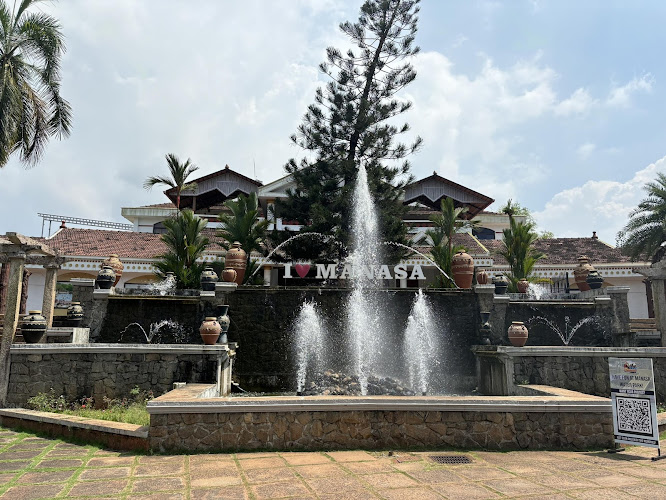
Manasa Water Park & Resorts

Sulthan Battheri

Tannirbhavi Beach
Find Accommodations Nearby
Recommended Tours & Activities
Visitor Reviews
There are no reviews yet. Be the first one to write one.
Share Your Experience
Have you visited Shree Vishnumurthy Temple? Help other travelers by leaving a review.