
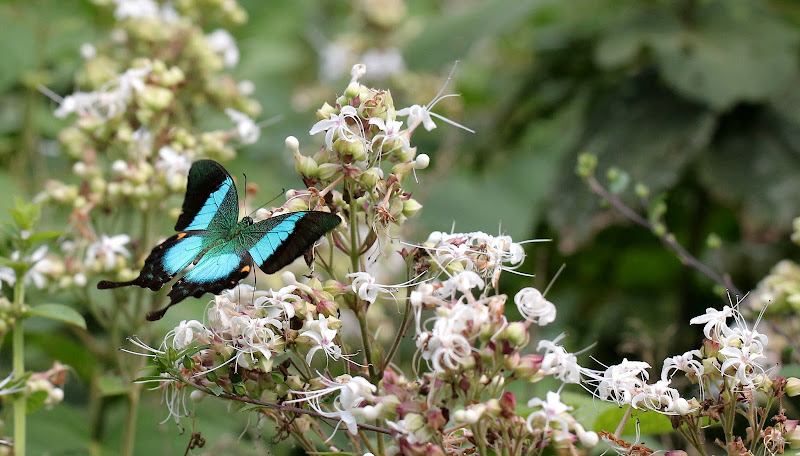
Sammilan Shetty’s Butterfly Park
About Sammilan Shetty’s Butterfly Park
Description
Sammilan Shetty's Butterfly Park offers something quite different from your typical enclosed butterfly exhibits. This is an unenclosed reserve where butterflies genuinely live their lives in the mountain foothills rather than being trapped behind glass walls for tourist entertainment. And honestly, that's what makes this place special - you're stepping into their world, not the other way around. The park spreads across natural habitats where numerous butterfly species flutter freely among indigenous plants and flowers. What struck me most when researching this location is how it maintains that delicate balance between being accessible to visitors while preserving the authentic environment these creatures need to thrive. You won't find artificial enclosures here trying to mimic nature. This IS nature, just with pathways carved through it so humans can observe without disturbing too much. Located in the foothills, the terrain itself adds to the experience. The slight elevation changes and natural vegetation create microclimates that different butterfly species prefer, meaning you'll encounter variety as you walk through different sections. Some visitors might expect a more controlled, zoo-like experience, but that's missing the point entirely. This park invites you to slow down, observe carefully, and appreciate these delicate insects in conditions that actually support their natural behaviors. The management has done thoughtful work making this space accessible to various visitors while keeping the natural character intact. It's designed for families, nature enthusiasts, photographers, and anyone seeking a peaceful few hours surrounded by beauty that doesn't require a screen or an admission ticket to a crowded theme park.Key Features
The park distinguishes itself through several practical and experiential elements that travelers should know before visiting: • Completely unenclosed design allowing butterflies to exist in their natural mountain foothill habitat without barriers or artificial containment • Multiple butterfly species living among indigenous plant life specifically chosen to support their lifecycle requirements • Wheelchair accessible entrance and parking facilities making nature observation possible for visitors with mobility considerations • Designated seating areas throughout the property where guests can rest and observe butterfly activity without rushing through • Free parking available on-site eliminating one of those annoying hidden costs that seem to pop up everywhere these days • Public restroom facilities addressing basic visitor needs during extended visits • Dog-friendly areas allowing pet owners to include their four-legged companions in the experience • Google Pay acceptance for admission and any purchases making transactions simple for digital-first travelers • Photography opportunities throughout the preserve capturing butterflies in authentic settings rather than staged environments • Educational value for children learning about ecosystems, insect lifecycles, and conservation in a hands-on outdoor setting rather than from textbooks • Peaceful walking paths winding through foothills terrain offering gentle exercise combined with nature observation • Seasonal variation in butterfly populations providing different experiences depending on when you visit throughout the yearBest Time to Visit
Timing matters significantly when planning your visit to Sammilan Shetty's Butterfly Park, and not just because of weather considerations. Butterfly activity depends heavily on temperature, sunlight, and seasonal patterns that affect their breeding and feeding behaviors. The ideal time of day falls between mid-morning and early afternoon, roughly 10 AM to 3 PM. Butterflies are cold-blooded creatures who need sunlight to warm their flight muscles before becoming active. Visit too early and you'll see them resting on leaves waiting for temperatures to rise. Late afternoon brings reduced activity as they prepare for evening rest. But during those peak midday hours? That's when you'll witness the most movement, feeding activity, and those magical moments where dozens of butterflies might be visible simultaneously. Season-wise, the monsoon aftermath and winter months typically bring increased butterfly populations in this region. The rains rejuvenate plant life, providing abundant nectar sources and fresh foliage for caterpillars. However, you'll want to avoid visiting during actual downpours since butterflies seek shelter and won't be visible. Post-monsoon periods offer that sweet spot where everything is lush and green but the weather has cleared enough for insect activity to resume. Weekday visits generally provide a more tranquil experience compared to weekends when local families and tourist groups tend to arrive. If you're serious about photography or simply prefer observing nature without crowds, schedule your trip for a Tuesday or Wednesday morning. The park sees its heaviest traffic on Sundays and public holidays, which isn't necessarily bad but changes the atmosphere from peaceful retreat to busier attraction. Temperature matters too. Extremely hot days can actually reduce butterfly activity as much as cold ones, since many species seek shade when temperatures climb too high. Those pleasant days hovering around 25-30 degrees Celsius create optimal conditions for both butterfly activity and human comfort during walking. Getting tickets in advance is recommended according to the park's planning information, which suggests they may limit daily visitor numbers to protect the habitat. Don't just show up expecting entry, especially during peak tourist seasons or holiday periods.How to Get There
Reaching Sammilan Shetty's Butterfly Park requires some planning since it sits in the mountain foothills rather than in an urban center with abundant public transport. Most visitors arrive by private vehicle, which makes sense given the free on-site parking available. If you're driving, GPS navigation works reliably for locating the entrance, though some visitors note that the final approach involves roads that might be narrower than major highways. Nothing too challenging, but worth mentioning if you're not comfortable with typical rural Indian road conditions. The journey itself offers scenic views as you move into foothill terrain, so factor in some extra time for the drive to be part of the experience rather than just transportation. For travelers relying on public transport, the situation gets trickier. You'll likely need to arrange private taxi service from the nearest major town or city, since regular bus routes don't typically service nature preserves located outside main settlements. Local auto-rickshaws might negotiate trips to the park, though you should arrange return transport as well since finding one waiting at a nature reserve isn't guaranteed. Many visitors combine the butterfly park with other regional attractions, making it part of a day trip itinerary rather than a standalone destination. This approach makes transport logistics more efficient, splitting taxi costs across multiple stops. Tour operators in nearby cities sometimes include the park in nature-focused circuits, which solves the transport puzzle for independent travelers. The wheelchair accessible parking and entrance mean visitors with mobility devices can access the property without navigating stairs or steep approaches immediately upon arrival. However, checking current path conditions before visiting would be wise, since natural terrain can shift with weather and seasons.Tips for Visiting
Getting the most from your visit requires understanding both butterfly behavior and practical realities of exploring a nature preserve in foothill terrain. Wear appropriate footwear - proper walking shoes rather than sandals or flip-flops. You're walking through natural habitats with uneven ground, possible mud after rains, and paths that might include loose stones. Comfort matters when you're spending hours on your feet observing insects that don't keep to predictable viewing schedules. Bring water and light snacks. While the park has basic amenities, you won't find a cafe serving refreshments every fifty meters like at commercial tourist sites. Staying hydrated becomes particularly important during warmer weather when you're walking in open sunlight. Apply sunscreen and consider bringing a hat. The unenclosed nature of the reserve means you're exposed to direct sunlight throughout much of your visit. Mountain foothill locations can deceive people about sun intensity - the pleasant breeze makes it feel cooler than it is, but UV exposure remains significant. Camera equipment deserves thought. While smartphones capture decent butterfly images, a camera with macro capabilities and reasonable zoom will dramatically improve your photography results. Butterflies often perch just out of arm's reach, and being able to zoom without physically approaching prevents disturbing them. Patience matters more than expensive gear though - waiting for butterflies to come to you produces better images than chasing them. Move slowly and deliberately through the park. Butterflies startle easily, and rushing through defeats the purpose entirely. This isn't an attraction you "do" and check off a list. It's an experience requiring observation, patience, and willingness to stand still while nature happens around you. Children benefit from preparation before visiting. Explaining what to expect, how to observe without touching, and why patience matters helps them engage appropriately rather than getting bored or frustrated when butterflies don't cooperate with their expectations. The park is genuinely good for kids, but works best when they understand they're guests in butterfly territory. Check weather forecasts before committing to your visit date. Rain doesn't just make the experience less pleasant - it essentially cancels butterfly activity altogether. Having flexibility in your schedule allows rescheduling if conditions look poor. The dog park notation suggests portions accommodate pets, but verify current policies before bringing dogs. Even dog-friendly nature areas often have restrictions about where animals can go to protect wildlife habitats. Leave bright colored clothing at home if you're serious about observation. Butterflies may investigate bold colors expecting flowers, which sounds charming until they're constantly landing on you rather than displaying natural behaviors you came to observe. Neutral earth tones help you blend into the environment. Respect the unenclosed nature of the reserve. These aren't captive butterflies performing for your entertainment. They're wild creatures living in preserved habitat. That means accepting you might visit on a day when butterfly activity is lower than hoped, understanding that's just how nature works sometimes.Key Features
- Open-air, habitat-focused butterfly reserve (not an enclosed exhibit)
- Native host and nectar plantings that attract 100+ regional butterfly species
- Guided/registered visits that include informative local interpretation
- Scenic foothill setting of the Western Ghats with shaded walking paths
- Strong local conservation and community outreach focus
More Details
Updated March 30, 2026
Table of Contents
Description
Sammilan Shetty’s Butterfly Park offers something quite different from your typical enclosed butterfly exhibits. This is an unenclosed reserve where butterflies genuinely live their lives in the mountain foothills rather than being trapped behind glass walls for tourist entertainment. And honestly, that’s what makes this place special – you’re stepping into their world, not the other way around.
The park spreads across natural habitats where numerous butterfly species flutter freely among indigenous plants and flowers. What struck me most when researching this location is how it maintains that delicate balance between being accessible to visitors while preserving the authentic environment these creatures need to thrive. You won’t find artificial enclosures here trying to mimic nature. This IS nature, just with pathways carved through it so humans can observe without disturbing too much.
Located in the foothills, the terrain itself adds to the experience. The slight elevation changes and natural vegetation create microclimates that different butterfly species prefer, meaning you’ll encounter variety as you walk through different sections. Some visitors might expect a more controlled, zoo-like experience, but that’s missing the point entirely. This park invites you to slow down, observe carefully, and appreciate these delicate insects in conditions that actually support their natural behaviors.
The management has done thoughtful work making this space accessible to various visitors while keeping the natural character intact. It’s designed for families, nature enthusiasts, photographers, and anyone seeking a peaceful few hours surrounded by beauty that doesn’t require a screen or an admission ticket to a crowded theme park.
Key Features
The park distinguishes itself through several practical and experiential elements that travelers should know before visiting:
• Completely unenclosed design allowing butterflies to exist in their natural mountain foothill habitat without barriers or artificial containment
• Multiple butterfly species living among indigenous plant life specifically chosen to support their lifecycle requirements
• Wheelchair accessible entrance and parking facilities making nature observation possible for visitors with mobility considerations
• Designated seating areas throughout the property where guests can rest and observe butterfly activity without rushing through
• Free parking available on-site eliminating one of those annoying hidden costs that seem to pop up everywhere these days
• Public restroom facilities addressing basic visitor needs during extended visits
• Dog-friendly areas allowing pet owners to include their four-legged companions in the experience
• Google Pay acceptance for admission and any purchases making transactions simple for digital-first travelers
• Photography opportunities throughout the preserve capturing butterflies in authentic settings rather than staged environments
• Educational value for children learning about ecosystems, insect lifecycles, and conservation in a hands-on outdoor setting rather than from textbooks
• Peaceful walking paths winding through foothills terrain offering gentle exercise combined with nature observation
• Seasonal variation in butterfly populations providing different experiences depending on when you visit throughout the year
Best Time to Visit
Timing matters significantly when planning your visit to Sammilan Shetty’s Butterfly Park, and not just because of weather considerations. Butterfly activity depends heavily on temperature, sunlight, and seasonal patterns that affect their breeding and feeding behaviors.
The ideal time of day falls between mid-morning and early afternoon, roughly 10 AM to 3 PM. Butterflies are cold-blooded creatures who need sunlight to warm their flight muscles before becoming active. Visit too early and you’ll see them resting on leaves waiting for temperatures to rise. Late afternoon brings reduced activity as they prepare for evening rest. But during those peak midday hours? That’s when you’ll witness the most movement, feeding activity, and those magical moments where dozens of butterflies might be visible simultaneously.
Season-wise, the monsoon aftermath and winter months typically bring increased butterfly populations in this region. The rains rejuvenate plant life, providing abundant nectar sources and fresh foliage for caterpillars. However, you’ll want to avoid visiting during actual downpours since butterflies seek shelter and won’t be visible. Post-monsoon periods offer that sweet spot where everything is lush and green but the weather has cleared enough for insect activity to resume.
Weekday visits generally provide a more tranquil experience compared to weekends when local families and tourist groups tend to arrive. If you’re serious about photography or simply prefer observing nature without crowds, schedule your trip for a Tuesday or Wednesday morning. The park sees its heaviest traffic on Sundays and public holidays, which isn’t necessarily bad but changes the atmosphere from peaceful retreat to busier attraction.
Temperature matters too. Extremely hot days can actually reduce butterfly activity as much as cold ones, since many species seek shade when temperatures climb too high. Those pleasant days hovering around 25-30 degrees Celsius create optimal conditions for both butterfly activity and human comfort during walking.
Getting tickets in advance is recommended according to the park’s planning information, which suggests they may limit daily visitor numbers to protect the habitat. Don’t just show up expecting entry, especially during peak tourist seasons or holiday periods.
How to Get There
Reaching Sammilan Shetty’s Butterfly Park requires some planning since it sits in the mountain foothills rather than in an urban center with abundant public transport. Most visitors arrive by private vehicle, which makes sense given the free on-site parking available.
If you’re driving, GPS navigation works reliably for locating the entrance, though some visitors note that the final approach involves roads that might be narrower than major highways. Nothing too challenging, but worth mentioning if you’re not comfortable with typical rural Indian road conditions. The journey itself offers scenic views as you move into foothill terrain, so factor in some extra time for the drive to be part of the experience rather than just transportation.
For travelers relying on public transport, the situation gets trickier. You’ll likely need to arrange private taxi service from the nearest major town or city, since regular bus routes don’t typically service nature preserves located outside main settlements. Local auto-rickshaws might negotiate trips to the park, though you should arrange return transport as well since finding one waiting at a nature reserve isn’t guaranteed.
Many visitors combine the butterfly park with other regional attractions, making it part of a day trip itinerary rather than a standalone destination. This approach makes transport logistics more efficient, splitting taxi costs across multiple stops. Tour operators in nearby cities sometimes include the park in nature-focused circuits, which solves the transport puzzle for independent travelers.
The wheelchair accessible parking and entrance mean visitors with mobility devices can access the property without navigating stairs or steep approaches immediately upon arrival. However, checking current path conditions before visiting would be wise, since natural terrain can shift with weather and seasons.
Tips for Visiting
Getting the most from your visit requires understanding both butterfly behavior and practical realities of exploring a nature preserve in foothill terrain.
Wear appropriate footwear – proper walking shoes rather than sandals or flip-flops. You’re walking through natural habitats with uneven ground, possible mud after rains, and paths that might include loose stones. Comfort matters when you’re spending hours on your feet observing insects that don’t keep to predictable viewing schedules.
Bring water and light snacks. While the park has basic amenities, you won’t find a cafe serving refreshments every fifty meters like at commercial tourist sites. Staying hydrated becomes particularly important during warmer weather when you’re walking in open sunlight.
Apply sunscreen and consider bringing a hat. The unenclosed nature of the reserve means you’re exposed to direct sunlight throughout much of your visit. Mountain foothill locations can deceive people about sun intensity – the pleasant breeze makes it feel cooler than it is, but UV exposure remains significant.
Camera equipment deserves thought. While smartphones capture decent butterfly images, a camera with macro capabilities and reasonable zoom will dramatically improve your photography results. Butterflies often perch just out of arm’s reach, and being able to zoom without physically approaching prevents disturbing them. Patience matters more than expensive gear though – waiting for butterflies to come to you produces better images than chasing them.
Move slowly and deliberately through the park. Butterflies startle easily, and rushing through defeats the purpose entirely. This isn’t an attraction you “do” and check off a list. It’s an experience requiring observation, patience, and willingness to stand still while nature happens around you.
Children benefit from preparation before visiting. Explaining what to expect, how to observe without touching, and why patience matters helps them engage appropriately rather than getting bored or frustrated when butterflies don’t cooperate with their expectations. The park is genuinely good for kids, but works best when they understand they’re guests in butterfly territory.
Check weather forecasts before committing to your visit date. Rain doesn’t just make the experience less pleasant – it essentially cancels butterfly activity altogether. Having flexibility in your schedule allows rescheduling if conditions look poor.
The dog park notation suggests portions accommodate pets, but verify current policies before bringing dogs. Even dog-friendly nature areas often have restrictions about where animals can go to protect wildlife habitats.
Leave bright colored clothing at home if you’re serious about observation. Butterflies may investigate bold colors expecting flowers, which sounds charming until they’re constantly landing on you rather than displaying natural behaviors you came to observe. Neutral earth tones help you blend into the environment.
Respect the unenclosed nature of the reserve. These aren’t captive butterflies performing for your entertainment. They’re wild creatures living in preserved habitat. That means accepting you might visit on a day when butterfly activity is lower than hoped, understanding that’s just how nature works sometimes.
Key Highlights
- Open-air, habitat-focused butterfly reserve (not an enclosed exhibit)
- Native host and nectar plantings that attract 100+ regional butterfly species
- Guided/registered visits that include informative local interpretation
- Scenic foothill setting of the Western Ghats with shaded walking paths
- Strong local conservation and community outreach focus
Location
Places to Stay Near Sammilan Shetty's Butterfly Park
Find and Book a Tour
Explore More Travel Guides
No reviews found! Be the first to review!
Sammilan Shetty’s Butterfly Park is a prominent attractions located in Beluvai.
Visit us at: Santhadi house NH-169 Butterfly Park Road Mangalore, Beluvai, Karnataka 574213, India.
Traveler Reviews for Sammilan Shetty’s Butterfly Park
There are no reviews yet. Be the first one to write one.
Have you visited Sammilan Shetty’s Butterfly Park? Help other travelers by sharing your review.
Nearby Attractions
Find Accommodations Nearby
Recommended Tours & Activities
Visitor Reviews
There are no reviews yet. Be the first one to write one.
Share Your Experience
Have you visited Sammilan Shetty’s Butterfly Park? Help other travelers by leaving a review.