Where to Stay in Jeju Island: 7 Best Areas & Top Hotels for Every Budget
Updated December 19, 2025
Choosing where to stay on Jeju Island can feel like a puzzle. Each area has its own energy, attractions, and price points—your choice really shapes your whole trip. The best place to stay in Jeju depends on what you want: the city pace of Jeju City, ocean views in Seogwipo, sunrise moments near Seongsan, or laid-back beaches in Aewol.
Here’s a clear, no-nonsense breakdown of Jeju’s main areas. You’ll see what fits your travel style and budget, plus a handful of solid hotel picks. I’ve spent time crisscrossing these neighborhoods—some are perfect for a quick escape, others for longer, slower stays.
Table of Contents
- Key Takeaways
- How to Choose Where to Stay on Jeju Island
- Jeju Island Geography & Distances
- Transportation and Getting Around
- What Type of Traveler Are You?
- Jeju City: Best for First-Timers and Convenience
- Neighborhoods: Shin-Jeju & Old Jeju City
- Top Hotels in Jeju City
- Markets, Food & Nightlife
- Seogwipo City: For Waterfalls, Outdoor Lovers & Local Charm
- Iconic Sights & Things to Do
- Where to Stay in Seogwipo City
- Best Markets & Food Streets
- Jungmun: The Resort Area for Families & Relaxation
- Jungmun Tourist Complex Overview
- Highlights: Jungmun Beach & Attractions
- Best Hotels & Resorts in Jungmun
- Seongsan & the East: For Sunrise, Nature, and Quiet Escapes
- Highlights: Seongsan Ilchulbong & Udo Island
- Staying in Seongsan or Southeast Jeju
- Best Hotels in the East
- Aewol & Northwest Jeju: Coastal Cafés, Views & Hidden Gems
- Beaches: Hyeopjae & Gwakji
- Where to Stay in Aewol
- Nature & Outdoor Experiences
- Top Activities and Experiences Near Your Stay
- Olle Walking Trails & Scenic Routes
- Must-Visit Attractions by Region
- Suggestions for Different Types of Travelers
- Tips for Making the Most of Your Accommodation
- Frequently Asked Questions
- What are the top recommended areas for first-time visitors to stay in Jeju Island?
- Which places in Jeju Island offer the best accommodation options during the winter season?
- How to find the best places to stay in Jeju Island without a car?
- Could you compare the advantages of staying in Jeju City versus Seogwipo for tourists?
- Are there any particular months that should be avoided when planning a stay in Jeju Island?
- What are some lesser-known lodging gems in Jeju Island for an authentic experience?
- Book Your Dream Experience
- More Travel Guides
Key Takeaways
- Each Jeju area offers a distinct vibe and tempo.
- This guide helps you match neighborhoods to your travel style and wallet.
- Straightforward hotel picks save you time and hassle.
How to Choose Where to Stay on Jeju Island

Where you stay on Jeju really matters. The island’s bigger than it seems, and getting around isn’t always quick. What looks close on a map might take an hour’s drive, and sometimes the “out of the way” spot is exactly what you need.
Jeju Island Geography & Distances
Jeju stretches about 75 km across—so crossing it can easily eat up an hour or more. It’s shaped like an oval, with Jeju City in the north and Seogwipo City in the south. Most folks land at Jeju International Airport just outside Jeju City, making it the most logical base for quick trips.
The island divides into west, east, and south. The west—Aewol and Hallim—is mellow, with beach cafés everywhere. The east, anchored by Seongsan Ilchulbong Peak, draws sunrise chasers. The south, near Jungmun and Seogwipo, is all about waterfalls and resorts.
If you want to roam, staying near Jeju City or somewhere central cuts down on drive times. But if you’re chasing quiet beaches or nature, heading further out pays off.
Transportation and Getting Around
Driving is the simplest way to explore Jeju. Buses connect the main towns, but they’re slow and transfers can drag out your day. Renting a car at the airport is usually the move if you want to see more than just one area. I’d check car rental rates and flights through KAYAK before booking.
Taxis are easy to find in Jeju City, but longer rides add up. Some folks use tour buses—they’re fun for specific routes, but not great if you like to wander or change plans.
Traffic in Jeju City can snarl up on weekends and holidays. If you’re on a tight schedule, flights booked through cheap flight tickets can help you catch early ferries or day tours without stress.
What Type of Traveler Are You?
Your style should shape your choice. Jeju City works if you like food markets, nightlife, and being close to the airport. For resort comforts and beach strolls, Jungmun Tourist Complex makes sense.
If you’re into hiking and hopping to smaller islands, Seongsan is a good call. Families often pick Seogwipo for its parks, waterfalls, and easy drives to sights. Budget travelers do well in Hamdeok or Aewol, where guesthouses and beach cafés are everywhere.
Figure out your top priority: do you want to explore, or just chill in one spot? Once you know, the right part of Jeju stands out.
Jeju City: Best for First-Timers and Convenience
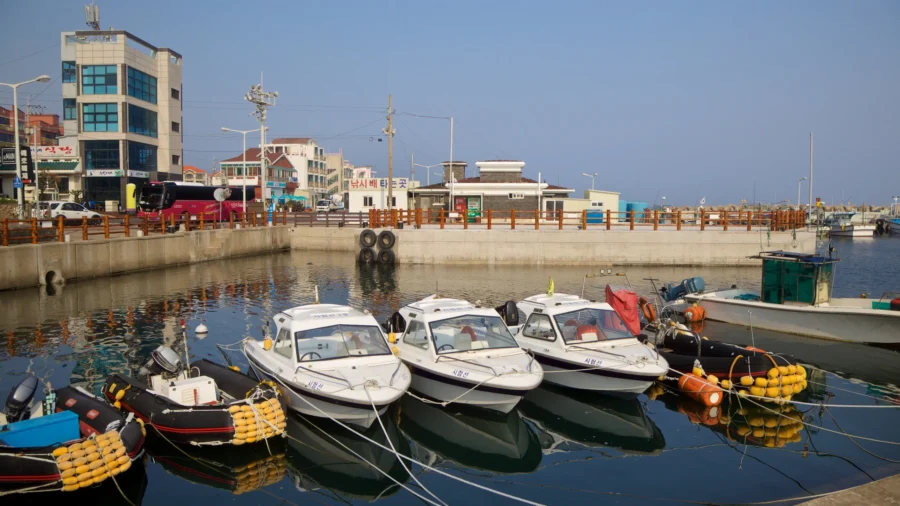
Jeju City keeps things simple. You’re right by the airport, major attractions, and a ton of restaurants and markets—plus you still get that island vibe. It’s the most practical base if you want to spend more time out and less time in transit.
Neighborhoods: Shin-Jeju & Old Jeju City
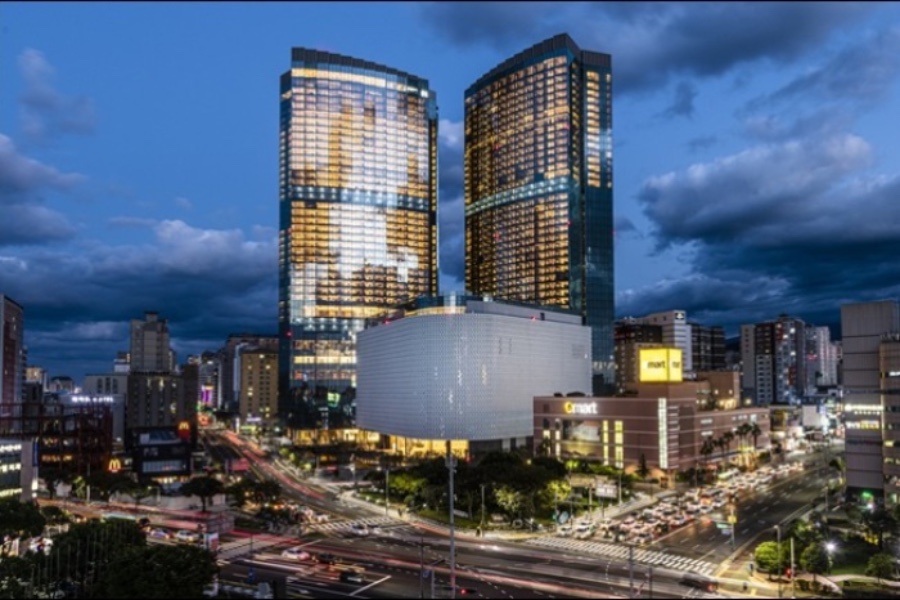
Shin‑Jeju sits about ten minutes from Jeju International Airport. It’s the modern, business-like part of town—full of cafés, BBQ joints, and convenience stores that never seem to close. The Jeju Dream Tower stands out, and you’ll see big hotels like Grand Hyatt Jeju and LOTTE City Hotel. If you want comfort and easy transport, start here.
Old Jeju City hugs the port and feels more lived-in, a bit rough around the edges. It’s close to Dongmun Traditional Market, Yongduam Rock, and the ferry terminal. Streets are walkable, packed with noodle shops and seafood stalls. It’s less polished, but if you like seeing daily life, you’ll find it more interesting than Shin‑Jeju.
| Area | Vibe | Best for |
|---|---|---|
| Shin‑Jeju | Modern & convenient | Business trips, short stays |
| Old Jeju City | Local & coastal | Food lovers, budget travelers |
Top Hotels in Jeju City
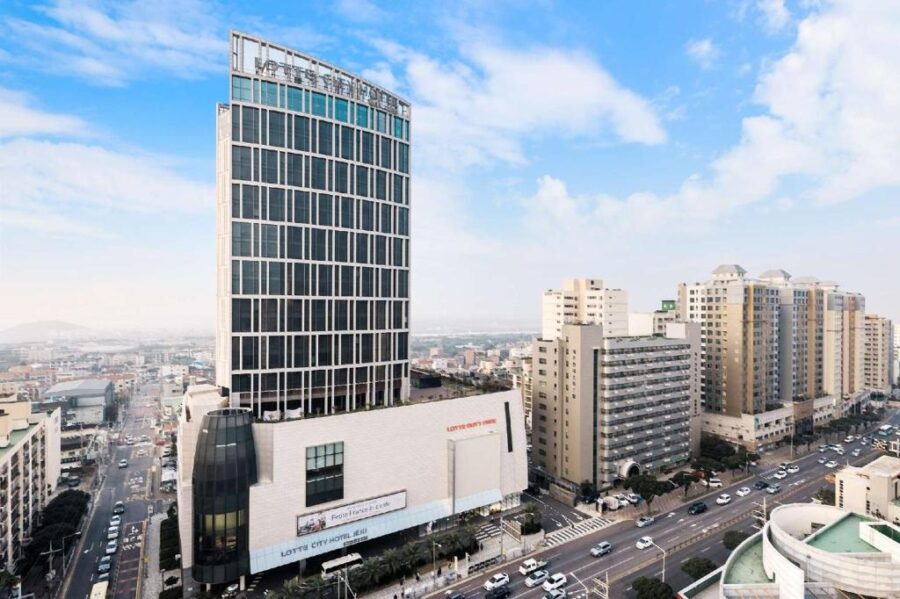
Most first-timers stick to Shin‑Jeju for the sheer range of options. LOTTE City Hotel is a reliable pick—clean rooms, solid breakfasts, some with sea views. For something a bit more stylish but still close to the airport, try Hotel Sirius or Astar Hotel—both offer good value.
If you want high-end, Grand Hyatt Jeju inside the Dream Tower feels both flashy and polished, with huge pools and several restaurants. In Old Jeju, Hotel Regent Marine The Blue and Hotel Whistlelark are affordable seaside picks close to the markets. You can check prices for all these on Expedia.
Markets, Food & Nightlife
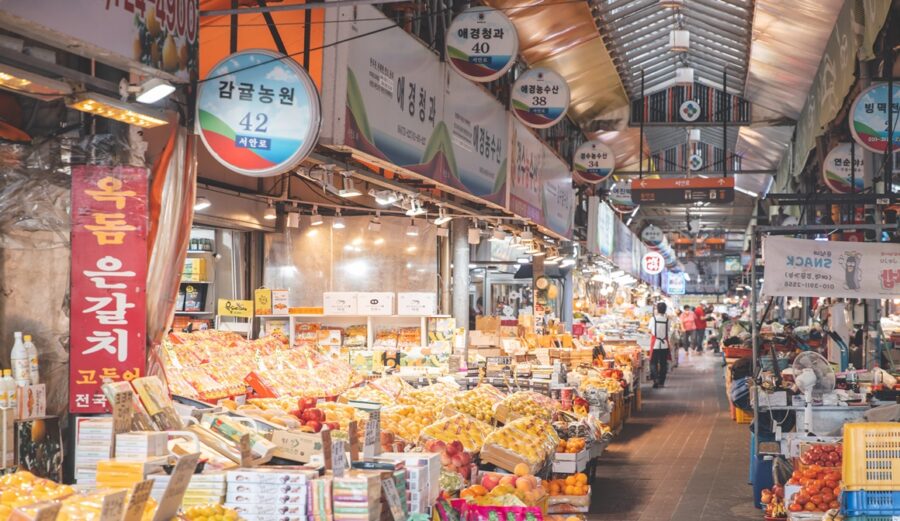
You won’t have trouble finding good food in Jeju City. Dongmun Market is the classic spot for snacks—tangerine chocolate, fish cakes, fresh sashimi. It’s busy, but that’s part of the charm. If you venture down the alleys, you’ll find cheap bowls of abalone porridge or gogi‑guksu (pork noodle soup).
In Shin‑Jeju, most of the action is along the main drag near Halla Arboretum—BBQ joints, cafés, karaoke bars, beer halls, and dessert spots open late. It’s bright, new, and perfect for casual nights out.
Old Jeju winds down earlier, but you can still grab soju by the water or listen to waves on your walk back. The nightlife isn’t wild, but it’s easygoing and satisfying—great if you like a mix of convenience and a slower island rhythm.
Seogwipo City: For Waterfalls, Outdoor Lovers & Local Charm
Seogwipo City on Jeju’s southern coast mixes dramatic scenery with a slower, coastal pace. Expect cliffs shaped by old lava flows, trails under camellia trees, and seafood that’s as fresh as it gets. Most of what you’ll want to do here is outdoors—long walks, salty air, and evenings at bustling markets.
Iconic Sights & Things to Do
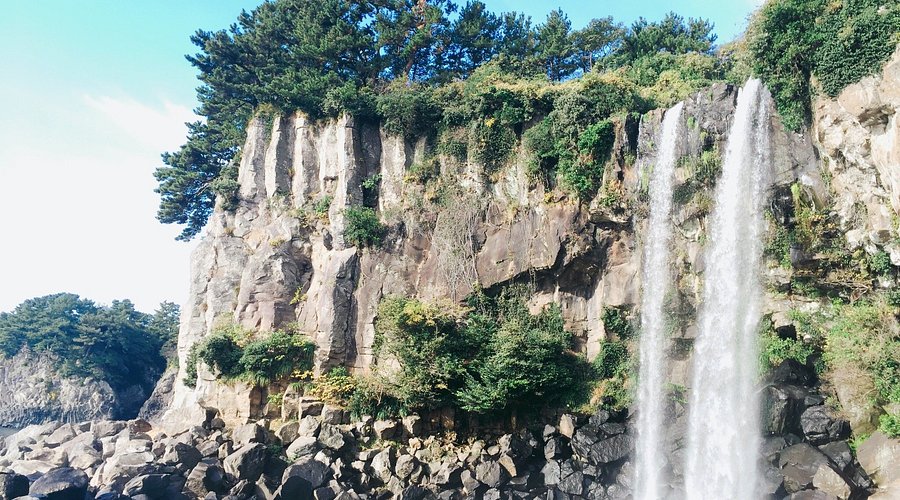
Waterfalls are the main draw here. Jeongbang Waterfall plunges right into the sea—a rare sight, and honestly, it’s worth seeing in person. Cheonjiyeon Waterfall sits a short walk inland, surrounded by subtropical plants that keep things cool even on hot days.
For quieter views, the walk to Oedolgae Rock (that lone sea stack) is short and scenic—locals come at sunset with snacks and cameras. If you want something a bit different, Soesokkak Estuary is great for kayaking between cliffs and calm waters.
Seogwipo also works as a base for hiking Hallasan National Park’s southern trails. You can easily fill a day with volcano hikes and lazy coastal drives without ever feeling rushed.
Where to Stay in Seogwipo City
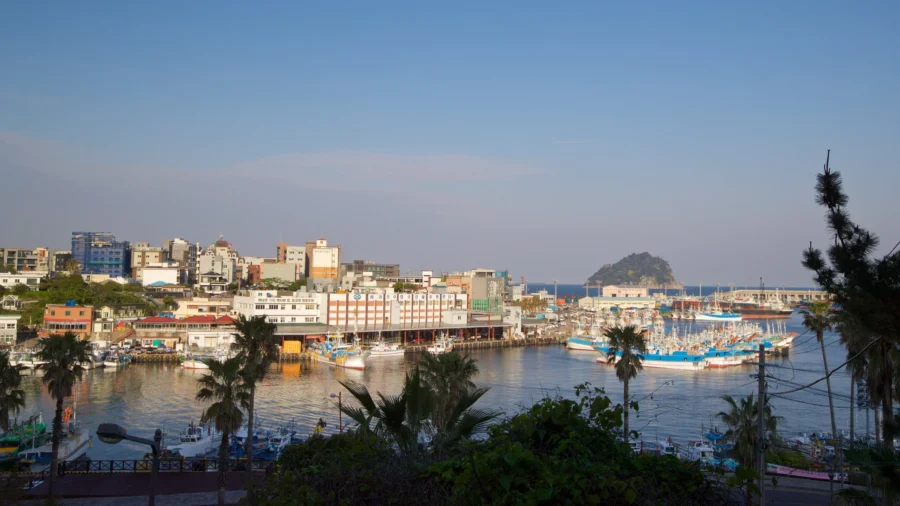
Most people pick between downtown Seogwipo and the Jungmun resort area. Downtown puts you near the markets, small restaurants, and bus stops. There’s a good range of guesthouses, casual hotels, and ocean-view lodges—Hotel Bridge Seogwipo is a solid midrange choice near the port, with sea balconies and breakfast buffets (heavy on Jeju tangerine juice).
Jungmun Tourist Complex, about fifteen minutes west, is more for resort fans. You’ll get big pools, spas, and family-friendly amenities, but lose some of the local flavor.
To compare options or check prices, use this booking site. Renting a car makes life easier since the main sights are spread out.
Best Markets & Food Streets
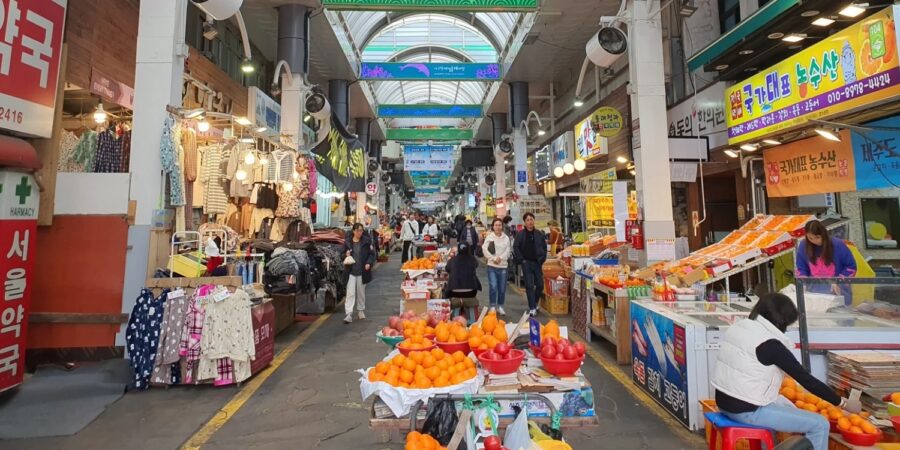
Seogwipo Maeil Olle Market is the beating heart of local food. Try grilled mackerel, jeonbok juk (abalone porridge), or spicy tteokbokki with a hint of tangerine—sweet, salty, and spicy in one bite. The place buzzes in the early evening when fishermen sell their daily catch next to fruit stands.
Nearby alleys are lined with black pork barbecue restaurants—many let you grill right at your table, and the smoky aroma lingers outside. For dessert, hunt down hallabong ice cream stalls near the harbor. It’s floral, refreshing, and a nice finish after waterfall hikes.
Markets here stay open late, so take your time with dinner and people-watching—it’s part of Seogwipo’s everyday scene.
Jungmun: The Resort Area for Families & Relaxation
Jungmun in Seogwipo is Jeju’s main resort district, packed with beaches, nature spots, museums, and upscale hotels. It’s mellow enough for families but has plenty going on for anyone who gets bored easily. You can swim, hike, and eat well—all within walking distance.
Jungmun Tourist Complex Overview
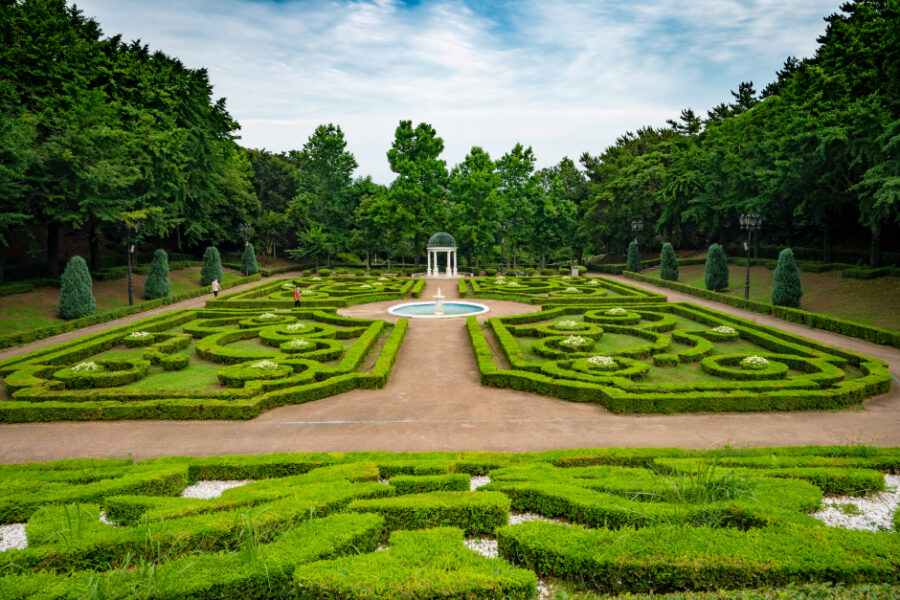
The Jungmun Tourist Complex is Jeju’s biggest resort zone. It’s more than a cluster of hotels—it’s a self-contained vacation area along the south coast. You’ll find parks, shops, museums, and gardens, with mountains on one side and sea on the other.
Getting around is simple. Paths are wide and easy to follow, and taxis or local buses connect the main spots. Families often start at Yeomiji Botanical Garden, where glass domes shelter tropical plants. From there, it’s a short walk to Cheonjeyeon Falls, which stays peaceful even if there’s a crowd.
Jungmun feels compact, even though it covers a lot of ground. You’re always close to food or something interesting. Many cafés use local citrus, and outdoor art is scattered around, giving it a laid-back, resort-town feel.
Highlights: Jungmun Beach & Attractions
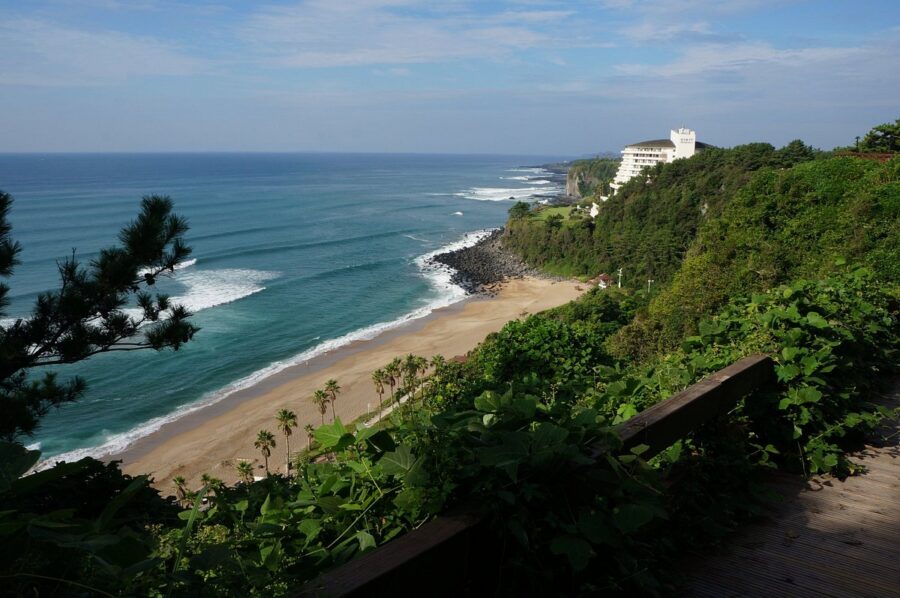
Jungmun Beach is the center of the action. The sand is fine and golden, and the waves are perfect for bodyboarding. Mornings are calm for walks, while afternoons get lively with surfers and beachgoers. Restaurants and stalls nearby serve cold noodles and grilled seafood.
For a change of pace, the Teddy Bear Museum is quirky and fun—kids usually love it, and it’s a lighthearted indoor break. The O’sulloc Tea Museum nearby offers green tea tastings and a peek into Jeju’s tea culture—worth an hour or so.
You can also hike up the cliffs for killer sea views. The paths are safe, with plenty of benches. It’s one of those places where you can switch from resort buzz to quiet nature in minutes.
Best Hotels & Resorts in Jungmun
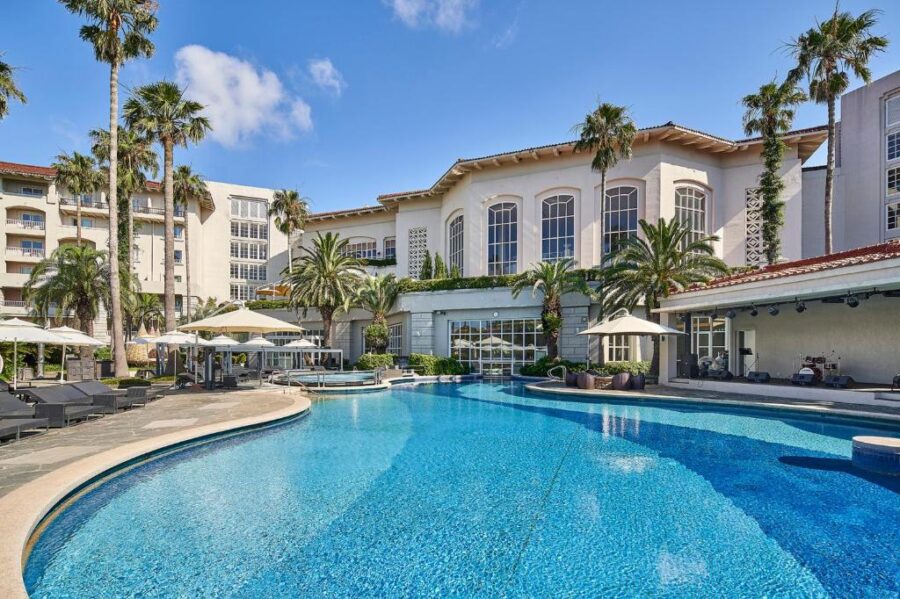
Jungmun has everything from luxury resorts to small family-run hotels. The big three—The Shilla Jeju, Lotte Hotel Jeju, and Parnas Hotel Jeju—are perched above the beach, with direct sand access, kids’ clubs, pools, and multiple restaurants.
| Hotel | Key Features | Ideal For |
|---|---|---|
| The Shilla Jeju | Private beach, infinity pool, childcare | Families who want luxury and ease |
| Lotte Hotel Jeju | Big rooms, themed pools, gardens | Groups or families with kids |
| Parnas Hotel Jeju | Modern style, sea views, near shops | Couples, small families |
For a mid-range option, Aria Hotel gives you clean rooms and quick access to sights—no frills, just a solid base if you’ll be out most days.
Jungmun’s real perk? You can actually stroll from your hotel to the beach, waterfalls, or dinner. No need for long drives. It’s one of the few places on Jeju that feels truly built for downtime.
Seongsan & the East: For Sunrise, Nature, and Quiet Escapes
Eastern Jeju is slower and less developed. Here, rugged coastline meets green fields and tiny fishing harbors. The star is Seongsan Ilchulbong Peak—that volcanic cone famous for sunrise views.
Highlights: Seongsan Ilchulbong & Udo Island
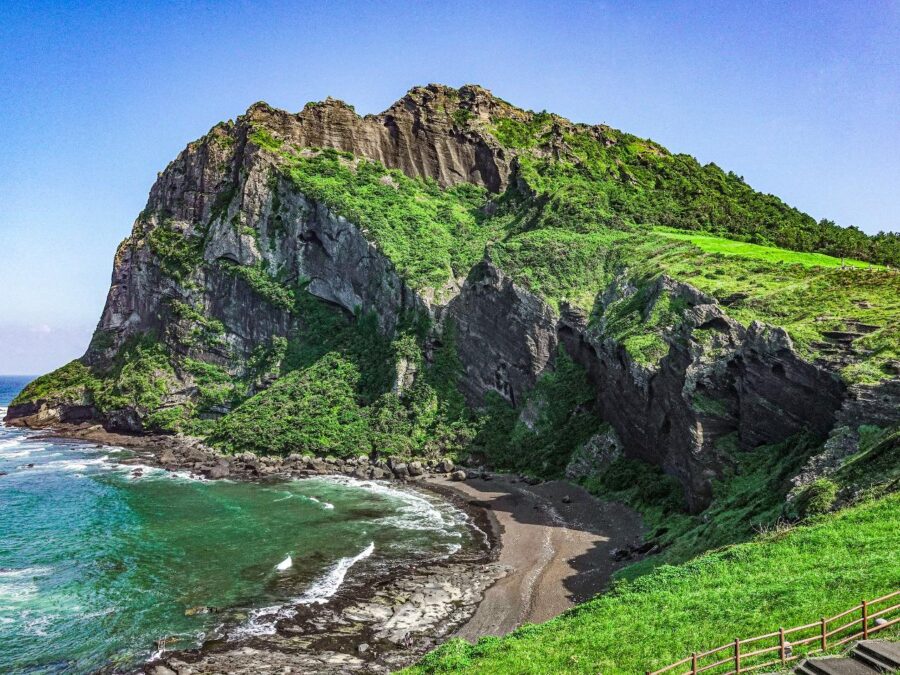
Seongsan Ilchulbong, or Sunrise Peak, rises 182 meters above the sea. This crater formed about 5,000 years ago, and the hike up takes maybe thirty minutes—stairs the whole way, so it’s doable, even if you’re groggy at dawn. Watching the sky shift over the East Sea is worth the early wakeup.
At the base, cafés and seafood stands run by Jeju’s haenyeo (female divers) serve up abalone porridge—comforting after the climb. Nearby, ferries zip over to Udo Island, a small spot for beaches, bike rentals, and peanut ice cream. Cycle the coast loop, then catch the ferry back.
On your way to or from Seongsan, swing by Manjanggul Cave. This massive lava tube stays cool year-round and shows off Jeju’s volcanic roots.
Staying in Seongsan or Southeast Jeju
If you want quiet, ocean views, and a local feel, Seongsan is a smart pick. You’ll hear waves outside your guesthouse, stroll to early markets, and skip the pre-dawn drive to sunrise.
The southeast coast has a few resorts near Pyoseon and Shinyang, with wide, uncrowded beaches. I once stayed near Pyoseon and walked barefoot to dinner—hard to beat that kind of calm.
Getting around’s straightforward. Buses run along the coast, but a rental car saves time. Most places close early, so plan to eat dinner before it gets late. Don’t expect much nightlife; it’s all about slow evenings and big sky.
Best Hotels in the East
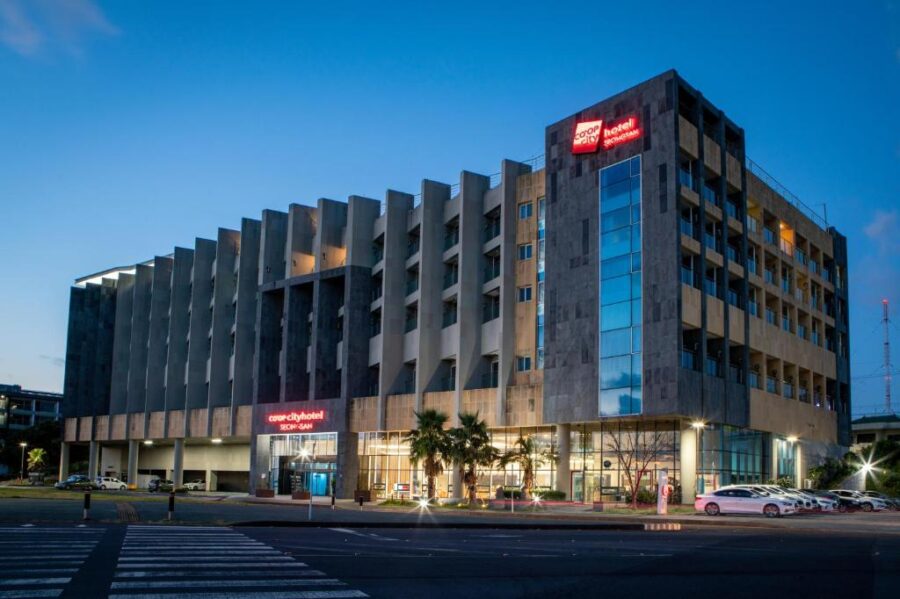
Co-op City Hotel Seongsan sits steps from Sunrise Peak—walk to the trail in under ten minutes. Sea-facing rooms give you a front-row sunrise seat.
If you want more perks, Haevichi Hotel & Resort Jeju in Pyoseon is a top resort. The pool overlooks the ocean, and the beach below stays calm even in summer. It’s great for families or anyone who wants space to relax.
Playce Camp Jeju works well for solo travelers or couples. It’s modern, budget-friendly, and has community spaces and local events. I once joined a spontaneous night walk to the shore here—East Jeju’s laid-back, social vibe in a nutshell.
Aewol & Northwest Jeju: Coastal Cafés, Views & Hidden Gems
Northwest Jeju moves at a gentler pace. Here, you’ll linger over coffee by the sea, walk quiet trails, and watch the sky shift colors over black lava rock and turquoise water. The area feels modern but still grounded in that windswept island mood.
Beaches: Hyeopjae & Gwakji
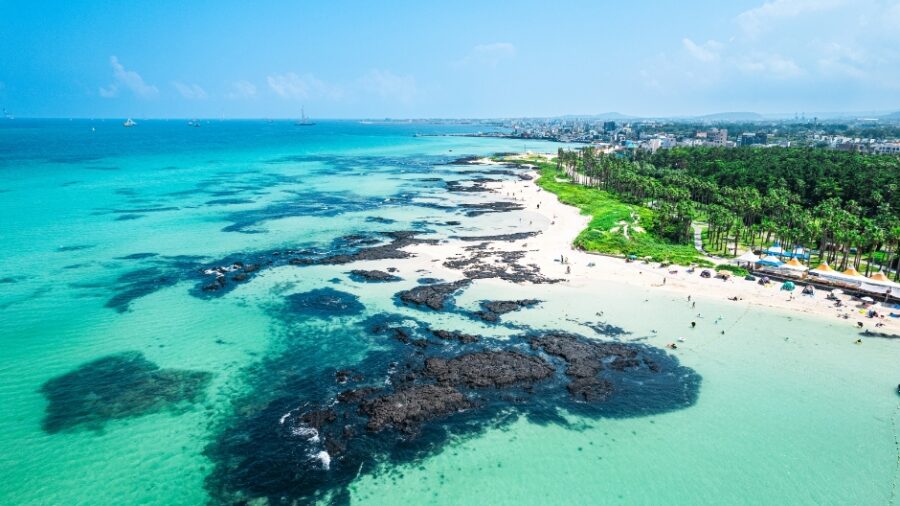
Hyeopjae Beach is probably the west’s most photogenic stretch. White sand, bright blue-green water, and Biyangdo Island offshore—looks like a postcard. In summer, the water’s shallow and clean, good for swimming. Food stalls sell abalone porridge and tangerine ice pops.
Walk ten minutes east to Geumneung Beach, which is quieter and edged with volcanic rock. Sunsets here often reflect pink clouds in the tide pools.
Gwakji Beach near Aewol feels more local. You’ll spot fishermen in the early morning and couples strolling the Handam Coastal Trail at dusk. There’s even an open-air freshwater spring bathhouse, Yongcheonsu Nocheontang, where swimmers rinse off.
| Beach | Vibe | Good For |
|---|---|---|
| Hyeopjae | Lively, scenic | Swimming, photos |
| Geumneung | Calm, natural | Sunset walks |
| Gwakji | Casual, local | Morning strolls, surfing |
Where to Stay in Aewol
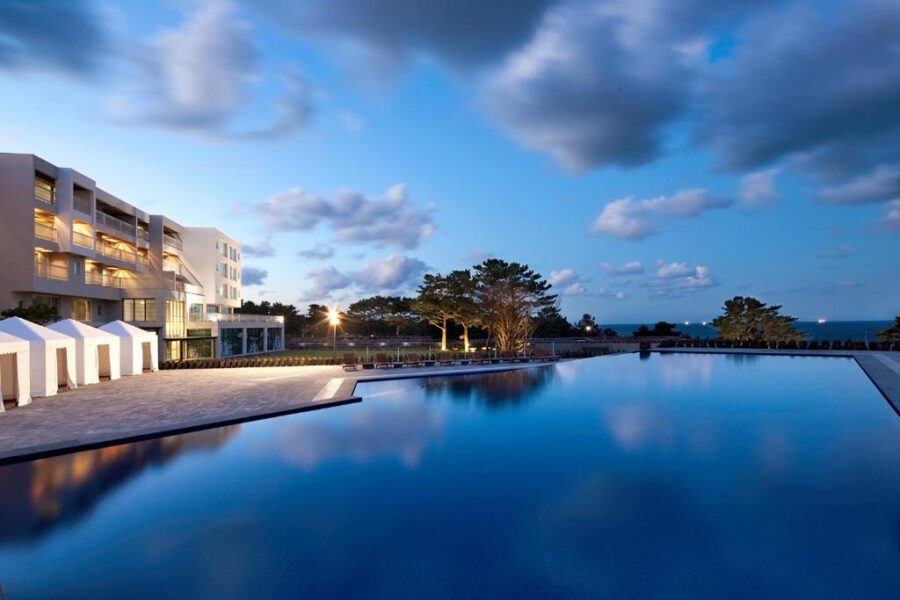
Aewol’s stylish but not flashy. Cafés line the coast (try Bomnal or Team Blow), and boutique hotels mix modern design with Jeju’s classic stone walls.
Villa de Aewol is a standout for hotel comfort and beach access. Rooms overlook the sea, and there’s a small pool that gets great morning sun. For something smaller, look for guesthouses near Handam or pensions by Gwakji Beach—usually run by families who treat you more like a friend than a guest.
Evenings are slow. You might wander to a black pork grill like Sukseongdo, then linger over tea or dessert as the shoreline lights fade.
Nature & Outdoor Experiences
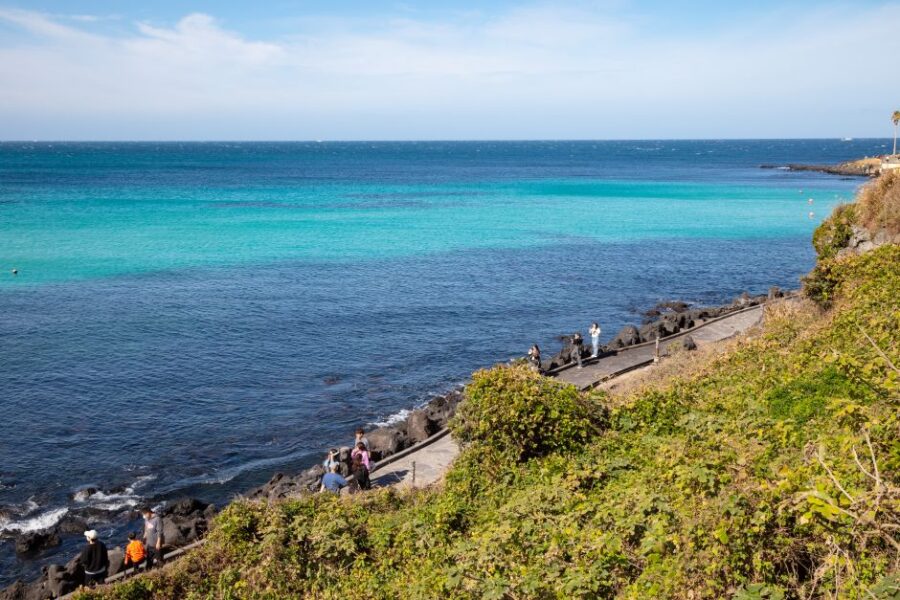
The northwest offers more than just cafés. The Handam Coastal Trail is an easy walk with sea cliffs, tidal pools, and paddle boarders drifting by. I like going at dusk when the ocean turns deep blue and the air cools off.
Hallim Park near Hyeopjae has botanical gardens, lava caves, and a quirky folk village. It’s a bit touristy, but offers a change from all the beach time.
If you’ve got wheels, drive up to Saebyeol Oreum—one of Jeju’s dramatic volcanic hills. The climb’s short, but views stretch across the west coast. The wind at the top is no joke—bring a jacket.
Top Activities and Experiences Near Your Stay
Jeju’s got a mix of outdoor trails, cultural sights, and unique stays, so you can balance downtime with exploring. Each region has its own highlights—coastal hikes, modern resorts, and plenty of ways to shape your itinerary around what feels right for you.
Olle Walking Trails & Scenic Routes
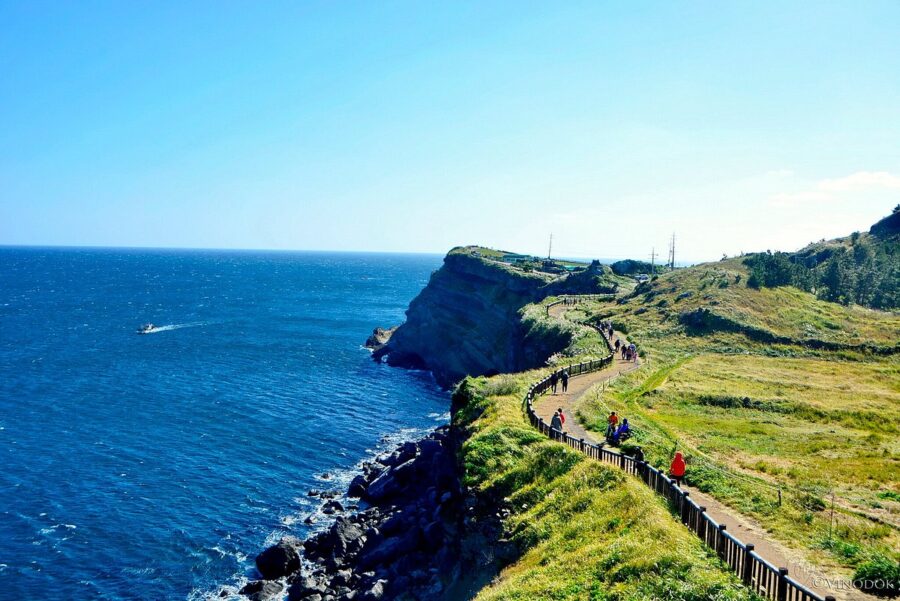
The Olle Walking Trails loop the island’s coast—quiet paths, ocean views, and plenty of variety. Trails are well-marked and numbered, from short stretches to half-day hikes. I still remember walking part of Trail 7 near Songaksan Mountain—wild wind, epic cliffs, and horses grazing below.
Each route’s a bit different. Some cut through forests and citrus groves; others hug volcanic rock and water. For an easy start, try sections near Seogwipo or Hamdeok Beach—both reachable by bus, with rest stops every few kilometers.
Wear good shoes and bring water. Jeju’s weather flips fast. And honestly, a reward like local tangerine ice cream from a trail café makes any walk better.
Must-Visit Attractions by Region

Every area’s got its own rhythm. Up north, Jeju City puts you near the airport, markets, and sites like Yongduam Rock. Head east for sunrise at Seongsan Ilchulbong—the crater’s panoramic glow is worth it.
Seogwipo in the south is all about nature—waterfalls like Jeongbang and Cheonjiyeon are within walking distance of many guesthouses. Out west, around Shinhwa World Marriott Resort, you’ll find theme parks, golf, and museums—good for rainy days.
Pressed for time? Rent a car (booked through cheap flights) and link stops together. You can circle the island in three hours, but honestly, you’ll want to slow down—ocean lookouts and roadside seafood stalls have a way of pulling you in.
Suggestions for Different Types of Travelers
Jeju works for all sorts of trips. For slow travel, base yourself in Seogwipo and walk a couple Olle trails each day. The pace is relaxed and the coastline’s within reach.
Families often pick Jungmun or Shinhwa World resorts—think kid-friendly pools and dining. Solo travelers might like Hamdeok for its mix of social guesthouses and peaceful beaches.
If you’re after adventure, head inland to climb Hallasan Mountain or book diving trips off the southern coast. Foodies should hit Jeju City’s markets for black pork barbecue or abalone porridge after a day out.
Tips for Making the Most of Your Accommodation
Make your stay work for you. In Seogwipo, ask your host about hidden viewpoints—locals know shortcuts to cliffs you won’t spot on maps. At a Hamdeok guesthouse, wake early for sunrise and walk before the crowds; mornings are peaceful and the light’s gentle.
At bigger hotels like Shinhwa World Marriott Resort, use the shuttle to reach nearby attractions, or explore the attached art and culture spaces if you want a lazy afternoon.
One trick: plan short breaks at your accommodation between outings. Jeju’s humidity sneaks up on you. In the evening, grab some makgeolli and relax on your balcony—those quiet moments can end up being the highlight.
Frequently Asked Questions
Where you stay in Jeju really depends on your trip style. The island’s dotted with coastal towns, resorts, and cities with easy access to sights, food, and transport. Weather, season, and how you get around all shape your experience.
What are the top recommended areas for first-time visitors to stay in Jeju Island?
For first-timers, Jeju City is a reliable pick. It’s close to the airport, with easy bus and car connections. You’ll find plenty of hotels, restaurants, shopping, and quick trips to beaches like Iho and Hamdeok.
Seogwipo is another great option. It’s quieter, surrounded by nature, and close to spots like Cheonjiyeon Waterfall and Jungmun Beach. It’s a bit farther from the airport, but the scenery usually makes up for it.
Which places in Jeju Island offer the best accommodation options during the winter season?
In the colder months, staying near Jeju City just makes sense. The city’s central spot means you can dodge icy roads and still reach museums, cozy cafes, and markets without much hassle.
Jungmun Tourist Complex works well for winter, too. Most resorts here offer heated pools, indoor spas, and on-site dining—so you can stay warm and entertained without having to bundle up and wander far.
How to find the best places to stay in Jeju Island without a car?
No car? Stick with Jeju City or Seogwipo City Center. Both have solid public transit and frequent buses to the top sights. Jeju City Bus Terminal connects you to just about everywhere.
Some guesthouses even help with local tours or arrange shuttle buses. That kind of service can save you a ton of time and stress, especially if you don’t want to figure out bus schedules.
Could you compare the advantages of staying in Jeju City versus Seogwipo for tourists?
Jeju City is practical—close to the airport, packed with hotel choices, and makes it easy to reach the north and west. It’s busier, sure, but if you value convenience, it’s hard to beat.
Seogwipo has a slower pace and feels closer to Jeju’s natural side. If hiking, beaches, or waterfalls are on your list, you’ll probably prefer this area. The food scene leans more local, too, with smaller spots that feel a bit more personal.
Are there any particular months that should be avoided when planning a stay in Jeju Island?
July and August get crowded and humid, especially during school breaks. Hotel prices jump, and typhoons sometimes disrupt plans.
Early winter—late November through December—can be windy but calm. Just remember to bring layers; temperatures drop fast after sunset.
What are some lesser-known lodging gems in Jeju Island for an authentic experience?
Smaller villages like Aewol on the northwest coast offer boutique stays with sea views—quiet, relaxed, and ideal if you love coffee shops and long coastal walks.
If you want something more traditional, check out a hanok-style guesthouse in the countryside near Hallasan National Park. These places feel genuinely personal; you’ll probably end up chatting with your hosts over a homemade meal. Around Andeok, some guesthouses even serve breakfast with hallabong oranges picked right from their yard.