
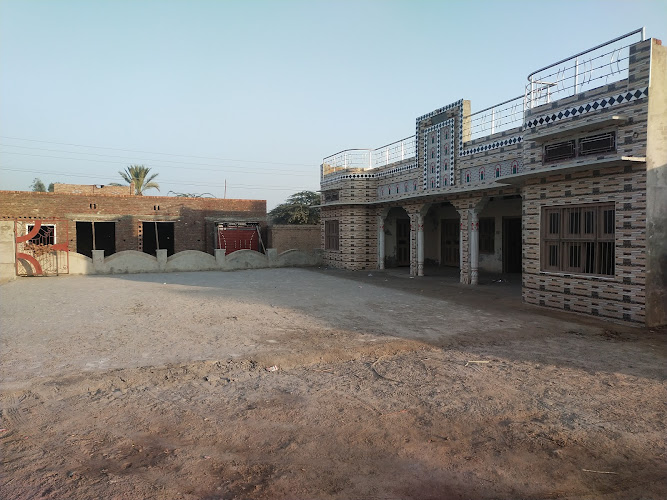
Mitha Lak
About Mitha Lak
Description
Mitha Lak stands as one of those places that doesn't scream for attention but quietly rewards those who make the journey. This destination has carved out its own identity among travelers who appreciate authenticity over Instagram-perfect moments. And honestly, that's exactly what makes it special. The landscape here tells a story that unfolds slowly, like a conversation with an old friend. I've learned over years of traveling that the best places aren't always the ones with the most polished marketing campaigns. Sometimes they're the ones where you stumble upon something genuine, something that makes you put your phone down and just breathe it all in. What strikes visitors first is the sense of timelessness that hangs in the air. The surroundings have this quality where modern life seems to pause, not in a contrived way, but naturally. You'll find yourself walking slower here, noticing details you'd normally miss. The local atmosphere carries a rhythm that's entirely its own, shaped by generations of people who've called this area home. The natural setting provides a backdrop that changes with the light throughout the day. Morning brings one kind of beauty, afternoon another, and evening something altogether different. It's the kind of place where you might find yourself waking up early just to catch how the landscape transforms at dawn, something I never thought I'd do until I started seeking out destinations like this.Key Features
Mitha Lak offers travelers a collection of experiences that distinguish it from more conventional tourist destinations:- The natural environment presents opportunities for quiet exploration and contemplation, perfect for those seeking respite from crowded attractions
- Local traditions remain alive here in ways that feel organic rather than performed for tourists, giving visitors genuine cultural insights
- The topography creates natural vantage points where the full scope of the area reveals itself, ideal for photography enthusiasts who prefer natural compositions
- Seasonal variations dramatically alter the character of the place, making repeat visits feel like discovering somewhere entirely new
- The relative lack of commercial development means you can still find corners of authentic experience without navigating through souvenir shops
- Walking paths and natural routes provide various difficulty levels, accommodating both casual strollers and more adventurous trekkers
- The surrounding community maintains a welcoming attitude toward visitors while preserving their own way of life
- Opportunities for meaningful interaction with local residents who can share stories and perspectives you won't find in guidebooks
- The area serves as a gateway to understanding regional history through observation rather than just reading plaques
- Natural features create microclimates and ecological zones that support diverse plant and animal life worth observing
Best Time to Visit
Timing your visit to Mitha Lak makes all the difference between a good experience and a truly memorable one. But here's the thing - the "best" time really depends on what you're after. The cooler months generally bring the most comfortable conditions for extended outdoor exploration. You can spend hours wandering without that oppressive heat bearing down on you. I've made the mistake before of visiting similar destinations during peak heat, and let me tell you, it turns sightseeing into survival mode pretty quick. Spring offers particular appeal for those interested in the natural world. The landscape comes alive in ways that transform the entire character of the place. Colors shift, wildlife becomes more active, and the whole environment seems to exhale after whatever dormancy preceded it. If you're someone who appreciates botanical diversity or bird watching, this season delivers. Autumn presents another excellent window, bringing milder temperatures and often clearer skies. The light during these months has this quality photographers chase - softer, more golden, creating natural filtering that makes everything look better. Plus, you're likely to encounter fewer crowds than during peak summer months. That said, don't completely write off the off-season months. Sure, conditions might be less ideal from a comfort standpoint, but you gain something valuable in return - solitude. There's something profound about experiencing a place when you've got it mostly to yourself. The atmosphere changes entirely when you're not sharing it with dozens of other visitors. Weather patterns can be unpredictable regardless of season, so building flexibility into your plans helps. A day that starts overcast might clear beautifully by afternoon, or vice versa. I've learned to embrace these variations rather than fight them. Early mornings year-round offer the most peaceful experience. Most travelers sleep in, meaning those willing to set an alarm get the place in its most pristine state. The quality of morning light, the cooler temperatures, and the quiet create conditions you simply can't replicate later in the day.How to Get There
Getting to Mitha Lak requires some planning, but that's part of what keeps it from being overrun. The journey itself becomes part of the experience rather than just a means to an end. The nearest major transportation hub sits at a distance that necessitates additional travel arrangements. Most visitors approach this in one of two ways - either arranging private transportation or utilizing local services. Each option carries its own advantages and tradeoffs worth considering. Private transportation gives you flexibility and control over your schedule. You can stop along the way when something catches your eye, adjust timing based on conditions, and carry more gear without worrying about luggage restrictions. For groups or families, splitting the cost often makes this option surprisingly economical. The route itself passes through areas worth exploring, so treating the journey as part of your adventure rather than an obstacle makes sense. Local transportation options provide authentic immersion into how residents navigate the region. You'll rub shoulders with people going about their daily lives, gain insights into regional rhythms, and save money in the process. The tradeoff comes in reduced flexibility and potentially longer travel times. But honestly, some of my most memorable travel moments have happened on local buses and shared vehicles where unexpected conversations unfolded. Road conditions vary depending on season and recent weather. During certain times of year, the route requires vehicles with appropriate clearance and capability. Checking current conditions before departure prevents unpleasant surprises halfway through your journey. The final approach to Mitha Lak involves roads that demand attentive driving. These aren't highways - they're routes that require you to slow down and navigate thoughtfully. Which, again, kind of fits the whole character of the destination. Allow more travel time than mapping applications suggest. Those algorithms don't account for stops, road realities, or the inevitable moments when you'll want to pull over because the view demands it.Tips for Visiting
Making the most of your Mitha Lak experience comes down to preparation mixed with openness to spontaneity. Here's what I wish someone had told me before visiting similar destinations. Pack layers regardless of season. Microclimates and elevation changes create temperature variations throughout the day. That comfortable morning chill can turn into afternoon warmth surprisingly quick. Having options means you're comfortable whatever conditions arise. Footwear matters more than you think. Even if you're not planning serious trekking, you'll be on your feet navigating uneven terrain. Those cute sandals might work for the cafe back home, but here they'll leave you miserable. Broken-in walking shoes or light hiking boots serve you much better. Bring more water than seems reasonable. Dehydration sneaks up on you, especially when you're absorbed in exploring. Local sources might exist but shouldn't be relied upon. I've learned this lesson the hard way enough times to now overcompensate shamelessly. Download offline maps before you arrive. Cell coverage can be spotty, and relying on connectivity for navigation sets you up for frustration. Having maps accessible without signal provides peace of mind and helps you explore confidently. Respect local customs and sensibilities. This should go without saying, but being mindful of how your behavior affects the community makes you a guest rather than an intruder. Modest dress, asking permission before photographing people, and being conscious of noise levels show consideration that gets noticed and appreciated. Early starts truly pay dividends here. Beyond avoiding crowds and heat, you catch the place at its most magical. Wildlife is more active, light is better, and you have the psychological advantage of feeling like you've accomplished something before most people have finished breakfast. Bring snacks and basic supplies. While some provisions might be available locally, selection can be limited and prices higher than in larger towns. Self-sufficiency gives you freedom to explore on your own schedule without cutting trips short due to hunger or thirst. Cash remains essential in many situations where electronic payment hasn't penetrated. Keep smaller denominations for convenience, as making change can sometimes present challenges. Weather protection deserves space in your bag. Conditions can shift faster than you'd expect, and being caught in rain or excessive sun without protection diminishes enjoyment considerably. A lightweight rain jacket and sun protection take minimal space but maximum value. Interact with local residents respectfully and genuinely. The insights and stories they share often become the most treasured souvenirs. Most people appreciate sincere interest in their home and lives, but approach conversations as exchanges rather than extractions. Finally, build unstructured time into your visit. Over-planning every moment prevents those unexpected discoveries that become your favorite memories. Leave room for wandering, for following your curiosity, for just sitting somewhere beautiful and letting the place sink in. That's when Mitha Lak really reveals itself.Key Features
- Community-managed informal garden and orchard plots
- Native shade trees and seasonal flowering shrubs
- Quiet walking paths and informal seating areas
- Opportunities to observe rural Punjabi village life
- Easy access from nearby Sargodha (short drive)
More Details
Updated April 5, 2026
Table of Contents
- Description
- Key Features
- Best Time to Visit
- How to Get There
- Tips for Visiting
- Key Highlights
- Location
- Places to Stay Near Mitha Lak
- Find and Book a Tour
- Explore More Travel Guides
- Key Takeaways
- About Mitha Lak
- History and Significance
- What Makes It Special
- What to See and Do
- Main Attractions and Highlights
- Best Time to Visit
- Visitor Information
- Location and How to Get There
- Tips for Visitors
- Traveler Reviews for Mitha Lak
- Share Your Experience
Description
Mitha Lak stands as one of those places that doesn’t scream for attention but quietly rewards those who make the journey. This destination has carved out its own identity among travelers who appreciate authenticity over Instagram-perfect moments. And honestly, that’s exactly what makes it special.
The landscape here tells a story that unfolds slowly, like a conversation with an old friend. I’ve learned over years of traveling that the best places aren’t always the ones with the most polished marketing campaigns. Sometimes they’re the ones where you stumble upon something genuine, something that makes you put your phone down and just breathe it all in.
What strikes visitors first is the sense of timelessness that hangs in the air. The surroundings have this quality where modern life seems to pause, not in a contrived way, but naturally. You’ll find yourself walking slower here, noticing details you’d normally miss. The local atmosphere carries a rhythm that’s entirely its own, shaped by generations of people who’ve called this area home.
The natural setting provides a backdrop that changes with the light throughout the day. Morning brings one kind of beauty, afternoon another, and evening something altogether different. It’s the kind of place where you might find yourself waking up early just to catch how the landscape transforms at dawn, something I never thought I’d do until I started seeking out destinations like this.
Key Features
Mitha Lak offers travelers a collection of experiences that distinguish it from more conventional tourist destinations:
- The natural environment presents opportunities for quiet exploration and contemplation, perfect for those seeking respite from crowded attractions
- Local traditions remain alive here in ways that feel organic rather than performed for tourists, giving visitors genuine cultural insights
- The topography creates natural vantage points where the full scope of the area reveals itself, ideal for photography enthusiasts who prefer natural compositions
- Seasonal variations dramatically alter the character of the place, making repeat visits feel like discovering somewhere entirely new
- The relative lack of commercial development means you can still find corners of authentic experience without navigating through souvenir shops
- Walking paths and natural routes provide various difficulty levels, accommodating both casual strollers and more adventurous trekkers
- The surrounding community maintains a welcoming attitude toward visitors while preserving their own way of life
- Opportunities for meaningful interaction with local residents who can share stories and perspectives you won’t find in guidebooks
- The area serves as a gateway to understanding regional history through observation rather than just reading plaques
- Natural features create microclimates and ecological zones that support diverse plant and animal life worth observing
Best Time to Visit
Timing your visit to Mitha Lak makes all the difference between a good experience and a truly memorable one. But here’s the thing – the “best” time really depends on what you’re after.
The cooler months generally bring the most comfortable conditions for extended outdoor exploration. You can spend hours wandering without that oppressive heat bearing down on you. I’ve made the mistake before of visiting similar destinations during peak heat, and let me tell you, it turns sightseeing into survival mode pretty quick.
Spring offers particular appeal for those interested in the natural world. The landscape comes alive in ways that transform the entire character of the place. Colors shift, wildlife becomes more active, and the whole environment seems to exhale after whatever dormancy preceded it. If you’re someone who appreciates botanical diversity or bird watching, this season delivers.
Autumn presents another excellent window, bringing milder temperatures and often clearer skies. The light during these months has this quality photographers chase – softer, more golden, creating natural filtering that makes everything look better. Plus, you’re likely to encounter fewer crowds than during peak summer months.
That said, don’t completely write off the off-season months. Sure, conditions might be less ideal from a comfort standpoint, but you gain something valuable in return – solitude. There’s something profound about experiencing a place when you’ve got it mostly to yourself. The atmosphere changes entirely when you’re not sharing it with dozens of other visitors.
Weather patterns can be unpredictable regardless of season, so building flexibility into your plans helps. A day that starts overcast might clear beautifully by afternoon, or vice versa. I’ve learned to embrace these variations rather than fight them.
Early mornings year-round offer the most peaceful experience. Most travelers sleep in, meaning those willing to set an alarm get the place in its most pristine state. The quality of morning light, the cooler temperatures, and the quiet create conditions you simply can’t replicate later in the day.
How to Get There
Getting to Mitha Lak requires some planning, but that’s part of what keeps it from being overrun. The journey itself becomes part of the experience rather than just a means to an end.
The nearest major transportation hub sits at a distance that necessitates additional travel arrangements. Most visitors approach this in one of two ways – either arranging private transportation or utilizing local services. Each option carries its own advantages and tradeoffs worth considering.
Private transportation gives you flexibility and control over your schedule. You can stop along the way when something catches your eye, adjust timing based on conditions, and carry more gear without worrying about luggage restrictions. For groups or families, splitting the cost often makes this option surprisingly economical. The route itself passes through areas worth exploring, so treating the journey as part of your adventure rather than an obstacle makes sense.
Local transportation options provide authentic immersion into how residents navigate the region. You’ll rub shoulders with people going about their daily lives, gain insights into regional rhythms, and save money in the process. The tradeoff comes in reduced flexibility and potentially longer travel times. But honestly, some of my most memorable travel moments have happened on local buses and shared vehicles where unexpected conversations unfolded.
Road conditions vary depending on season and recent weather. During certain times of year, the route requires vehicles with appropriate clearance and capability. Checking current conditions before departure prevents unpleasant surprises halfway through your journey.
The final approach to Mitha Lak involves roads that demand attentive driving. These aren’t highways – they’re routes that require you to slow down and navigate thoughtfully. Which, again, kind of fits the whole character of the destination.
Allow more travel time than mapping applications suggest. Those algorithms don’t account for stops, road realities, or the inevitable moments when you’ll want to pull over because the view demands it.
Tips for Visiting
Making the most of your Mitha Lak experience comes down to preparation mixed with openness to spontaneity. Here’s what I wish someone had told me before visiting similar destinations.
Pack layers regardless of season. Microclimates and elevation changes create temperature variations throughout the day. That comfortable morning chill can turn into afternoon warmth surprisingly quick. Having options means you’re comfortable whatever conditions arise.
Footwear matters more than you think. Even if you’re not planning serious trekking, you’ll be on your feet navigating uneven terrain. Those cute sandals might work for the cafe back home, but here they’ll leave you miserable. Broken-in walking shoes or light hiking boots serve you much better.
Bring more water than seems reasonable. Dehydration sneaks up on you, especially when you’re absorbed in exploring. Local sources might exist but shouldn’t be relied upon. I’ve learned this lesson the hard way enough times to now overcompensate shamelessly.
Download offline maps before you arrive. Cell coverage can be spotty, and relying on connectivity for navigation sets you up for frustration. Having maps accessible without signal provides peace of mind and helps you explore confidently.
Respect local customs and sensibilities. This should go without saying, but being mindful of how your behavior affects the community makes you a guest rather than an intruder. Modest dress, asking permission before photographing people, and being conscious of noise levels show consideration that gets noticed and appreciated.
Early starts truly pay dividends here. Beyond avoiding crowds and heat, you catch the place at its most magical. Wildlife is more active, light is better, and you have the psychological advantage of feeling like you’ve accomplished something before most people have finished breakfast.
Bring snacks and basic supplies. While some provisions might be available locally, selection can be limited and prices higher than in larger towns. Self-sufficiency gives you freedom to explore on your own schedule without cutting trips short due to hunger or thirst.
Cash remains essential in many situations where electronic payment hasn’t penetrated. Keep smaller denominations for convenience, as making change can sometimes present challenges.
Weather protection deserves space in your bag. Conditions can shift faster than you’d expect, and being caught in rain or excessive sun without protection diminishes enjoyment considerably. A lightweight rain jacket and sun protection take minimal space but maximum value.
Interact with local residents respectfully and genuinely. The insights and stories they share often become the most treasured souvenirs. Most people appreciate sincere interest in their home and lives, but approach conversations as exchanges rather than extractions.
Finally, build unstructured time into your visit. Over-planning every moment prevents those unexpected discoveries that become your favorite memories. Leave room for wandering, for following your curiosity, for just sitting somewhere beautiful and letting the place sink in. That’s when Mitha Lak really reveals itself.
Key Highlights
- Community-managed informal garden and orchard plots
- Native shade trees and seasonal flowering shrubs
- Quiet walking paths and informal seating areas
- Opportunities to observe rural Punjabi village life
- Easy access from nearby Sargodha (short drive)
Location
Places to Stay Near Mitha Lak
Find and Book a Tour
Explore More Travel Guides
No reviews found! Be the first to review!
Mitha Lak sits right in the heart of Punjab’s agricultural belt, just about 11 kilometers from Sargodha city. This small Pakistani village—roughly 10,000 people—lets you peek into real-deal rural Punjabi life, with its tent pegging traditions and deep farming roots.
It doesn’t show up on many tourist maps. Maybe that’s the best thing about it.
You’re not coming here for flashy sights or polished attractions. What you’ll find is a community where horses still matter and the culture hasn’t been airbrushed for visitors.
The village sprouted up around a rain-fed pond centuries back, when settlers from Shapur came searching for better land and water. That down-to-earth start shaped a place that’s all about substance, not show.
Key Takeaways
- Mitha Lak is a traditional Punjabi village about 11 kilometers from Sargodha in Punjab, Pakistan.
- The village is famous for tent pegging and a strong equestrian culture that’s still alive today.
- If you want a taste of true agricultural life and Punjabi tradition, this is the spot—population: 10,000.
About Mitha Lak
This village in Sargodha District gives you a front-row seat to rural Punjab, where farming shapes everything and neighborly ties actually mean something.
History and Significance
You can trace Mitha Lak’s roots back to settlers from Shapur, a nearby village whose families basically founded the place. It’s about 11 kilometers from Sargodha, perched at around 190 meters above sea level.
The farming traditions that started it all? Still going strong.
There’s a railway station—Mitha Lak station—about 3 kilometers north of the village center. That rail link made it easier for people here to move crops and get to the city.
The name “Mitha” means sweet in Urdu. Don’t expect grand monuments or fancy infrastructure, though. What you get instead: wheat fields, citrus groves, veggie plots—these have fed families here for generations.
What Makes It Special
The real draw is the authenticity. Unlike places that have been remade for tourists, Mitha Lak just does its thing.
Life moves with the farming seasons. If you show up during harvest, you’ll spot the whole community pitching in—a scene that’s getting rare these days.
The farmland around the village is a photographer’s dream, especially at dawn when mist hangs low over the fields. Depending on the season, you’ll catch citrus blossoms in spring or golden crops in autumn.
But let’s be honest—this isn’t some manicured garden or eco-park. It’s real, working farmland. Families tend their own plots, and the beauty is in watching rural life unfold, not in curated attractions.
What to See and Do
Mitha Lak is for folks who want to slow down and see Punjab without the crowds or the hype. The focus here is on everyday life and natural landscapes, not bucket-list landmarks.
Main Attractions and Highlights
The countryside around Mitha Lak is open and peaceful. Walking paths snake through fields and orchards where local farmers still use time-tested methods.
There are a few natural high points where you can look out over the plains—great for photos, especially when the light is soft in the early morning or late afternoon.
Traditions here aren’t staged. You might see farmers at work, chat with locals at the bazaar, or just watch daily life go by. People are friendly, but they’re not putting on a show—they’re just living.
Mitha Lak’s distance from Sargodha—about 11 kilometers—keeps it rural, but you’re never too far from city comforts if you need them. That bit of separation really makes a difference.
Best Time to Visit
Spring is hands-down the best season for exploring Mitha Lak. The weather is mellow, you can wander for hours, and the fields burst with color.
Autumn is a close second. The heat dies down, skies clear up, and the golden light is perfect for photos.
Honestly, skip summer unless you love sweating it out in the Punjab sun. The cooler months are just easier for getting around. But, you know, weather can surprise you—double-check before you book.
If you can, get up early. The village is at its most peaceful, the air is cool, and the light makes everything look a little magical.
Visitor Information
Mitha Lak is about 11 kilometers from Sargodha city in Punjab—close enough for a day trip, but far enough to feel like a proper escape.
Location and How to Get There
You’ll find Mitha Lak in Sargodha Tehsil, sitting at roughly 190 meters above sea level. The railway station is about 3 kilometers north of the main village and connects to the national rail network.
Coming from Sargodha? It’s a quick 20-minute drive along the main highway. Or hop a train to Mitha Lak station, then grab local transport to the village center.
Getting Around:
- By train: Book through Pakistan Railway’s e-ticketing or at any major station.
- By road: Hire a taxi or catch local transport from Sargodha.
- On foot: Once you’re here, you can walk pretty much everywhere.
The railway station is a handy landmark. From there, just head south about 3 kilometers and you’ll be in the heart of the village.
Tips for Visitors
First things first—if you want to check out any sites or even local offices in Mitha Lak, it’s smart to ask around about visiting hours. This isn’t a tourist hotspot; it’s a working village, so everything moves with the pace of daily life.
You’ll want to dress modestly. Seriously, it’s a traditional spot in Punjab, and blending in shows respect. There’s a real calm here—no city noise, just the hum of rural life.
Don’t forget sun protection. Shade can be a lifesaver, especially around midday in summer. Trust me, the heat can sneak up on you.
Facilities for travelers? Pretty much nonexistent. Bring your own water and anything else you can’t do without. You’re a guest here, so a little preparation pays off.
The people in Mitha Lak are usually warm to outsiders who are polite and considerate. Try picking up a few basic Urdu phrases—it’s a small gesture, but it really does open doors.
Traveler Reviews for Mitha Lak
There are no reviews yet. Be the first one to write one.
Have you visited Mitha Lak? Help other travelers by sharing your review.
Nearby Attractions
Find Accommodations Nearby
Recommended Tours & Activities
Visitor Reviews
There are no reviews yet. Be the first one to write one.
Share Your Experience
Have you visited Mitha Lak? Help other travelers by leaving a review.