
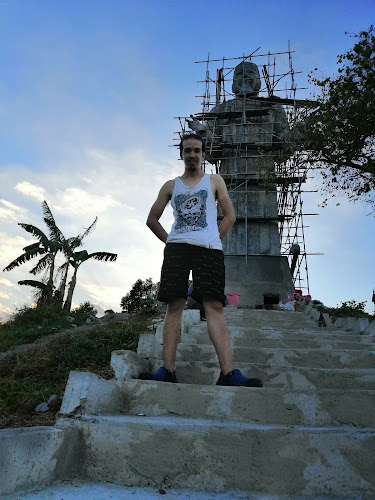
Kaybanban
About Kaybanban
Description
Kaybanban is a quietly unfolding story on the eastern side of San Jose del Monte (SJDM), Bulacan—a barangay that balances small-town habits with the energy of Central Luzon’s fastest-growing city. It sits on gently rolling terrain at roughly a hundred-plus meters above sea level, where afternoons tend to run breezy and the neighborhoods still say good morning to each other. Travelers who like seeing real, everyday Philippines—markets humming at 6 a.m., tricycles zipping to basketball courts, kids chasing sunsets—will find Kaybanban a worthwhile stop, or even a comfy base for exploring SJDM’s hills and heritage spots.
As part of San Jose del Monte City’s 59 barangays, Kaybanban benefits from the city’s momentum: new roads being widened, utilities improving, and lifestyle conveniences moving in. SJDM itself has a population of over 650,000 (2020 census) and acts like a north-eastern neighbor to Metro Manila. The barangay’s own population is relatively modest—around the low three-thousands by 2020 census figures—so it still feels personable; vendors and sari-sari store owners tend to remember faces. That mix of scale and warmth is a big part of Kaybanban’s charm for visitors. It feels close to the metro but not swallowed by it.
Travelers ask, is San Jose del Monte a good place to live? Evidence points to yes if a person wants quick access to Quezon City and Caloocan via Quirino Highway, plus a calmer daily pace. Kaybanban showcases that equation: a barangay with room to breathe, yet within easy reach of commercial centers like Starmall San Jose del Monte and SM City in Tungkong Mangga. Expect a patchwork of older houses, family-run eateries, and newer subdivisions such as Camella Cielo—clear signs of a barangay in transition. On weekends, site tripping crowds sometimes show up for house-and-lot-for-sale viewings or an RFO (ready-for-occupancy) tour, then end up chasing bulalo or lugaw nearby. It’s a thing.
Beyond the barangay’s streets, the landscape opens toward the foothills of the Sierra Madre. Hikers use SJDM as a launchpad for day hikes to Mount Balagbag and other ridge walks around Rodriguez and Norzagaray. Pilgrims head to the Grotto of Our Lady of Lourdes and other devotional sites. Meanwhile, city festivals like Tanglawan (usually around September) draw crowds with lanterns, music, and parades—worth timing a visit for if you like color and community. Indigenous peoples, particularly the Dumagat-Remontado from the uplands of Bulacan and nearby Quezon and Rizal, maintain cultural roots across the highlands; seeing their crafts respectfully and supporting community-led initiatives adds depth to a traveler’s itinerary.
Kaybanban isn’t a “tourist town” with packaged attractions on every corner, and that’s precisely the appeal. It’s a barangay where small discoveries make the day: someone’s backyard mangoes hanging over a wall, a tricycle driver sharing shortcuts to Sapang Palay, an early morning jog past pockets of fields that somehow resisted turning into full-blown subdivisions. There’s construction here and there—new homes, new sidewalks—and yes, a bit of midday traffic along main roads linking to Quirino Highway while MRT-7 works continue. Still, evenings tend to unwind into a gentler rhythm, and if the sky cooperates, sunsets can paint the ridge line in gold. Kaybanban San Jose del Monte is easy to underestimate. Spend a day or two and it gets under the skin, in a good way.
For travelers combining leisure with scouting potential relocation in the Philippines, Kaybanban is an interesting case study. The proximity to Quezon City, the North Luzon Expressway (NLEX) corridors via Sta. Maria or Bocaue, and ongoing transport upgrades make it plausible for daily commutes to the metro—even more so once MRT-7 fully opens. Real estate options range from townhouses to single firewall homes, with amenity-forward developments like Camella Cielo offering clubhouses, small parks, and guarded gates. Visitors should temper expectations: some roads remain narrow, internet can vary per street, and tricycle fares spike at night like anywhere else. But the basics are here, and improving.
And there’s the food. Nothing fancy, mostly hearty—kakanin from the palengke, tapsilog stands near busy corners, a bulacanhouse-style merienda with bibingka or puto bumbong during the -ber months. If you’re coming up from Manila, the shift in vibe is noticeable right after Fairview and Tungko; the air smells different. Lighter, somehow. Off-peak, the ride can be surprisingly quick—20 minutes from the QC boundary to central SJDM if the traffic gods smile—then a short hop to barangay Kaybanban by jeepney or tricycle. Simple, doable, and honest-to-goodness worth the small detour.
Key Features
- Small-town feel with city access: Kaybanban is a barangay in San Jose del Monte City, Bulacan, close to Quezon City and Caloocan via Quirino Highway, making day trips from Metro Manila straightforward.
- Rolling terrain and breezy afternoons: The area’s elevation above sea level adds cooler late-day breezes and scenic, low-rise horizons—great for casual walks and photos.
- Local life, unfiltered: Sari-sari stores, carinderias, tricycle TODAs, and weekend basketball define the vibe. Travelers see how residents actually live.
- Gateway to hill country: Use Kaybanban as a base for hikes toward Mount Balagbag and countryside loops through Norzagaray and Rodriguez.
- Pilgrimage and culture: Close to SJDM faith sites like the Grotto of Our Lady of Lourdes; city festivals such as Tanglawan add color to late-year visits.
- Evolving real estate scene: New subdivisions (for example, Camella Cielo) and houses for sale are changing the skyline; interesting for relocation-curious travelers.
- Convenient shopping: Access to Starmall San Jose del Monte and SM City SJDM in Tungkong Mangga for essentials, dining, and quick errands.
- Transport upgrades inbound: The MRT-7 line, once fully operational, is expected to reduce travel time between SJDM and Quezon City significantly.
- Community scale: A population in the low 3,000s (2020 census estimate) gives Kaybanban a neighborly, know-your-tricycle-driver kind of warmth.
- Photogenic golden hours: Sunsets over the ridge lines and quiet barangay roads make casual photography rewarding, no fancy gear needed.
Best Time to Visit
The dry season, roughly December to early May, is the sweet spot for exploring Kaybanban and greater San Jose del Monte. From December to March, the air leans cooler and skies are clearer, ideal for evening strolls and day trips to foothill trails. During this time, community events ramp up toward the holidays, and you’ll spot lanterns, pop-up food stalls, and weekend markets spilling into the streets. If you like festivals, keep an eye on September schedules when SJDM celebrates cityhood—Tanglawan Festival typically lights up public spaces with parades and performances (dates can shift, so check in-town posters or barangay bulletins when you arrive).
June to October is the wet season in Central Luzon, and while Kaybanban’s rolling terrain usually keeps walking routes manageable, stronger monsoon bursts can make some side roads muddy. Bring a compact umbrella or lightweight rain jacket if visiting then. By late afternoon, brief showers are common; on the upside, sunsets after rain can be dramatic. Heat can spike by late April into May, so morning or late-day activities are more comfortable, especially if you’re hiking, shopping in outdoor markets, or planning photos around golden hour.
How to Get There
From Metro Manila by public transport:
- By bus or UV Express: Board services bound for San Jose del Monte via Quirino Highway. Common pick-up points include areas in Quezon City and Caloocan. Alight at Starmall San Jose del Monte or Tungko (Tungkong Mangga), then transfer to a jeepney or tricycle heading into Kaybanban. Travel time varies with traffic—think 45 minutes to 1.5 hours from QC, faster off-peak.
- By jeepney: From Fairview or along Quirino Highway, ride jeepneys signed for SJDM, Tungko, or Sapang Palay. Tell the driver your stop is Kaybanban; many passengers know the turn-ins toward Igay/Egay Road. A short tricycle hop may finish the trip to your exact spot.
By private car:
- Via Quirino Highway: From QC or Caloocan, drive north on Quirino Highway into San Jose del Monte City. Follow local signage toward Kaybanban and the barangay center; expect narrow segments and slowdowns at market hours and school dismissal time.
- Via NLEX: Exit at Bocaue or Marilao, then cut across Bulacan’s provincial roads toward SJDM. This route is handy if you’re coming from the north or the Clark corridor. Allow extra buffer for provincial traffic and occasional roadworks.
Future connectivity:
The MRT-7, once fully operational, is expected to link SJDM to Quezon City quickly and reshape the daily commute. For travelers, that means lighter planning friction and more time on the ground in Kaybanban. As of 2025, some segments and stations may be nearing completion, but always verify operating status before banking on it for your itinerary.
From the international airport:
Arriving via the international airport in Manila, the most straightforward approach is a ride-hailing service or booked car to SJDM via Quirino Highway. Depending on the hour, budget 1.5 to 3 hours. If cost is a concern, combine it with a bus or UV Express transfer at a northern Quezon City terminal to save on fares.
Tips for Visiting
- Time your moves: Quirino Highway can bunch up late afternoons, especially around Tungko. If you’re hopping between San Jose del Monte City spots—Starmall, SM City SJDM, barangay Kaybanban—plan errands in clusters and travel off-peak when possible.
- Cash still rules: Bring small bills and coins for jeepneys, tricycles, palengke buys, and street snacks. ATMs are in malls, but cash is quicker for everyday transactions.
- Mind the weather: Dry months are best for hill walks and barangay exploring. In rainy season, carry an umbrella and wear shoes with grip; some side streets can get slick.
- Respect local rhythm: Barangay halls post announcements on fiesta dates, clean-up drives, or road rerouting. If a procession passes, pause and give way. It’s part of the spirit of SJDM.
- Transport etiquette: Tricycle fares increase at night and for longer, uphill sections—ask the rate before boarding to avoid surprises. Jeepney signs may say SJDM, Sapang Palay, or Tungko; verify with the driver if they pass Kaybanban turns.
- Food finds: Try a tapsilog breakfast near the market, lugaw late at night, and kakanin from stalls that set up early. For big-box dining or groceries, Starmall San Jose del Monte and SM City SJDM cover the bases.
- Side trips worth doing: Day hike Mount Balagbag for ridgeline views, visit the Grotto of Our Lady of Lourdes for a quiet hour, or roll through Norzagaray for river scenery. Kaybanban’s location makes these easy add-ons.
- Culture notes: Indigenous Dumagat-Remontado communities have long ties to the Sierra Madre around Bulacan and neighboring provinces. If you encounter community-led crafts or activities, support respectfully—ask permission before photos, and buy direct when you can.
- Connectivity and power: Mobile data varies by street. If you need stable coverage, confirm with your lodging or choose cafés near commercial centers. Power flickers are rare but can happen in storms, so keep a power bank handy.
- Safety and common sense: Kaybanban is generally friendly. As with any place, keep valuables close, be street-smart at night, and use well-lit routes. Locals are helpful—asking directions is normal and often the fastest way around.
- If scouting homes: Travelers eyeing a house for sale in Kaybanban will notice developments like Camella Cielo and other subdivisions. Site tripping works best early morning to avoid heat and traffic; bring water, wear comfy shoes, and compare specs between townhouse and single firewall homes. You’ll see listings with varied lot and floor areas measured per square meter, so take notes.
- Festival timing: If you love parades and night markets, target September around SJDM’s cityhood celebrations. December brings carols, lanterns, and kakanin everywhere—crowds grow, but so does the charm.
- Light packing, smart layers: Days can be warm; evenings in the -ber months feel pleasantly cool, especially on higher streets. A light jacket does the trick.
In short, Kaybanban is a living, breathing barangay in the City of San Jose del Monte, Bulacan, where Central Luzon’s everyday stories happen in slow, satisfying detail. The barangay takes pride in being accessible yet grounded, suburban yet still close to fields and foothills. For travelers, that means honest experiences: street food that hits the spot, views that reward a little patience, and conversations that naturally start while waiting for a tricycle. Is it a glossy tourist hub? Not really. It’s better—real, neighborly, and easy to love. And if a person is thinking long-term, the signs are promising: improving roads, coming rail, and a steady, human scale that makes daily life feel simpler. That’s Kaybanban’s edge, and why it sticks with those who give it a day or two to reveal itself.
Key Features
- Rolling terrain and breezy afternoons: The area’s elevation above sea level adds cooler late-day breezes and scenic, low-rise horizons—great for casual walks and photos.
- Local life, unfiltered: Sari-sari stores, carinderias, tricycle TODAs, and weekend basketball define the vibe. Travelers see how residents actually live.
- Gateway to hill country: Use Kaybanban as a base for hikes toward Mount Balagbag and countryside loops through Norzagaray and Rodriguez.
- Pilgrimage and culture: Close to SJDM faith sites like the Grotto of Our Lady of Lourdes; city festivals such as Tanglawan add color to late-year visits.
- Evolving real estate scene: New subdivisions (for example, Camella Cielo) and houses for sale are changing the skyline; interesting for relocation-curious travelers.
- Convenient shopping: Access to Starmall San Jose del Monte and SM City SJDM in Tungkong Mangga for essentials, dining, and quick errands.
- Transport upgrades inbound: The MRT-7 line, once fully operational, is expected to reduce travel time between SJDM and Quezon City significantly.
More Details
Updated October 31, 2025
Table of Contents
Description
Kaybanban is a quietly unfolding story on the eastern side of San Jose del Monte (SJDM), Bulacan—a barangay that balances small-town habits with the energy of Central Luzon’s fastest-growing city. It sits on gently rolling terrain at roughly a hundred-plus meters above sea level, where afternoons tend to run breezy and the neighborhoods still say good morning to each other. Travelers who like seeing real, everyday Philippines—markets humming at 6 a.m., tricycles zipping to basketball courts, kids chasing sunsets—will find Kaybanban a worthwhile stop, or even a comfy base for exploring SJDM’s hills and heritage spots.
As part of San Jose del Monte City’s 59 barangays, Kaybanban benefits from the city’s momentum: new roads being widened, utilities improving, and lifestyle conveniences moving in. SJDM itself has a population of over 650,000 (2020 census) and acts like a north-eastern neighbor to Metro Manila. The barangay’s own population is relatively modest—around the low three-thousands by 2020 census figures—so it still feels personable; vendors and sari-sari store owners tend to remember faces. That mix of scale and warmth is a big part of Kaybanban’s charm for visitors. It feels close to the metro but not swallowed by it.
Travelers ask, is San Jose del Monte a good place to live? Evidence points to yes if a person wants quick access to Quezon City and Caloocan via Quirino Highway, plus a calmer daily pace. Kaybanban showcases that equation: a barangay with room to breathe, yet within easy reach of commercial centers like Starmall San Jose del Monte and SM City in Tungkong Mangga. Expect a patchwork of older houses, family-run eateries, and newer subdivisions such as Camella Cielo—clear signs of a barangay in transition. On weekends, site tripping crowds sometimes show up for house-and-lot-for-sale viewings or an RFO (ready-for-occupancy) tour, then end up chasing bulalo or lugaw nearby. It’s a thing.
Beyond the barangay’s streets, the landscape opens toward the foothills of the Sierra Madre. Hikers use SJDM as a launchpad for day hikes to Mount Balagbag and other ridge walks around Rodriguez and Norzagaray. Pilgrims head to the Grotto of Our Lady of Lourdes and other devotional sites. Meanwhile, city festivals like Tanglawan (usually around September) draw crowds with lanterns, music, and parades—worth timing a visit for if you like color and community. Indigenous peoples, particularly the Dumagat-Remontado from the uplands of Bulacan and nearby Quezon and Rizal, maintain cultural roots across the highlands; seeing their crafts respectfully and supporting community-led initiatives adds depth to a traveler’s itinerary.
Kaybanban isn’t a “tourist town” with packaged attractions on every corner, and that’s precisely the appeal. It’s a barangay where small discoveries make the day: someone’s backyard mangoes hanging over a wall, a tricycle driver sharing shortcuts to Sapang Palay, an early morning jog past pockets of fields that somehow resisted turning into full-blown subdivisions. There’s construction here and there—new homes, new sidewalks—and yes, a bit of midday traffic along main roads linking to Quirino Highway while MRT-7 works continue. Still, evenings tend to unwind into a gentler rhythm, and if the sky cooperates, sunsets can paint the ridge line in gold. Kaybanban San Jose del Monte is easy to underestimate. Spend a day or two and it gets under the skin, in a good way.
For travelers combining leisure with scouting potential relocation in the Philippines, Kaybanban is an interesting case study. The proximity to Quezon City, the North Luzon Expressway (NLEX) corridors via Sta. Maria or Bocaue, and ongoing transport upgrades make it plausible for daily commutes to the metro—even more so once MRT-7 fully opens. Real estate options range from townhouses to single firewall homes, with amenity-forward developments like Camella Cielo offering clubhouses, small parks, and guarded gates. Visitors should temper expectations: some roads remain narrow, internet can vary per street, and tricycle fares spike at night like anywhere else. But the basics are here, and improving.
And there’s the food. Nothing fancy, mostly hearty—kakanin from the palengke, tapsilog stands near busy corners, a bulacanhouse-style merienda with bibingka or puto bumbong during the -ber months. If you’re coming up from Manila, the shift in vibe is noticeable right after Fairview and Tungko; the air smells different. Lighter, somehow. Off-peak, the ride can be surprisingly quick—20 minutes from the QC boundary to central SJDM if the traffic gods smile—then a short hop to barangay Kaybanban by jeepney or tricycle. Simple, doable, and honest-to-goodness worth the small detour.
Key Features
- Small-town feel with city access: Kaybanban is a barangay in San Jose del Monte City, Bulacan, close to Quezon City and Caloocan via Quirino Highway, making day trips from Metro Manila straightforward.
- Rolling terrain and breezy afternoons: The area’s elevation above sea level adds cooler late-day breezes and scenic, low-rise horizons—great for casual walks and photos.
- Local life, unfiltered: Sari-sari stores, carinderias, tricycle TODAs, and weekend basketball define the vibe. Travelers see how residents actually live.
- Gateway to hill country: Use Kaybanban as a base for hikes toward Mount Balagbag and countryside loops through Norzagaray and Rodriguez.
- Pilgrimage and culture: Close to SJDM faith sites like the Grotto of Our Lady of Lourdes; city festivals such as Tanglawan add color to late-year visits.
- Evolving real estate scene: New subdivisions (for example, Camella Cielo) and houses for sale are changing the skyline; interesting for relocation-curious travelers.
- Convenient shopping: Access to Starmall San Jose del Monte and SM City SJDM in Tungkong Mangga for essentials, dining, and quick errands.
- Transport upgrades inbound: The MRT-7 line, once fully operational, is expected to reduce travel time between SJDM and Quezon City significantly.
- Community scale: A population in the low 3,000s (2020 census estimate) gives Kaybanban a neighborly, know-your-tricycle-driver kind of warmth.
- Photogenic golden hours: Sunsets over the ridge lines and quiet barangay roads make casual photography rewarding, no fancy gear needed.
Best Time to Visit
The dry season, roughly December to early May, is the sweet spot for exploring Kaybanban and greater San Jose del Monte. From December to March, the air leans cooler and skies are clearer, ideal for evening strolls and day trips to foothill trails. During this time, community events ramp up toward the holidays, and you’ll spot lanterns, pop-up food stalls, and weekend markets spilling into the streets. If you like festivals, keep an eye on September schedules when SJDM celebrates cityhood—Tanglawan Festival typically lights up public spaces with parades and performances (dates can shift, so check in-town posters or barangay bulletins when you arrive).
June to October is the wet season in Central Luzon, and while Kaybanban’s rolling terrain usually keeps walking routes manageable, stronger monsoon bursts can make some side roads muddy. Bring a compact umbrella or lightweight rain jacket if visiting then. By late afternoon, brief showers are common; on the upside, sunsets after rain can be dramatic. Heat can spike by late April into May, so morning or late-day activities are more comfortable, especially if you’re hiking, shopping in outdoor markets, or planning photos around golden hour.
How to Get There
From Metro Manila by public transport:
- By bus or UV Express: Board services bound for San Jose del Monte via Quirino Highway. Common pick-up points include areas in Quezon City and Caloocan. Alight at Starmall San Jose del Monte or Tungko (Tungkong Mangga), then transfer to a jeepney or tricycle heading into Kaybanban. Travel time varies with traffic—think 45 minutes to 1.5 hours from QC, faster off-peak.
- By jeepney: From Fairview or along Quirino Highway, ride jeepneys signed for SJDM, Tungko, or Sapang Palay. Tell the driver your stop is Kaybanban; many passengers know the turn-ins toward Igay/Egay Road. A short tricycle hop may finish the trip to your exact spot.
By private car:
- Via Quirino Highway: From QC or Caloocan, drive north on Quirino Highway into San Jose del Monte City. Follow local signage toward Kaybanban and the barangay center; expect narrow segments and slowdowns at market hours and school dismissal time.
- Via NLEX: Exit at Bocaue or Marilao, then cut across Bulacan’s provincial roads toward SJDM. This route is handy if you’re coming from the north or the Clark corridor. Allow extra buffer for provincial traffic and occasional roadworks.
Future connectivity:
The MRT-7, once fully operational, is expected to link SJDM to Quezon City quickly and reshape the daily commute. For travelers, that means lighter planning friction and more time on the ground in Kaybanban. As of 2025, some segments and stations may be nearing completion, but always verify operating status before banking on it for your itinerary.
From the international airport:
Arriving via the international airport in Manila, the most straightforward approach is a ride-hailing service or booked car to SJDM via Quirino Highway. Depending on the hour, budget 1.5 to 3 hours. If cost is a concern, combine it with a bus or UV Express transfer at a northern Quezon City terminal to save on fares.
Tips for Visiting
- Time your moves: Quirino Highway can bunch up late afternoons, especially around Tungko. If you’re hopping between San Jose del Monte City spots—Starmall, SM City SJDM, barangay Kaybanban—plan errands in clusters and travel off-peak when possible.
- Cash still rules: Bring small bills and coins for jeepneys, tricycles, palengke buys, and street snacks. ATMs are in malls, but cash is quicker for everyday transactions.
- Mind the weather: Dry months are best for hill walks and barangay exploring. In rainy season, carry an umbrella and wear shoes with grip; some side streets can get slick.
- Respect local rhythm: Barangay halls post announcements on fiesta dates, clean-up drives, or road rerouting. If a procession passes, pause and give way. It’s part of the spirit of SJDM.
- Transport etiquette: Tricycle fares increase at night and for longer, uphill sections—ask the rate before boarding to avoid surprises. Jeepney signs may say SJDM, Sapang Palay, or Tungko; verify with the driver if they pass Kaybanban turns.
- Food finds: Try a tapsilog breakfast near the market, lugaw late at night, and kakanin from stalls that set up early. For big-box dining or groceries, Starmall San Jose del Monte and SM City SJDM cover the bases.
- Side trips worth doing: Day hike Mount Balagbag for ridgeline views, visit the Grotto of Our Lady of Lourdes for a quiet hour, or roll through Norzagaray for river scenery. Kaybanban’s location makes these easy add-ons.
- Culture notes: Indigenous Dumagat-Remontado communities have long ties to the Sierra Madre around Bulacan and neighboring provinces. If you encounter community-led crafts or activities, support respectfully—ask permission before photos, and buy direct when you can.
- Connectivity and power: Mobile data varies by street. If you need stable coverage, confirm with your lodging or choose cafés near commercial centers. Power flickers are rare but can happen in storms, so keep a power bank handy.
- Safety and common sense: Kaybanban is generally friendly. As with any place, keep valuables close, be street-smart at night, and use well-lit routes. Locals are helpful—asking directions is normal and often the fastest way around.
- If scouting homes: Travelers eyeing a house for sale in Kaybanban will notice developments like Camella Cielo and other subdivisions. Site tripping works best early morning to avoid heat and traffic; bring water, wear comfy shoes, and compare specs between townhouse and single firewall homes. You’ll see listings with varied lot and floor areas measured per square meter, so take notes.
- Festival timing: If you love parades and night markets, target September around SJDM’s cityhood celebrations. December brings carols, lanterns, and kakanin everywhere—crowds grow, but so does the charm.
- Light packing, smart layers: Days can be warm; evenings in the -ber months feel pleasantly cool, especially on higher streets. A light jacket does the trick.
In short, Kaybanban is a living, breathing barangay in the City of San Jose del Monte, Bulacan, where Central Luzon’s everyday stories happen in slow, satisfying detail. The barangay takes pride in being accessible yet grounded, suburban yet still close to fields and foothills. For travelers, that means honest experiences: street food that hits the spot, views that reward a little patience, and conversations that naturally start while waiting for a tricycle. Is it a glossy tourist hub? Not really. It’s better—real, neighborly, and easy to love. And if a person is thinking long-term, the signs are promising: improving roads, coming rail, and a steady, human scale that makes daily life feel simpler. That’s Kaybanban’s edge, and why it sticks with those who give it a day or two to reveal itself.
Key Highlights
- Rolling terrain and breezy afternoons: The area’s elevation above sea level adds cooler late-day breezes and scenic, low-rise horizons—great for casual walks and photos.
- Local life, unfiltered: Sari-sari stores, carinderias, tricycle TODAs, and weekend basketball define the vibe. Travelers see how residents actually live.
- Gateway to hill country: Use Kaybanban as a base for hikes toward Mount Balagbag and countryside loops through Norzagaray and Rodriguez.
- Pilgrimage and culture: Close to SJDM faith sites like the Grotto of Our Lady of Lourdes; city festivals such as Tanglawan add color to late-year visits.
- Evolving real estate scene: New subdivisions (for example, Camella Cielo) and houses for sale are changing the skyline; interesting for relocation-curious travelers.
- Convenient shopping: Access to Starmall San Jose del Monte and SM City SJDM in Tungkong Mangga for essentials, dining, and quick errands.
- Transport upgrades inbound: The MRT-7 line, once fully operational, is expected to reduce travel time between SJDM and Quezon City significantly.
Location
Places to Stay Near Kaybanban
Find and Book a Tour
Explore More Travel Guides
No reviews found! Be the first to review!
Traveler Reviews for Kaybanban
There are no reviews yet. Be the first one to write one.
Have you visited Kaybanban? Help other travelers by sharing your review.
You Might Also Like
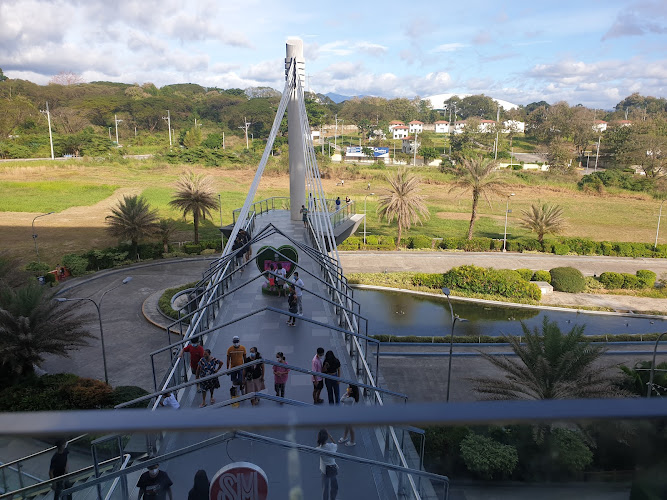
SM SJDM View Deck
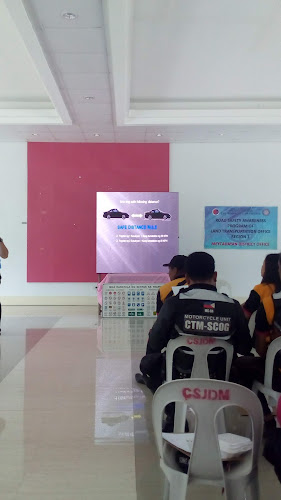
San Jose Del Monte Activity Center, Bulacan
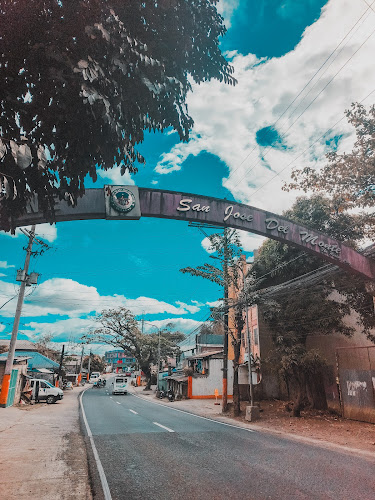
San Jose Del Monte Welcoming Arch
Find Accommodations Nearby
Recommended Tours & Activities
Visitor Reviews
There are no reviews yet. Be the first one to write one.
Share Your Experience
Have you visited Kaybanban? Help other travelers by leaving a review.