
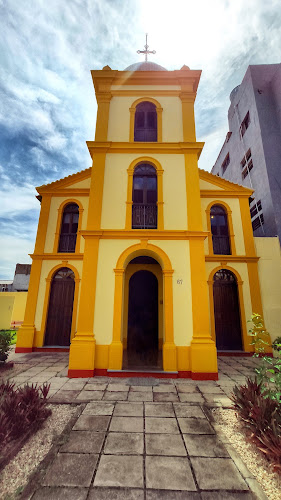
Museu de Arte Sacra
About Museu de Arte Sacra
Description
The Museu de Arte Sacra is one of those places that quietly surprises you. It sits in the heart of São José dos Campos and feels like a small pocket of calm amid the city’s usual rhythm. The museum is dedicated to sacred art, but it’s not just about religion—it’s about history, craftsmanship, and the way art can carry stories across centuries. You walk in expecting a typical museum experience, but what you find is something more intimate. The atmosphere is hushed, but not stiff. You can almost sense the devotion and patience behind every carved figure and painted panel.
What really stands out is how well the museum balances elegance with authenticity. The collection is beautifully curated, showcasing sculptures, paintings, and religious artifacts that span centuries of Brazilian and European influence. Some pieces are gilded and ornate, while others are simple and raw, yet equally powerful. And the building itself—recently restored—adds to the experience. Its architecture has that charming colonial touch, with high ceilings and soft light filtering through old windows that make you feel like you’ve stepped back in time.
It’s not a huge museum, but that’s part of its charm. You can take your time here, wander slowly, and actually absorb what you’re seeing. There’s something grounding about it. Personally, I found it refreshing to visit a place that doesn’t try too hard to impress—it just tells its story quietly and confidently. Whether you’re an art lover, a history buff, or just someone curious about Brazil’s cultural roots, this spot has a way of connecting with you on a deeper level. And yes, it’s also a great place to take a break from the heat and noise outside.
Key Features
- Rich Collection of Sacred Art: The museum features sculptures, paintings, and religious artifacts dating back several centuries, offering a fascinating glimpse into Brazil’s spiritual and artistic heritage.
- Historic Architecture: Housed in a beautifully restored building that retains its colonial charm, the museum itself is a piece of art worth admiring.
- Peaceful Atmosphere: The quiet, reflective environment makes it ideal for those seeking a calm cultural experience.
- Educational Value: Exhibits are well-presented with detailed information, making it a great learning stop for students and families alike.
- Accessibility: The entrance is wheelchair accessible, ensuring all visitors can enjoy the museum comfortably.
- Family-Friendly: The museum welcomes children and provides an engaging introduction to history and art for younger visitors.
- Restroom Facilities: On-site restrooms are available, adding convenience for travelers spending a few hours exploring.
One thing I particularly liked was how approachable the museum feels. You don’t need to be an art expert to appreciate what’s on display. The staff are friendly and happy to share stories behind the pieces if you ask. It’s the kind of place where you can learn something new without feeling overwhelmed. And if you’re the type who enjoys taking photos, the soft lighting and intricate details make for some truly beautiful shots—just remember to be respectful of the exhibits.
Best Time to Visit
If you’re planning a visit, I’d say go during the late morning or early afternoon. That’s when the light inside the museum is at its best—soft and golden, perfect for seeing the details in the artwork. Weekdays tend to be quieter, which makes it easier to take your time and really soak in the atmosphere. Weekends can get a bit busier, especially with families and school groups, but even then, it never feels overcrowded. And if you happen to be in town during local religious festivals or cultural events, that’s a great time to visit too. The museum often ties in special exhibits or guided tours that highlight connections between the art and local traditions.
Weather-wise, São José dos Campos has a fairly mild climate most of the year, but if you’re not a fan of humidity, aim for the cooler months from May to August. It’s more comfortable for walking around the city, and the museum’s calm interior feels even more inviting when the air outside is crisp.
How to Get There
Getting to the Museu de Arte Sacra is straightforward. If you’re staying anywhere near the city center, you can easily reach it on foot or by a short taxi or rideshare ride. Public transportation is also an option—several local bus routes stop nearby, and drivers are generally familiar with the museum’s location. For those driving, parking can sometimes be a bit tight in the immediate area, but there are paid lots a few blocks away that are safe and convenient.
Personally, I prefer walking there if the weather’s nice. It gives you a chance to explore the surrounding streets, which have a mix of old and new—tiny cafés, local shops, and a few other cultural spots that are worth popping into. It’s one of those neighborhoods where you can easily spend a half-day just wandering and discovering things you didn’t plan on seeing. And honestly, that’s part of the fun of travel, isn’t it?
Tips for Visiting
Here’s the thing about the Museu de Arte Sacra—it’s not a place you rush through. Take your time. Give yourself at least an hour or two to really appreciate the details. Some of the sculptures have such delicate craftsmanship that you notice new things the longer you look. And don’t be afraid to ask questions; the staff are genuinely passionate about the collection and love when visitors show interest.
- Arrive Early: Mornings are quieter and give you space to explore without distractions.
- Respect the Space: It’s a sacred art museum, so maintaining a calm and respectful tone is appreciated.
- No Restaurant On-site: Plan to eat before or after your visit. There are some great local cafés nearby where you can grab a coffee or light lunch.
- Photography: Check the rules before snapping pictures—some exhibits may have restrictions.
- Combine with Other Attractions: The museum pairs nicely with a visit to nearby cultural or historical landmarks, making for a full day of exploration.
- Bring Curiosity: Even if you’re not particularly religious, approach the art with an open mind. The craftsmanship and history behind each piece are fascinating in their own right.
One small personal note—when I visited, I remember standing in front of a wooden sculpture that had clearly been through centuries of devotion. The paint was chipped in places, and the gold leaf had faded, but somehow that made it more beautiful. It reminded me that art doesn’t have to be perfect to be meaningful. It just has to make you feel something. And that’s exactly what this museum does—it makes you feel connected to something bigger, older, and quietly enduring.
So if you’re passing through São José dos Campos and want a meaningful cultural experience, the Museu de Arte Sacra is absolutely worth adding to your list. It’s not flashy, but it’s full of heart. And sometimes, that’s exactly the kind of place that stays with you long after you’ve left.
Key Features
- Key Features
- Best Time to Visit
- How to Get There
- Tips for Visiting
More Details
Updated November 6, 2025
Table of Contents
Description
The Museu de Arte Sacra is one of those places that quietly surprises you. It sits in the heart of São José dos Campos and feels like a small pocket of calm amid the city’s usual rhythm. The museum is dedicated to sacred art, but it’s not just about religion—it’s about history, craftsmanship, and the way art can carry stories across centuries. You walk in expecting a typical museum experience, but what you find is something more intimate. The atmosphere is hushed, but not stiff. You can almost sense the devotion and patience behind every carved figure and painted panel.
What really stands out is how well the museum balances elegance with authenticity. The collection is beautifully curated, showcasing sculptures, paintings, and religious artifacts that span centuries of Brazilian and European influence. Some pieces are gilded and ornate, while others are simple and raw, yet equally powerful. And the building itself—recently restored—adds to the experience. Its architecture has that charming colonial touch, with high ceilings and soft light filtering through old windows that make you feel like you’ve stepped back in time.
It’s not a huge museum, but that’s part of its charm. You can take your time here, wander slowly, and actually absorb what you’re seeing. There’s something grounding about it. Personally, I found it refreshing to visit a place that doesn’t try too hard to impress—it just tells its story quietly and confidently. Whether you’re an art lover, a history buff, or just someone curious about Brazil’s cultural roots, this spot has a way of connecting with you on a deeper level. And yes, it’s also a great place to take a break from the heat and noise outside.
Key Features
- Rich Collection of Sacred Art: The museum features sculptures, paintings, and religious artifacts dating back several centuries, offering a fascinating glimpse into Brazil’s spiritual and artistic heritage.
- Historic Architecture: Housed in a beautifully restored building that retains its colonial charm, the museum itself is a piece of art worth admiring.
- Peaceful Atmosphere: The quiet, reflective environment makes it ideal for those seeking a calm cultural experience.
- Educational Value: Exhibits are well-presented with detailed information, making it a great learning stop for students and families alike.
- Accessibility: The entrance is wheelchair accessible, ensuring all visitors can enjoy the museum comfortably.
- Family-Friendly: The museum welcomes children and provides an engaging introduction to history and art for younger visitors.
- Restroom Facilities: On-site restrooms are available, adding convenience for travelers spending a few hours exploring.
One thing I particularly liked was how approachable the museum feels. You don’t need to be an art expert to appreciate what’s on display. The staff are friendly and happy to share stories behind the pieces if you ask. It’s the kind of place where you can learn something new without feeling overwhelmed. And if you’re the type who enjoys taking photos, the soft lighting and intricate details make for some truly beautiful shots—just remember to be respectful of the exhibits.
Best Time to Visit
If you’re planning a visit, I’d say go during the late morning or early afternoon. That’s when the light inside the museum is at its best—soft and golden, perfect for seeing the details in the artwork. Weekdays tend to be quieter, which makes it easier to take your time and really soak in the atmosphere. Weekends can get a bit busier, especially with families and school groups, but even then, it never feels overcrowded. And if you happen to be in town during local religious festivals or cultural events, that’s a great time to visit too. The museum often ties in special exhibits or guided tours that highlight connections between the art and local traditions.
Weather-wise, São José dos Campos has a fairly mild climate most of the year, but if you’re not a fan of humidity, aim for the cooler months from May to August. It’s more comfortable for walking around the city, and the museum’s calm interior feels even more inviting when the air outside is crisp.
How to Get There
Getting to the Museu de Arte Sacra is straightforward. If you’re staying anywhere near the city center, you can easily reach it on foot or by a short taxi or rideshare ride. Public transportation is also an option—several local bus routes stop nearby, and drivers are generally familiar with the museum’s location. For those driving, parking can sometimes be a bit tight in the immediate area, but there are paid lots a few blocks away that are safe and convenient.
Personally, I prefer walking there if the weather’s nice. It gives you a chance to explore the surrounding streets, which have a mix of old and new—tiny cafés, local shops, and a few other cultural spots that are worth popping into. It’s one of those neighborhoods where you can easily spend a half-day just wandering and discovering things you didn’t plan on seeing. And honestly, that’s part of the fun of travel, isn’t it?
Tips for Visiting
Here’s the thing about the Museu de Arte Sacra—it’s not a place you rush through. Take your time. Give yourself at least an hour or two to really appreciate the details. Some of the sculptures have such delicate craftsmanship that you notice new things the longer you look. And don’t be afraid to ask questions; the staff are genuinely passionate about the collection and love when visitors show interest.
- Arrive Early: Mornings are quieter and give you space to explore without distractions.
- Respect the Space: It’s a sacred art museum, so maintaining a calm and respectful tone is appreciated.
- No Restaurant On-site: Plan to eat before or after your visit. There are some great local cafés nearby where you can grab a coffee or light lunch.
- Photography: Check the rules before snapping pictures—some exhibits may have restrictions.
- Combine with Other Attractions: The museum pairs nicely with a visit to nearby cultural or historical landmarks, making for a full day of exploration.
- Bring Curiosity: Even if you’re not particularly religious, approach the art with an open mind. The craftsmanship and history behind each piece are fascinating in their own right.
One small personal note—when I visited, I remember standing in front of a wooden sculpture that had clearly been through centuries of devotion. The paint was chipped in places, and the gold leaf had faded, but somehow that made it more beautiful. It reminded me that art doesn’t have to be perfect to be meaningful. It just has to make you feel something. And that’s exactly what this museum does—it makes you feel connected to something bigger, older, and quietly enduring.
So if you’re passing through São José dos Campos and want a meaningful cultural experience, the Museu de Arte Sacra is absolutely worth adding to your list. It’s not flashy, but it’s full of heart. And sometimes, that’s exactly the kind of place that stays with you long after you’ve left.
Key Highlights
- Key Features
- Best Time to Visit
- How to Get There
- Tips for Visiting
Location
Places to Stay Near Museu de Arte Sacra
Find and Book a Tour
Explore More Travel Guides
No reviews found! Be the first to review!
Traveler Reviews for Museu de Arte Sacra
There are no reviews yet. Be the first one to write one.
Have you visited Museu de Arte Sacra? Help other travelers by sharing your review.
You Might Also Like

Faro Shopping
Visit Vale Local Tour Operator
Passagem Subterrânea Jaguari
Find Accommodations Nearby
Recommended Tours & Activities
Visitor Reviews
There are no reviews yet. Be the first one to write one.
Share Your Experience
Have you visited Museu de Arte Sacra? Help other travelers by leaving a review.