Monumento Colonia Japonesa Jardim Aquarius
About Monumento Colonia Japonesa Jardim Aquarius
Description
The Monumento Colonia Japonesa in Jardim Aquarius stands as a quiet yet powerful reminder of the enduring friendship between Japan and Brazil. It’s not just a monument; it’s a story carved in stone and steel, telling of migration, resilience, and cultural blending. Located in a well-kept public square surrounded by modern buildings and leafy corners, it feels like stepping into a small pocket of serenity in the middle of São José dos Campos’ urban rhythm. The place somehow manages to feel both solemn and uplifting at the same time.
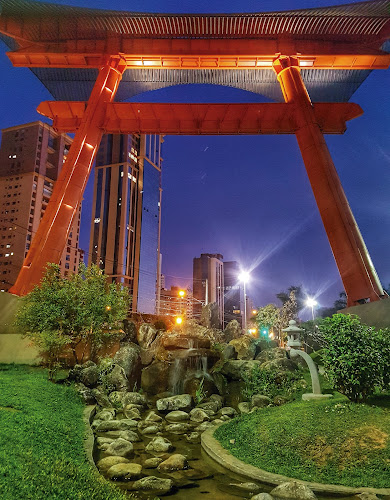
When you walk through the park, the first thing that catches your eye is the tall red Torii gate, a traditional Japanese symbol marking the entrance to sacred ground. Its bold color contrasts beautifully with the green of the gardens and the blue of the São Paulo sky. I remember the first time I visited—it was a lazy Sunday morning, and a group of elderly people were practicing Tai Chi near the monument. The slow, graceful movements against the backdrop of the Torii made me pause for a while, just to take it all in. It’s that kind of place—simple but full of meaning if you stop long enough to notice.
The area around the monument is surprisingly peaceful, considering it’s right in a busy district. Families stroll around, kids chase pigeons, and locals often come here to unwind after work. There’s a sense of respect in the air, like everyone knows this spot represents something bigger than it looks. The city’s revitalization efforts have made it even more inviting, with improved lighting, fresh paint, and a touch of landscaping that adds life without taking away the monument’s authenticity.
Although not a huge tourist magnet compared to São Paulo’s big attractions, the Monumento Colonia Japonesa has that hidden-gem charm that travelers love discovering. It’s ideal for people who appreciate culture, photography, or just a quiet moment of reflection. And if you’re into Japanese culture, this place will definitely strike a chord. It’s a small but meaningful tribute to the Japanese community that helped shape the identity of São José dos Campos.
Key Features
- A large, traditional Japanese Torii gate symbolizing the connection between cultures
- Peaceful garden surroundings with benches and shaded areas for relaxation
- Wheelchair-accessible pathways and parking for inclusive access
- Kid-friendly open spaces perfect for families and casual strolls
- Beautiful lighting at night that highlights the monument’s structure
- Ideal spot for photography, especially during sunrise and sunset
- Nearby cafés and restaurants offering local and Japanese-inspired cuisine
Best Time to Visit
If you ask locals, they’ll probably tell you that early morning or late afternoon is when the monument looks its best. The light hits the Torii just right, casting long shadows that make for stunning photos. I personally prefer late afternoons—the air cools down, and you can catch that golden-hour glow that photographers dream about.
Weekends tend to be livelier, with families and joggers passing through, while weekdays offer a quieter, more meditative experience. Visiting during spring (September to November) is lovely because the nearby trees bloom, adding a splash of color that frames the monument beautifully. And if you’re lucky, you might stumble upon a cultural event or small local gathering celebrating Japanese traditions.
How to Get There
Getting to the Monumento Colonia Japonesa is quite straightforward. São José dos Campos has a well-connected transport system, and taxis or ride-share services can easily drop you off near the entrance. If you’re staying downtown, it’s only a short drive away. Public buses also stop within walking distance of the park, making it accessible even for those without a car.
For travelers coming from São Paulo, the drive takes about an hour and a half, depending on traffic. It’s a pleasant route, especially if you enjoy scenic views along the way. Parking is available nearby, and it’s wheelchair accessible, which is always a plus. I’ve even seen cyclists stop by for a quick rest and a photo before continuing their route through the city.
Tips for Visiting
Before you go, here are a few things I’ve learned from visiting more times than I can count. First, bring a bottle of water—there’s shade, but São José dos Campos can get pretty warm, especially in summer. If you’re into photography, go during the golden hours for the best lighting. The red Torii against a soft sky makes for a truly striking shot.
Wear comfortable shoes because you’ll probably want to wander around the park a bit. It’s not huge, but there’s enough to explore—small garden paths, a few sculptures, and even a couple of quiet corners perfect for reading or journaling. And if you’re traveling with kids, they’ll love the open space to run around safely.
For those interested in culture, take a moment to read the plaques and observe the details of the monument. There’s a quiet dignity in its design that tells a story of migration, hope, and community. It’s easy to rush through, but slowing down here really pays off.
If you’re planning to stay nearby, pick a hotel in the Jardim Aquarius neighborhood—safe, modern, and full of good food options. After your visit, you can grab a coffee or try some Japanese-Brazilian fusion dishes at one of the local restaurants. I once stumbled upon a tiny café serving matcha lattes and pão de queijo—honestly, one of the best combinations I’ve ever had.
Lastly, respect the space. It’s a memorial as much as it is a tourist attraction. Locals treat it with a sense of pride and reverence, so keeping noise low and leaving no trash behind goes a long way. You’ll find that the atmosphere here encourages mindfulness—it’s the kind of place that reminds you to slow down and appreciate the small details.
In the end, the Monumento Colonia Japonesa isn’t just a photo stop—it’s a piece of history standing quietly among modern life. Whether you’re a traveler chasing cultural experiences or someone who enjoys peaceful urban escapes, this monument offers both. It’s a small detour that leaves a lasting impression, a reminder of how cultural roots continue to shape the identity of a city and its people.
Key Features
- A large, traditional Japanese Torii gate symbolizing the connection between cultures
- Peaceful garden surroundings with benches and shaded areas for relaxation
- Wheelchair-accessible pathways and parking for inclusive access
- Kid-friendly open spaces perfect for families and casual strolls
- Beautiful lighting at night that highlights the monument’s structure
- Ideal spot for photography, especially during sunrise and sunset
- Nearby cafés and restaurants offering local and Japanese-inspired cuisine
More Details
Updated November 6, 2025
Table of Contents
- Description
- Key Features
- Best Time to Visit
- How to Get There
- Tips for Visiting
- Key Highlights
- Location
- Places to Stay Near Monumento Colonia Japonesa Jardim Aquarius
- Find and Book a Tour
- Explore More Travel Guides
- Nearby Places You Might Like
- Traveler Reviews for Monumento Colonia Japonesa Jardim Aquarius
- Share Your Experience
Description
The Monumento Colonia Japonesa in Jardim Aquarius stands as a quiet yet powerful reminder of the enduring friendship between Japan and Brazil. It’s not just a monument; it’s a story carved in stone and steel, telling of migration, resilience, and cultural blending. Located in a well-kept public square surrounded by modern buildings and leafy corners, it feels like stepping into a small pocket of serenity in the middle of São José dos Campos’ urban rhythm. The place somehow manages to feel both solemn and uplifting at the same time.
When you walk through the park, the first thing that catches your eye is the tall red Torii gate, a traditional Japanese symbol marking the entrance to sacred ground. Its bold color contrasts beautifully with the green of the gardens and the blue of the São Paulo sky. I remember the first time I visited—it was a lazy Sunday morning, and a group of elderly people were practicing Tai Chi near the monument. The slow, graceful movements against the backdrop of the Torii made me pause for a while, just to take it all in. It’s that kind of place—simple but full of meaning if you stop long enough to notice.
The area around the monument is surprisingly peaceful, considering it’s right in a busy district. Families stroll around, kids chase pigeons, and locals often come here to unwind after work. There’s a sense of respect in the air, like everyone knows this spot represents something bigger than it looks. The city’s revitalization efforts have made it even more inviting, with improved lighting, fresh paint, and a touch of landscaping that adds life without taking away the monument’s authenticity.
Although not a huge tourist magnet compared to São Paulo’s big attractions, the Monumento Colonia Japonesa has that hidden-gem charm that travelers love discovering. It’s ideal for people who appreciate culture, photography, or just a quiet moment of reflection. And if you’re into Japanese culture, this place will definitely strike a chord. It’s a small but meaningful tribute to the Japanese community that helped shape the identity of São José dos Campos.
Key Features
- A large, traditional Japanese Torii gate symbolizing the connection between cultures
- Peaceful garden surroundings with benches and shaded areas for relaxation
- Wheelchair-accessible pathways and parking for inclusive access
- Kid-friendly open spaces perfect for families and casual strolls
- Beautiful lighting at night that highlights the monument’s structure
- Ideal spot for photography, especially during sunrise and sunset
- Nearby cafés and restaurants offering local and Japanese-inspired cuisine
Best Time to Visit
If you ask locals, they’ll probably tell you that early morning or late afternoon is when the monument looks its best. The light hits the Torii just right, casting long shadows that make for stunning photos. I personally prefer late afternoons—the air cools down, and you can catch that golden-hour glow that photographers dream about.
Weekends tend to be livelier, with families and joggers passing through, while weekdays offer a quieter, more meditative experience. Visiting during spring (September to November) is lovely because the nearby trees bloom, adding a splash of color that frames the monument beautifully. And if you’re lucky, you might stumble upon a cultural event or small local gathering celebrating Japanese traditions.
How to Get There
Getting to the Monumento Colonia Japonesa is quite straightforward. São José dos Campos has a well-connected transport system, and taxis or ride-share services can easily drop you off near the entrance. If you’re staying downtown, it’s only a short drive away. Public buses also stop within walking distance of the park, making it accessible even for those without a car.
For travelers coming from São Paulo, the drive takes about an hour and a half, depending on traffic. It’s a pleasant route, especially if you enjoy scenic views along the way. Parking is available nearby, and it’s wheelchair accessible, which is always a plus. I’ve even seen cyclists stop by for a quick rest and a photo before continuing their route through the city.
Tips for Visiting
Before you go, here are a few things I’ve learned from visiting more times than I can count. First, bring a bottle of water—there’s shade, but São José dos Campos can get pretty warm, especially in summer. If you’re into photography, go during the golden hours for the best lighting. The red Torii against a soft sky makes for a truly striking shot.
Wear comfortable shoes because you’ll probably want to wander around the park a bit. It’s not huge, but there’s enough to explore—small garden paths, a few sculptures, and even a couple of quiet corners perfect for reading or journaling. And if you’re traveling with kids, they’ll love the open space to run around safely.
For those interested in culture, take a moment to read the plaques and observe the details of the monument. There’s a quiet dignity in its design that tells a story of migration, hope, and community. It’s easy to rush through, but slowing down here really pays off.
If you’re planning to stay nearby, pick a hotel in the Jardim Aquarius neighborhood—safe, modern, and full of good food options. After your visit, you can grab a coffee or try some Japanese-Brazilian fusion dishes at one of the local restaurants. I once stumbled upon a tiny café serving matcha lattes and pão de queijo—honestly, one of the best combinations I’ve ever had.
Lastly, respect the space. It’s a memorial as much as it is a tourist attraction. Locals treat it with a sense of pride and reverence, so keeping noise low and leaving no trash behind goes a long way. You’ll find that the atmosphere here encourages mindfulness—it’s the kind of place that reminds you to slow down and appreciate the small details.
In the end, the Monumento Colonia Japonesa isn’t just a photo stop—it’s a piece of history standing quietly among modern life. Whether you’re a traveler chasing cultural experiences or someone who enjoys peaceful urban escapes, this monument offers both. It’s a small detour that leaves a lasting impression, a reminder of how cultural roots continue to shape the identity of a city and its people.

Key Highlights
- A large, traditional Japanese Torii gate symbolizing the connection between cultures
- Peaceful garden surroundings with benches and shaded areas for relaxation
- Wheelchair-accessible pathways and parking for inclusive access
- Kid-friendly open spaces perfect for families and casual strolls
- Beautiful lighting at night that highlights the monument’s structure
- Ideal spot for photography, especially during sunrise and sunset
- Nearby cafés and restaurants offering local and Japanese-inspired cuisine
Location
Places to Stay Near Monumento Colonia Japonesa Jardim Aquarius
Find and Book a Tour
Explore More Travel Guides
No reviews found! Be the first to review!
Traveler Reviews for Monumento Colonia Japonesa Jardim Aquarius
There are no reviews yet. Be the first one to write one.
Have you visited Monumento Colonia Japonesa Jardim Aquarius? Help other travelers by sharing your review.
Find Accommodations Nearby
Recommended Tours & Activities
Visitor Reviews
There are no reviews yet. Be the first one to write one.
Share Your Experience
Have you visited Monumento Colonia Japonesa Jardim Aquarius? Help other travelers by leaving a review.