
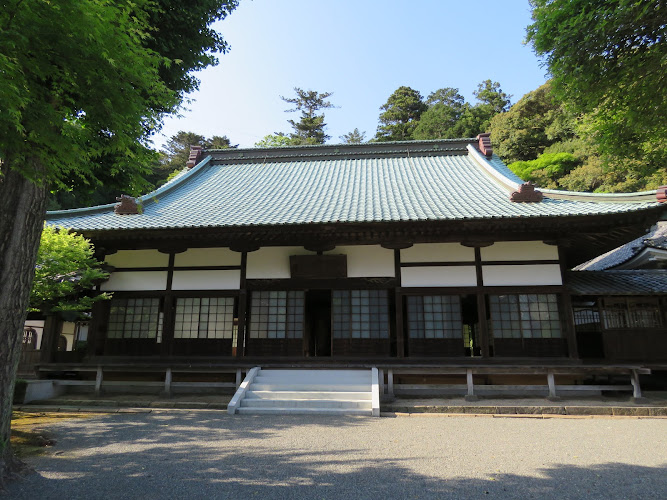
Ryūtaku-ji
About Ryūtaku-ji
Description
Ryūtaku-ji is one of those places that quietly hums with centuries of wisdom. Tucked away in Mishima, this Rinzai Zen Buddhist temple belongs to the Myōshin-ji branch, and it’s far more than just another beautiful temple in Japan—it’s a living, breathing sanctuary of calm. The temple’s origins trace back to the 14th century, though the current form owes much to the famous Zen master Hakuin Ekaku, who revitalized it in the 18th century. You can almost feel his presence in the stillness of the zendo and the simplicity of the gardens. There’s something about the way the air moves through the cedars here that makes you want to slow down, breathe, and just be.
Walking through the temple grounds, you’ll notice the subtle contrast between its rustic wooden structures and the meticulous landscaping. Moss creeps over ancient stones, and the koi ponds seem to mirror the passing clouds. It’s not flashy or crowded like some of Kyoto’s temples. Instead, Ryūtaku-ji feels personal—like it’s letting you in on a secret. I remember sitting on one of the benches near the meditation hall, listening to the wind rustle through the bamboo. It was one of those rare moments where everything—time, sound, thought—just stopped. That’s the kind of peace this place offers.
While it’s not the easiest spot to stumble upon, those who make the trip often find themselves deeply moved by the temple’s authenticity. It’s a working temple, meaning you might see monks tending to the gardens, sweeping paths, or engaging in zazen (seated meditation). There’s no sense of performance here—just a quiet rhythm that feels timeless. The temple’s understated beauty and spiritual depth make it a must-visit for travelers looking to experience a more genuine side of Japanese Zen culture.
Key Features
- Zen Heritage: Ryūtaku-ji is part of the Rinzai Zen tradition, emphasizing direct experience and mindfulness through meditation.
- Historic Significance: Revived by Hakuin Ekaku, one of Japan’s most influential Zen masters, whose teachings still shape Zen practice today.
- Traditional Architecture: The temple buildings showcase Edo-period design—simple wooden structures, sliding doors, and tatami interiors that exude quiet elegance.
- Peaceful Gardens: The surrounding gardens feature stone lanterns, moss-covered walkways, and water features that invite reflection and calm.
- Zazen Sessions: Visitors can sometimes participate in meditation sessions, experiencing firsthand the discipline and serenity of Zen practice.
- Seasonal Beauty: Cherry blossoms in spring, lush greenery in summer, fiery maples in autumn, and a serene hush in winter—each season transforms the temple’s atmosphere.
- Authentic Experience: Unlike tourist-heavy temples, Ryūtaku-ji retains its quiet, spiritual essence, offering visitors a genuine glimpse into monastic life.
- Local Connection: The temple has deep ties to the Mishima community, often hosting small-scale cultural and spiritual events.
Best Time to Visit
If you ask me, the best time to visit Ryūtaku-ji depends on what kind of mood you’re chasing. Spring is magical—cherry blossoms drift across the temple grounds like soft pink snow. It’s poetic, and yes, a bit cliché, but when you’re standing there watching petals float across a koi pond, you’ll understand why everyone raves about it. Summer brings lush greenery and the hum of cicadas, which somehow amplifies the meditative stillness rather than disturbing it. Autumn is my personal favorite though. The maple leaves turn deep shades of red and gold, and the crisp air feels cleansing. Winter, while quieter, has its own charm. The temple dusted with snow is hauntingly beautiful, though it can be chilly enough to make your breath visible as you walk the grounds.
If you prefer solitude, go early in the morning or on a weekday. The light is softer, and you’ll likely have the space to yourself. There’s something about hearing your own footsteps echo on the stone paths that makes the experience feel more intimate. Avoid major holidays if you can—though it’s never truly crowded, the temple’s peaceful rhythm is best appreciated in silence.
How to Get There
Getting to Ryūtaku-ji isn’t complicated, but it does take a bit of planning. The temple sits in Mishima, within Shizuoka Prefecture, and the nearest major transport hub is Mishima Station, which is on the Tokaido Shinkansen line. That means you can easily reach it from Tokyo or Kyoto in under two hours. From the station, it’s just a short taxi ride or a pleasant walk if you’re up for it. Personally, I love walking—it gives me time to take in the small-town charm of Mishima, with its quiet streets, local shops, and the distant view of Mount Fuji on a clear day.
Public buses also run routes that stop near the temple, but schedules can vary, so double-check before you set out. If you’re driving, parking is available nearby, though spaces are limited. Just remember that the road leading up to the temple can be narrow, so take it slow. It’s one of those journeys where getting there feels like part of the experience. The closer you get, the more the city noise fades, replaced by the soft rhythm of wind and birdsong.
Tips for Visiting
First things first—this is an active temple, not just a sightseeing spot. Respect the monks and the space by keeping your voice low and dressing modestly. Shoes come off when entering certain buildings, so wear something easy to slip on and off. And while photography is usually allowed in the gardens, it’s best to ask or look for posted signs before snapping pictures inside the temple halls.
If you’re interested in meditation, check ahead to see if there are any open zazen sessions. Even if you’ve never meditated before, don’t worry—the monks are patient and welcoming. Sitting still for even ten minutes in that tranquil environment can feel transformative. Bring a small notebook if you like journaling; I often jot down thoughts after meditating, and some of my best reflections have come from quiet moments here.
There are restrooms available on-site, but no cafés or vending machines inside the temple grounds, so bring a bottle of water, especially in summer. The temple isn’t wheelchair accessible, which can make visiting challenging for some travelers, but the surrounding area is relatively flat and easy to navigate. If you’re visiting in winter, bundle up—the wooden halls can get chilly.
One small thing that always strikes me about Ryūtaku-ji is how it encourages you to slow down. Don’t rush from one building to another. Take your time. Notice the patterns in the gravel, the way the light hits the wooden beams, the faint scent of incense drifting through the air. You’ll leave feeling lighter, calmer, and maybe even a bit wiser. And if you’re lucky, you might catch a glimpse of a monk tending the garden—an image that somehow sums up the entire spirit of the place: quiet dedication, moment by moment.
For travelers seeking a deeper connection with Japan’s spiritual roots, Ryūtaku-ji offers exactly that. It’s not about grandiosity or spectacle—it’s about presence. And in a world that moves too fast, that’s a rare and precious thing.
Key Features
- Key Features
- Best Time to Visit
- How to Get There
- Tips for Visiting
More Details
Updated November 7, 2025
Table of Contents
Description
Ryūtaku-ji is one of those places that quietly hums with centuries of wisdom. Tucked away in Mishima, this Rinzai Zen Buddhist temple belongs to the Myōshin-ji branch, and it’s far more than just another beautiful temple in Japan—it’s a living, breathing sanctuary of calm. The temple’s origins trace back to the 14th century, though the current form owes much to the famous Zen master Hakuin Ekaku, who revitalized it in the 18th century. You can almost feel his presence in the stillness of the zendo and the simplicity of the gardens. There’s something about the way the air moves through the cedars here that makes you want to slow down, breathe, and just be.
Walking through the temple grounds, you’ll notice the subtle contrast between its rustic wooden structures and the meticulous landscaping. Moss creeps over ancient stones, and the koi ponds seem to mirror the passing clouds. It’s not flashy or crowded like some of Kyoto’s temples. Instead, Ryūtaku-ji feels personal—like it’s letting you in on a secret. I remember sitting on one of the benches near the meditation hall, listening to the wind rustle through the bamboo. It was one of those rare moments where everything—time, sound, thought—just stopped. That’s the kind of peace this place offers.
While it’s not the easiest spot to stumble upon, those who make the trip often find themselves deeply moved by the temple’s authenticity. It’s a working temple, meaning you might see monks tending to the gardens, sweeping paths, or engaging in zazen (seated meditation). There’s no sense of performance here—just a quiet rhythm that feels timeless. The temple’s understated beauty and spiritual depth make it a must-visit for travelers looking to experience a more genuine side of Japanese Zen culture.
Key Features
- Zen Heritage: Ryūtaku-ji is part of the Rinzai Zen tradition, emphasizing direct experience and mindfulness through meditation.
- Historic Significance: Revived by Hakuin Ekaku, one of Japan’s most influential Zen masters, whose teachings still shape Zen practice today.
- Traditional Architecture: The temple buildings showcase Edo-period design—simple wooden structures, sliding doors, and tatami interiors that exude quiet elegance.
- Peaceful Gardens: The surrounding gardens feature stone lanterns, moss-covered walkways, and water features that invite reflection and calm.
- Zazen Sessions: Visitors can sometimes participate in meditation sessions, experiencing firsthand the discipline and serenity of Zen practice.
- Seasonal Beauty: Cherry blossoms in spring, lush greenery in summer, fiery maples in autumn, and a serene hush in winter—each season transforms the temple’s atmosphere.
- Authentic Experience: Unlike tourist-heavy temples, Ryūtaku-ji retains its quiet, spiritual essence, offering visitors a genuine glimpse into monastic life.
- Local Connection: The temple has deep ties to the Mishima community, often hosting small-scale cultural and spiritual events.
Best Time to Visit
If you ask me, the best time to visit Ryūtaku-ji depends on what kind of mood you’re chasing. Spring is magical—cherry blossoms drift across the temple grounds like soft pink snow. It’s poetic, and yes, a bit cliché, but when you’re standing there watching petals float across a koi pond, you’ll understand why everyone raves about it. Summer brings lush greenery and the hum of cicadas, which somehow amplifies the meditative stillness rather than disturbing it. Autumn is my personal favorite though. The maple leaves turn deep shades of red and gold, and the crisp air feels cleansing. Winter, while quieter, has its own charm. The temple dusted with snow is hauntingly beautiful, though it can be chilly enough to make your breath visible as you walk the grounds.
If you prefer solitude, go early in the morning or on a weekday. The light is softer, and you’ll likely have the space to yourself. There’s something about hearing your own footsteps echo on the stone paths that makes the experience feel more intimate. Avoid major holidays if you can—though it’s never truly crowded, the temple’s peaceful rhythm is best appreciated in silence.
How to Get There
Getting to Ryūtaku-ji isn’t complicated, but it does take a bit of planning. The temple sits in Mishima, within Shizuoka Prefecture, and the nearest major transport hub is Mishima Station, which is on the Tokaido Shinkansen line. That means you can easily reach it from Tokyo or Kyoto in under two hours. From the station, it’s just a short taxi ride or a pleasant walk if you’re up for it. Personally, I love walking—it gives me time to take in the small-town charm of Mishima, with its quiet streets, local shops, and the distant view of Mount Fuji on a clear day.
Public buses also run routes that stop near the temple, but schedules can vary, so double-check before you set out. If you’re driving, parking is available nearby, though spaces are limited. Just remember that the road leading up to the temple can be narrow, so take it slow. It’s one of those journeys where getting there feels like part of the experience. The closer you get, the more the city noise fades, replaced by the soft rhythm of wind and birdsong.
Tips for Visiting
First things first—this is an active temple, not just a sightseeing spot. Respect the monks and the space by keeping your voice low and dressing modestly. Shoes come off when entering certain buildings, so wear something easy to slip on and off. And while photography is usually allowed in the gardens, it’s best to ask or look for posted signs before snapping pictures inside the temple halls.
If you’re interested in meditation, check ahead to see if there are any open zazen sessions. Even if you’ve never meditated before, don’t worry—the monks are patient and welcoming. Sitting still for even ten minutes in that tranquil environment can feel transformative. Bring a small notebook if you like journaling; I often jot down thoughts after meditating, and some of my best reflections have come from quiet moments here.
There are restrooms available on-site, but no cafés or vending machines inside the temple grounds, so bring a bottle of water, especially in summer. The temple isn’t wheelchair accessible, which can make visiting challenging for some travelers, but the surrounding area is relatively flat and easy to navigate. If you’re visiting in winter, bundle up—the wooden halls can get chilly.
One small thing that always strikes me about Ryūtaku-ji is how it encourages you to slow down. Don’t rush from one building to another. Take your time. Notice the patterns in the gravel, the way the light hits the wooden beams, the faint scent of incense drifting through the air. You’ll leave feeling lighter, calmer, and maybe even a bit wiser. And if you’re lucky, you might catch a glimpse of a monk tending the garden—an image that somehow sums up the entire spirit of the place: quiet dedication, moment by moment.
For travelers seeking a deeper connection with Japan’s spiritual roots, Ryūtaku-ji offers exactly that. It’s not about grandiosity or spectacle—it’s about presence. And in a world that moves too fast, that’s a rare and precious thing.
Key Highlights
- Key Features
- Best Time to Visit
- How to Get There
- Tips for Visiting
Location
Places to Stay Near Ryūtaku-ji
Find and Book a Tour
Explore More Travel Guides
No reviews found! Be the first to review!
Traveler Reviews for Ryūtaku-ji
There are no reviews yet. Be the first one to write one.
Have you visited Ryūtaku-ji? Help other travelers by sharing your review.
You Might Also Like
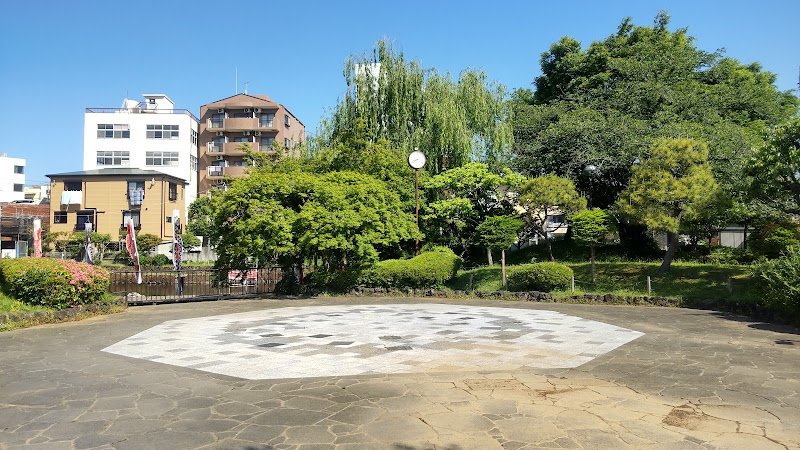
Komoike Park
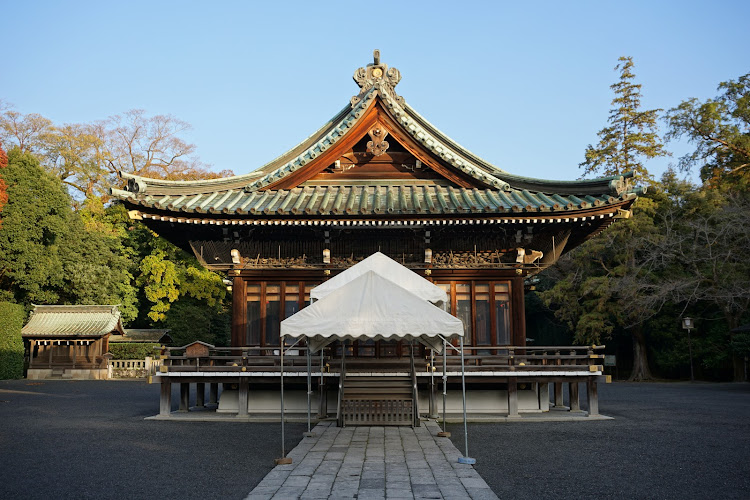
Mishima Taisha
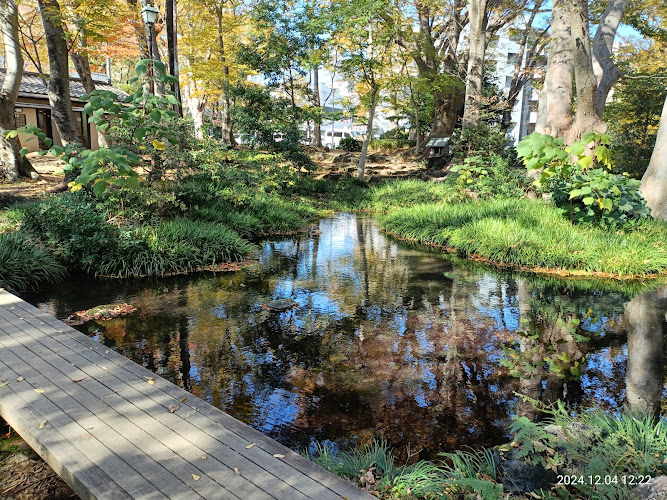
Shirataki Park
Find Accommodations Nearby
Recommended Tours & Activities
Visitor Reviews
There are no reviews yet. Be the first one to write one.
Share Your Experience
Have you visited Ryūtaku-ji? Help other travelers by leaving a review.