

Last modified August 17, 2026
Picking between an all-inclusive resort and a boutique hotel will shape your whole trip, no question. One hands you everything—meals, drinks, activities—so you barely think about your wallet. The other? It’s all about charm, character, and those little personal touches that stick with you long after you’ve checked out.
Honestly, if you want pure convenience, consider an all-inclusive option. If you crave personality and a real sense of place, boutique’s the way to go.
I’ve tried both, and the energy is night and day. At an all-inclusive, you roll out of bed, grab breakfast, and you’re snorkeling before your coffee kicks in. At a boutique hotel, you might linger over a cappuccino, swapping stories with the owner about the best hidden beach nearby.
It’s not just about where you sleep—it’s about how you experience the destination.
Key Takeaways
- All-inclusive means ease, variety, and you know what you’ll spend
- Boutique hotels lean into unique style, personal service, and atmosphere
- Your best bet depends on your travel style and what you want out of your trip
Key Differences Between All-Inclusive Resorts and Boutique Hotels

All-inclusives hand you a ready-made vacation, with nearly every detail taken care of. Boutique hotels? They’re all about individuality, charm, and a slower, more personal pace.
It comes down to scale, style, and how much you want to steer your days.
What Defines an All-Inclusive Resort
All-inclusive resorts are usually big places where your room, meals, drinks, and a bunch of activities come bundled into one price. You check in and, in theory, you could toss your wallet in the safe and not touch it again.
These spots usually sit in prime tourist zones—think Mexico’s beaches or the Caribbean’s turquoise stretches. You’ll spot multiple restaurants, bars, pools, and entertainment venues all packed in.
Some even toss in water sports, guided tours, or fitness classes. The main draw? Convenience. You barely have to plan beyond deciding if you want to hit the pool or the buffet first.
If you’re bringing kids, you’ll love the kids’ clubs and activities that let everyone do their thing.
What Makes a Hotel Boutique
Boutique hotels keep things small—usually under 100 rooms—and every one’s got its personality. Sometimes they’re tucked into a historic building, a hip neighborhood, or a quiet coastal village.
The design stands out—local art, handmade furniture, and little touches you won’t spot at a chain. Service feels different, too. Staff often remember your name, your breakfast quirks, maybe even how you take your coffee.
Instead of a dozen dining spots, you’ll probably find one small restaurant with a menu that’s been carefully put together. It’s about quality, not quantity.
Many travelers pick boutique hotels for that sense of place and a real connection to the local scene.
If you care more about atmosphere than endless amenities, boutique hotels can make your trip feel more like a personal retreat.
How the Guest Experience Differs
All-inclusives let you pack your days with as much as you want. Jump into poolside games, catch evening shows, or join group excursions. The vibe is social, and you’re usually surrounded by other guests.
Boutique hotels slow things down. Maybe you’ll wander the local market in the morning, then come back for a quiet drink in a cozy lounge. You set your rhythm, and nobody’s nudging you into group activities.
Costs feel different, too. All-inclusives give you a predictable bill, while boutique hotels charge separately for meals and extras. That’s a win if you like trying new restaurants every day.
If you’re on the fence, ask yourself if you want a ready-made itinerary or the freedom to build your day. And hey, you can always compare both styles as you book your stay.
See Related: Trip.com vs Agoda: 7 Powerful Insights For Your Next Hotel Booking
Amenities and Services Comparison
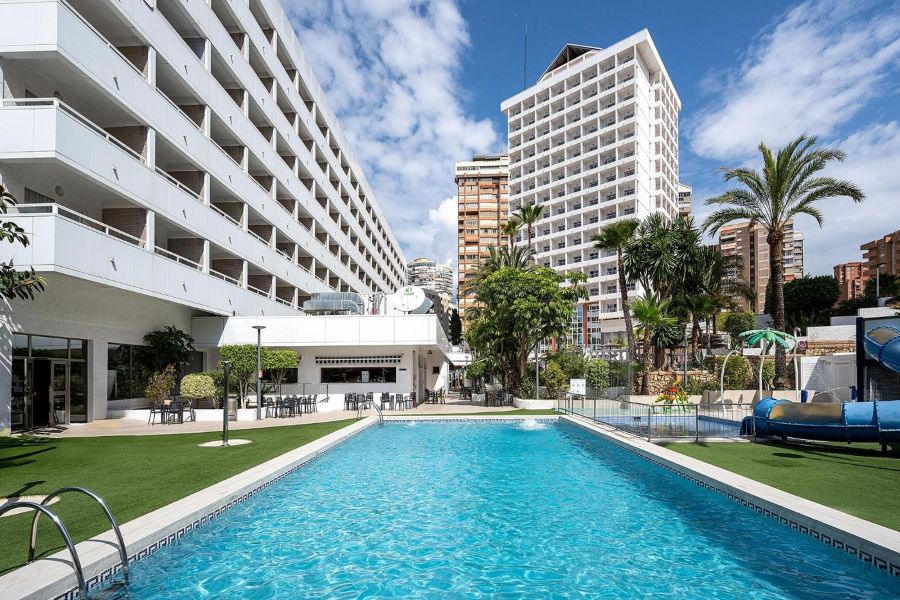
The spot you pick can change everything about your trip. Some places focus on convenience and variety, others on charm and those little personal touches.
You’ll notice the differences in amenities, service style, dining, and activities once you walk through the door.
Resort Amenities at All-Inclusive Properties
All-inclusive resorts are built for entertainment, so you don’t have to leave if you don’t want to. You’ll usually find multiple pools, fitness centers, and full-service spas.
Many have nightly shows, live music, and kids’ clubs, so parents can get a break.
The bigger ones feel like their own little towns—shops, bars, sometimes even medical services. You could spend a week there and never see the outside world.
If you love variety, these places make it easy. Yoga in the morning, swim-up bar in the afternoon, theater show at night—it’s all rolled into the price.
Personalized Service in Boutique Hotels
Boutique hotels swap big facilities for personalized attention. Staff remember your name, your coffee order, maybe even that you need extra pillows. You just don’t get that at a 500-room mega-resort.
Smaller spaces mean fewer guests, and the team has more time to focus on you. The front desk might share local tips, or the chef could whip up something special just for you.
Once, I stayed somewhere the owner walked me to a secret beach and even called ahead to snag a table at a family-run spot. You won’t see that in any brochure, but it can flip your trip from “nice” to “unforgettable.”
Dining Options and Top-Shelf Liquor
All-inclusives usually offer a bunch of restaurants—buffet, à la carte, sometimes sushi or steak. Drinks, even top-shelf liquor, are often included, though the quality can swing from resort to resort.
Boutique hotels might just have one small restaurant or a café. The menu’s tighter, but you’ll usually get fresh, local ingredients. Sometimes, breakfast arrives in a basket at your door.
Water Sports and On-Site Activities
Many all-inclusives throw in water sports like kayaking, paddleboarding, or snorkeling gear for free. Some even offer scuba lessons or sailing trips as part of the package.
You can fill your days without booking or paying extra for every little thing.
Boutique hotels rarely have the space or staff for that kind of on-site action. Instead, they’ll help you set up adventures through local operators. That can be a perk if you want unique or small-group experiences, like a private snorkeling trip or a guided hike you book through local activities.
Ideal Travel Styles and Guest Preferences

Your choice between an all-inclusive resort and a boutique hotel depends on how you like to spend your days, the kind of atmosphere you want, and just how much planning you’re up for.
Are you after convenience, personal attention, or the freedom to explore? That’s the real question.
Family Vacation Considerations
Traveling with kids? All-inclusives make things so much easier. Meals are ready when you need them, and you’re not scrambling for a restaurant after a long beach day.
Kids’ clubs, splash pools, and planned activities mean you might get a little “me time.”
Boutique hotels can work for families, but you’ll need to plan more. You might have to organize meals, excursions, or entertainment yourself.
Smaller places can feel calmer and less overwhelming, though.
When I took my niece and nephews along, I saw them thrive with a little structure. But if your crew loves wandering markets or eating somewhere new every night, a boutique might fit better. Booking flights early through Fly Cheap to Top Destinations can also free up more cash for those extra adventures.
Romantic Getaways and Privacy
Couples chasing privacy usually gravitate to boutique hotels. Fewer rooms, quieter corners, and more personalized touches. You might get a private terrace, a hidden garden, or breakfast in bed—no special request needed.
All-inclusives can be romantic, too, especially adults-only ones. You get multiple dining options, spa treatments, and beachfront loungers, all without worrying about logistics.
Some even offer private plunge pools or candlelit dinners on the sand.
If you’re celebrating something big, think about how much you want to mingle. I’ve stayed at a boutique where we barely saw another guest, but I’ve also loved the buzz of a resort with live music every night.
Solo and Group Travelers
Solo travelers often love the community feel of an all-inclusive. Group activities, shared tables, and on-site entertainment make it easy to meet people.
You don’t have to plan every meal or tour, which is a relief when you’re flying solo.
Boutique hotels suit solo travelers who want peace and independence. You’ll probably chat more with staff, and they’ll have great local tips.
Just remember, you might need to sort out your luggage storage if you arrive early or leave late.
For groups, all-inclusives make budgeting simple. Everyone pays upfront, so you avoid those awkward “who owes what” moments.
But if your group wants to split up and do different things, boutique hotels give you more flexibility.
See Related: FlightNetwork vs GoToGate: Which Travel Booking Site Offers Better Deals?
Budgeting and Value for Money
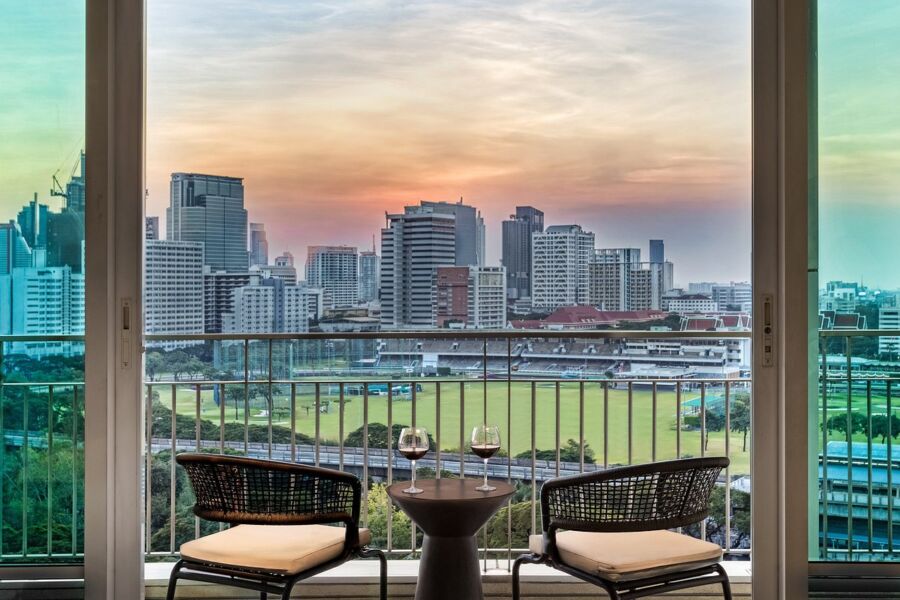
Your travel budget isn’t just about the nightly rate. How you pay for meals, drinks, and activities can change your total cost.
Small extras add up quickly, or they might already be baked into your stay without you realizing.
Cost Transparency at All-Inclusive Resorts
With an all-inclusive, you know most of your costs before you even show up. Accommodation, meals, drinks, and often entertainment are all bundled together.
That makes planning way easier—no surprise bills. When I travel with family or friends who eat at different times, it’s a lifesaver. No one’s splitting tabs or counting who owes what.
Order another coffee, try that extra dessert—no stress about the price.
Some resorts include airport transfers, water sports, and kids’ clubs. But not every “all-inclusive” means everything is covered. Premium drinks, off-site tours, and spa treatments usually cost extra, so always check the fine print.
Pay-As-You-Go at Boutique Hotels
Boutique hotels usually stick to pay-as-you-go. The room rate covers the basics—maybe breakfast—but you’ll pay for meals, drinks, and activities as you go.
If you love exploring local restaurants or don’t drink much, this can save you money. You’re not stuck paying for things you won’t use.
Once, I stayed at a boutique in Lisbon and spent my evenings at little neighborhood spots for half what a resort dinner would cost.
The flip side? Less predictability. Your total spend depends on your choices, so you’ll want to keep an eye on your budget.
Hidden Costs and Inclusions
Both options can sneak in hidden costs. At an all-inclusive, extras like spa treatments or premium excursions can get pricey. At a boutique, daily costs like taxis, bottled water, or service charges can creep up before you know it.
It’s smart to check what’s included. Make a quick list of your must-haves—Wi-Fi, breakfast, airport transfers—and see which place ticks the boxes.
Sometimes, buying travel insurance can help protect your budget if plans change.
Inclusions don’t just save money—they can save you time and hassle, and honestly, that’s worth a lot when you’re on vacation.
Location, Atmosphere, and Cultural Immersion
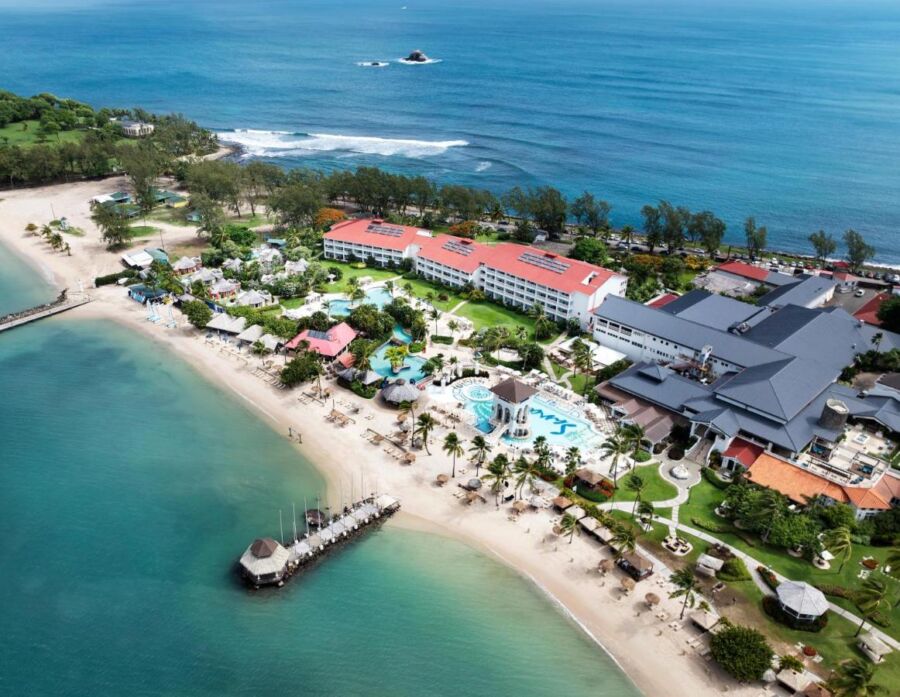
Where you stay shapes how your whole trip feels. The setting, the design, even the number of people around—these things shift how connected you feel to a place, the locals, and the rhythm of your days.
It’s wild how small details—like being able to wander to a neighborhood café or catch the sound of waves from your window—can completely change your experience.
Accessibility and Local Exploration
All-inclusive resorts usually snag the best beachfront spots, but they often sit far from city centers or historic neighborhoods. You’ll probably need to grab a taxi, hop in a shuttle, or rent a car if you want to see more than the resort itself.
Some folks barely ever leave the resort, which, honestly, can mean you miss out on local life.
Boutique hotels, though, tend to nestle right in the heart of neighborhoods or buzzing districts. You can just step outside and find yourself in a market, on a plaza, or surrounded by family-run restaurants.
You get to join a walking tour, jump on public transport, or even catch cheap flights for a spontaneous side adventure without much hassle.
If you’re after pure convenience and a vacation that feels like a bubble, the resort’s got you. But if you want to blend local sights into your daily routine without long drives, boutique hotels make that so much easier.
Unique Design and Local Influence
Boutique hotels really go all-in on local architecture, art, and materials. You’ll spot hand-painted tiles, reclaimed wood, or textiles crafted by nearby artisans.
The design tends to echo the region’s culture or history, so the space feels like it belongs right there—nowhere else.
All-inclusive resorts usually pick a polished, consistent style that works in any location. Some sprinkle in regional touches, but the overall look feels more standardized.
That’s not always a bad thing—comfort and familiar amenities can be a relief sometimes—but you might not get that sense of place that makes travel so memorable.
If you crave a stay that feels truly unique, boutique hotels deliver. Resorts, on the other hand, offer a more neutral backdrop, which some people prefer when they just want to chill without distractions.
Crowds, Exclusivity, and Privacy
All-inclusive resorts can pack in hundreds or even thousands of guests. Think busy pools, crowded buffets, and entertainment everywhere.
If you’re energized by crowds and love a lively scene, this can be a blast.
Boutique hotels keep things smaller—fewer rooms, fewer guests. That usually means quieter spaces, more personal service, and a better shot at finding a peaceful corner to unwind.
Privacy depends a lot on layout. Some resorts carve out private villas or adults-only areas, so you can still find seclusion even with a big crowd.
But overall, boutique hotels just feel more intimate because of their size and vibe.
See Related: Cheapest Places to Travel in 2026: Exploring on a Budget
Pros and Cons: Which Option Suits Your Trip?

Your perfect stay honestly comes down to how you like to travel, how much you want to plan, and what you care about most. Some places wrap everything up in a neat package, while others focus on charm and individuality instead of pure convenience.
Who Should Choose an All-Inclusive Resort
No need to stress about budgeting or hunting down restaurants when you’re suddenly starving.
These spots work especially well for families or groups. You can split up—maybe you’re at the pool while someone else is at the spa—and then meet up for dinner, no awkward bill-splitting needed.
The range of amenities is a real perk. Multiple pools, on-site shows, and several dining options mean you might not even feel the urge to leave.
But, that’s the flip side too—you might not leave the property much at all.
If you’re cool with a more contained experience and don’t mind that the “local culture” is curated for guests, you’ll probably love it here. Just be prepared for the buffet and activities to start feeling a bit same-y after a few days.
When Boutique Hotels Are the Better Choice
Boutique hotels are for travelers who want personality over predictability. You’re way more likely to get a room with quirky décor, a lobby that feels like someone’s cozy living room, and staff who genuinely remember your name.
These places often reflect local style—maybe through architecture, art, or even the food. I’ve had breakfasts at boutique hotels that tasted like they came straight from the neighborhood bakery, and that’s something big resorts just can’t pull off.
You’ll probably be in a walkable area, right near shops, cafés, and street life. Exploring is easy—no need for taxis or tours unless you want them.
You do give up some conveniences, though. There might be fewer amenities, and meals aren’t usually included.
If you like discovering new spots on your own, chatting with locals, and having a stay that doesn’t feel “copy-paste,” boutique hotels are worth it. Just know you’ll pay more per meal and have fewer on-site activities.
Frequently Asked Questions
Choosing between a boutique hotel and an all-inclusive resort comes down to what kind of trip you’re after. The differences show up in service, food, atmosphere, cost, and how close you feel to local culture.
What unique experiences can I expect when choosing a boutique hotel over an all-inclusive resort?
You might stay in a restored colonial house, a funky converted warehouse, or a design-forward spot run by locals who know the neighborhood. It’s not about mass entertainment; it’s about personal, memorable moments.u003cbru003eBoutique hotels often surprise you with details you’d never find at a big resort—like a handwritten note or décor that tells the building’s story.
How does the level of personalization in service compare between boutique hotels and all-inclusive resorts?
Boutique hotels tend to remember your name, your morning coffee, maybe even your favorite seat in the lounge. The staff have time to chat, offer tips, and adapt to whatever you need.u003cbru003eAll-inclusives offer friendly, efficient service, but they’re built to handle crowds—so it’s a little more structured, a little less personal.
Can you highlight the differences in dining options when staying at an all-inclusive resort versus a boutique hotel?
Boutique hotels might only have one restaurant—or none—but the food usually leans hard into local flavors and what’s in season. You’ll probably end up exploring nearby cafés and restaurants, which, honestly, is half the fun.u003cbru003eu003cbru003eAll-inclusive resorts give you multiple restaurants, buffets, and bars, all included. You can eat as much as you want without worrying about the bill.
What are the key differences in the atmosphere and guest experience between boutique hotels and all-inclusive resorts?
All-inclusives feel like self-contained vacation hubs—pools, entertainment, activities, all right there. You don’t have to leave if you don’t want to.u003cbru003eu003cbru003eBoutique hotels keep things quieter, more intimate, and way more connected to the local scene. You might chat with other guests over breakfast or swap stories with the owner in the lobby—it’s a different, more personal social vibe.
How does the cost value proposition typically differ between staying in a boutique hotel and an all-inclusive resort?
With all-inclusives, you pay one price upfront for your room, meals, drinks, and activities. That’s great if you want to know your total cost before you even get there.u003cbru003eBoutique hotels usually charge lower nightly rates, but you’ll pay extra for meals, drinks, and activities. Depending on where you stay and how you roll, it can end up costing more or less than an all-inclusive.
In terms of location and surrounding culture, how do boutique hotels and all-inclusive resorts usually differ?
Boutique hotels tend to pop up in those walkable neighborhoods you want to explore—think charming old districts or tucked-away scenic corners right in the heart of a city. Step outside, and you’re suddenly part of the local scene, not just a visitor peering in.u003cbru003eAll-inclusive resorts, on the other hand, usually claim their slice of paradise, far from the hustle and bustle. You’ll often find them lounging on private beaches or sprawling across lush grounds. Gorgeous? Absolutely. But let’s be honest, you might miss out on the real pulse of local life unless you make the effort to wander beyond those gates.