
Turquoise Museum
About Turquoise Museum
Description
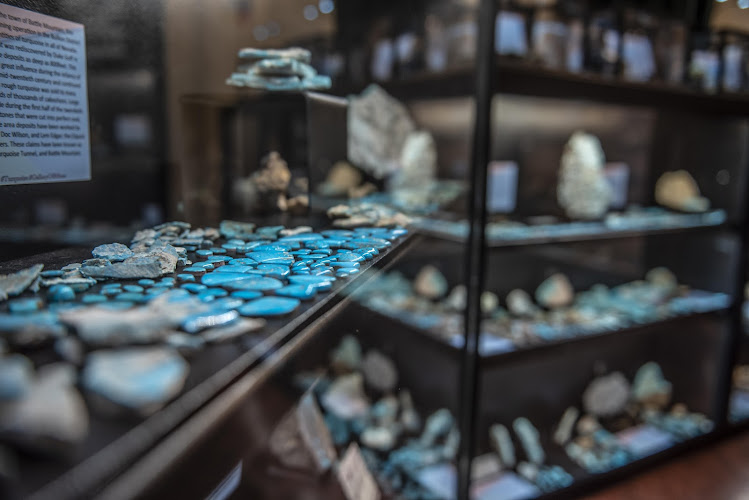
The Turquoise Museum is one of those places that quietly sneaks up on you. You might not expect much from the outside, but once you step through the doors, it’s like walking into a hidden gem (pun completely intended). The museum offers an in-depth look at turquoise — its geology, cultural significance, and craftsmanship — and it does so in a way that’s both educational and surprisingly personal. It’s not just about rows of stones behind glass; it’s about stories, heritage, and the artistry of turning raw rock into something that’s been cherished for centuries.
There’s a warmth to the place that you don’t always find in museums. Maybe it’s because it’s family-run, or maybe because the guides genuinely care about what they’re sharing. Visitors often comment on how engaging the guided tours are — and they’re right. The guides know their stuff, but they also know how to make geology fascinating, even for kids who might otherwise be itching to leave. You’ll get to see turquoise from all over the world, learn how to tell real from fake (a surprisingly common issue), and even handle some of the stones yourself. That hands-on element makes it memorable. I still remember the first time I held a raw turquoise nugget; it had a cool, earthy weight to it that made me appreciate it in a whole new way.
What’s also lovely is the balance between science and art. You’ll see how turquoise forms deep underground, but also how it’s transformed into stunning jewelry and decorative pieces. The museum’s displays are beautifully arranged — not flashy, but thoughtfully designed to highlight the stone’s natural beauty. And if you’re into photography, you’ll find plenty of spots to capture those deep blues and greens that seem to shift color depending on the light.
Of course, not every visitor leaves completely blown away. Some people wish it were bigger or had more interactive exhibits, and that’s fair. It’s not a sprawling Smithsonian-type museum; it’s more intimate, more focused. But that’s part of its charm. You can take your time, really absorb the details, and actually talk to the people who know the material best. And honestly, that kind of personal connection is rare these days.
For anyone with even a passing interest in gemstones, Native American art, or New Mexico’s cultural history, the Turquoise Museum is worth a few hours of your time. It’s educational without being stuffy, and it’s family-friendly without feeling watered down. It’s the kind of place where you walk out knowing a little more about the world — and maybe treating your jewelry with a bit more reverence than before.
Key Features
- Guided Tours: Expert-led tours that explain turquoise’s geological formation, mining history, and cultural significance in a way that’s engaging and easy to follow.
- Hands-On Exhibits: Visitors can touch and examine real turquoise specimens, seeing firsthand the difference between natural and treated stones.
- Extensive Collection: One of the largest private turquoise collections in the world, featuring stones from multiple continents.
- Gift Shop: Offers handcrafted turquoise jewelry, books, and unique souvenirs — perfect for travelers looking to take home a piece of New Mexico.
- Café and Rest Areas: A small café and comfortable seating areas where you can relax after your tour.
- Accessibility: Fully wheelchair accessible, including parking, entrances, and restrooms.
- Family-Friendly: Interactive displays and approachable guides make it a great stop for kids and adults alike.
- Educational Focus: Exhibits that blend science, art, and history to give visitors a deeper appreciation of turquoise’s role in human culture.
Best Time to Visit
Honestly, there’s no bad time to visit the Turquoise Museum, but if you want the best experience, aim for a weekday morning. The crowds are lighter, and you’ll have more time to chat with the guides or linger over exhibits that catch your eye. Summer tends to bring more tourists to Albuquerque in general, so things can get busier then. Spring and fall are ideal — the weather’s mild, and you can pair your museum visit with a stroll through the nearby downtown area or a stop at one of the local cafés afterward.
During the winter months, the museum has a cozy, quiet atmosphere that I personally love. There’s something about learning about gemstones while it’s chilly outside that feels right — maybe it’s the contrast of those cool turquoise hues against the gray skies. If you’re traveling with kids, weekends can be fun too, since there are often more families around, and the guides tend to tailor their tours to keep younger visitors engaged.
How to Get There
The Turquoise Museum is located in the heart of Albuquerque, making it easy to reach whether you’re staying downtown or coming from elsewhere in the city. If you’re driving, there’s on-site parking available, which is a nice perk — no need to circle the block hunting for a spot. For those relying on public transportation, several bus routes stop nearby. Taxis and rideshares are also convenient options, especially if you’re planning to explore other attractions in the area the same day.
If you’re visiting from out of town, the museum is only a short drive from the Albuquerque International Sunport, so you could easily fit it into your itinerary on your first or last day in the city. And if you’re the kind of traveler who likes to walk and explore, the surrounding area offers plenty of small shops and restaurants worth checking out before or after your visit.
Tips for Visiting
Here’s the thing — a visit to the Turquoise Museum is best enjoyed when you slow down a bit. Don’t rush through it. The exhibits are detailed, and the guides have stories that make the experience richer if you take the time to listen. Here are a few tips to make your visit smoother and more enjoyable:
- Book your tickets ahead of time. Tours can fill up, especially during weekends or holidays, and getting tickets in advance ensures you won’t miss out.
- Ask questions. The guides are incredibly knowledgeable and love sharing what they know. Whether it’s about mining techniques or how to spot fake turquoise, they’ll have an answer.
- Bring a camera. The displays are beautiful, and the lighting is great for photos — just be mindful of any no-flash rules.
- Wear comfortable shoes. You’ll be walking and standing for a while, and the floors, while clean and well-kept, can get tiring after an hour or two.
- Stop by the gift shop. Even if you’re not planning to buy anything, it’s worth browsing. There’s a good chance you’ll find something unique, maybe even a small turquoise pendant or a local artisan piece.
- Bring the kids. It’s a surprisingly fun spot for families. Kids love the hands-on parts, and there’s enough visual variety to keep them entertained.
- Take your time in the café. It’s a nice little break spot where you can sit back, sip something warm, and reflect on what you’ve just learned.
And one last thing — don’t expect a massive, high-tech museum experience. This place is more about authenticity and personal connection. That’s what makes it special. If you come with an open mind and a bit of curiosity, you’ll walk away with a deeper appreciation for one of the world’s most beautiful stones — and maybe even a newfound respect for the people who’ve dedicated their lives to preserving its story.
In short, the Turquoise Museum isn’t just a stop on your itinerary; it’s an experience that lingers. It’s the kind of place that makes you see beauty in the details — in the veins of a stone, in the craftsmanship of a necklace, and in the quiet pride of those who keep history alive one gem at a time.
Key Features
- Key Features
- Best Time to Visit
- How to Get There
- Tips for Visiting
More Details
Updated November 7, 2025
Table of Contents
Description
The Turquoise Museum is one of those places that quietly sneaks up on you. You might not expect much from the outside, but once you step through the doors, it’s like walking into a hidden gem (pun completely intended). The museum offers an in-depth look at turquoise — its geology, cultural significance, and craftsmanship — and it does so in a way that’s both educational and surprisingly personal. It’s not just about rows of stones behind glass; it’s about stories, heritage, and the artistry of turning raw rock into something that’s been cherished for centuries.
There’s a warmth to the place that you don’t always find in museums. Maybe it’s because it’s family-run, or maybe because the guides genuinely care about what they’re sharing. Visitors often comment on how engaging the guided tours are — and they’re right. The guides know their stuff, but they also know how to make geology fascinating, even for kids who might otherwise be itching to leave. You’ll get to see turquoise from all over the world, learn how to tell real from fake (a surprisingly common issue), and even handle some of the stones yourself. That hands-on element makes it memorable. I still remember the first time I held a raw turquoise nugget; it had a cool, earthy weight to it that made me appreciate it in a whole new way.
What’s also lovely is the balance between science and art. You’ll see how turquoise forms deep underground, but also how it’s transformed into stunning jewelry and decorative pieces. The museum’s displays are beautifully arranged — not flashy, but thoughtfully designed to highlight the stone’s natural beauty. And if you’re into photography, you’ll find plenty of spots to capture those deep blues and greens that seem to shift color depending on the light.
Of course, not every visitor leaves completely blown away. Some people wish it were bigger or had more interactive exhibits, and that’s fair. It’s not a sprawling Smithsonian-type museum; it’s more intimate, more focused. But that’s part of its charm. You can take your time, really absorb the details, and actually talk to the people who know the material best. And honestly, that kind of personal connection is rare these days.
For anyone with even a passing interest in gemstones, Native American art, or New Mexico’s cultural history, the Turquoise Museum is worth a few hours of your time. It’s educational without being stuffy, and it’s family-friendly without feeling watered down. It’s the kind of place where you walk out knowing a little more about the world — and maybe treating your jewelry with a bit more reverence than before.
Key Features
- Guided Tours: Expert-led tours that explain turquoise’s geological formation, mining history, and cultural significance in a way that’s engaging and easy to follow.
- Hands-On Exhibits: Visitors can touch and examine real turquoise specimens, seeing firsthand the difference between natural and treated stones.
- Extensive Collection: One of the largest private turquoise collections in the world, featuring stones from multiple continents.
- Gift Shop: Offers handcrafted turquoise jewelry, books, and unique souvenirs — perfect for travelers looking to take home a piece of New Mexico.
- Café and Rest Areas: A small café and comfortable seating areas where you can relax after your tour.
- Accessibility: Fully wheelchair accessible, including parking, entrances, and restrooms.
- Family-Friendly: Interactive displays and approachable guides make it a great stop for kids and adults alike.
- Educational Focus: Exhibits that blend science, art, and history to give visitors a deeper appreciation of turquoise’s role in human culture.
Best Time to Visit
Honestly, there’s no bad time to visit the Turquoise Museum, but if you want the best experience, aim for a weekday morning. The crowds are lighter, and you’ll have more time to chat with the guides or linger over exhibits that catch your eye. Summer tends to bring more tourists to Albuquerque in general, so things can get busier then. Spring and fall are ideal — the weather’s mild, and you can pair your museum visit with a stroll through the nearby downtown area or a stop at one of the local cafés afterward.
During the winter months, the museum has a cozy, quiet atmosphere that I personally love. There’s something about learning about gemstones while it’s chilly outside that feels right — maybe it’s the contrast of those cool turquoise hues against the gray skies. If you’re traveling with kids, weekends can be fun too, since there are often more families around, and the guides tend to tailor their tours to keep younger visitors engaged.
How to Get There
The Turquoise Museum is located in the heart of Albuquerque, making it easy to reach whether you’re staying downtown or coming from elsewhere in the city. If you’re driving, there’s on-site parking available, which is a nice perk — no need to circle the block hunting for a spot. For those relying on public transportation, several bus routes stop nearby. Taxis and rideshares are also convenient options, especially if you’re planning to explore other attractions in the area the same day.
If you’re visiting from out of town, the museum is only a short drive from the Albuquerque International Sunport, so you could easily fit it into your itinerary on your first or last day in the city. And if you’re the kind of traveler who likes to walk and explore, the surrounding area offers plenty of small shops and restaurants worth checking out before or after your visit.
Tips for Visiting
Here’s the thing — a visit to the Turquoise Museum is best enjoyed when you slow down a bit. Don’t rush through it. The exhibits are detailed, and the guides have stories that make the experience richer if you take the time to listen. Here are a few tips to make your visit smoother and more enjoyable:
- Book your tickets ahead of time. Tours can fill up, especially during weekends or holidays, and getting tickets in advance ensures you won’t miss out.
- Ask questions. The guides are incredibly knowledgeable and love sharing what they know. Whether it’s about mining techniques or how to spot fake turquoise, they’ll have an answer.
- Bring a camera. The displays are beautiful, and the lighting is great for photos — just be mindful of any no-flash rules.
- Wear comfortable shoes. You’ll be walking and standing for a while, and the floors, while clean and well-kept, can get tiring after an hour or two.
- Stop by the gift shop. Even if you’re not planning to buy anything, it’s worth browsing. There’s a good chance you’ll find something unique, maybe even a small turquoise pendant or a local artisan piece.
- Bring the kids. It’s a surprisingly fun spot for families. Kids love the hands-on parts, and there’s enough visual variety to keep them entertained.
- Take your time in the café. It’s a nice little break spot where you can sit back, sip something warm, and reflect on what you’ve just learned.
And one last thing — don’t expect a massive, high-tech museum experience. This place is more about authenticity and personal connection. That’s what makes it special. If you come with an open mind and a bit of curiosity, you’ll walk away with a deeper appreciation for one of the world’s most beautiful stones — and maybe even a newfound respect for the people who’ve dedicated their lives to preserving its story.
In short, the Turquoise Museum isn’t just a stop on your itinerary; it’s an experience that lingers. It’s the kind of place that makes you see beauty in the details — in the veins of a stone, in the craftsmanship of a necklace, and in the quiet pride of those who keep history alive one gem at a time.
Key Highlights
- Key Features
- Best Time to Visit
- How to Get There
- Tips for Visiting
Location
Places to Stay Near Turquoise Museum
Find and Book a Tour
Explore More Travel Guides
No reviews found! Be the first to review!
Traveler Reviews for Turquoise Museum
There are no reviews yet. Be the first one to write one.
Have you visited Turquoise Museum? Help other travelers by sharing your review.
You Might Also Like

Rattlesnake Museum & Gift Shop
New Mexico Steam Locomotive

Old Town Emporium
Find Accommodations Nearby
Recommended Tours & Activities
Visitor Reviews
There are no reviews yet. Be the first one to write one.
Share Your Experience
Have you visited Turquoise Museum? Help other travelers by leaving a review.