
Jewish Museum
About Jewish Museum
Description
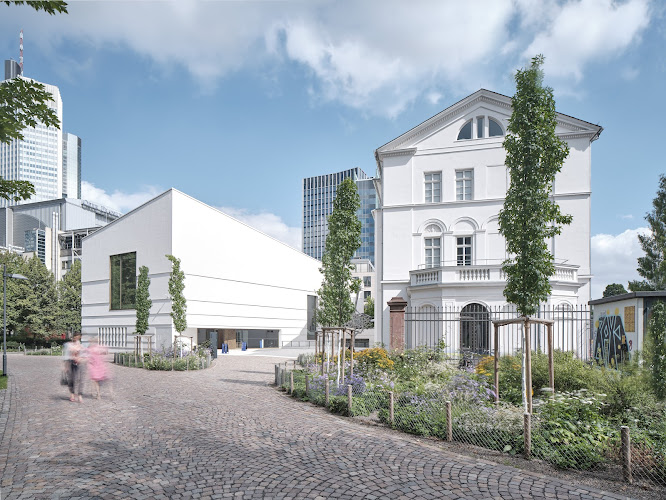
The Jewish Museum is one of those places that quietly sneaks up on you. At first glance, it looks like another historic building, but once you step inside the 19th-century Rothschild Palais and wander into its striking modern extension, you realize you’re standing in a space that bridges centuries of Jewish history with the present. It’s not just a museum filled with artifacts; it’s a living narrative of resilience, creativity, and cultural identity. You’ll find displays that dive into recent Jewish history, personal stories that tug at your emotions, and exhibitions that make you stop and think about how the past still shapes today.
What makes it stand out is the atmosphere—serious, yes, but also surprisingly warm. Families, solo travelers, and even kids seem to find something here that speaks to them. It’s not heavy-handed or overwhelming, though some parts will leave you with goosebumps. And while the majority of visitors walk away deeply impressed, a few might feel the layout or flow of exhibits could be smoother. Still, that’s part of its charm: it’s not trying to be perfect, it’s trying to be real.
Walking through the museum feels like moving between two worlds: the grandeur of the old Palais with its ornate details and the sleek, thoughtful design of the extension. The contrast mirrors the story of Jewish life itself—rooted in tradition yet constantly evolving. If you’re the kind of traveler who likes to leave a place with more questions than you arrived with, this museum delivers.
Key Features
- Housed in the historic Rothschild Palais combined with a striking modern architectural extension
- Exhibitions covering Jewish history, culture, and identity with a focus on the 19th and 20th centuries
- Live performances and cultural events that bring history to life
- Wheelchair accessible entrances, restrooms, and parking for inclusive access
- Onsite restaurant and restrooms for convenience
- Family-friendly with exhibits designed to engage children
- Paid parking garage nearby for easy access
Best Time to Visit
If you’re not a fan of crowds, weekdays in the late morning or early afternoon are your best bet. The museum tends to be quieter then, giving you space to linger in front of exhibits without feeling rushed. Weekends can get busier, especially when there’s a special exhibition or live performance happening, which can be both a blessing and a curse. On one hand, the buzz adds energy. On the other, you might find yourself jostling for a view. Personally, I like visiting in the cooler months—there’s something about stepping out of the crisp air into the warm, contemplative halls that makes the experience even more memorable.
If you’re traveling with kids, mornings are usually easier since everyone’s energy levels are higher. And if you’re someone who enjoys cultural events, keep an eye on the schedule—catching a performance here can completely change the tone of your visit.
How to Get There
Reaching the Jewish Museum is straightforward whether you’re coming by public transit, car, or even on foot if you’re staying nearby. Public transportation drops you close enough that it’s just a short walk to the entrance, making it convenient for those who prefer not to drive. For drivers, there’s a paid parking garage nearby, which takes the stress out of hunting for a spot in the city.
I’ve visited both ways, and honestly, if you’re not carrying much, public transport is the less stressful option. No worrying about traffic, no circling the block for parking. But if you’ve got kids in tow or you’re planning a full day with multiple stops, having your car parked close by can be a lifesaver.
Tips for Visiting
Here’s the thing: the Jewish Museum isn’t the kind of place you rush through. Give yourself at least two to three hours, maybe more if you’re the type who likes to read every plaque. Wear comfortable shoes because you’ll be on your feet a lot, and don’t skip the modern extension—it’s where some of the most thought-provoking displays are.
If you’re traveling with kids, the museum does a surprisingly good job of keeping them engaged, but bringing along a few snacks (for after your visit, since food isn’t allowed in the exhibits) will help avoid meltdowns. And don’t underestimate the value of the onsite restaurant—it’s convenient for a coffee break or a light meal without leaving the building.
Photography rules vary depending on the exhibit, so check before you start snapping away. And if you’re someone who likes to dive deeper, consider joining a guided tour. Hearing stories told by someone who knows the history inside out adds a layer you just can’t get from reading panels.
Lastly, go in with an open mind. Some exhibits may challenge you, others may surprise you, and a few might even make you uncomfortable. That’s part of the point. The Jewish Museum isn’t just about preserving history—it’s about sparking conversations that matter. And that, in my opinion, is what makes it worth the trip.
Key Features
- Housed in the historic Rothschild Palais combined with a striking modern architectural extension
- Exhibitions covering Jewish history, culture, and identity with a focus on the 19th and 20th centuries
- Live performances and cultural events that bring history to life
- Wheelchair accessible entrances, restrooms, and parking for inclusive access
- Onsite restaurant and restrooms for convenience
- Family-friendly with exhibits designed to engage children
- Paid parking garage nearby for easy access
More Details
Updated September 23, 2025
Table of Contents
Description
The Jewish Museum is one of those places that quietly sneaks up on you. At first glance, it looks like another historic building, but once you step inside the 19th-century Rothschild Palais and wander into its striking modern extension, you realize you’re standing in a space that bridges centuries of Jewish history with the present. It’s not just a museum filled with artifacts; it’s a living narrative of resilience, creativity, and cultural identity. You’ll find displays that dive into recent Jewish history, personal stories that tug at your emotions, and exhibitions that make you stop and think about how the past still shapes today.
What makes it stand out is the atmosphere—serious, yes, but also surprisingly warm. Families, solo travelers, and even kids seem to find something here that speaks to them. It’s not heavy-handed or overwhelming, though some parts will leave you with goosebumps. And while the majority of visitors walk away deeply impressed, a few might feel the layout or flow of exhibits could be smoother. Still, that’s part of its charm: it’s not trying to be perfect, it’s trying to be real.
Walking through the museum feels like moving between two worlds: the grandeur of the old Palais with its ornate details and the sleek, thoughtful design of the extension. The contrast mirrors the story of Jewish life itself—rooted in tradition yet constantly evolving. If you’re the kind of traveler who likes to leave a place with more questions than you arrived with, this museum delivers.
Key Features
- Housed in the historic Rothschild Palais combined with a striking modern architectural extension
- Exhibitions covering Jewish history, culture, and identity with a focus on the 19th and 20th centuries
- Live performances and cultural events that bring history to life
- Wheelchair accessible entrances, restrooms, and parking for inclusive access
- Onsite restaurant and restrooms for convenience
- Family-friendly with exhibits designed to engage children
- Paid parking garage nearby for easy access
Best Time to Visit
If you’re not a fan of crowds, weekdays in the late morning or early afternoon are your best bet. The museum tends to be quieter then, giving you space to linger in front of exhibits without feeling rushed. Weekends can get busier, especially when there’s a special exhibition or live performance happening, which can be both a blessing and a curse. On one hand, the buzz adds energy. On the other, you might find yourself jostling for a view. Personally, I like visiting in the cooler months—there’s something about stepping out of the crisp air into the warm, contemplative halls that makes the experience even more memorable.
If you’re traveling with kids, mornings are usually easier since everyone’s energy levels are higher. And if you’re someone who enjoys cultural events, keep an eye on the schedule—catching a performance here can completely change the tone of your visit.
How to Get There
Reaching the Jewish Museum is straightforward whether you’re coming by public transit, car, or even on foot if you’re staying nearby. Public transportation drops you close enough that it’s just a short walk to the entrance, making it convenient for those who prefer not to drive. For drivers, there’s a paid parking garage nearby, which takes the stress out of hunting for a spot in the city.
I’ve visited both ways, and honestly, if you’re not carrying much, public transport is the less stressful option. No worrying about traffic, no circling the block for parking. But if you’ve got kids in tow or you’re planning a full day with multiple stops, having your car parked close by can be a lifesaver.
Tips for Visiting
Here’s the thing: the Jewish Museum isn’t the kind of place you rush through. Give yourself at least two to three hours, maybe more if you’re the type who likes to read every plaque. Wear comfortable shoes because you’ll be on your feet a lot, and don’t skip the modern extension—it’s where some of the most thought-provoking displays are.
If you’re traveling with kids, the museum does a surprisingly good job of keeping them engaged, but bringing along a few snacks (for after your visit, since food isn’t allowed in the exhibits) will help avoid meltdowns. And don’t underestimate the value of the onsite restaurant—it’s convenient for a coffee break or a light meal without leaving the building.
Photography rules vary depending on the exhibit, so check before you start snapping away. And if you’re someone who likes to dive deeper, consider joining a guided tour. Hearing stories told by someone who knows the history inside out adds a layer you just can’t get from reading panels.
Lastly, go in with an open mind. Some exhibits may challenge you, others may surprise you, and a few might even make you uncomfortable. That’s part of the point. The Jewish Museum isn’t just about preserving history—it’s about sparking conversations that matter. And that, in my opinion, is what makes it worth the trip.
Key Highlights
- Housed in the historic Rothschild Palais combined with a striking modern architectural extension
- Exhibitions covering Jewish history, culture, and identity with a focus on the 19th and 20th centuries
- Live performances and cultural events that bring history to life
- Wheelchair accessible entrances, restrooms, and parking for inclusive access
- Onsite restaurant and restrooms for convenience
- Family-friendly with exhibits designed to engage children
- Paid parking garage nearby for easy access
Location
Places to Stay Near Jewish Museum
Find and Book a Tour
Explore More Travel Guides
No reviews found! Be the first to review!
Traveler Reviews for Jewish Museum
There are no reviews yet. Be the first one to write one.
Have you visited Jewish Museum? Help other travelers by sharing your review.
You Might Also Like
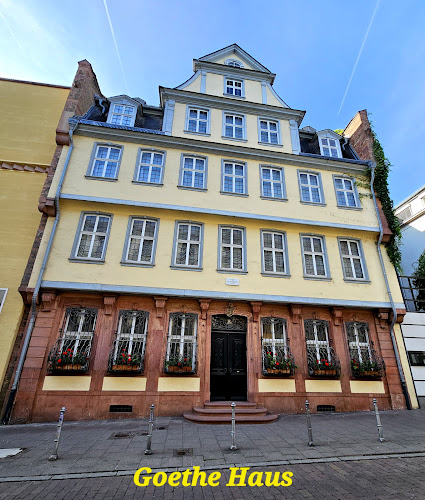
Goethe House
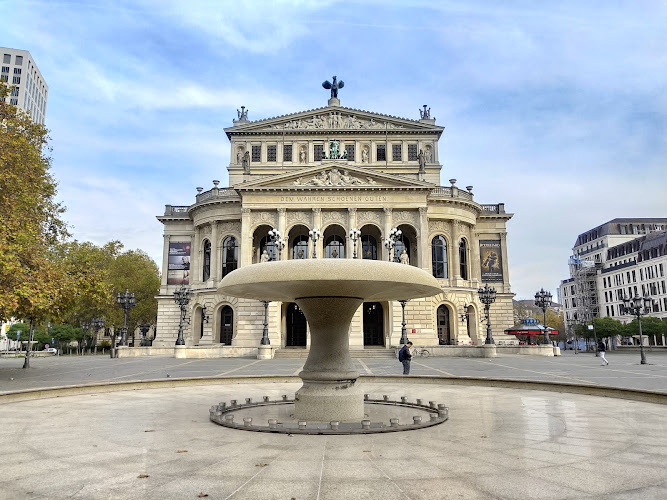
Alte Oper
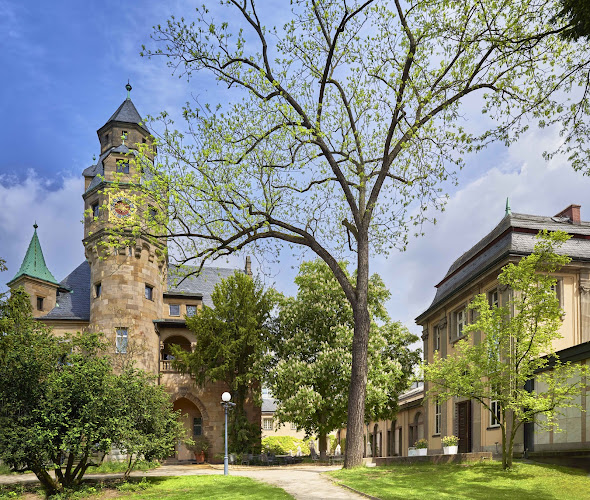
Liebieghaus
Find Accommodations Nearby
Recommended Tours & Activities
Visitor Reviews
There are no reviews yet. Be the first one to write one.
Share Your Experience
Have you visited Jewish Museum? Help other travelers by leaving a review.