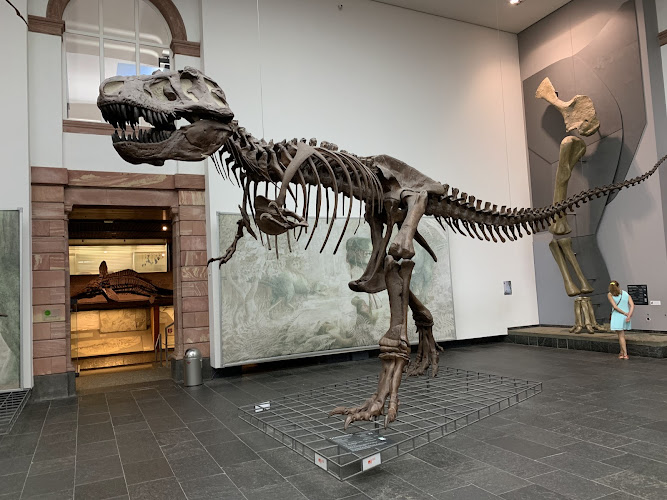
It’s not just another museum with dusty displays; it’s a living, breathing hub of natural history that manages to be both educational and oddly thrilling. The first thing that tends to capture people’s attention is the size and scale of the dinosaur skeletons. Standing beneath a towering sauropod, you can’t help but feel small, almost like you’ve wandered into Jurassic Park without the danger. And then there’s the giant anaconda—an exhibit that somehow manages to be both fascinating and slightly unsettling if you’re not a fan of snakes.
What makes this museum stand out is how it balances being a serious research institute with being a genuinely engaging tourist attraction. It’s not just about staring at fossils behind glass; the interactive displays, live performances, and detailed reconstructions make the experience immersive. Families often rave about how kid-friendly it is—there are changing tables, easy stroller access, and enough hands-on activities to keep little ones entertained far longer than you’d expect. And for those who need a break, there’s a restaurant on-site, which is a lifesaver when you’re halfway through exploring and realize you’ve been walking for hours.
Of course, no place is perfect. Some visitors feel it can get crowded, especially during school holidays, and a few exhibits might feel a little dated compared to newer, flashier museums. But the overall sentiment is overwhelmingly positive. There’s something about the sheer scale of the collections and the way the museum tells the story of life on Earth that leaves people walking away impressed. If you’re the kind of traveler who enjoys learning while you wander, this museum is absolutely worth a spot on your itinerary.
Best Time to Visit
Timing matters more than you think when it comes to enjoying the museum. Weekdays, especially in the mornings, tend to be quieter. That’s when you can really take your time to stand in awe at the massive dinosaur skeletons without feeling rushed by a crowd behind you. If you’re traveling with kids, mornings are also a good bet since little ones usually have more energy early in the day.
Summer holidays and weekends can get quite busy, so if crowds aren’t your thing, you might want to avoid those peak times. On the flip side, the buzz of families and school groups can add a kind of lively energy to the museum that some people actually enjoy—it feels like the place is alive with curiosity. Personally, I think visiting in the fall or spring is ideal. The weather outside is pleasant, so you can combine your visit with a walk around the city, and the museum itself feels just the right amount of busy.
How to Get There
Getting to the museum is fairly straightforward, especially since Frankfurt has a well-connected public transport system. If you’re coming from the city center, you can hop on a tram or bus that drops you off within a short walk of the entrance. For those who prefer trains, the museum is also accessible via nearby stations, making it easy to reach without much hassle.
Driving is another option, though parking in Frankfurt can sometimes test your patience (and your wallet). If you’re traveling with family or carrying a lot of gear, a car might be worth it, but otherwise, public transport is the less stressful choice. And honestly, I’ve always enjoyed using local transit when traveling—it gives you a small glimpse into everyday life in the city.
Tips for Visiting
Here’s where the little things can make a big difference in your experience. First off, give yourself plenty of time. The museum is bigger than it looks from the outside, and you’ll want at least three to four hours if you’re the type who likes to stop and read the details. If you’re visiting with kids, plan for breaks—grab a snack at the restaurant or let them run around a bit between exhibits so they don’t burn out halfway through.
Photography is allowed, but remember to be considerate of others. Nobody likes having their view blocked by a camera held high in the air. Comfortable shoes are a must; you’ll be on your feet a lot. And if you’re someone who likes to avoid crowds, consider buying tickets in advance to skip the longer lines.
One quirky tip: keep an eye out for the smaller exhibits tucked away in corners. While the dinosaurs steal the spotlight, there are some fascinating displays about human evolution, biodiversity, and even current environmental challenges that are easy to miss if you’re rushing through. Those are the ones that often stick with you long after you’ve left.
Finally, don’t be afraid to let yourself feel a bit of wonder. It’s easy to breeze through museums, ticking off exhibits as if they’re items on a checklist. But here, standing in front of a fossil that’s millions of years old or looking at the preserved skeleton of a creature that once roamed the Earth—it’s worth pausing for a moment. It reminds you just how incredible and strange our world really is.
 Real Journey Travels