
Deir Mar Musa el-Habashi
About Deir Mar Musa el-Habashi
Description
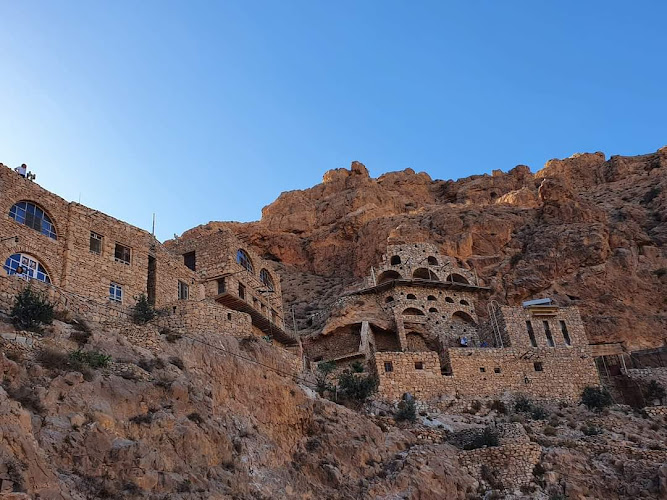
Deir Mar Musa al-Habashi, also known as the Monastery of Saint Moses the Abyssinian, is one of those places that makes you pause and rethink what you thought you knew about history, faith, and even travel itself. Perched high on the eastern slopes of the Anti-Lebanon Mountains, about 80 kilometers north of Damascus, this centuries-old monastery feels both remote and deeply connected to the world at large. The community here belongs to the Syriac Catholic Church, but its spirit is remarkably open, welcoming people of different backgrounds, faiths, and even those who simply come seeking silence or a glimpse of something bigger than themselves.
Walking up the steep path to the monastery, you can’t help but feel like you’re stepping back in time. The stone walls, the frescoes that date back to the 11th and 12th centuries, and the quiet hum of prayer all blend into an atmosphere that’s hard to put into words. And yet, it’s not just a museum piece. It’s a living, breathing community where monks and visitors share meals, conversations, and sometimes even chores. That’s part of what makes the experience so genuine—you’re not just looking at history, you’re living a little piece of it.
Now, I’ll be honest: this isn’t the easiest place to get to, and it’s not a luxury destination. The monastery is simple, even austere, and accessibility is limited. But for travelers who value authenticity over comfort, it’s a rare gem. Most people who make the journey leave with glowing impressions, though a few might find the simplicity or the climb a bit challenging. That’s fair, because this place isn’t designed for everyone—it’s designed for those who want to slow down, reflect, and maybe even be changed by the experience.
Key Features
- Ancient frescoes dating back nearly a thousand years, some remarkably well preserved.
- A monastic community that welcomes visitors regardless of faith, fostering dialogue and understanding.
- Stunning mountain views over a rugged Syrian valley, especially breathtaking at sunrise and sunset.
- Opportunities for silent retreats, prayer, or simply quiet reflection in a peaceful setting.
- Shared meals with the community, offering a taste of simple monastic life.
- Rustic accommodations for those who wish to stay overnight.
- A unique blend of spirituality, history, and cultural exchange rarely found elsewhere.
Best Time to Visit
If you’re planning a trip, timing matters more than you might think. The monastery sits at about 1,320 meters above sea level, which means winters can be biting cold and summers surprisingly pleasant compared to the lowlands. Spring and autumn are arguably the sweet spots—mild weather, clear skies, and landscapes dotted with wildflowers or autumn hues. Personally, I’d lean towards spring because the valley feels alive, and the walk up to the monastery is far more enjoyable when the air is crisp but not freezing. Summer is also doable, but you’ll want to start your climb early in the morning before the sun gets too harsh.
Winter is for the hardy traveler. The snow adds a certain magic, but it also makes access trickier. If you’re up for the challenge, you’ll have the place almost to yourself, which can be extraordinary. Just pack warm, really warm.
How to Get There
Getting to Deir Mar Musa al-Habashi is part of the adventure. The monastery is located near the town of Nabk, about 80 kilometers north of Damascus. From Nabk, it’s a bit of a climb—literally. You’ll need to hike up a rocky path that winds across the mountainside. It’s not an extreme trek, but it does require sturdy shoes, a bottle of water, and a bit of patience. The path itself is part of the experience, with views opening up the higher you go.
Most travelers arrange transport to Nabk by car or bus from Damascus, and then make the hike. Don’t expect taxis to wait for you at the base, so plan ahead. If you’re staying overnight at the monastery, it’s best to let the community know in advance so they can expect your arrival. There’s no flashy signage or tourist infrastructure here, which is exactly what makes it feel so authentic.
Tips for Visiting
Visiting Deir Mar Musa is not like popping into a museum—it’s more like being welcomed into someone’s home. And with that comes a few things worth keeping in mind.
- Dress modestly: This is a functioning monastery, so respectful clothing is a must. Think long sleeves and trousers or skirts below the knee.
- Bring good shoes: The hike up is rocky, and sandals will make you regret your choices pretty quickly.
- Pack light but smart: Water, a hat, and maybe a snack for the climb. But don’t overdo it—you’ll want your hands free.
- Stay overnight if you can: The experience changes completely when you spend the night. Sharing meals, listening to the silence after dark—it’s unforgettable.
- Respect the rhythm: The monastery has its own pace, with prayers, meals, and quiet times. Joining in, even if you’re not religious, makes the visit richer.
- Be ready for simplicity: No luxury amenities here. The rooms are basic, but that’s part of the charm.
- Engage with the community: Conversations with monks or fellow visitors often end up being the highlight of the trip.
One last thought: this isn’t a check-it-off-your-list kind of destination. It’s a place that invites you to linger, to listen, and maybe to learn something about yourself in the process. I still remember sitting on the rooftop terrace one evening, watching the sun sink behind the mountains, and thinking how rare it is to find a spot where time seems to stand still. If you’re the kind of traveler who craves those moments, then Deir Mar Musa al-Habashi is absolutely worth the journey.
Key Features
- Ancient frescoes dating back nearly a thousand years, some remarkably well preserved.
- A monastic community that welcomes visitors regardless of faith, fostering dialogue and understanding.
- Stunning mountain views over a rugged Syrian valley, especially breathtaking at sunrise and sunset.
- Opportunities for silent retreats, prayer, or simply quiet reflection in a peaceful setting.
- Shared meals with the community, offering a taste of simple monastic life.
- Rustic accommodations for those who wish to stay overnight.
- A unique blend of spirituality, history, and cultural exchange rarely found elsewhere.
More Details
Updated September 23, 2025
Table of Contents
Description
Deir Mar Musa al-Habashi, also known as the Monastery of Saint Moses the Abyssinian, is one of those places that makes you pause and rethink what you thought you knew about history, faith, and even travel itself. Perched high on the eastern slopes of the Anti-Lebanon Mountains, about 80 kilometers north of Damascus, this centuries-old monastery feels both remote and deeply connected to the world at large. The community here belongs to the Syriac Catholic Church, but its spirit is remarkably open, welcoming people of different backgrounds, faiths, and even those who simply come seeking silence or a glimpse of something bigger than themselves.
Walking up the steep path to the monastery, you can’t help but feel like you’re stepping back in time. The stone walls, the frescoes that date back to the 11th and 12th centuries, and the quiet hum of prayer all blend into an atmosphere that’s hard to put into words. And yet, it’s not just a museum piece. It’s a living, breathing community where monks and visitors share meals, conversations, and sometimes even chores. That’s part of what makes the experience so genuine—you’re not just looking at history, you’re living a little piece of it.
Now, I’ll be honest: this isn’t the easiest place to get to, and it’s not a luxury destination. The monastery is simple, even austere, and accessibility is limited. But for travelers who value authenticity over comfort, it’s a rare gem. Most people who make the journey leave with glowing impressions, though a few might find the simplicity or the climb a bit challenging. That’s fair, because this place isn’t designed for everyone—it’s designed for those who want to slow down, reflect, and maybe even be changed by the experience.
Key Features
- Ancient frescoes dating back nearly a thousand years, some remarkably well preserved.
- A monastic community that welcomes visitors regardless of faith, fostering dialogue and understanding.
- Stunning mountain views over a rugged Syrian valley, especially breathtaking at sunrise and sunset.
- Opportunities for silent retreats, prayer, or simply quiet reflection in a peaceful setting.
- Shared meals with the community, offering a taste of simple monastic life.
- Rustic accommodations for those who wish to stay overnight.
- A unique blend of spirituality, history, and cultural exchange rarely found elsewhere.
Best Time to Visit
If you’re planning a trip, timing matters more than you might think. The monastery sits at about 1,320 meters above sea level, which means winters can be biting cold and summers surprisingly pleasant compared to the lowlands. Spring and autumn are arguably the sweet spots—mild weather, clear skies, and landscapes dotted with wildflowers or autumn hues. Personally, I’d lean towards spring because the valley feels alive, and the walk up to the monastery is far more enjoyable when the air is crisp but not freezing. Summer is also doable, but you’ll want to start your climb early in the morning before the sun gets too harsh.
Winter is for the hardy traveler. The snow adds a certain magic, but it also makes access trickier. If you’re up for the challenge, you’ll have the place almost to yourself, which can be extraordinary. Just pack warm, really warm.
How to Get There
Getting to Deir Mar Musa al-Habashi is part of the adventure. The monastery is located near the town of Nabk, about 80 kilometers north of Damascus. From Nabk, it’s a bit of a climb—literally. You’ll need to hike up a rocky path that winds across the mountainside. It’s not an extreme trek, but it does require sturdy shoes, a bottle of water, and a bit of patience. The path itself is part of the experience, with views opening up the higher you go.
Most travelers arrange transport to Nabk by car or bus from Damascus, and then make the hike. Don’t expect taxis to wait for you at the base, so plan ahead. If you’re staying overnight at the monastery, it’s best to let the community know in advance so they can expect your arrival. There’s no flashy signage or tourist infrastructure here, which is exactly what makes it feel so authentic.
Tips for Visiting
Visiting Deir Mar Musa is not like popping into a museum—it’s more like being welcomed into someone’s home. And with that comes a few things worth keeping in mind.
- Dress modestly: This is a functioning monastery, so respectful clothing is a must. Think long sleeves and trousers or skirts below the knee.
- Bring good shoes: The hike up is rocky, and sandals will make you regret your choices pretty quickly.
- Pack light but smart: Water, a hat, and maybe a snack for the climb. But don’t overdo it—you’ll want your hands free.
- Stay overnight if you can: The experience changes completely when you spend the night. Sharing meals, listening to the silence after dark—it’s unforgettable.
- Respect the rhythm: The monastery has its own pace, with prayers, meals, and quiet times. Joining in, even if you’re not religious, makes the visit richer.
- Be ready for simplicity: No luxury amenities here. The rooms are basic, but that’s part of the charm.
- Engage with the community: Conversations with monks or fellow visitors often end up being the highlight of the trip.
One last thought: this isn’t a check-it-off-your-list kind of destination. It’s a place that invites you to linger, to listen, and maybe to learn something about yourself in the process. I still remember sitting on the rooftop terrace one evening, watching the sun sink behind the mountains, and thinking how rare it is to find a spot where time seems to stand still. If you’re the kind of traveler who craves those moments, then Deir Mar Musa al-Habashi is absolutely worth the journey.
Key Highlights
- Ancient frescoes dating back nearly a thousand years, some remarkably well preserved.
- A monastic community that welcomes visitors regardless of faith, fostering dialogue and understanding.
- Stunning mountain views over a rugged Syrian valley, especially breathtaking at sunrise and sunset.
- Opportunities for silent retreats, prayer, or simply quiet reflection in a peaceful setting.
- Shared meals with the community, offering a taste of simple monastic life.
- Rustic accommodations for those who wish to stay overnight.
- A unique blend of spirituality, history, and cultural exchange rarely found elsewhere.
Location
Places to Stay Near Deir Mar Musa el-Habashi
Find and Book a Tour
Explore More Travel Guides
No reviews found! Be the first to review!
Traveler Reviews for Deir Mar Musa el-Habashi
There are no reviews yet. Be the first one to write one.
Have you visited Deir Mar Musa el-Habashi? Help other travelers by sharing your review.
You Might Also Like
Find Accommodations Nearby
Recommended Tours & Activities
Visitor Reviews
There are no reviews yet. Be the first one to write one.
Share Your Experience
Have you visited Deir Mar Musa el-Habashi? Help other travelers by leaving a review.