
Lorin Foundation Museum
About Lorin Foundation Museum
Description
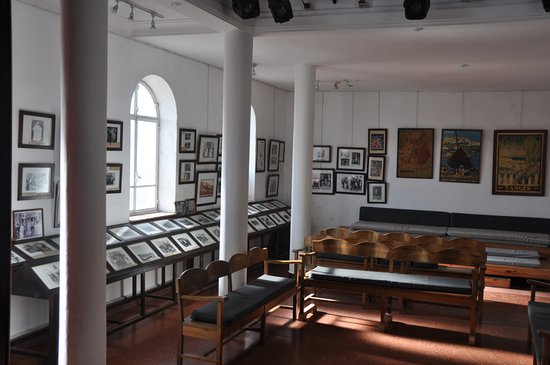
The Lorin Foundation Museum is one of those places that quietly surprises you. At first glance, it may look like just another small museum, but once inside, you realize it carries layers of history and meaning. Housed in what was once a synagogue, the museum has this rare quality of blending art with memory, and memory with place. The building itself feels like a piece of history—walls that have seen generations come and go, now serving as a backdrop for contemporary exhibits and cultural displays. It’s not flashy or overwhelming, but it’s the kind of spot where you can slow down, wander, and actually feel connected to the city’s story.
What makes it stand out is its focus on Tangier’s cultural history. You’ll find art exhibits that are not just decorative but deeply tied to the identity of the city. Old photographs, documents, and creative works showcase how Tangier has been shaped by its diverse communities. It’s not a massive museum, so you won’t feel exhausted after visiting, but that’s part of its charm. It’s intimate, personal, and feels more like a conversation than a lecture. Of course, like any place, not everyone walks away equally impressed. Some visitors expect something grander or more polished, but many others appreciate its authenticity and the way it preserves a slice of Tangier’s heritage.
Personally, I love smaller museums like this. They remind me of when I stumbled into a tiny historical society in a small town in Spain—nothing fancy, but it left me with stories I still remember years later. The Lorin Foundation Museum has that same kind of understated magic. It’s not about spectacle; it’s about substance. If you’re the kind of traveler who values depth over dazzle, then this museum will probably strike a chord with you.
Key Features
- Located in a former synagogue, giving the museum a unique architectural and cultural backdrop
- Exhibits focused on Tangier’s cultural and historical identity
- Collection of photographs, documents, and artworks tied to the city’s past
- Wheelchair accessible restroom available, making it more inclusive for visitors
- Restrooms on-site, though no restaurant facilities inside
- Family-friendly atmosphere, suitable for children and educational visits
- Smaller scale museum, allowing for a more personal and less overwhelming experience
Best Time to Visit
The best time to visit the Lorin Foundation Museum really depends on your travel style. If you’re someone who likes to avoid crowds, mornings are usually the calmest. The museum isn’t one of those overly busy attractions to begin with, but visiting earlier in the day gives you space to linger without feeling rushed. Weather-wise, Tangier can get hot in summer afternoons, so ducking into the museum during that time is a smart way to escape the heat while still doing something meaningful.
If you’re visiting during spring or autumn, the experience feels especially pleasant. The city is alive with energy, and the museum fits nicely into a day of wandering the old streets without feeling like a huge time commitment. Personally, I think it’s the kind of place that works best when you’re not in a hurry—you want to give yourself time to really absorb the details, even if it’s just sitting quietly in front of an old photograph and imagining the story behind it.
How to Get There
Reaching the Lorin Foundation Museum is fairly straightforward if you’re already exploring Tangier. It’s located in the heart of the city, within walking distance from many of the main attractions and the winding streets of the medina. If you’re staying nearby, you can easily stroll there and enjoy the atmosphere along the way. For those coming from further out, taxis are plentiful and relatively affordable, and most drivers will know the location if you mention the museum by name.
If you’re like me and enjoy walking through cities to get a feel for them, I’d recommend approaching the museum on foot. You’ll pass through streets full of character—shops, local cafés, and everyday life happening right in front of you. That walk becomes part of the experience. Just keep in mind that the medina can be a bit of a maze, so don’t be surprised if you take a wrong turn or two. Honestly, half the fun is getting a little lost.
Tips for Visiting
Here are a few practical (and slightly personal) tips to make your visit smoother and more enjoyable:
- Give yourself time: Even though the museum is small, don’t rush through it. Some of the photographs and documents deserve a few extra minutes of attention.
- Bring water: There’s no café or restaurant inside, so you’ll want to have a bottle of water with you, especially if you’re visiting on a hot day.
- Good for families: If you’re traveling with kids, they’ll find it accessible and not too overwhelming. It’s a nice way to give them a cultural experience without testing their patience.
- Accessibility: The museum has a wheelchair accessible restroom, which is a plus, but the surrounding streets can be uneven, so plan accordingly if mobility is a concern.
- Combine it with nearby sights: Since it’s not a huge time investment, pair your visit with a stroll through the medina or a stop at a local café. It works perfectly as part of a half-day itinerary.
- Keep an open mind: Some people expect modern, high-tech displays, but this museum isn’t about that. It’s about history, memory, and authenticity. If you go in with that mindset, you’ll appreciate it more.
One last tip from my own experience: don’t be afraid to ask the staff questions. They often have stories or insights that aren’t written on the walls, and that personal touch can make your visit more memorable. I once asked about a photo that caught my attention, and the explanation I got was worth the entire visit. It’s those little moments that make a place like the Lorin Foundation Museum truly special.
Key Features
- Located in a former synagogue, giving the museum a unique architectural and cultural backdrop
- Exhibits focused on Tangier’s cultural and historical identity
- Collection of photographs, documents, and artworks tied to the city’s past
- Wheelchair accessible restroom available, making it more inclusive for visitors
- Restrooms on-site, though no restaurant facilities inside
- Family-friendly atmosphere, suitable for children and educational visits
- Smaller scale museum, allowing for a more personal and less overwhelming experience
More Details
Updated October 1, 2025
Table of Contents
Description
The Lorin Foundation Museum is one of those places that quietly surprises you. At first glance, it may look like just another small museum, but once inside, you realize it carries layers of history and meaning. Housed in what was once a synagogue, the museum has this rare quality of blending art with memory, and memory with place. The building itself feels like a piece of history—walls that have seen generations come and go, now serving as a backdrop for contemporary exhibits and cultural displays. It’s not flashy or overwhelming, but it’s the kind of spot where you can slow down, wander, and actually feel connected to the city’s story.
What makes it stand out is its focus on Tangier’s cultural history. You’ll find art exhibits that are not just decorative but deeply tied to the identity of the city. Old photographs, documents, and creative works showcase how Tangier has been shaped by its diverse communities. It’s not a massive museum, so you won’t feel exhausted after visiting, but that’s part of its charm. It’s intimate, personal, and feels more like a conversation than a lecture. Of course, like any place, not everyone walks away equally impressed. Some visitors expect something grander or more polished, but many others appreciate its authenticity and the way it preserves a slice of Tangier’s heritage.
Personally, I love smaller museums like this. They remind me of when I stumbled into a tiny historical society in a small town in Spain—nothing fancy, but it left me with stories I still remember years later. The Lorin Foundation Museum has that same kind of understated magic. It’s not about spectacle; it’s about substance. If you’re the kind of traveler who values depth over dazzle, then this museum will probably strike a chord with you.
Key Features
- Located in a former synagogue, giving the museum a unique architectural and cultural backdrop
- Exhibits focused on Tangier’s cultural and historical identity
- Collection of photographs, documents, and artworks tied to the city’s past
- Wheelchair accessible restroom available, making it more inclusive for visitors
- Restrooms on-site, though no restaurant facilities inside
- Family-friendly atmosphere, suitable for children and educational visits
- Smaller scale museum, allowing for a more personal and less overwhelming experience
Best Time to Visit
The best time to visit the Lorin Foundation Museum really depends on your travel style. If you’re someone who likes to avoid crowds, mornings are usually the calmest. The museum isn’t one of those overly busy attractions to begin with, but visiting earlier in the day gives you space to linger without feeling rushed. Weather-wise, Tangier can get hot in summer afternoons, so ducking into the museum during that time is a smart way to escape the heat while still doing something meaningful.
If you’re visiting during spring or autumn, the experience feels especially pleasant. The city is alive with energy, and the museum fits nicely into a day of wandering the old streets without feeling like a huge time commitment. Personally, I think it’s the kind of place that works best when you’re not in a hurry—you want to give yourself time to really absorb the details, even if it’s just sitting quietly in front of an old photograph and imagining the story behind it.
How to Get There
Reaching the Lorin Foundation Museum is fairly straightforward if you’re already exploring Tangier. It’s located in the heart of the city, within walking distance from many of the main attractions and the winding streets of the medina. If you’re staying nearby, you can easily stroll there and enjoy the atmosphere along the way. For those coming from further out, taxis are plentiful and relatively affordable, and most drivers will know the location if you mention the museum by name.
If you’re like me and enjoy walking through cities to get a feel for them, I’d recommend approaching the museum on foot. You’ll pass through streets full of character—shops, local cafés, and everyday life happening right in front of you. That walk becomes part of the experience. Just keep in mind that the medina can be a bit of a maze, so don’t be surprised if you take a wrong turn or two. Honestly, half the fun is getting a little lost.
Tips for Visiting
Here are a few practical (and slightly personal) tips to make your visit smoother and more enjoyable:
- Give yourself time: Even though the museum is small, don’t rush through it. Some of the photographs and documents deserve a few extra minutes of attention.
- Bring water: There’s no café or restaurant inside, so you’ll want to have a bottle of water with you, especially if you’re visiting on a hot day.
- Good for families: If you’re traveling with kids, they’ll find it accessible and not too overwhelming. It’s a nice way to give them a cultural experience without testing their patience.
- Accessibility: The museum has a wheelchair accessible restroom, which is a plus, but the surrounding streets can be uneven, so plan accordingly if mobility is a concern.
- Combine it with nearby sights: Since it’s not a huge time investment, pair your visit with a stroll through the medina or a stop at a local café. It works perfectly as part of a half-day itinerary.
- Keep an open mind: Some people expect modern, high-tech displays, but this museum isn’t about that. It’s about history, memory, and authenticity. If you go in with that mindset, you’ll appreciate it more.
One last tip from my own experience: don’t be afraid to ask the staff questions. They often have stories or insights that aren’t written on the walls, and that personal touch can make your visit more memorable. I once asked about a photo that caught my attention, and the explanation I got was worth the entire visit. It’s those little moments that make a place like the Lorin Foundation Museum truly special.
Key Highlights
- Located in a former synagogue, giving the museum a unique architectural and cultural backdrop
- Exhibits focused on Tangier’s cultural and historical identity
- Collection of photographs, documents, and artworks tied to the city’s past
- Wheelchair accessible restroom available, making it more inclusive for visitors
- Restrooms on-site, though no restaurant facilities inside
- Family-friendly atmosphere, suitable for children and educational visits
- Smaller scale museum, allowing for a more personal and less overwhelming experience
Location
Places to Stay Near Lorin Foundation Museum
Find and Book a Tour
Explore More Travel Guides
No reviews found! Be the first to review!
Traveler Reviews for Lorin Foundation Museum
There are no reviews yet. Be the first one to write one.
Have you visited Lorin Foundation Museum? Help other travelers by sharing your review.
You Might Also Like
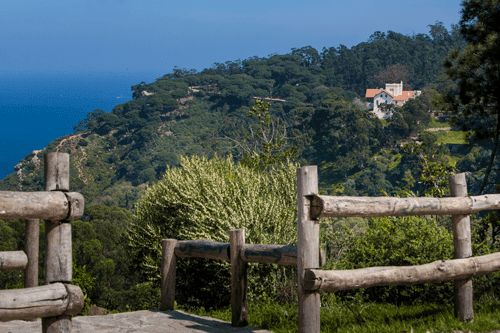
Villa Perdicaris
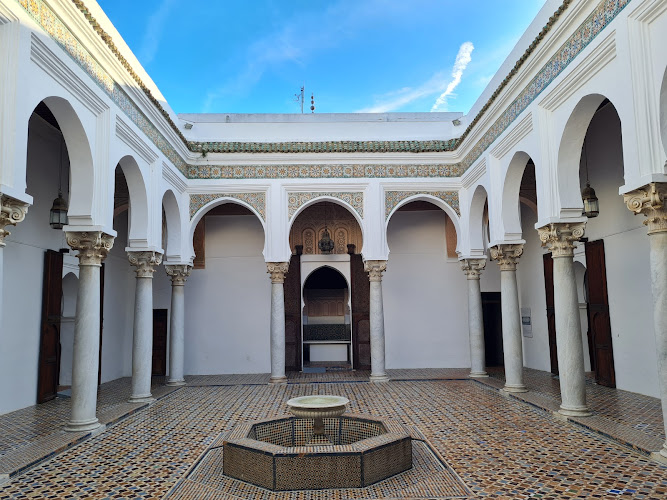
Kasbah Museum
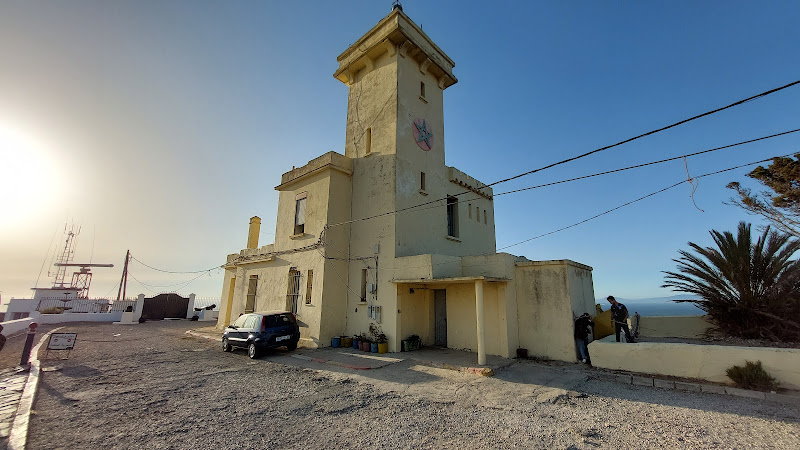
Lighthouse Cap Malabata
Find Accommodations Nearby
Recommended Tours & Activities
Visitor Reviews
There are no reviews yet. Be the first one to write one.
Share Your Experience
Have you visited Lorin Foundation Museum? Help other travelers by leaving a review.