
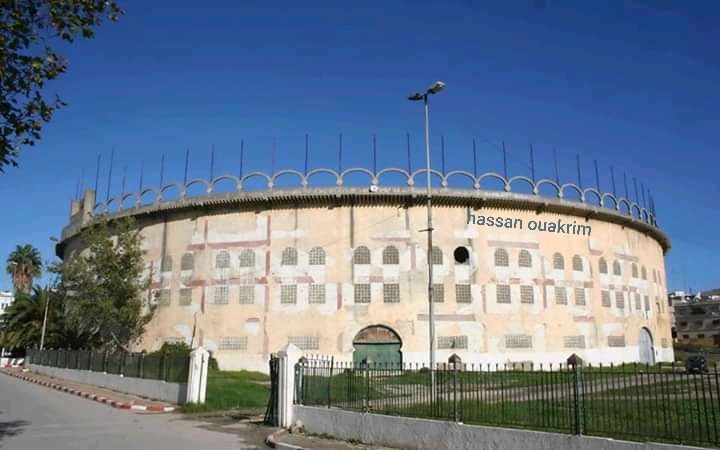
Plaza de Toros
About Plaza de Toros
Description
The Plaza de Toros in Tangier is one of those places that makes you stop in your tracks, partly because it feels like a time capsule and partly because it’s just so unexpected. Built in 1950, this bullring once echoed with the cheers of more than 13,000 spectators, a grand arena that carried the weight of Spanish tradition transplanted onto Moroccan soil. Today, though, it stands abandoned, its arches and terraces slowly weathering under the coastal winds. And yet, there’s something magnetic about it. Some visitors describe it as hauntingly beautiful, others see it as a relic of a controversial past, but either way, it sparks curiosity.
Walking through the crumbling gates, you can almost imagine the noise, the dust, the spectacle that once filled this space. Personally, I find places like this fascinating because they tell a story far bigger than their walls. This bullring isn’t just about bullfighting—it’s about cultural exchange, colonial history, and the way traditions migrate and sometimes fade. It’s not polished or manicured like other tourist attractions, and that’s precisely what makes it feel raw and real. Some people love that authenticity, others might find it unsettling, but it’s definitely not forgettable.
Key Features
- Originally opened in 1950 by the Spanish, representing a unique historical overlap of cultures.
- Capacity for 13,013 spectators, making it one of the largest arenas of its kind in the region.
- Distinctive circular architecture inspired by traditional Spanish bullrings.
- Currently abandoned, offering a raw, atmospheric experience rather than a polished tourist site.
- Wheelchair accessible entrance, though the interior terrain can be uneven.
- Striking photo opportunities, especially in the late afternoon when the light hits the arches.
It’s not a place where you’ll find souvenir shops or guided tours on every corner. Instead, you’ll discover graffiti-covered walls, echoes of the past, and a sense of quiet that feels almost cinematic. Honestly, if you’re into photography or just love exploring forgotten places, this spot will probably stick with you longer than some of the more polished attractions.
Best Time to Visit
The best time to wander into the Plaza de Toros is during the cooler months, especially spring or autumn. Tangier summers can be hot, and standing in an open-air arena under the midday sun isn’t exactly comfortable. Early mornings or late afternoons are ideal, not just because of the temperature but also because the lighting softens and the arena takes on this golden hue that’s perfect for photos.
I once went around sunset, and the shadows stretching across the arena floor made it feel like stepping into a scene from an old film. It’s also quieter then, so you can really soak in the atmosphere without too many distractions. If you’re the type who likes to avoid crowds, this is one of those places where timing makes all the difference.
How to Get There
Reaching the Plaza de Toros is fairly straightforward if you’re already in Tangier. It’s located not far from the city center, so a short taxi ride will get you there quickly and cheaply. Many locals know it simply as the old bullring, so even if your French or Arabic isn’t perfect, you’ll be understood. If you’re up for a walk, it’s also possible to stroll there from central areas, though the uphill sections can be a bit tiring in the heat.
For those who like to explore at their own pace, I’d suggest taking a taxi to the site and then walking back down through the city streets. That way, you get both the convenience of transport and the chance to discover little cafes or shops along the way. Public buses do pass nearby, but honestly, taxis are so inexpensive in Tangier that it’s usually the easier option.
Tips for Visiting
Visiting the Plaza de Toros isn’t like visiting a polished museum or a curated historical site. It’s raw, a bit rough around the edges, and that’s part of its charm. Here are a few tips to make the most of your visit:
- Wear sturdy shoes: The ground inside can be uneven with loose stones and dust, so flip-flops aren’t the best idea.
- Bring water: There’s no café or vending machine inside, and the Moroccan sun doesn’t play around.
- Photography: This place is a dream for photographers who love textures, shadows, and a slightly eerie atmosphere.
- Respect the site: It’s abandoned but still historically significant. Avoid climbing on fragile structures or leaving trash behind.
- Go with a friend: While it’s generally safe, the quietness of the place can feel a bit isolating if you’re alone.
If you’re traveling with kids, keep in mind that there isn’t much in terms of entertainment for them here—it’s more about atmosphere and history. But if you’re someone who enjoys peeling back the layers of a city and discovering places that aren’t on every postcard, the Plaza de Toros is worth your time. It’s a reminder that travel isn’t always about beauty in the traditional sense; sometimes it’s about confronting history, even when it’s complicated, and finding meaning in the ruins.
Key Features
- Originally opened in 1950 by the Spanish, representing a unique historical overlap of cultures.
- Capacity for 13,013 spectators, making it one of the largest arenas of its kind in the region.
- Distinctive circular architecture inspired by traditional Spanish bullrings.
- Currently abandoned, offering a raw, atmospheric experience rather than a polished tourist site.
- Wheelchair accessible entrance, though the interior terrain can be uneven.
- Striking photo opportunities, especially in the late afternoon when the light hits the arches.
More Details
Updated October 1, 2025
Table of Contents
Description
The Plaza de Toros in Tangier is one of those places that makes you stop in your tracks, partly because it feels like a time capsule and partly because it’s just so unexpected. Built in 1950, this bullring once echoed with the cheers of more than 13,000 spectators, a grand arena that carried the weight of Spanish tradition transplanted onto Moroccan soil. Today, though, it stands abandoned, its arches and terraces slowly weathering under the coastal winds. And yet, there’s something magnetic about it. Some visitors describe it as hauntingly beautiful, others see it as a relic of a controversial past, but either way, it sparks curiosity.
Walking through the crumbling gates, you can almost imagine the noise, the dust, the spectacle that once filled this space. Personally, I find places like this fascinating because they tell a story far bigger than their walls. This bullring isn’t just about bullfighting—it’s about cultural exchange, colonial history, and the way traditions migrate and sometimes fade. It’s not polished or manicured like other tourist attractions, and that’s precisely what makes it feel raw and real. Some people love that authenticity, others might find it unsettling, but it’s definitely not forgettable.
Key Features
- Originally opened in 1950 by the Spanish, representing a unique historical overlap of cultures.
- Capacity for 13,013 spectators, making it one of the largest arenas of its kind in the region.
- Distinctive circular architecture inspired by traditional Spanish bullrings.
- Currently abandoned, offering a raw, atmospheric experience rather than a polished tourist site.
- Wheelchair accessible entrance, though the interior terrain can be uneven.
- Striking photo opportunities, especially in the late afternoon when the light hits the arches.
It’s not a place where you’ll find souvenir shops or guided tours on every corner. Instead, you’ll discover graffiti-covered walls, echoes of the past, and a sense of quiet that feels almost cinematic. Honestly, if you’re into photography or just love exploring forgotten places, this spot will probably stick with you longer than some of the more polished attractions.
Best Time to Visit
The best time to wander into the Plaza de Toros is during the cooler months, especially spring or autumn. Tangier summers can be hot, and standing in an open-air arena under the midday sun isn’t exactly comfortable. Early mornings or late afternoons are ideal, not just because of the temperature but also because the lighting softens and the arena takes on this golden hue that’s perfect for photos.
I once went around sunset, and the shadows stretching across the arena floor made it feel like stepping into a scene from an old film. It’s also quieter then, so you can really soak in the atmosphere without too many distractions. If you’re the type who likes to avoid crowds, this is one of those places where timing makes all the difference.
How to Get There
Reaching the Plaza de Toros is fairly straightforward if you’re already in Tangier. It’s located not far from the city center, so a short taxi ride will get you there quickly and cheaply. Many locals know it simply as the old bullring, so even if your French or Arabic isn’t perfect, you’ll be understood. If you’re up for a walk, it’s also possible to stroll there from central areas, though the uphill sections can be a bit tiring in the heat.
For those who like to explore at their own pace, I’d suggest taking a taxi to the site and then walking back down through the city streets. That way, you get both the convenience of transport and the chance to discover little cafes or shops along the way. Public buses do pass nearby, but honestly, taxis are so inexpensive in Tangier that it’s usually the easier option.
Tips for Visiting
Visiting the Plaza de Toros isn’t like visiting a polished museum or a curated historical site. It’s raw, a bit rough around the edges, and that’s part of its charm. Here are a few tips to make the most of your visit:
- Wear sturdy shoes: The ground inside can be uneven with loose stones and dust, so flip-flops aren’t the best idea.
- Bring water: There’s no café or vending machine inside, and the Moroccan sun doesn’t play around.
- Photography: This place is a dream for photographers who love textures, shadows, and a slightly eerie atmosphere.
- Respect the site: It’s abandoned but still historically significant. Avoid climbing on fragile structures or leaving trash behind.
- Go with a friend: While it’s generally safe, the quietness of the place can feel a bit isolating if you’re alone.
If you’re traveling with kids, keep in mind that there isn’t much in terms of entertainment for them here—it’s more about atmosphere and history. But if you’re someone who enjoys peeling back the layers of a city and discovering places that aren’t on every postcard, the Plaza de Toros is worth your time. It’s a reminder that travel isn’t always about beauty in the traditional sense; sometimes it’s about confronting history, even when it’s complicated, and finding meaning in the ruins.
Key Highlights
- Originally opened in 1950 by the Spanish, representing a unique historical overlap of cultures.
- Capacity for 13,013 spectators, making it one of the largest arenas of its kind in the region.
- Distinctive circular architecture inspired by traditional Spanish bullrings.
- Currently abandoned, offering a raw, atmospheric experience rather than a polished tourist site.
- Wheelchair accessible entrance, though the interior terrain can be uneven.
- Striking photo opportunities, especially in the late afternoon when the light hits the arches.
Location
Places to Stay Near Plaza de Toros
Find and Book a Tour
Explore More Travel Guides
No reviews found! Be the first to review!
Traveler Reviews for Plaza de Toros
There are no reviews yet. Be the first one to write one.
Have you visited Plaza de Toros? Help other travelers by sharing your review.
You Might Also Like

Mendoubia Garden

76 Rue de la Marine
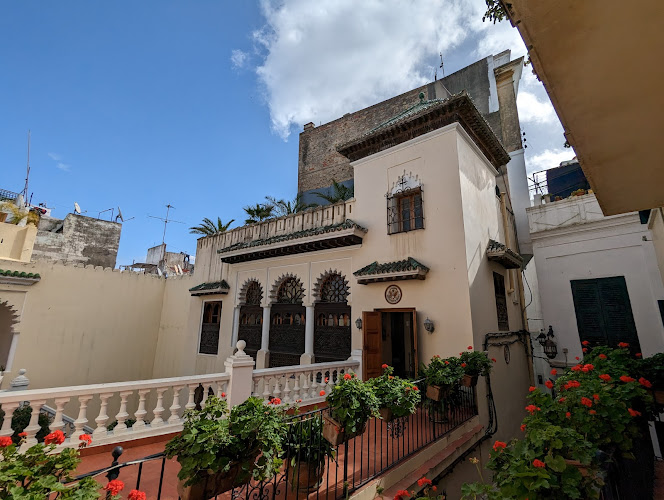
Tangier American Legation Museum
Find Accommodations Nearby
Recommended Tours & Activities
Visitor Reviews
There are no reviews yet. Be the first one to write one.
Share Your Experience
Have you visited Plaza de Toros? Help other travelers by leaving a review.