
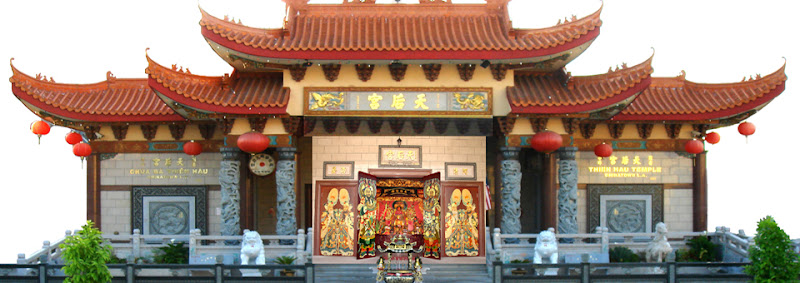
Thien Hau Temple
About Thien Hau Temple
Description
Thien Hau Temple is one of those places that really sticks with you, not just because of its history but because of the way it feels when you step inside. Dedicated to Mazu, the Chinese sea goddess who protects sailors and travelers, the temple has become a spiritual anchor for the community. The scent of incense lingers in the air, curling up into the rafters, and the soft glow of lanterns and candles gives the space a kind of quiet energy. It’s not flashy or overdone—it feels lived in, respected, and loved. You’ll notice people coming in and out, some staying for just a moment to light incense, others sitting in meditation for much longer. It’s a balance of being both a tourist attraction and a working place of worship, which makes it feel authentic rather than staged.
Architecturally, the temple shows off traditional Chinese design, with ornate carvings, colorful tiles, and intricate altars that are almost overwhelming in detail. Dragons twist along the rooftops, guardians stand watch at the entrance, and the walls are filled with symbols and artwork that tell stories of devotion and protection. It’s the kind of place where you could spend an hour just looking at the details and still miss something. And yet, despite the elaborate design, it doesn’t feel intimidating—it feels welcoming. Even if you’re not religious, there’s a sense of calm that’s hard to ignore.
Of course, not everyone experiences the temple the same way. Some visitors find it crowded, especially during festivals, and others might feel a bit out of place if they don’t understand the rituals. But the majority leave with a sense of appreciation for its beauty and cultural significance. Personally, I remember the first time I visited, I was struck by how quiet it felt despite being in the middle of such a busy city. It was like stepping into another world for a while, one where time slowed down just enough for me to catch my breath. That’s the kind of memory that makes a place special.
Key Features
- Dedicated to Mazu, the sea goddess revered for protecting sailors and travelers
- Traditional Chinese architecture with ornate carvings, dragons, and symbolic artwork
- Active place of worship, offering an authentic cultural experience
- Peaceful atmosphere despite being located in a bustling urban area
- Wheelchair accessible entrance and parking for ease of access
- On-site restrooms available for visitors
- Rich cultural history reflecting the Chinese community’s heritage
Best Time to Visit
The temple is open year-round, but the experience changes depending on when you go. Weekdays are usually quieter, giving you more space to take in the details without feeling rushed. Early mornings are especially peaceful—you might even have parts of the temple to yourself. On the other hand, if you’re curious about cultural celebrations, visiting during Lunar New Year or the birthday of Mazu is unforgettable. The temple fills with worshippers, the air thick with incense, and the energy is almost electric. It can get crowded, yes, but it’s also when the temple feels most alive. Personally, I prefer the quieter times because I like to wander slowly and take photos without bumping into people, but if you thrive on energy and want to see rituals in action, festival season is the way to go.
How to Get There
Reaching the temple is straightforward, especially if you’re already exploring the city’s Chinatown area. Many visitors choose to drive since parking options are available nearby, and the temple itself provides accessible parking. If you don’t want to deal with parking, public transportation is also a solid choice—buses and metro lines will drop you close enough that it’s just a short walk. Ride-sharing apps make things even easier if you’re not familiar with the area. I’ve personally taken both the metro and driven, and honestly, if you’re visiting during a festival, public transport might save you the headache of hunting for a parking spot.
Tips for Visiting
First and foremost, remember that this is an active place of worship. Dress respectfully—no need for anything fancy, but modest clothing goes a long way in showing respect. When you’re inside, it’s okay to take photos, but be mindful of people praying and avoid using flash. I once made the mistake of snapping a picture too close to someone mid-prayer, and the look they gave me was enough to remind me that this is their sacred space, not just my photo backdrop.
Bring a few small bills if you’d like to light incense or make an offering. It’s not required, but it’s a nice way to participate in the rituals. If you’re sensitive to strong scents, be prepared—the incense can be heavy, especially during busy times. And speaking of busy, if you’re not a fan of crowds, stick to weekday mornings. Festivals are beautiful but definitely not for those who dislike tight spaces.
Accessibility is another plus here. With a wheelchair-friendly entrance and parking, the temple is easier to navigate than some older religious sites that have steep steps or uneven paths. Families with strollers will also appreciate this. And finally, give yourself time. Don’t just rush in, snap a few photos, and leave. Sit for a while. Watch the way locals interact with the space. Listen to the sounds of the bells and the murmurs of prayers. That’s when the temple really reveals its character.
In the end, Thien Hau Temple is more than just a stop on a sightseeing checklist. It’s a place where history, culture, and spirituality come together in a way that feels both grounding and inspiring. Whether you’re there for five minutes or an hour, it leaves an impression that lingers long after you’ve stepped back into the busy city streets.
Key Features
- Dedicated to Mazu, the sea goddess revered for protecting sailors and travelers
- Traditional Chinese architecture with ornate carvings, dragons, and symbolic artwork
- Active place of worship, offering an authentic cultural experience
- Peaceful atmosphere despite being located in a bustling urban area
- Wheelchair accessible entrance and parking for ease of access
- On-site restrooms available for visitors
- Rich cultural history reflecting the Chinese community’s heritage
More Details
Updated October 1, 2025
Table of Contents
Description
Thien Hau Temple is one of those places that really sticks with you, not just because of its history but because of the way it feels when you step inside. Dedicated to Mazu, the Chinese sea goddess who protects sailors and travelers, the temple has become a spiritual anchor for the community. The scent of incense lingers in the air, curling up into the rafters, and the soft glow of lanterns and candles gives the space a kind of quiet energy. It’s not flashy or overdone—it feels lived in, respected, and loved. You’ll notice people coming in and out, some staying for just a moment to light incense, others sitting in meditation for much longer. It’s a balance of being both a tourist attraction and a working place of worship, which makes it feel authentic rather than staged.
Architecturally, the temple shows off traditional Chinese design, with ornate carvings, colorful tiles, and intricate altars that are almost overwhelming in detail. Dragons twist along the rooftops, guardians stand watch at the entrance, and the walls are filled with symbols and artwork that tell stories of devotion and protection. It’s the kind of place where you could spend an hour just looking at the details and still miss something. And yet, despite the elaborate design, it doesn’t feel intimidating—it feels welcoming. Even if you’re not religious, there’s a sense of calm that’s hard to ignore.
Of course, not everyone experiences the temple the same way. Some visitors find it crowded, especially during festivals, and others might feel a bit out of place if they don’t understand the rituals. But the majority leave with a sense of appreciation for its beauty and cultural significance. Personally, I remember the first time I visited, I was struck by how quiet it felt despite being in the middle of such a busy city. It was like stepping into another world for a while, one where time slowed down just enough for me to catch my breath. That’s the kind of memory that makes a place special.
Key Features
- Dedicated to Mazu, the sea goddess revered for protecting sailors and travelers
- Traditional Chinese architecture with ornate carvings, dragons, and symbolic artwork
- Active place of worship, offering an authentic cultural experience
- Peaceful atmosphere despite being located in a bustling urban area
- Wheelchair accessible entrance and parking for ease of access
- On-site restrooms available for visitors
- Rich cultural history reflecting the Chinese community’s heritage
Best Time to Visit
The temple is open year-round, but the experience changes depending on when you go. Weekdays are usually quieter, giving you more space to take in the details without feeling rushed. Early mornings are especially peaceful—you might even have parts of the temple to yourself. On the other hand, if you’re curious about cultural celebrations, visiting during Lunar New Year or the birthday of Mazu is unforgettable. The temple fills with worshippers, the air thick with incense, and the energy is almost electric. It can get crowded, yes, but it’s also when the temple feels most alive. Personally, I prefer the quieter times because I like to wander slowly and take photos without bumping into people, but if you thrive on energy and want to see rituals in action, festival season is the way to go.
How to Get There
Reaching the temple is straightforward, especially if you’re already exploring the city’s Chinatown area. Many visitors choose to drive since parking options are available nearby, and the temple itself provides accessible parking. If you don’t want to deal with parking, public transportation is also a solid choice—buses and metro lines will drop you close enough that it’s just a short walk. Ride-sharing apps make things even easier if you’re not familiar with the area. I’ve personally taken both the metro and driven, and honestly, if you’re visiting during a festival, public transport might save you the headache of hunting for a parking spot.
Tips for Visiting
First and foremost, remember that this is an active place of worship. Dress respectfully—no need for anything fancy, but modest clothing goes a long way in showing respect. When you’re inside, it’s okay to take photos, but be mindful of people praying and avoid using flash. I once made the mistake of snapping a picture too close to someone mid-prayer, and the look they gave me was enough to remind me that this is their sacred space, not just my photo backdrop.
Bring a few small bills if you’d like to light incense or make an offering. It’s not required, but it’s a nice way to participate in the rituals. If you’re sensitive to strong scents, be prepared—the incense can be heavy, especially during busy times. And speaking of busy, if you’re not a fan of crowds, stick to weekday mornings. Festivals are beautiful but definitely not for those who dislike tight spaces.
Accessibility is another plus here. With a wheelchair-friendly entrance and parking, the temple is easier to navigate than some older religious sites that have steep steps or uneven paths. Families with strollers will also appreciate this. And finally, give yourself time. Don’t just rush in, snap a few photos, and leave. Sit for a while. Watch the way locals interact with the space. Listen to the sounds of the bells and the murmurs of prayers. That’s when the temple really reveals its character.
In the end, Thien Hau Temple is more than just a stop on a sightseeing checklist. It’s a place where history, culture, and spirituality come together in a way that feels both grounding and inspiring. Whether you’re there for five minutes or an hour, it leaves an impression that lingers long after you’ve stepped back into the busy city streets.
Key Highlights
- Dedicated to Mazu, the sea goddess revered for protecting sailors and travelers
- Traditional Chinese architecture with ornate carvings, dragons, and symbolic artwork
- Active place of worship, offering an authentic cultural experience
- Peaceful atmosphere despite being located in a bustling urban area
- Wheelchair accessible entrance and parking for ease of access
- On-site restrooms available for visitors
- Rich cultural history reflecting the Chinese community’s heritage
Location
Places to Stay Near Thien Hau Temple
Find and Book a Tour
Explore More Travel Guides
No reviews found! Be the first to review!
Traveler Reviews for Thien Hau Temple
There are no reviews yet. Be the first one to write one.
Have you visited Thien Hau Temple? Help other travelers by sharing your review.
You Might Also Like
Hollywood City Tours

4162 Wade St

Madame Tussauds Hollywood
Find Accommodations Nearby
Recommended Tours & Activities
Visitor Reviews
There are no reviews yet. Be the first one to write one.
Share Your Experience
Have you visited Thien Hau Temple? Help other travelers by leaving a review.