
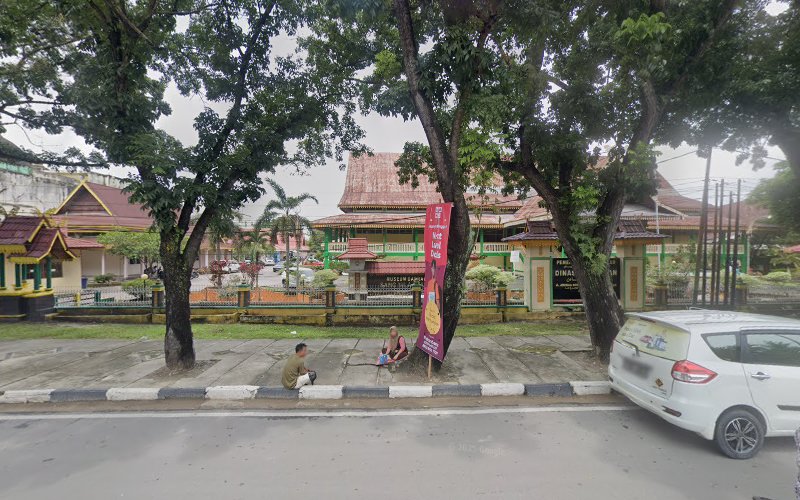
Tangkerang Pekanbaru Jl. Jend. Sudirman No.194
About Tangkerang Pekanbaru Jl. Jend. Sudirman No.194
Description
At first glance, this spot along one of Pekanbaru’s busiest avenues might look like just another government-style building, but it actually holds a surprising amount of cultural weight. The location is home to the Museum Daerah Riau Sang Nila Utama, a place that many locals know from school trips and family outings. Inside, travelers find a collection that tells the story of Riau’s identity—everything from traditional textiles and musical instruments to artifacts that reflect the area’s Malay heritage. It’s not the kind of museum where you’ll find endless glass cases with dusty labels; instead, it feels more like an introduction to the heartbeat of the region. And while some visitors might find the displays modest compared to larger city museums, there’s a quiet charm in its simplicity that makes it worth a stop if you’re already exploring Pekanbaru. The building itself is also a landmark, with its distinctive architecture standing out against the modern businesses and traffic-heavy surroundings.
Personally, I’ve always had a soft spot for places like this. They remind me of the smaller regional museums I visited as a kid, where the creaky floors and handwritten signs made you feel closer to the stories being told. Here, the vibe is similar—less polished, sure, but more personal. You can almost sense the pride of the community in the way the exhibits are arranged. Some travelers rave about the cultural insight they gain, while others feel it could use a refresh. Both opinions are fair. But if you’re the type who enjoys digging beneath the surface of a destination, this spot delivers more than meets the eye.
Key Features
- A collection of traditional Riau artifacts, including textiles, crafts, and household items that reflect local heritage.
- Exhibits highlighting Malay culture, one of the defining elements of Riau’s identity.
- A central location along a major avenue, making it easy to combine with other city attractions.
- Affordable entry fee, making it accessible for budget-conscious travelers.
- Architecture that stands out with its regional design influences, offering photo opportunities outside as well as inside.
- A quieter atmosphere compared to larger museums, allowing a more relaxed visit without heavy crowds.
Best Time to Visit
The best time to drop by is during the morning hours when the air is cooler and the museum feels fresh. Weekdays tend to be calmer, especially mid-morning, so you can wander without bumping into school groups. If you’re visiting on a weekend, keep in mind that the opening hours are shorter, so plan accordingly. The rainy season, usually around late fall, can make the city feel humid and sticky, but the museum offers a dry, air-conditioned break from the heat. Personally, I found it most enjoyable right after breakfast, when my energy was still high and the streets outside hadn’t yet reached their full traffic frenzy.
How to Get There
Reaching the building is straightforward since it sits along one of Pekanbaru’s main arteries. If you’re staying in the city center, a short taxi or ride-hailing trip will get you there in minutes. Public transportation is available, but it can be a bit confusing if you’re not familiar with local routes. Honestly, I’d recommend using a Grab or Gojek app—it’s cheap, reliable, and saves you the hassle of figuring out bus stops. For those who enjoy walking, you could technically make it on foot from some hotels nearby, but the midday heat can be punishing, so keep that in mind. Parking is available if you’re driving, though like much of Pekanbaru, it can get tight during peak hours.
Tips for Visiting
First off, bring a bit of cash. Entry fees are minimal, but not every place in town accepts cards. Also, don’t rush your visit. Even though the museum isn’t massive, it’s worth taking the time to read the displays and appreciate the details. If you’re into photography, the lighting inside can be a little dim, so adjust your camera settings or be ready to use a higher ISO. And remember to dress modestly—this is a cultural site, and respectful attire goes a long way in Indonesia.
I’d also suggest chatting with the staff if you get the chance. They’re often happy to share stories or point out details that aren’t obvious at first glance. On my visit, a guide explained the meaning behind one of the traditional fabrics, and it completely changed the way I looked at it. Lastly, pair your museum stop with a nearby food hunt. Pekanbaru is known for its Malay dishes, and grabbing a plate of nasi lemak or a bowl of mie sagu after your visit makes for a perfect cultural combo.
So, while this place might not be the flashiest attraction in Indonesia, it has a quiet significance. It’s the kind of stop that gives context to the city around you, grounding your trip in history and culture rather than just shopping malls and traffic jams. If you’re curious, open-minded, and willing to slow down for an hour or two, you’ll likely walk away with a deeper appreciation of Riau’s story.
Key Features
- A collection of traditional Riau artifacts, including textiles, crafts, and household items that reflect local heritage.
- Exhibits highlighting Malay culture, one of the defining elements of Riau’s identity.
- A central location along a major avenue, making it easy to combine with other city attractions.
- Affordable entry fee, making it accessible for budget-conscious travelers.
- Architecture that stands out with its regional design influences, offering photo opportunities outside as well as inside.
- A quieter atmosphere compared to larger museums, allowing a more relaxed visit without heavy crowds.
More Details
Updated October 1, 2025
Table of Contents
- Description
- Key Features
- Best Time to Visit
- How to Get There
- Tips for Visiting
- Key Highlights
- Location
- Places to Stay Near Tangkerang Pekanbaru Jl. Jend. Sudirman No.194
- Find and Book a Tour
- Explore More Travel Guides
- Nearby Places You Might Like
- Traveler Reviews for Tangkerang Pekanbaru Jl. Jend. Sudirman No.194
- Share Your Experience
Description
At first glance, this spot along one of Pekanbaru’s busiest avenues might look like just another government-style building, but it actually holds a surprising amount of cultural weight. The location is home to the Museum Daerah Riau Sang Nila Utama, a place that many locals know from school trips and family outings. Inside, travelers find a collection that tells the story of Riau’s identity—everything from traditional textiles and musical instruments to artifacts that reflect the area’s Malay heritage. It’s not the kind of museum where you’ll find endless glass cases with dusty labels; instead, it feels more like an introduction to the heartbeat of the region. And while some visitors might find the displays modest compared to larger city museums, there’s a quiet charm in its simplicity that makes it worth a stop if you’re already exploring Pekanbaru. The building itself is also a landmark, with its distinctive architecture standing out against the modern businesses and traffic-heavy surroundings.
Personally, I’ve always had a soft spot for places like this. They remind me of the smaller regional museums I visited as a kid, where the creaky floors and handwritten signs made you feel closer to the stories being told. Here, the vibe is similar—less polished, sure, but more personal. You can almost sense the pride of the community in the way the exhibits are arranged. Some travelers rave about the cultural insight they gain, while others feel it could use a refresh. Both opinions are fair. But if you’re the type who enjoys digging beneath the surface of a destination, this spot delivers more than meets the eye.
Key Features
- A collection of traditional Riau artifacts, including textiles, crafts, and household items that reflect local heritage.
- Exhibits highlighting Malay culture, one of the defining elements of Riau’s identity.
- A central location along a major avenue, making it easy to combine with other city attractions.
- Affordable entry fee, making it accessible for budget-conscious travelers.
- Architecture that stands out with its regional design influences, offering photo opportunities outside as well as inside.
- A quieter atmosphere compared to larger museums, allowing a more relaxed visit without heavy crowds.
Best Time to Visit
The best time to drop by is during the morning hours when the air is cooler and the museum feels fresh. Weekdays tend to be calmer, especially mid-morning, so you can wander without bumping into school groups. If you’re visiting on a weekend, keep in mind that the opening hours are shorter, so plan accordingly. The rainy season, usually around late fall, can make the city feel humid and sticky, but the museum offers a dry, air-conditioned break from the heat. Personally, I found it most enjoyable right after breakfast, when my energy was still high and the streets outside hadn’t yet reached their full traffic frenzy.
How to Get There
Reaching the building is straightforward since it sits along one of Pekanbaru’s main arteries. If you’re staying in the city center, a short taxi or ride-hailing trip will get you there in minutes. Public transportation is available, but it can be a bit confusing if you’re not familiar with local routes. Honestly, I’d recommend using a Grab or Gojek app—it’s cheap, reliable, and saves you the hassle of figuring out bus stops. For those who enjoy walking, you could technically make it on foot from some hotels nearby, but the midday heat can be punishing, so keep that in mind. Parking is available if you’re driving, though like much of Pekanbaru, it can get tight during peak hours.
Tips for Visiting
First off, bring a bit of cash. Entry fees are minimal, but not every place in town accepts cards. Also, don’t rush your visit. Even though the museum isn’t massive, it’s worth taking the time to read the displays and appreciate the details. If you’re into photography, the lighting inside can be a little dim, so adjust your camera settings or be ready to use a higher ISO. And remember to dress modestly—this is a cultural site, and respectful attire goes a long way in Indonesia.
I’d also suggest chatting with the staff if you get the chance. They’re often happy to share stories or point out details that aren’t obvious at first glance. On my visit, a guide explained the meaning behind one of the traditional fabrics, and it completely changed the way I looked at it. Lastly, pair your museum stop with a nearby food hunt. Pekanbaru is known for its Malay dishes, and grabbing a plate of nasi lemak or a bowl of mie sagu after your visit makes for a perfect cultural combo.
So, while this place might not be the flashiest attraction in Indonesia, it has a quiet significance. It’s the kind of stop that gives context to the city around you, grounding your trip in history and culture rather than just shopping malls and traffic jams. If you’re curious, open-minded, and willing to slow down for an hour or two, you’ll likely walk away with a deeper appreciation of Riau’s story.
Key Highlights
- A collection of traditional Riau artifacts, including textiles, crafts, and household items that reflect local heritage.
- Exhibits highlighting Malay culture, one of the defining elements of Riau’s identity.
- A central location along a major avenue, making it easy to combine with other city attractions.
- Affordable entry fee, making it accessible for budget-conscious travelers.
- Architecture that stands out with its regional design influences, offering photo opportunities outside as well as inside.
- A quieter atmosphere compared to larger museums, allowing a more relaxed visit without heavy crowds.
Location
Places to Stay Near Tangkerang Pekanbaru Jl. Jend. Sudirman No.194
Find and Book a Tour
Explore More Travel Guides
No reviews found! Be the first to review!
Traveler Reviews for Tangkerang Pekanbaru Jl. Jend. Sudirman No.194
There are no reviews yet. Be the first one to write one.
Have you visited Tangkerang Pekanbaru Jl. Jend. Sudirman No.194? Help other travelers by sharing your review.
You Might Also Like
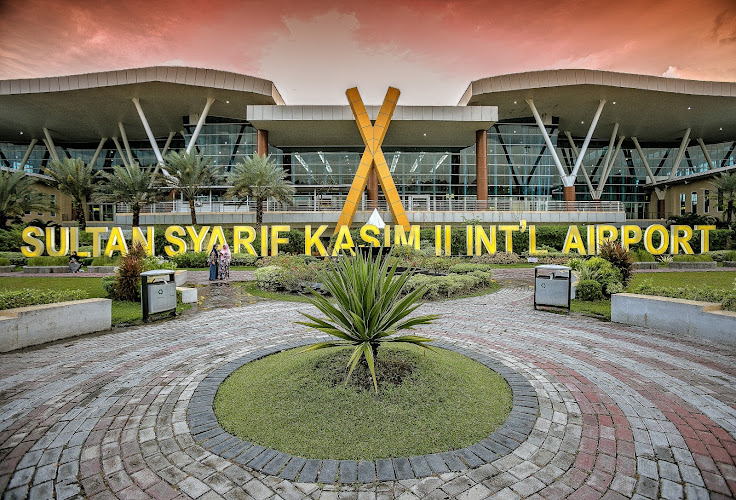
Sultan Syarif Kasim II International Airport
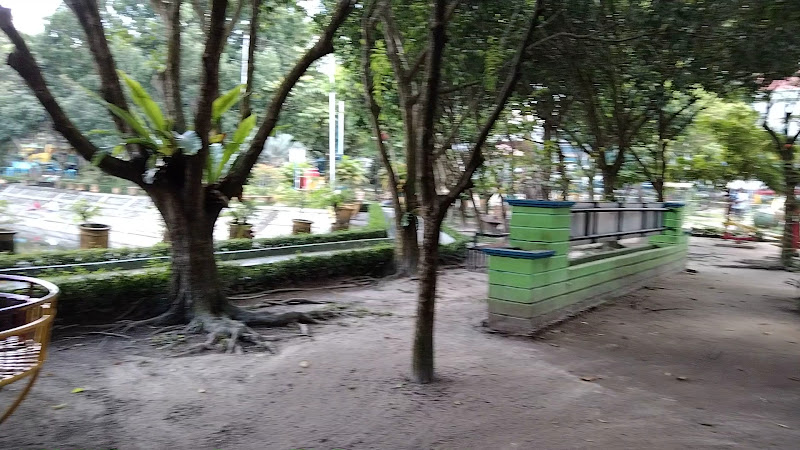
Pekanbaru City Park
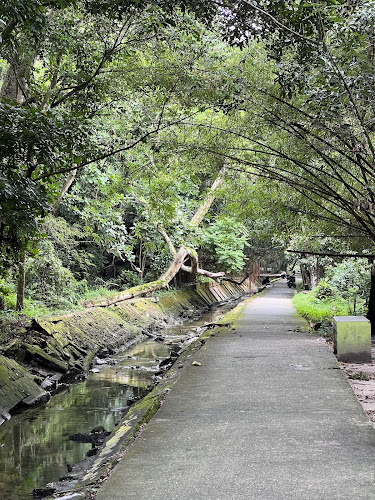
Hutan Kota Pekanbaru
Find Accommodations Nearby
Recommended Tours & Activities
Visitor Reviews
There are no reviews yet. Be the first one to write one.
Share Your Experience
Have you visited Tangkerang Pekanbaru Jl. Jend. Sudirman No.194? Help other travelers by leaving a review.