
Landis Valley Village & Farm Museum
About Landis Valley Village & Farm Museum
Description
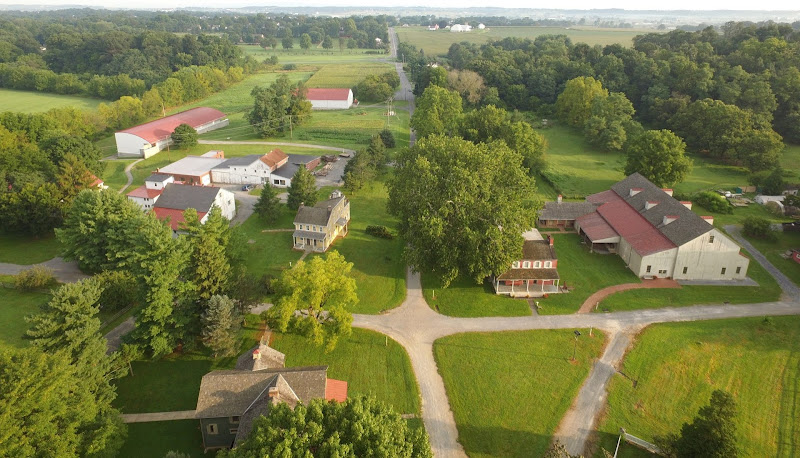
The Landis Valley Village & Farm Museum is one of those rare places where history doesn’t just sit behind glass—it breathes. Spread across 100 acres of farmland and historic buildings, this living history museum tells the story of Pennsylvania’s rural German community from the mid-1700s through the early 20th century. It’s not the kind of museum where you shuffle past exhibits quietly. Instead, you’ll find yourself stepping into a recreated village, hearing the ring of a blacksmith’s hammer, smelling wood smoke from historic kitchens, and maybe even chatting with costumed interpreters who seem to know more about butter churning than most of us ever will.
What I personally love about this place is that it doesn’t feel overly polished. Some museums can come off a bit too perfect, almost like a movie set. Here, you get a sense of authenticity—like you’re actually peeking into the daily life of people who lived and worked here centuries ago. Sure, not every building is jaw-dropping, and sometimes the pace feels slow, but that’s part of the charm. It’s an experience that asks you to slow down, look closer, and appreciate the details. Families especially seem to enjoy it, and kids usually light up when they get to try hands-on activities like candle dipping or feeding farm animals.
It’s not without its quirks, of course. Some visitors might find the exhibits a little uneven—some areas are more engaging than others—but the overall atmosphere more than makes up for it. If you’re curious about Pennsylvania Dutch heritage or just want a day that feels different from the usual tourist trail, this museum is worth your time.
Key Features
- 100-acre living history museum with historic buildings, barns, and gardens
- Focus on Pennsylvania German culture from 1750–1940
- Costumed interpreters demonstrating traditional crafts and trades
- Hands-on activities for kids like candle making and farm chores
- Live performances and seasonal events throughout the year
- Wheelchair accessible entrances, restrooms, and parking
- On-site gift shop filled with handmade and local goods
- Theater presentations that dive deeper into the culture and history
- Guided tours available for those who want more structure
- Free on-site parking with plenty of space
Best Time to Visit
If you ask me, the best time to visit is during spring or fall. In spring, the farm animals are lively, the gardens start to bloom, and the weather is mild enough to wander comfortably between the buildings. Fall, on the other hand, brings harvest festivals and crisp air that makes the whole place feel like you’ve stepped into a postcard. Summer can be fun too, but it does get hot out in the open fields, and winter—well, it’s quieter, which can be nice if you prefer fewer crowds. Just be aware that some outdoor activities may be limited in colder months.
Special events like the Harvest Days or the Christmas-themed programs really elevate the experience. If you can time your visit around one of those, you’ll see the museum at its most lively. But even on an ordinary weekday, there’s plenty to see and do without feeling overwhelmed.
How to Get There
Reaching the museum is pretty straightforward if you’re already exploring Lancaster County. It’s just a short drive from downtown Lancaster and easy to combine with other local attractions like Amish country tours or nearby markets. Most visitors arrive by car since public transportation options are limited in this area. The good news is that parking is free and plentiful, so you won’t be circling around hunting for a spot.
If you’re coming from farther afield—say Philadelphia or Harrisburg—it’s about an hour to an hour and a half drive, depending on traffic. I’d recommend making it part of a day trip so you can explore both the museum and the surrounding countryside. Honestly, half the fun is just the scenic drive through rolling farmland.
Tips for Visiting
Here are a few things I’ve learned from my own visits (and from chatting with other travelers along the way):
- Wear comfortable shoes. The museum covers a lot of ground, and you’ll be walking on gravel paths, grass, and uneven surfaces.
- Plan at least half a day. While you could breeze through in a couple of hours, you’ll get so much more out of it if you slow down and talk with the interpreters.
- Bring snacks or pack a picnic. There’s no restaurant on-site, so you’ll want to have something handy, especially if you’re visiting with kids.
- Check the events calendar. Seasonal festivals and demonstrations can completely change the vibe of your visit.
- Don’t skip the gift shop. It’s surprisingly good, with local crafts, books, and handmade items that actually feel worth buying.
- Accessibility is solid. Wheelchair rentals are available, and most of the main areas are easy to navigate.
- Be ready for a slower pace. This isn’t a high-tech museum with flashing screens—it’s about soaking in the atmosphere. If you go in with that mindset, you’ll enjoy it more.
One last thing—if you’re traveling with kids, let them take the lead for a bit. I’ve seen children get totally absorbed in the old-school games and farm chores, and honestly, their excitement makes the whole experience more fun. And if you’re traveling solo or as a couple, don’t be shy about striking up conversations with the staff. They’re passionate about what they do, and you’ll walk away with little tidbits of history you won’t find in any guidebook.
Key Features
- 100-acre living history museum with historic buildings, barns, and gardens
- Focus on Pennsylvania German culture from 1750–1940
- Costumed interpreters demonstrating traditional crafts and trades
- Hands-on activities for kids like candle making and farm chores
- Live performances and seasonal events throughout the year
- Wheelchair accessible entrances, restrooms, and parking
- On-site gift shop filled with handmade and local goods
- Theater presentations that dive deeper into the culture and history
More Details
Updated October 1, 2025
Table of Contents
- Description
- Key Features
- Best Time to Visit
- How to Get There
- Tips for Visiting
- Key Highlights
- Location
- Places to Stay Near Landis Valley Village & Farm Museum
- Find and Book a Tour
- Explore More Travel Guides
- Nearby Places You Might Like
- Traveler Reviews for Landis Valley Village & Farm Museum
- Share Your Experience
Description
The Landis Valley Village & Farm Museum is one of those rare places where history doesn’t just sit behind glass—it breathes. Spread across 100 acres of farmland and historic buildings, this living history museum tells the story of Pennsylvania’s rural German community from the mid-1700s through the early 20th century. It’s not the kind of museum where you shuffle past exhibits quietly. Instead, you’ll find yourself stepping into a recreated village, hearing the ring of a blacksmith’s hammer, smelling wood smoke from historic kitchens, and maybe even chatting with costumed interpreters who seem to know more about butter churning than most of us ever will.
What I personally love about this place is that it doesn’t feel overly polished. Some museums can come off a bit too perfect, almost like a movie set. Here, you get a sense of authenticity—like you’re actually peeking into the daily life of people who lived and worked here centuries ago. Sure, not every building is jaw-dropping, and sometimes the pace feels slow, but that’s part of the charm. It’s an experience that asks you to slow down, look closer, and appreciate the details. Families especially seem to enjoy it, and kids usually light up when they get to try hands-on activities like candle dipping or feeding farm animals.
It’s not without its quirks, of course. Some visitors might find the exhibits a little uneven—some areas are more engaging than others—but the overall atmosphere more than makes up for it. If you’re curious about Pennsylvania Dutch heritage or just want a day that feels different from the usual tourist trail, this museum is worth your time.
Key Features
- 100-acre living history museum with historic buildings, barns, and gardens
- Focus on Pennsylvania German culture from 1750–1940
- Costumed interpreters demonstrating traditional crafts and trades
- Hands-on activities for kids like candle making and farm chores
- Live performances and seasonal events throughout the year
- Wheelchair accessible entrances, restrooms, and parking
- On-site gift shop filled with handmade and local goods
- Theater presentations that dive deeper into the culture and history
- Guided tours available for those who want more structure
- Free on-site parking with plenty of space
Best Time to Visit
If you ask me, the best time to visit is during spring or fall. In spring, the farm animals are lively, the gardens start to bloom, and the weather is mild enough to wander comfortably between the buildings. Fall, on the other hand, brings harvest festivals and crisp air that makes the whole place feel like you’ve stepped into a postcard. Summer can be fun too, but it does get hot out in the open fields, and winter—well, it’s quieter, which can be nice if you prefer fewer crowds. Just be aware that some outdoor activities may be limited in colder months.
Special events like the Harvest Days or the Christmas-themed programs really elevate the experience. If you can time your visit around one of those, you’ll see the museum at its most lively. But even on an ordinary weekday, there’s plenty to see and do without feeling overwhelmed.
How to Get There
Reaching the museum is pretty straightforward if you’re already exploring Lancaster County. It’s just a short drive from downtown Lancaster and easy to combine with other local attractions like Amish country tours or nearby markets. Most visitors arrive by car since public transportation options are limited in this area. The good news is that parking is free and plentiful, so you won’t be circling around hunting for a spot.
If you’re coming from farther afield—say Philadelphia or Harrisburg—it’s about an hour to an hour and a half drive, depending on traffic. I’d recommend making it part of a day trip so you can explore both the museum and the surrounding countryside. Honestly, half the fun is just the scenic drive through rolling farmland.
Tips for Visiting
Here are a few things I’ve learned from my own visits (and from chatting with other travelers along the way):
- Wear comfortable shoes. The museum covers a lot of ground, and you’ll be walking on gravel paths, grass, and uneven surfaces.
- Plan at least half a day. While you could breeze through in a couple of hours, you’ll get so much more out of it if you slow down and talk with the interpreters.
- Bring snacks or pack a picnic. There’s no restaurant on-site, so you’ll want to have something handy, especially if you’re visiting with kids.
- Check the events calendar. Seasonal festivals and demonstrations can completely change the vibe of your visit.
- Don’t skip the gift shop. It’s surprisingly good, with local crafts, books, and handmade items that actually feel worth buying.
- Accessibility is solid. Wheelchair rentals are available, and most of the main areas are easy to navigate.
- Be ready for a slower pace. This isn’t a high-tech museum with flashing screens—it’s about soaking in the atmosphere. If you go in with that mindset, you’ll enjoy it more.
One last thing—if you’re traveling with kids, let them take the lead for a bit. I’ve seen children get totally absorbed in the old-school games and farm chores, and honestly, their excitement makes the whole experience more fun. And if you’re traveling solo or as a couple, don’t be shy about striking up conversations with the staff. They’re passionate about what they do, and you’ll walk away with little tidbits of history you won’t find in any guidebook.
Key Highlights
- 100-acre living history museum with historic buildings, barns, and gardens
- Focus on Pennsylvania German culture from 1750–1940
- Costumed interpreters demonstrating traditional crafts and trades
- Hands-on activities for kids like candle making and farm chores
- Live performances and seasonal events throughout the year
- Wheelchair accessible entrances, restrooms, and parking
- On-site gift shop filled with handmade and local goods
- Theater presentations that dive deeper into the culture and history
Location
Places to Stay Near Landis Valley Village & Farm Museum
Find and Book a Tour
Explore More Travel Guides
No reviews found! Be the first to review!
Traveler Reviews for Landis Valley Village & Farm Museum
There are no reviews yet. Be the first one to write one.
Have you visited Landis Valley Village & Farm Museum? Help other travelers by sharing your review.
You Might Also Like
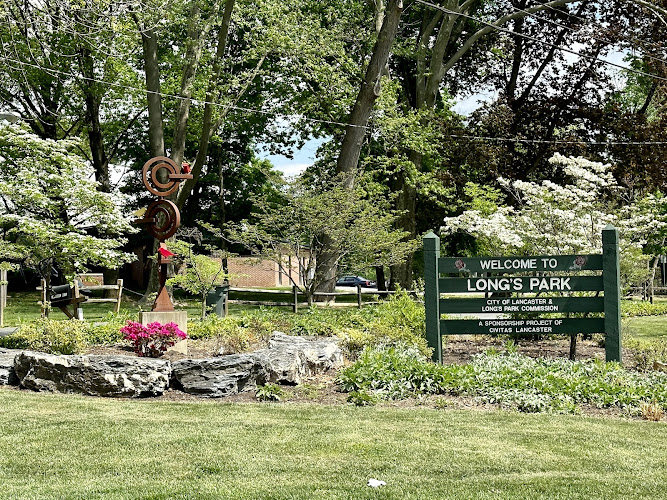
Long
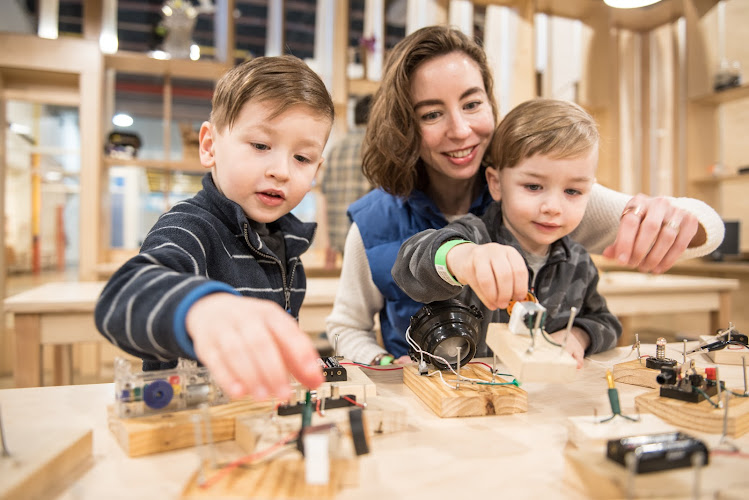
Lancaster Science Factory
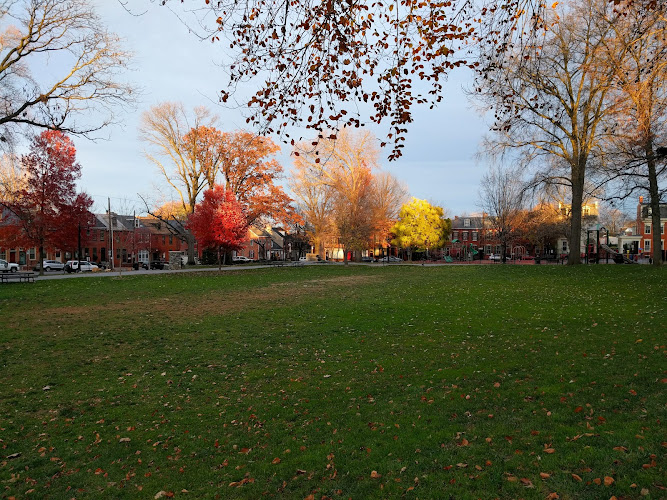
Musser Park
Find Accommodations Nearby
Recommended Tours & Activities
Visitor Reviews
There are no reviews yet. Be the first one to write one.
Share Your Experience
Have you visited Landis Valley Village & Farm Museum? Help other travelers by leaving a review.