
Pasar Tangor
About Pasar Tangor
Description
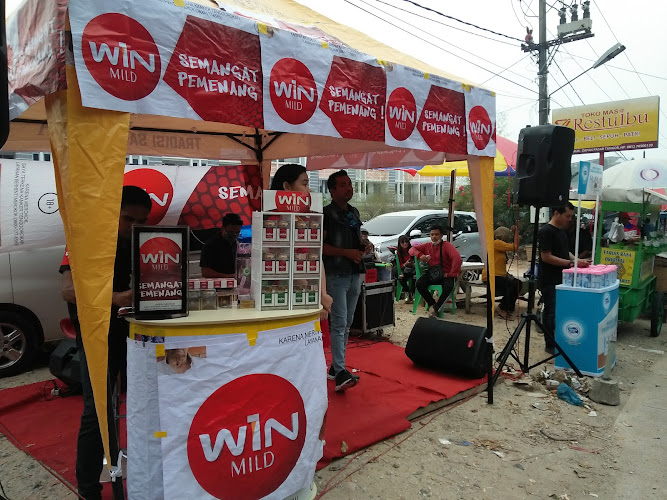
Pasar Tangor in Pekanbaru is the kind of place that pulls you in with its raw, everyday energy. It’s not polished, not overly curated, and that’s exactly the charm. This is where locals come to buy their groceries, catch up with neighbors, and sometimes just linger over the smell of freshly cooked snacks. For travelers, it’s a window into the rhythm of daily life in Riau, and honestly, that’s far more interesting than a staged tourist show. You’ll find stalls stacked with vegetables that still have a bit of dirt clinging to them, fish that look like they were hauled in just hours ago, and the occasional vendor who’ll crack a joke while weighing your fruit. It’s authentic, sometimes chaotic, and yes, not everyone will find it picture-perfect—but that’s the point. The imperfections are what make it real.
Some visitors rave about the friendliness of the vendors and the sense of community that seems to hum through the place, while others might grumble about the heat, the crowds, or the slightly uneven walkways. Both perspectives are valid. Personally, I think if you go in with an open mind and a bit of patience, you’ll leave with more than just a bag of fruit—you’ll leave with a story or two. And isn’t that what travel’s all about?
Key Features
- Fresh produce, seafood, and spices that reflect local flavors of Riau.
- Street food stalls serving traditional Indonesian snacks and meals.
- Friendly local vendors who often enjoy chatting with visitors.
- A community-oriented atmosphere where daily life unfolds naturally.
- Restrooms available, though facilities are basic.
- No wheelchair-accessible entrances or parking, which can make access tricky for some travelers.
- Affordable prices compared to tourist-heavy markets.
- Occasional quirky characters—like the man in the parking lot known for watching over vehicles and sometimes riding around on his bicycle.
Best Time to Visit
Morning is when Pasar Tangor really comes alive. The produce is freshest, the fish glisten with that just-caught sheen, and the air is filled with the chatter of bargaining. By midday, the heat can be a bit much, especially if you’re not used to the tropical climate, and the crowds thicken as more locals stream in. If you’re like me and enjoy people-watching, late morning is a sweet spot—you’ll see the market in full swing without the early-morning rush. Evenings tend to quiet down, but some food stalls stick around, which can be a nice low-key way to experience it without the crush of bodies.
How to Get There
Reaching Pasar Tangor isn’t complicated, though it does depend on where you’re staying in Pekanbaru. Local taxis and ride-hailing apps are the easiest way to get there if you don’t want to fuss with public transport. The ride itself is part of the experience—passing through neighborhoods, catching glimpses of daily life, maybe even spotting a roadside stall that tempts you to stop. If you’re adventurous, hopping on an angkot (local minibus) is possible, but it can be confusing if you’re not familiar with the routes. My advice: unless you speak a bit of Bahasa Indonesia or enjoy the challenge of navigating local transport, stick with a taxi or Grab. It’s inexpensive and saves you the headache.
Tips for Visiting
First and foremost, bring cash. Don’t expect vendors here to accept cards—this is a traditional market, and small bills will make your life easier. Bargaining is common, but keep it friendly; think of it as a conversation rather than a battle. A smile goes a long way.
Wear comfortable shoes because the ground can be uneven, and don’t be surprised if it’s a bit muddy after rain. If you’re sensitive to strong smells, especially from fish and spices, brace yourself—it’s part of the sensory overload that makes markets fascinating. And honestly, just roll with it.
One small but important detail: the market isn’t designed with accessibility in mind. There are no wheelchair-accessible entrances or designated parking, so if mobility is a concern, it may be challenging. Also, while restrooms exist, they’re basic—carry tissues or hand sanitizer just in case.
If you’re into photography, Pasar Tangor is a dream. The colors, the textures, the faces—they all tell stories. Just remember to ask before snapping close-up portraits of people. Most locals are warm and welcoming, but it’s always respectful to check.
And here’s a personal tip: don’t rush. I once spent nearly an hour just chatting with a vendor about the different kinds of chilies he sells—he even let me taste a few, which was both delightful and, well, painfully spicy. Those little interactions are what make the market memorable. So take your time, wander slowly, and let the place surprise you.
Key Features
- Fresh produce, seafood, and spices that reflect local flavors of Riau.
- Street food stalls serving traditional Indonesian snacks and meals.
- Friendly local vendors who often enjoy chatting with visitors.
- A community-oriented atmosphere where daily life unfolds naturally.
- Restrooms available, though facilities are basic.
- No wheelchair-accessible entrances or parking, which can make access tricky for some travelers.
- Affordable prices compared to tourist-heavy markets.
- Occasional quirky characters—like the man in the parking lot known for watching over vehicles and sometimes riding around on his bicycle.
More Details
Updated October 1, 2025
Table of Contents
Description
Pasar Tangor in Pekanbaru is the kind of place that pulls you in with its raw, everyday energy. It’s not polished, not overly curated, and that’s exactly the charm. This is where locals come to buy their groceries, catch up with neighbors, and sometimes just linger over the smell of freshly cooked snacks. For travelers, it’s a window into the rhythm of daily life in Riau, and honestly, that’s far more interesting than a staged tourist show. You’ll find stalls stacked with vegetables that still have a bit of dirt clinging to them, fish that look like they were hauled in just hours ago, and the occasional vendor who’ll crack a joke while weighing your fruit. It’s authentic, sometimes chaotic, and yes, not everyone will find it picture-perfect—but that’s the point. The imperfections are what make it real.
Some visitors rave about the friendliness of the vendors and the sense of community that seems to hum through the place, while others might grumble about the heat, the crowds, or the slightly uneven walkways. Both perspectives are valid. Personally, I think if you go in with an open mind and a bit of patience, you’ll leave with more than just a bag of fruit—you’ll leave with a story or two. And isn’t that what travel’s all about?
Key Features
- Fresh produce, seafood, and spices that reflect local flavors of Riau.
- Street food stalls serving traditional Indonesian snacks and meals.
- Friendly local vendors who often enjoy chatting with visitors.
- A community-oriented atmosphere where daily life unfolds naturally.
- Restrooms available, though facilities are basic.
- No wheelchair-accessible entrances or parking, which can make access tricky for some travelers.
- Affordable prices compared to tourist-heavy markets.
- Occasional quirky characters—like the man in the parking lot known for watching over vehicles and sometimes riding around on his bicycle.
Best Time to Visit
Morning is when Pasar Tangor really comes alive. The produce is freshest, the fish glisten with that just-caught sheen, and the air is filled with the chatter of bargaining. By midday, the heat can be a bit much, especially if you’re not used to the tropical climate, and the crowds thicken as more locals stream in. If you’re like me and enjoy people-watching, late morning is a sweet spot—you’ll see the market in full swing without the early-morning rush. Evenings tend to quiet down, but some food stalls stick around, which can be a nice low-key way to experience it without the crush of bodies.
How to Get There
Reaching Pasar Tangor isn’t complicated, though it does depend on where you’re staying in Pekanbaru. Local taxis and ride-hailing apps are the easiest way to get there if you don’t want to fuss with public transport. The ride itself is part of the experience—passing through neighborhoods, catching glimpses of daily life, maybe even spotting a roadside stall that tempts you to stop. If you’re adventurous, hopping on an angkot (local minibus) is possible, but it can be confusing if you’re not familiar with the routes. My advice: unless you speak a bit of Bahasa Indonesia or enjoy the challenge of navigating local transport, stick with a taxi or Grab. It’s inexpensive and saves you the headache.
Tips for Visiting
First and foremost, bring cash. Don’t expect vendors here to accept cards—this is a traditional market, and small bills will make your life easier. Bargaining is common, but keep it friendly; think of it as a conversation rather than a battle. A smile goes a long way.
Wear comfortable shoes because the ground can be uneven, and don’t be surprised if it’s a bit muddy after rain. If you’re sensitive to strong smells, especially from fish and spices, brace yourself—it’s part of the sensory overload that makes markets fascinating. And honestly, just roll with it.
One small but important detail: the market isn’t designed with accessibility in mind. There are no wheelchair-accessible entrances or designated parking, so if mobility is a concern, it may be challenging. Also, while restrooms exist, they’re basic—carry tissues or hand sanitizer just in case.
If you’re into photography, Pasar Tangor is a dream. The colors, the textures, the faces—they all tell stories. Just remember to ask before snapping close-up portraits of people. Most locals are warm and welcoming, but it’s always respectful to check.
And here’s a personal tip: don’t rush. I once spent nearly an hour just chatting with a vendor about the different kinds of chilies he sells—he even let me taste a few, which was both delightful and, well, painfully spicy. Those little interactions are what make the market memorable. So take your time, wander slowly, and let the place surprise you.
Key Highlights
- Fresh produce, seafood, and spices that reflect local flavors of Riau.
- Street food stalls serving traditional Indonesian snacks and meals.
- Friendly local vendors who often enjoy chatting with visitors.
- A community-oriented atmosphere where daily life unfolds naturally.
- Restrooms available, though facilities are basic.
- No wheelchair-accessible entrances or parking, which can make access tricky for some travelers.
- Affordable prices compared to tourist-heavy markets.
- Occasional quirky characters—like the man in the parking lot known for watching over vehicles and sometimes riding around on his bicycle.
Location
Places to Stay Near Pasar Tangor
Find and Book a Tour
Explore More Travel Guides
No reviews found! Be the first to review!
Traveler Reviews for Pasar Tangor
There are no reviews yet. Be the first one to write one.
Have you visited Pasar Tangor? Help other travelers by sharing your review.
You Might Also Like
Mal Ciputra Seraya

Kelenteng Dewi Samudera Sakti
Danau Buatan
Find Accommodations Nearby
Recommended Tours & Activities
Visitor Reviews
There are no reviews yet. Be the first one to write one.
Share Your Experience
Have you visited Pasar Tangor? Help other travelers by leaving a review.