
City To Sea Bridge
About City To Sea Bridge
Description
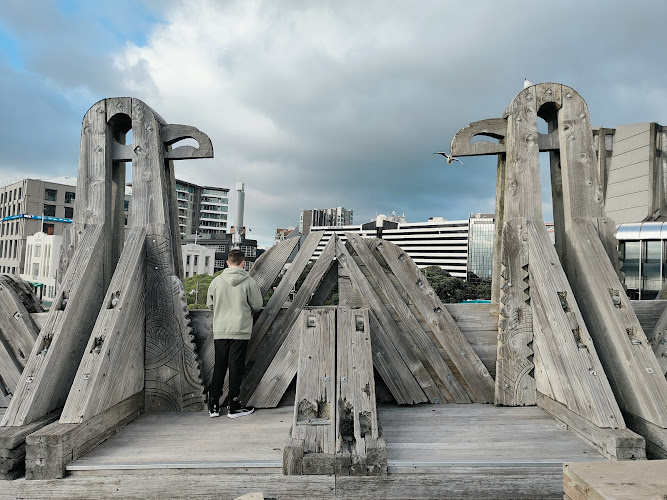
The City to Sea Bridge in Wellington is one of those places that quietly sneaks up on you. You might wander across it on your way from Civic Square to the waterfront, not realizing at first that you’re walking over something more than just a bridge. But then you notice the carvings, the sweeping wooden forms, the way it almost feels alive with stories. That’s when it hits you—this isn’t just a shortcut. It’s a piece of art, history, and culture all rolled into one.
Opened in 1993, the bridge was designed by architect Rewi Thompson and artist Paratene Matchitt, two visionaries who blended Māori symbolism with modern urban design. It’s a pedestrian bridge, sure, but it’s also a sculptural experience. The carved figures represent ancestors and guardians, connecting the city (Te Whanganui-a-Tara) to the sea—both literally and spiritually. The design feels like it’s reaching out, bridging not just land and water, but also time and culture.
If you’re into architecture or public art, this place will absolutely speak to you. And even if you’re not, there’s something magnetic about standing there, looking out over Whairepo Lagoon, with the city humming behind you. It’s where busy Wellington pauses for a breath. You’ll often see families, street performers, or just folks sitting quietly with their coffee, soaking it all in. It’s got that kind of energy—peaceful but alive.
Now, it hasn’t always had an easy run. There’s been plenty of debate about whether to restore or demolish it because of earthquake safety and maintenance issues. But that’s part of its story too. It’s a survivor, and honestly, that makes it even more worth visiting. It’s one of those places that tells you something about Wellington’s character—resilient, creative, and deeply connected to its roots.
Key Features
- Pedestrian bridge connecting Civic Square to the Wellington waterfront
- Designed by Māori architect Rewi Thompson and artist Paratene Matchitt
- Intricate carvings and sculptures reflecting Māori mythology and heritage
- Panoramic views of Whairepo Lagoon and Wellington Harbour
- Public art installation and cultural landmark in the heart of the city
- Wheelchair accessible and suitable for families with children
- Frequented by locals, artists, and photographers for its unique design and atmosphere
I still remember the first time I crossed it—it was a windy Wellington afternoon (as usual), and the sound of the harbour mixed with the chatter of people below. The carvings had this weathered beauty, like they’d been standing guard for centuries. I ended up staying there far longer than planned, just watching the seagulls and the reflections in the water. It’s that kind of place—it slows you down in the best way.
Best Time to Visit
Honestly, the City to Sea Bridge is worth visiting any time of year, but if you want to catch it at its best, go on a clear day when the sunlight hits the carvings just right. The golden hour—right before sunset—is especially magical. The light bounces off the water, and the whole area glows. If you’re into photography, that’s your moment.
Wellington weather can be unpredictable (locals will tell you it’s four seasons in one day), so bring a jacket even if the sun’s out. Morning visits are quieter, with fewer crowds, while afternoons bring more energy—street musicians, kids running around, and locals on their way to the waterfront cafes. And if you’re lucky enough to be there during one of the city’s festivals, the bridge often becomes part of the celebration, lit up or decorated in ways that make it feel brand new again.
How to Get There
Getting to the City to Sea Bridge is easy—it sits right in the heart of Wellington’s central area. You can reach it on foot from most downtown spots, and honestly, walking is the best way to approach it. You’ll find it linking Civic Square to the waterfront, just above Jervois Quay. If you’re coming from the waterfront side, you’ll spot the distinctive wooden structures and carvings guiding you upward.
Public transport in Wellington is reliable, so if you’re staying a bit farther out, hop on a bus heading toward the city center. There’s also plenty of bike access nearby, and the bridge itself is pedestrian and wheelchair friendly. Parking around the area can be tricky during peak hours, so if you’re driving, aim for one of the nearby parking buildings or arrive early to snag a spot.
And here’s a small tip from personal experience—approach it from Civic Square first. That way, the transition from the city’s modern architecture to the open water feels more dramatic. It’s like walking through a story that unfolds with each step.
Tips for Visiting
Before you go, here are a few things I’ve learned from visiting (and revisiting) this spot over the years:
- Take your time. The bridge isn’t long, but there’s a lot to take in. The carvings and shapes each tell their own story, so slow down and look closely.
- Bring a camera. The views over the lagoon and toward the harbour are stunning, especially when the light changes. Even your phone camera will do wonders here.
- Go early or late. Midday can get busy, especially on weekends. Early morning or just before sunset gives you space to enjoy it quietly.
- Check for events. Sometimes the area hosts performances or markets—it’s worth seeing if anything’s happening while you’re in town.
- Mind the wind. Wellington is famously breezy, and the bridge can get gusty. Hold onto your hat (literally).
- Respect the art. The carvings are significant cultural pieces, not just decorations. Treat them with care and respect their meaning.
- Grab a bite nearby. After crossing, head toward the waterfront cafes or grab fish and chips by the lagoon—it’s one of those simple pleasures that just hit right after a walk.
If you’re traveling with kids, they’ll love watching the boats and ducks below, and there’s plenty of open space for them to explore safely. The bridge’s design also makes it accessible for wheelchairs and strollers, so no one has to miss out.
For me, the City to Sea Bridge isn’t just an attraction—it’s a reminder of how art and architecture can shape a city’s identity. It’s not flashy or over-the-top, but it’s deeply meaningful. Every time I visit, I find something new—a carving I hadn’t noticed, a new angle of the skyline, or just a moment of calm in the middle of a busy day. That’s the beauty of it—it keeps giving, quietly, steadily, like the city itself.
So if you’re planning a trip to Wellington, make sure this bridge is on your list. Not because it’s the biggest or the grandest, but because it feels real. It’s a place that connects you—to the city, to its stories, and maybe even to yourself for a moment.
Key Features
- Pedestrian bridge connecting Civic Square to the Wellington waterfront
- Designed by Māori architect Rewi Thompson and artist Paratene Matchitt
- Intricate carvings and sculptures reflecting Māori mythology and heritage
- Panoramic views of Whairepo Lagoon and Wellington Harbour
- Public art installation and cultural landmark in the heart of the city
- Wheelchair accessible and suitable for families with children
- Frequented by locals, artists, and photographers for its unique design and atmosphere
More Details
Updated October 8, 2025
Table of Contents
Description
The City to Sea Bridge in Wellington is one of those places that quietly sneaks up on you. You might wander across it on your way from Civic Square to the waterfront, not realizing at first that you’re walking over something more than just a bridge. But then you notice the carvings, the sweeping wooden forms, the way it almost feels alive with stories. That’s when it hits you—this isn’t just a shortcut. It’s a piece of art, history, and culture all rolled into one.
Opened in 1993, the bridge was designed by architect Rewi Thompson and artist Paratene Matchitt, two visionaries who blended Māori symbolism with modern urban design. It’s a pedestrian bridge, sure, but it’s also a sculptural experience. The carved figures represent ancestors and guardians, connecting the city (Te Whanganui-a-Tara) to the sea—both literally and spiritually. The design feels like it’s reaching out, bridging not just land and water, but also time and culture.
If you’re into architecture or public art, this place will absolutely speak to you. And even if you’re not, there’s something magnetic about standing there, looking out over Whairepo Lagoon, with the city humming behind you. It’s where busy Wellington pauses for a breath. You’ll often see families, street performers, or just folks sitting quietly with their coffee, soaking it all in. It’s got that kind of energy—peaceful but alive.
Now, it hasn’t always had an easy run. There’s been plenty of debate about whether to restore or demolish it because of earthquake safety and maintenance issues. But that’s part of its story too. It’s a survivor, and honestly, that makes it even more worth visiting. It’s one of those places that tells you something about Wellington’s character—resilient, creative, and deeply connected to its roots.
Key Features
- Pedestrian bridge connecting Civic Square to the Wellington waterfront
- Designed by Māori architect Rewi Thompson and artist Paratene Matchitt
- Intricate carvings and sculptures reflecting Māori mythology and heritage
- Panoramic views of Whairepo Lagoon and Wellington Harbour
- Public art installation and cultural landmark in the heart of the city
- Wheelchair accessible and suitable for families with children
- Frequented by locals, artists, and photographers for its unique design and atmosphere
I still remember the first time I crossed it—it was a windy Wellington afternoon (as usual), and the sound of the harbour mixed with the chatter of people below. The carvings had this weathered beauty, like they’d been standing guard for centuries. I ended up staying there far longer than planned, just watching the seagulls and the reflections in the water. It’s that kind of place—it slows you down in the best way.
Best Time to Visit
Honestly, the City to Sea Bridge is worth visiting any time of year, but if you want to catch it at its best, go on a clear day when the sunlight hits the carvings just right. The golden hour—right before sunset—is especially magical. The light bounces off the water, and the whole area glows. If you’re into photography, that’s your moment.
Wellington weather can be unpredictable (locals will tell you it’s four seasons in one day), so bring a jacket even if the sun’s out. Morning visits are quieter, with fewer crowds, while afternoons bring more energy—street musicians, kids running around, and locals on their way to the waterfront cafes. And if you’re lucky enough to be there during one of the city’s festivals, the bridge often becomes part of the celebration, lit up or decorated in ways that make it feel brand new again.
How to Get There
Getting to the City to Sea Bridge is easy—it sits right in the heart of Wellington’s central area. You can reach it on foot from most downtown spots, and honestly, walking is the best way to approach it. You’ll find it linking Civic Square to the waterfront, just above Jervois Quay. If you’re coming from the waterfront side, you’ll spot the distinctive wooden structures and carvings guiding you upward.
Public transport in Wellington is reliable, so if you’re staying a bit farther out, hop on a bus heading toward the city center. There’s also plenty of bike access nearby, and the bridge itself is pedestrian and wheelchair friendly. Parking around the area can be tricky during peak hours, so if you’re driving, aim for one of the nearby parking buildings or arrive early to snag a spot.
And here’s a small tip from personal experience—approach it from Civic Square first. That way, the transition from the city’s modern architecture to the open water feels more dramatic. It’s like walking through a story that unfolds with each step.
Tips for Visiting
Before you go, here are a few things I’ve learned from visiting (and revisiting) this spot over the years:
- Take your time. The bridge isn’t long, but there’s a lot to take in. The carvings and shapes each tell their own story, so slow down and look closely.
- Bring a camera. The views over the lagoon and toward the harbour are stunning, especially when the light changes. Even your phone camera will do wonders here.
- Go early or late. Midday can get busy, especially on weekends. Early morning or just before sunset gives you space to enjoy it quietly.
- Check for events. Sometimes the area hosts performances or markets—it’s worth seeing if anything’s happening while you’re in town.
- Mind the wind. Wellington is famously breezy, and the bridge can get gusty. Hold onto your hat (literally).
- Respect the art. The carvings are significant cultural pieces, not just decorations. Treat them with care and respect their meaning.
- Grab a bite nearby. After crossing, head toward the waterfront cafes or grab fish and chips by the lagoon—it’s one of those simple pleasures that just hit right after a walk.
If you’re traveling with kids, they’ll love watching the boats and ducks below, and there’s plenty of open space for them to explore safely. The bridge’s design also makes it accessible for wheelchairs and strollers, so no one has to miss out.
For me, the City to Sea Bridge isn’t just an attraction—it’s a reminder of how art and architecture can shape a city’s identity. It’s not flashy or over-the-top, but it’s deeply meaningful. Every time I visit, I find something new—a carving I hadn’t noticed, a new angle of the skyline, or just a moment of calm in the middle of a busy day. That’s the beauty of it—it keeps giving, quietly, steadily, like the city itself.
So if you’re planning a trip to Wellington, make sure this bridge is on your list. Not because it’s the biggest or the grandest, but because it feels real. It’s a place that connects you—to the city, to its stories, and maybe even to yourself for a moment.
Key Highlights
- Pedestrian bridge connecting Civic Square to the Wellington waterfront
- Designed by Māori architect Rewi Thompson and artist Paratene Matchitt
- Intricate carvings and sculptures reflecting Māori mythology and heritage
- Panoramic views of Whairepo Lagoon and Wellington Harbour
- Public art installation and cultural landmark in the heart of the city
- Wheelchair accessible and suitable for families with children
- Frequented by locals, artists, and photographers for its unique design and atmosphere
Location
Places to Stay Near City To Sea Bridge
Find and Book a Tour
Explore More Travel Guides
No reviews found! Be the first to review!
Traveler Reviews for City To Sea Bridge
There are no reviews yet. Be the first one to write one.
Have you visited City To Sea Bridge? Help other travelers by sharing your review.
You Might Also Like
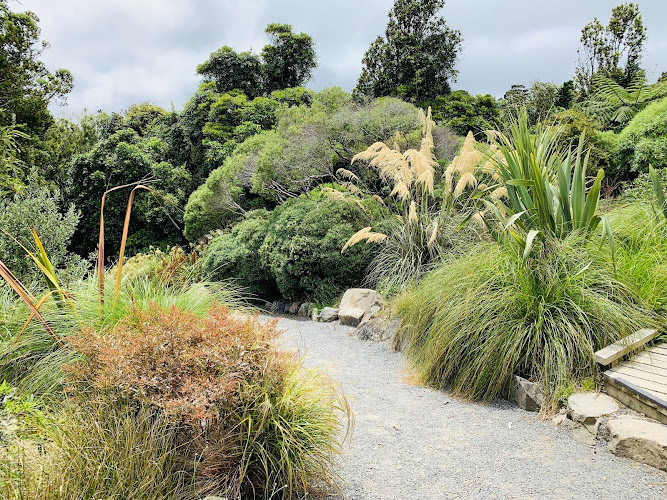
Otari-Wilton's Bush

City Gallery Wellington
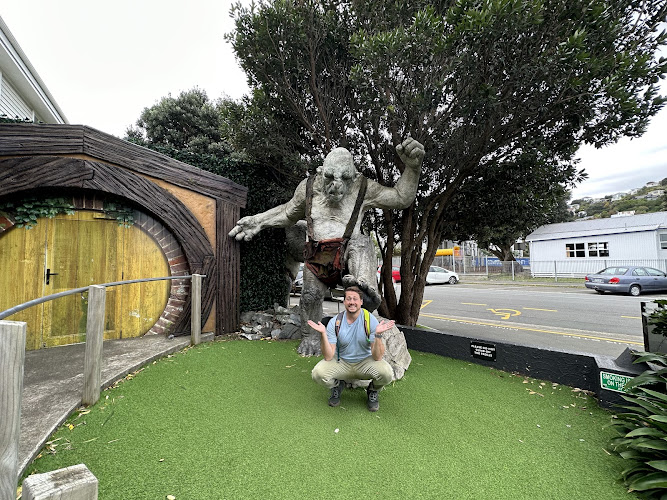
Wētā Cave
Find Accommodations Nearby
Recommended Tours & Activities
Visitor Reviews
There are no reviews yet. Be the first one to write one.
Share Your Experience
Have you visited City To Sea Bridge? Help other travelers by leaving a review.