

MUSA – Museum of Chairs Asuncion
About MUSA – Museum of Chairs Asuncion
Description
There’s something oddly poetic about a museum dedicated entirely to chairs. The MUSA – Museum of Chairs in Asunción isn’t your typical art gallery or history exhibit. It’s a space that makes you pause, tilt your head a little, and think about something you probably use every single day without a second thought. I mean, when was the last time you really looked at a chair? At MUSA, that’s exactly what you’ll do.
This museum is home to around 700 chairs from different eras and styles — from classic 19th-century French designs to sleek modernist pieces that could easily fit into a high-end design magazine. There’s a certain charm in walking through these rooms filled with wood, metal, and fabric, each piece whispering stories of craftsmanship and creativity. I remember the first time I saw a chair there that looked like something out of a Salvador Dalí dream — it made me smile and scratch my head at the same time. That’s the kind of reaction MUSA seems to aim for: curiosity mixed with appreciation.
What makes MUSA stand out is how it blends art, design, and history all in one go. It’s not just about sitting or structure; it’s about evolution — how human imagination shaped something as simple as a chair into a reflection of culture and identity. You’ll find indigenous Paraguayan designs sitting comfortably beside European classics and avant-garde experiments. The contrast is fascinating, and it gives you this sense of how deeply design connects us across time and geography.
And while the museum isn’t massive, it’s packed with detail. The curators clearly love what they do. You can tell by the way each piece is displayed — thoughtfully, with just enough context to spark your curiosity without overwhelming you. It’s the kind of place where design students, history buffs, or even casual travelers can lose track of time.
Now, I’ll admit, not every visitor walks away completely enchanted. Some people expect a more interactive or high-tech experience. But if you’re someone who appreciates craftsmanship, or you just enjoy the quiet beauty of well-designed objects, MUSA will absolutely speak to you. It’s a hidden gem in Asunción’s design scene and a refreshing break from the usual museums of art and history.
Key Features
- Collection of over 700 chairs spanning different centuries and design movements
- Displays featuring both Paraguayan and international designers
- Exhibits showcasing the evolution of furniture design — from functional to artistic
- Wheelchair-accessible facilities, including restrooms
- Family-friendly environment, suitable for children and design enthusiasts alike
- Occasional workshops and talks on design and craftsmanship
- Peaceful, well-lit galleries ideal for slow exploration and photography
Best Time to Visit
Asunción tends to get pretty warm, especially from November to February, so if you’re not a fan of heat, visiting MUSA in the cooler months — say, from May to August — makes for a more comfortable experience. The museum is indoors, of course, but walking around the city and grabbing a coffee nearby is always nicer when the weather’s not sweltering.
Weekdays are usually quieter, which means you can take your time wandering through the exhibits without feeling rushed. But if you’re the type who enjoys a bit of buzz and chatter, weekends bring in more locals and design students, and that energy can be contagious. I personally prefer visiting mid-morning when the light filters softly through the windows — it gives the whole place a calm, almost meditative atmosphere.
How to Get There
Reaching MUSA is fairly straightforward if you’re staying in central Asunción. Taxis and ride-hailing apps are reliable and inexpensive, and the drive from the downtown area usually takes about 15 to 20 minutes depending on traffic. Public buses also run along the main routes nearby, though if you’re new to the city, I’d recommend sticking with a taxi for convenience.
One thing I love about the location is that it’s not in the overly touristy part of town. That means you get a more authentic glimpse of local life on your way there — small cafés, design studios, and everyday Paraguayan rhythm. It’s a great way to see a side of Asunción that most travelers miss. And if you’re up for it, you can pair your museum visit with a stop at one of the nearby art spaces or local bakeries. Trust me, a good cup of coffee after an hour of chair-gazing feels surprisingly rewarding.
Tips for Visiting
Here’s the thing about MUSA — it’s not a place you rush through. Take your time. Each chair has its own story, and the more you slow down, the more details you notice. I once spent nearly ten minutes just admiring the curve of a wooden armrest. Sounds silly, I know, but it’s the kind of detail that makes you appreciate the artistry behind everyday objects.
Bring a camera, but be respectful of the exhibits. Lighting inside can be a bit tricky, so if you’re into photography, you might want to adjust for softer tones. Also, since there’s no on-site restaurant, it’s a good idea to eat beforehand or plan a meal nearby afterward. The staff are friendly and happy to recommend local spots — and honestly, they know the best ones.
If you’re traveling with kids, don’t worry — MUSA is surprisingly engaging for them. The variety of shapes and colors keeps their attention, and it’s a great way to introduce them to design without it feeling like a lecture. Just keep an eye on the little ones, as some of the displays are delicate.
Accessibility-wise, the museum does a good job. It has wheelchair-accessible restrooms and ramps, so visitors of all abilities can enjoy the experience comfortably. And if you’re the kind of traveler who likes to dig deeper, ask about the stories behind specific pieces. The guides have a treasure trove of anecdotes that don’t appear on the labels — like how one chair was rescued from an old theater or how another was crafted by a local artisan using reclaimed wood. Those stories are what make the visit truly memorable.
Lastly, don’t skip the small details. The way the exhibits are arranged, the subtle lighting, the quiet hum of the air conditioning — it all adds up to this oddly peaceful experience. I walked out of MUSA feeling like I’d just had a conversation with history, design, and a bit of human ingenuity all at once. And honestly, that’s what travel should be about — discovering beauty in the unexpected.
So, if you’re in Asunción and looking for something offbeat, thoughtful, and quietly inspiring, give the Museum of Chairs a few hours of your time. You’ll leave seeing chairs — and maybe even design itself — in a whole new light.
Key Features
- Collection of over 700 chairs spanning different centuries and design movements
- Displays featuring both Paraguayan and international designers
- Exhibits showcasing the evolution of furniture design — from functional to artistic
- Wheelchair-accessible facilities, including restrooms
- Family-friendly environment, suitable for children and design enthusiasts alike
- Occasional workshops and talks on design and craftsmanship
- Peaceful, well-lit galleries ideal for slow exploration and photography
More Details
Updated October 8, 2025
Table of Contents
Description
There’s something oddly poetic about a museum dedicated entirely to chairs. The MUSA – Museum of Chairs in Asunción isn’t your typical art gallery or history exhibit. It’s a space that makes you pause, tilt your head a little, and think about something you probably use every single day without a second thought. I mean, when was the last time you really looked at a chair? At MUSA, that’s exactly what you’ll do.
This museum is home to around 700 chairs from different eras and styles — from classic 19th-century French designs to sleek modernist pieces that could easily fit into a high-end design magazine. There’s a certain charm in walking through these rooms filled with wood, metal, and fabric, each piece whispering stories of craftsmanship and creativity. I remember the first time I saw a chair there that looked like something out of a Salvador Dalí dream — it made me smile and scratch my head at the same time. That’s the kind of reaction MUSA seems to aim for: curiosity mixed with appreciation.
What makes MUSA stand out is how it blends art, design, and history all in one go. It’s not just about sitting or structure; it’s about evolution — how human imagination shaped something as simple as a chair into a reflection of culture and identity. You’ll find indigenous Paraguayan designs sitting comfortably beside European classics and avant-garde experiments. The contrast is fascinating, and it gives you this sense of how deeply design connects us across time and geography.
And while the museum isn’t massive, it’s packed with detail. The curators clearly love what they do. You can tell by the way each piece is displayed — thoughtfully, with just enough context to spark your curiosity without overwhelming you. It’s the kind of place where design students, history buffs, or even casual travelers can lose track of time.
Now, I’ll admit, not every visitor walks away completely enchanted. Some people expect a more interactive or high-tech experience. But if you’re someone who appreciates craftsmanship, or you just enjoy the quiet beauty of well-designed objects, MUSA will absolutely speak to you. It’s a hidden gem in Asunción’s design scene and a refreshing break from the usual museums of art and history.
Key Features
- Collection of over 700 chairs spanning different centuries and design movements
- Displays featuring both Paraguayan and international designers
- Exhibits showcasing the evolution of furniture design — from functional to artistic
- Wheelchair-accessible facilities, including restrooms
- Family-friendly environment, suitable for children and design enthusiasts alike
- Occasional workshops and talks on design and craftsmanship
- Peaceful, well-lit galleries ideal for slow exploration and photography
Best Time to Visit
Asunción tends to get pretty warm, especially from November to February, so if you’re not a fan of heat, visiting MUSA in the cooler months — say, from May to August — makes for a more comfortable experience. The museum is indoors, of course, but walking around the city and grabbing a coffee nearby is always nicer when the weather’s not sweltering.
Weekdays are usually quieter, which means you can take your time wandering through the exhibits without feeling rushed. But if you’re the type who enjoys a bit of buzz and chatter, weekends bring in more locals and design students, and that energy can be contagious. I personally prefer visiting mid-morning when the light filters softly through the windows — it gives the whole place a calm, almost meditative atmosphere.
How to Get There
Reaching MUSA is fairly straightforward if you’re staying in central Asunción. Taxis and ride-hailing apps are reliable and inexpensive, and the drive from the downtown area usually takes about 15 to 20 minutes depending on traffic. Public buses also run along the main routes nearby, though if you’re new to the city, I’d recommend sticking with a taxi for convenience.
One thing I love about the location is that it’s not in the overly touristy part of town. That means you get a more authentic glimpse of local life on your way there — small cafés, design studios, and everyday Paraguayan rhythm. It’s a great way to see a side of Asunción that most travelers miss. And if you’re up for it, you can pair your museum visit with a stop at one of the nearby art spaces or local bakeries. Trust me, a good cup of coffee after an hour of chair-gazing feels surprisingly rewarding.
Tips for Visiting
Here’s the thing about MUSA — it’s not a place you rush through. Take your time. Each chair has its own story, and the more you slow down, the more details you notice. I once spent nearly ten minutes just admiring the curve of a wooden armrest. Sounds silly, I know, but it’s the kind of detail that makes you appreciate the artistry behind everyday objects.
Bring a camera, but be respectful of the exhibits. Lighting inside can be a bit tricky, so if you’re into photography, you might want to adjust for softer tones. Also, since there’s no on-site restaurant, it’s a good idea to eat beforehand or plan a meal nearby afterward. The staff are friendly and happy to recommend local spots — and honestly, they know the best ones.
If you’re traveling with kids, don’t worry — MUSA is surprisingly engaging for them. The variety of shapes and colors keeps their attention, and it’s a great way to introduce them to design without it feeling like a lecture. Just keep an eye on the little ones, as some of the displays are delicate.
Accessibility-wise, the museum does a good job. It has wheelchair-accessible restrooms and ramps, so visitors of all abilities can enjoy the experience comfortably. And if you’re the kind of traveler who likes to dig deeper, ask about the stories behind specific pieces. The guides have a treasure trove of anecdotes that don’t appear on the labels — like how one chair was rescued from an old theater or how another was crafted by a local artisan using reclaimed wood. Those stories are what make the visit truly memorable.
Lastly, don’t skip the small details. The way the exhibits are arranged, the subtle lighting, the quiet hum of the air conditioning — it all adds up to this oddly peaceful experience. I walked out of MUSA feeling like I’d just had a conversation with history, design, and a bit of human ingenuity all at once. And honestly, that’s what travel should be about — discovering beauty in the unexpected.
So, if you’re in Asunción and looking for something offbeat, thoughtful, and quietly inspiring, give the Museum of Chairs a few hours of your time. You’ll leave seeing chairs — and maybe even design itself — in a whole new light.
Key Highlights
- Collection of over 700 chairs spanning different centuries and design movements
- Displays featuring both Paraguayan and international designers
- Exhibits showcasing the evolution of furniture design — from functional to artistic
- Wheelchair-accessible facilities, including restrooms
- Family-friendly environment, suitable for children and design enthusiasts alike
- Occasional workshops and talks on design and craftsmanship
- Peaceful, well-lit galleries ideal for slow exploration and photography
Location
Places to Stay Near MUSA - Museum of Chairs Asuncion
Find and Book a Tour
Explore More Travel Guides
No reviews found! Be the first to review!
Traveler Reviews for MUSA – Museum of Chairs Asuncion
There are no reviews yet. Be the first one to write one.
Have you visited MUSA – Museum of Chairs Asuncion? Help other travelers by sharing your review.
You Might Also Like
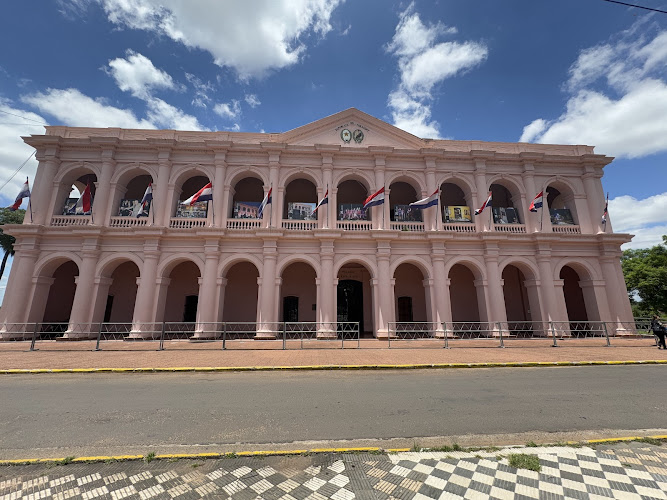
Cultural Center of the Republic

Museo Artigas Karai Guasú, Asunción
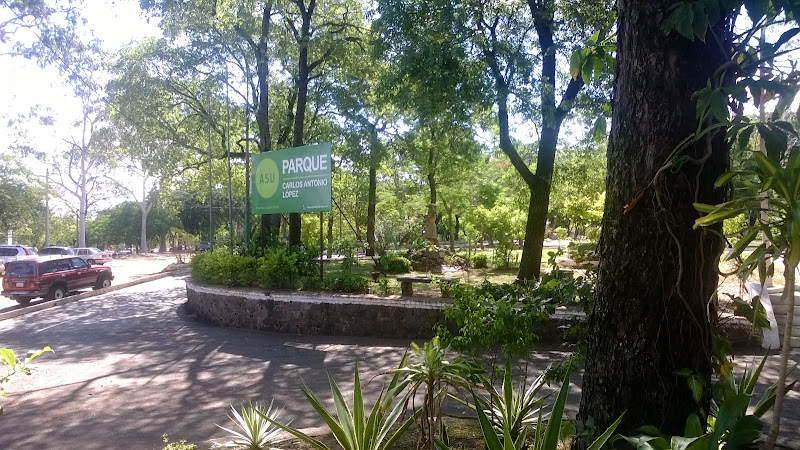
Carlos Antonio Lopez Park
Find Accommodations Nearby
Recommended Tours & Activities
Visitor Reviews
There are no reviews yet. Be the first one to write one.
Share Your Experience
Have you visited MUSA – Museum of Chairs Asuncion? Help other travelers by leaving a review.