

Vilniaus universiteto botanikos sodas
About Vilniaus universiteto botanikos sodas
Description
Vilnius University Botanical Garden, known locally as Vilniaus universiteto botanikos sodas, is one of those rare places where time slows down just enough for you to notice the scent of blooming lilacs or the hum of bees drifting between flowers. Established back in 1781 by Professor Jean-Emmanuel Gilibert, this garden has carried the spirit of exploration and learning for centuries. It’s not just a garden—it’s a living, breathing classroom, a sanctuary for nature lovers, and a quiet escape from the city buzz. I’ve been there a few times myself, and each visit felt different—sometimes peaceful, sometimes lively with events and music, but always grounding.
Spread across nearly 200 hectares, the garden is actually divided into two main areas—Kairėnai and Vingis. The Kairėnai section is the largest and most visited, with sprawling lawns, lakes, and themed gardens that showcase over 10,000 plant species from around the world. You’ll find everything from delicate orchids to towering pines, all carefully curated and labeled, making it a paradise for both casual strollers and serious botanists. The Vingis section, smaller but no less charming, holds historical significance and a more intimate atmosphere.
What makes this botanical garden stand out isn’t just its size or diversity—it’s the way it connects culture, science, and leisure. Each year, nearly a hundred events fill its calendar: concerts, flower festivals, photography exhibitions, and educational workshops that draw families, students, and travelers alike. You might stumble upon a jazz performance under the trees or a wedding photoshoot near the rose garden. And honestly, that’s part of the magic—there’s always something happening, yet it never loses that calm, restorative energy that only nature can offer.
The garden is well-kept and thoughtfully designed, with accessible paths and facilities that make it easy for everyone to enjoy, including those using wheelchairs or strollers. You’ll find picnic spots, barbecue areas, cycling lanes, and even a playground for the little ones. It’s one of those places where you can spend an entire day and still feel like you haven’t seen it all. Sure, some visitors mention that certain areas could use a bit more care or clearer signage, but overall, the atmosphere and biodiversity more than make up for it.
Key Features
- Sprawling 200-hectare landscape across two main locations: Kairėnai and Vingis
- Over 10,000 plant species from various climates and continents
- Wheelchair-accessible entrances, restrooms, and parking
- Designated picnic areas with barbecue grills and tables
- Kid-friendly facilities including playgrounds and gentle hiking trails
- Free parking and convenient payment options (credit, debit, and NFC)
- Regular cultural, educational, and seasonal events—nearly 100 annually
- Beautiful lakes, themed gardens, and scenic walking and cycling paths
Best Time to Visit
If you want to see the garden in full bloom, late spring to early summer (May through June) is the sweet spot. That’s when the lilacs, tulips, and peonies explode in color, and the air feels like perfume. I once visited in mid-June, and the rose garden alone was worth the trip—it was like walking through a painting. But autumn has its own charm too. The trees turn golden, the air gets crisp, and the crowds thin out, making it perfect for long, reflective walks.
Winter, on the other hand, is quieter. The garden doesn’t go dormant entirely—some greenhouses stay open, and there’s a peaceful, almost meditative stillness to the place. If you’re into photography or just want to experience Lithuania’s winter landscapes without the chaos of the city, it’s a good time to come. Summer weekends can get busy, especially during events, so if you prefer a more tranquil experience, aim for weekday mornings.
How to Get There
Reaching the botanical garden is pretty straightforward. From central Vilnius, it’s about a 20-minute drive, depending on traffic. If you don’t have a car, public buses run regularly from the city center to the Kairėnai area. I usually take the bus—it’s affordable, easy, and you get a little glimpse of Vilnius neighborhoods along the way. Cycling is another great option if you’re up for it. The garden has cycling lanes and parking spots for bikes, so it’s quite friendly for two-wheel travelers.
For those who prefer a more guided experience, some local tour companies include the botanical garden in their city tours, often combining it with nearby attractions like Belmontas or Pavilniai Regional Park. And honestly, that’s not a bad idea if you’re short on time but still want to see the natural side of Vilnius.
Tips for Visiting
Here’s a little advice from someone who’s made a few mistakes along the way. First—wear comfortable shoes. The garden is huge, and you’ll probably end up walking more than you planned. Bring a bottle of water, especially in summer, because the sun can be surprisingly strong. If you’re into photography, come early in the morning or late in the afternoon when the light is soft and golden—it makes everything look cinematic.
Families will love the picnic and playground areas, but if you’re planning a picnic, check the event schedule beforehand. On busy weekends, some spots get reserved for gatherings or concerts. And yes, bring cash just in case, even though they do accept cards and mobile payments—sometimes the smaller kiosks or food stalls prefer cash.
If you’re a plant enthusiast, don’t miss the greenhouse collections. They feature tropical and subtropical species that you won’t find outdoors in Lithuania. The staff are usually friendly and happy to answer questions—once, a gardener even let me peek behind the scenes at their propagation area, which was fascinating.
Another tip: plan to spend at least half a day here. There’s just too much to rush through. You might start with a slow walk around the main paths, stop for a coffee or snack at the café, then wander toward the lake or the arboretum. If you’re lucky, you might catch a live performance or a flower exhibition—those events really bring the garden to life.
And lastly, don’t underestimate the power of quiet moments. Find a bench, sit down, and just listen. The rustle of leaves, the distant laughter of kids, the occasional bird call—it’s the kind of peace that stays with you long after you leave. The Vilnius University Botanical Garden isn’t just another tourist stop; it’s a reminder that nature, learning, and beauty can coexist in perfect harmony. Whether you’re a traveler, a student, or just someone needing a break from the noise, this garden welcomes you with open arms.
Key Features
- Sprawling 200-hectare landscape across two main locations: Kairėnai and Vingis
- Over 10,000 plant species from various climates and continents
- Wheelchair-accessible entrances, restrooms, and parking
- Designated picnic areas with barbecue grills and tables
- Kid-friendly facilities including playgrounds and gentle hiking trails
- Free parking and convenient payment options (credit, debit, and NFC)
- Regular cultural, educational, and seasonal events—nearly 100 annually
- Beautiful lakes, themed gardens, and scenic walking and cycling paths
More Details
Updated October 8, 2025
Table of Contents
- Description
- Key Features
- Best Time to Visit
- How to Get There
- Tips for Visiting
- Key Highlights
- Location
- Places to Stay Near Vilniaus universiteto botanikos sodas
- Find and Book a Tour
- Explore More Travel Guides
- Nearby Places You Might Like
- Traveler Reviews for Vilniaus universiteto botanikos sodas
- Share Your Experience
Description
Vilnius University Botanical Garden, known locally as Vilniaus universiteto botanikos sodas, is one of those rare places where time slows down just enough for you to notice the scent of blooming lilacs or the hum of bees drifting between flowers. Established back in 1781 by Professor Jean-Emmanuel Gilibert, this garden has carried the spirit of exploration and learning for centuries. It’s not just a garden—it’s a living, breathing classroom, a sanctuary for nature lovers, and a quiet escape from the city buzz. I’ve been there a few times myself, and each visit felt different—sometimes peaceful, sometimes lively with events and music, but always grounding.
Spread across nearly 200 hectares, the garden is actually divided into two main areas—Kairėnai and Vingis. The Kairėnai section is the largest and most visited, with sprawling lawns, lakes, and themed gardens that showcase over 10,000 plant species from around the world. You’ll find everything from delicate orchids to towering pines, all carefully curated and labeled, making it a paradise for both casual strollers and serious botanists. The Vingis section, smaller but no less charming, holds historical significance and a more intimate atmosphere.
What makes this botanical garden stand out isn’t just its size or diversity—it’s the way it connects culture, science, and leisure. Each year, nearly a hundred events fill its calendar: concerts, flower festivals, photography exhibitions, and educational workshops that draw families, students, and travelers alike. You might stumble upon a jazz performance under the trees or a wedding photoshoot near the rose garden. And honestly, that’s part of the magic—there’s always something happening, yet it never loses that calm, restorative energy that only nature can offer.
The garden is well-kept and thoughtfully designed, with accessible paths and facilities that make it easy for everyone to enjoy, including those using wheelchairs or strollers. You’ll find picnic spots, barbecue areas, cycling lanes, and even a playground for the little ones. It’s one of those places where you can spend an entire day and still feel like you haven’t seen it all. Sure, some visitors mention that certain areas could use a bit more care or clearer signage, but overall, the atmosphere and biodiversity more than make up for it.
Key Features
- Sprawling 200-hectare landscape across two main locations: Kairėnai and Vingis
- Over 10,000 plant species from various climates and continents
- Wheelchair-accessible entrances, restrooms, and parking
- Designated picnic areas with barbecue grills and tables
- Kid-friendly facilities including playgrounds and gentle hiking trails
- Free parking and convenient payment options (credit, debit, and NFC)
- Regular cultural, educational, and seasonal events—nearly 100 annually
- Beautiful lakes, themed gardens, and scenic walking and cycling paths
Best Time to Visit
If you want to see the garden in full bloom, late spring to early summer (May through June) is the sweet spot. That’s when the lilacs, tulips, and peonies explode in color, and the air feels like perfume. I once visited in mid-June, and the rose garden alone was worth the trip—it was like walking through a painting. But autumn has its own charm too. The trees turn golden, the air gets crisp, and the crowds thin out, making it perfect for long, reflective walks.
Winter, on the other hand, is quieter. The garden doesn’t go dormant entirely—some greenhouses stay open, and there’s a peaceful, almost meditative stillness to the place. If you’re into photography or just want to experience Lithuania’s winter landscapes without the chaos of the city, it’s a good time to come. Summer weekends can get busy, especially during events, so if you prefer a more tranquil experience, aim for weekday mornings.
How to Get There
Reaching the botanical garden is pretty straightforward. From central Vilnius, it’s about a 20-minute drive, depending on traffic. If you don’t have a car, public buses run regularly from the city center to the Kairėnai area. I usually take the bus—it’s affordable, easy, and you get a little glimpse of Vilnius neighborhoods along the way. Cycling is another great option if you’re up for it. The garden has cycling lanes and parking spots for bikes, so it’s quite friendly for two-wheel travelers.
For those who prefer a more guided experience, some local tour companies include the botanical garden in their city tours, often combining it with nearby attractions like Belmontas or Pavilniai Regional Park. And honestly, that’s not a bad idea if you’re short on time but still want to see the natural side of Vilnius.
Tips for Visiting
Here’s a little advice from someone who’s made a few mistakes along the way. First—wear comfortable shoes. The garden is huge, and you’ll probably end up walking more than you planned. Bring a bottle of water, especially in summer, because the sun can be surprisingly strong. If you’re into photography, come early in the morning or late in the afternoon when the light is soft and golden—it makes everything look cinematic.
Families will love the picnic and playground areas, but if you’re planning a picnic, check the event schedule beforehand. On busy weekends, some spots get reserved for gatherings or concerts. And yes, bring cash just in case, even though they do accept cards and mobile payments—sometimes the smaller kiosks or food stalls prefer cash.
If you’re a plant enthusiast, don’t miss the greenhouse collections. They feature tropical and subtropical species that you won’t find outdoors in Lithuania. The staff are usually friendly and happy to answer questions—once, a gardener even let me peek behind the scenes at their propagation area, which was fascinating.
Another tip: plan to spend at least half a day here. There’s just too much to rush through. You might start with a slow walk around the main paths, stop for a coffee or snack at the café, then wander toward the lake or the arboretum. If you’re lucky, you might catch a live performance or a flower exhibition—those events really bring the garden to life.
And lastly, don’t underestimate the power of quiet moments. Find a bench, sit down, and just listen. The rustle of leaves, the distant laughter of kids, the occasional bird call—it’s the kind of peace that stays with you long after you leave. The Vilnius University Botanical Garden isn’t just another tourist stop; it’s a reminder that nature, learning, and beauty can coexist in perfect harmony. Whether you’re a traveler, a student, or just someone needing a break from the noise, this garden welcomes you with open arms.
Key Highlights
- Sprawling 200-hectare landscape across two main locations: Kairėnai and Vingis
- Over 10,000 plant species from various climates and continents
- Wheelchair-accessible entrances, restrooms, and parking
- Designated picnic areas with barbecue grills and tables
- Kid-friendly facilities including playgrounds and gentle hiking trails
- Free parking and convenient payment options (credit, debit, and NFC)
- Regular cultural, educational, and seasonal events—nearly 100 annually
- Beautiful lakes, themed gardens, and scenic walking and cycling paths
Location
Places to Stay Near Vilniaus universiteto botanikos sodas
Find and Book a Tour
Explore More Travel Guides
No reviews found! Be the first to review!
Traveler Reviews for Vilniaus universiteto botanikos sodas
There are no reviews yet. Be the first one to write one.
Have you visited Vilniaus universiteto botanikos sodas? Help other travelers by sharing your review.
You Might Also Like
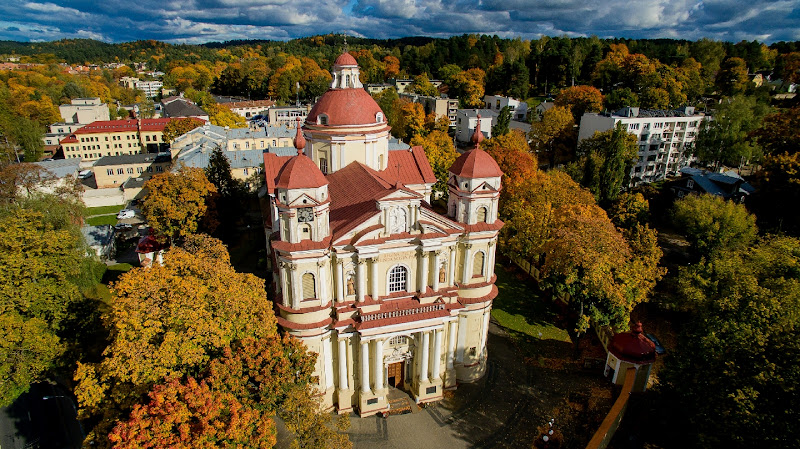
Church of Sts. Peter and Paul
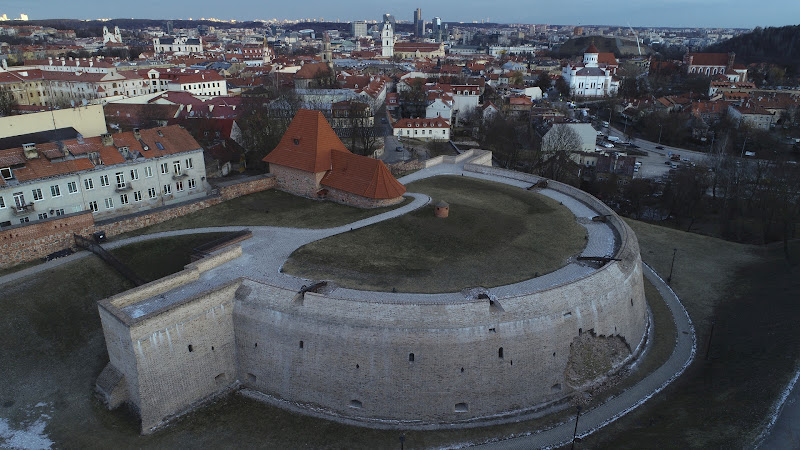
Bastion of the Vilnius Defensive Wall
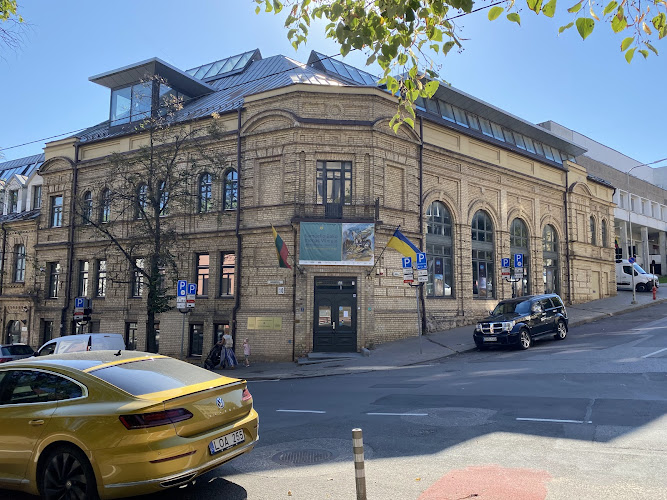
Samuel Bak Museum, Vilna Gaon Museum of Jewish History
Find Accommodations Nearby
Recommended Tours & Activities
Visitor Reviews
There are no reviews yet. Be the first one to write one.
Share Your Experience
Have you visited Vilniaus universiteto botanikos sodas? Help other travelers by leaving a review.