
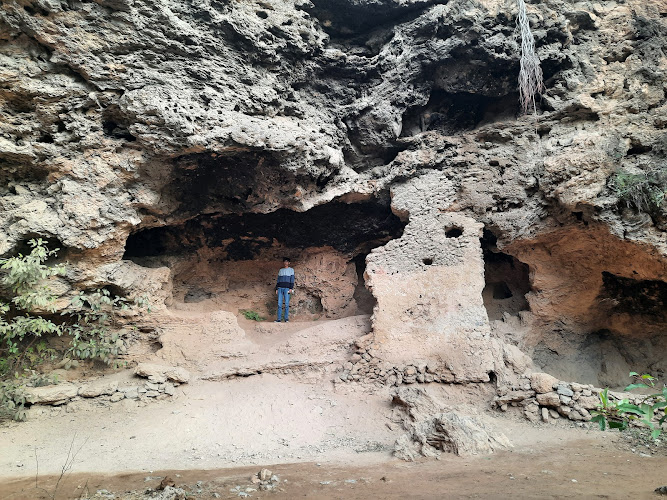
Shah Allah Ditta Caves
About Shah Allah Ditta Caves
Description
The Shah Allah Ditta Caves are one of those places that quietly pull you in. Tucked along the edge of the Margalla Hills near Islamabad, this ancient site carries whispers of civilizations long gone. Archaeologists believe these caves date back over 2,400 years, once serving as a meditation retreat for Buddhist monks during the Gandhara period. Later, Hindu sadhus and Muslim mystics found solace here too. You can almost feel the layers of history pressing against the rock walls — a mix of serenity, mystery, and timelessness that’s hard to describe unless you’ve stood there yourself.
There’s something oddly grounding about Shah Allah Ditta. The air feels different — cooler, quieter. You’ll spot faded murals of Buddha, carved alcoves, and even remnants of ancient water channels trickling through the stones. Locals often talk about how the place has a spiritual calm to it, and honestly, they’re not wrong. It’s not a polished tourist attraction with fancy boards or guides; it’s raw, authentic, and beautifully imperfect. That’s exactly what makes it special.
Of course, not everything is perfect. Some parts of the caves show signs of neglect, and a few visitors have mentioned litter or graffiti. But if you can look past those flaws, you’ll discover a site that feels alive with stories — a living museum of faith and time. And when the sunlight hits the cave walls just right, it’s like watching history breathe.
Key Features
- Ancient Buddhist Heritage: The caves date back around 2,400 years and were once part of the Gandhara civilization, a major hub of Buddhist culture.
- Spiritual Layers: Over centuries, the site has been used by Buddhist monks, Hindu ascetics, and later Sufi saints, giving it a rare multi-faith historical depth.
- Murals and Carvings: Faint but fascinating Buddhist murals and rock carvings still decorate the cave interiors, offering glimpses into ancient artistry.
- Natural Beauty: Surrounded by the lush greenery of the Margalla Hills, the area offers peaceful walking paths and scenic views.
- Local Village Charm: The nearby Shah Allah Ditta village retains a rustic, old-world vibe with mud houses, tea stalls, and friendly locals who love to share stories.
- Historic Mosque: Adjacent to the caves stands a centuries-old mosque built during the Mughal era, adding another layer to the site’s cultural blend.
- Accessibility: The area isn’t wheelchair accessible and requires a bit of walking on uneven ground, but that’s part of the adventure.
- Good for Families: It’s a calm, educational outing for kids who are curious about history and nature.
- Cash-Only Area: Shops and food stalls nearby typically accept cash only, so plan ahead.
Best Time to Visit
If you ask me, the best time to visit Shah Allah Ditta Caves is during spring (March to May) or autumn (October to November). The weather is mild, the hills are green, and you can actually enjoy exploring without feeling like you’re melting under the sun. Summers here can get pretty intense, and the caves, while shaded, don’t offer much relief once the heat sets in.
Mornings are magical — the light filters through the trees, birds are chirping, and there’s this calm that makes you want to just sit on a rock and breathe it all in. Evenings are beautiful too, especially if you stick around to catch the sunset over the Margalla Hills. It’s one of those moments that makes you forget your phone exists. Winters can be chilly, but if you’re up for it, the crisp air adds to the atmosphere.
How to Get There
Getting to Shah Allah Ditta Caves is fairly straightforward if you’re coming from Islamabad. The site lies on the western edge of the city, about a 25- to 30-minute drive from the main sectors. You can drive your own car, take a local taxi, or use a ride-hailing app — just make sure your driver knows the area, as the last stretch involves a narrow, winding road leading up to the caves.
If you’re the adventurous type, you can also hike from the Margalla Hills trails that connect to the village. It’s not an easy climb, but it’s totally worth it if you enjoy walking through nature and discovering hidden viewpoints along the way. Parking is available near the site, though it’s informal — more like a dusty patch of ground than a proper lot.
Public transport doesn’t go directly to the caves, so plan accordingly. And yes, bring some cash for tea or snacks from the local vendors — they usually serve fresh parathas and chai that taste heavenly after a bit of walking.
Tips for Visiting
Here’s the thing — Shah Allah Ditta Caves aren’t your typical “tourist attraction” with signs and guides. It’s more like stepping into a forgotten chapter of history, so a little preparation goes a long way. Below are some tips I’ve learned from my own visits and from chatting with a few locals who practically grew up in the area.
- Go early: The site gets busier later in the day, especially on weekends. Early mornings are peaceful and perfect for photos.
- Wear comfortable shoes: The ground is uneven and rocky in places, so sneakers or hiking shoes are a must.
- Bring water: There aren’t many shops right by the caves, and you’ll definitely want to stay hydrated.
- Respect the site: Remember, this is a sacred place for many. Avoid touching the murals or leaving trash behind.
- Talk to the locals: Seriously, they’re full of stories — some historical, some mythical. It adds a whole new layer to your visit.
- Photography: You can take photos freely, but if you’re doing professional shoots, it’s best to ask permission first.
- Cash only: The small tea stalls and vendors don’t take cards, so bring some cash for snacks or souvenirs.
- Stay safe: The caves are generally safe, but it’s best not to wander too far alone, especially after dark.
One personal tip — don’t rush it. Sit down for a while, maybe near the old banyan tree that shades the entrance. Listen to the wind rustling through the leaves, the distant hum of prayer from the mosque, and the occasional laughter of kids playing nearby. It’s in those quiet, ordinary moments that Shah Allah Ditta really reveals its charm.
And yes, it might not be as polished as some other tourist spots, but that’s exactly why it feels real. It’s a place where history hasn’t been scrubbed clean — it’s still rough around the edges, still whispering stories if you’re willing to listen. So take your time, bring your curiosity, and let the caves show you what centuries of faith, art, and nature can create together.
Key Features
- Key Features
- Best Time to Visit
- How to Get There
- Tips for Visiting
More Details
Updated October 9, 2025
Table of Contents
Description
The Shah Allah Ditta Caves are one of those places that quietly pull you in. Tucked along the edge of the Margalla Hills near Islamabad, this ancient site carries whispers of civilizations long gone. Archaeologists believe these caves date back over 2,400 years, once serving as a meditation retreat for Buddhist monks during the Gandhara period. Later, Hindu sadhus and Muslim mystics found solace here too. You can almost feel the layers of history pressing against the rock walls — a mix of serenity, mystery, and timelessness that’s hard to describe unless you’ve stood there yourself.
There’s something oddly grounding about Shah Allah Ditta. The air feels different — cooler, quieter. You’ll spot faded murals of Buddha, carved alcoves, and even remnants of ancient water channels trickling through the stones. Locals often talk about how the place has a spiritual calm to it, and honestly, they’re not wrong. It’s not a polished tourist attraction with fancy boards or guides; it’s raw, authentic, and beautifully imperfect. That’s exactly what makes it special.
Of course, not everything is perfect. Some parts of the caves show signs of neglect, and a few visitors have mentioned litter or graffiti. But if you can look past those flaws, you’ll discover a site that feels alive with stories — a living museum of faith and time. And when the sunlight hits the cave walls just right, it’s like watching history breathe.
Key Features
- Ancient Buddhist Heritage: The caves date back around 2,400 years and were once part of the Gandhara civilization, a major hub of Buddhist culture.
- Spiritual Layers: Over centuries, the site has been used by Buddhist monks, Hindu ascetics, and later Sufi saints, giving it a rare multi-faith historical depth.
- Murals and Carvings: Faint but fascinating Buddhist murals and rock carvings still decorate the cave interiors, offering glimpses into ancient artistry.
- Natural Beauty: Surrounded by the lush greenery of the Margalla Hills, the area offers peaceful walking paths and scenic views.
- Local Village Charm: The nearby Shah Allah Ditta village retains a rustic, old-world vibe with mud houses, tea stalls, and friendly locals who love to share stories.
- Historic Mosque: Adjacent to the caves stands a centuries-old mosque built during the Mughal era, adding another layer to the site’s cultural blend.
- Accessibility: The area isn’t wheelchair accessible and requires a bit of walking on uneven ground, but that’s part of the adventure.
- Good for Families: It’s a calm, educational outing for kids who are curious about history and nature.
- Cash-Only Area: Shops and food stalls nearby typically accept cash only, so plan ahead.
Best Time to Visit
If you ask me, the best time to visit Shah Allah Ditta Caves is during spring (March to May) or autumn (October to November). The weather is mild, the hills are green, and you can actually enjoy exploring without feeling like you’re melting under the sun. Summers here can get pretty intense, and the caves, while shaded, don’t offer much relief once the heat sets in.
Mornings are magical — the light filters through the trees, birds are chirping, and there’s this calm that makes you want to just sit on a rock and breathe it all in. Evenings are beautiful too, especially if you stick around to catch the sunset over the Margalla Hills. It’s one of those moments that makes you forget your phone exists. Winters can be chilly, but if you’re up for it, the crisp air adds to the atmosphere.
How to Get There
Getting to Shah Allah Ditta Caves is fairly straightforward if you’re coming from Islamabad. The site lies on the western edge of the city, about a 25- to 30-minute drive from the main sectors. You can drive your own car, take a local taxi, or use a ride-hailing app — just make sure your driver knows the area, as the last stretch involves a narrow, winding road leading up to the caves.
If you’re the adventurous type, you can also hike from the Margalla Hills trails that connect to the village. It’s not an easy climb, but it’s totally worth it if you enjoy walking through nature and discovering hidden viewpoints along the way. Parking is available near the site, though it’s informal — more like a dusty patch of ground than a proper lot.
Public transport doesn’t go directly to the caves, so plan accordingly. And yes, bring some cash for tea or snacks from the local vendors — they usually serve fresh parathas and chai that taste heavenly after a bit of walking.
Tips for Visiting
Here’s the thing — Shah Allah Ditta Caves aren’t your typical “tourist attraction” with signs and guides. It’s more like stepping into a forgotten chapter of history, so a little preparation goes a long way. Below are some tips I’ve learned from my own visits and from chatting with a few locals who practically grew up in the area.
- Go early: The site gets busier later in the day, especially on weekends. Early mornings are peaceful and perfect for photos.
- Wear comfortable shoes: The ground is uneven and rocky in places, so sneakers or hiking shoes are a must.
- Bring water: There aren’t many shops right by the caves, and you’ll definitely want to stay hydrated.
- Respect the site: Remember, this is a sacred place for many. Avoid touching the murals or leaving trash behind.
- Talk to the locals: Seriously, they’re full of stories — some historical, some mythical. It adds a whole new layer to your visit.
- Photography: You can take photos freely, but if you’re doing professional shoots, it’s best to ask permission first.
- Cash only: The small tea stalls and vendors don’t take cards, so bring some cash for snacks or souvenirs.
- Stay safe: The caves are generally safe, but it’s best not to wander too far alone, especially after dark.
One personal tip — don’t rush it. Sit down for a while, maybe near the old banyan tree that shades the entrance. Listen to the wind rustling through the leaves, the distant hum of prayer from the mosque, and the occasional laughter of kids playing nearby. It’s in those quiet, ordinary moments that Shah Allah Ditta really reveals its charm.
And yes, it might not be as polished as some other tourist spots, but that’s exactly why it feels real. It’s a place where history hasn’t been scrubbed clean — it’s still rough around the edges, still whispering stories if you’re willing to listen. So take your time, bring your curiosity, and let the caves show you what centuries of faith, art, and nature can create together.
Key Highlights
- Key Features
- Best Time to Visit
- How to Get There
- Tips for Visiting
Location
Places to Stay Near Shah Allah Ditta Caves
Find and Book a Tour
Explore More Travel Guides
No reviews found! Be the first to review!
Traveler Reviews for Shah Allah Ditta Caves
There are no reviews yet. Be the first one to write one.
Have you visited Shah Allah Ditta Caves? Help other travelers by sharing your review.
You Might Also Like
Loh-e-Dandi Chillahgah
Baradari

IHS Children & Family Hospital
Find Accommodations Nearby
Recommended Tours & Activities
Visitor Reviews
There are no reviews yet. Be the first one to write one.
Share Your Experience
Have you visited Shah Allah Ditta Caves? Help other travelers by leaving a review.