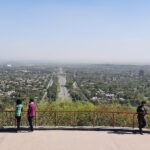
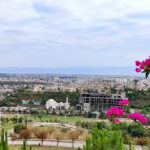
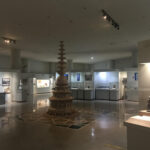
Islamabad is a capital designed on a drawing board, and it feels like it. Laid out from the 1960s as a grid of lettered and numbered sectors, it sits on a plateau directly beneath the Margalla Hills, where pine-covered ridges rise at the end of nearly every long avenue. Wide roads, tree-lined parks and low-rise neighborhoods give it a calmer rhythm than Karachi or Lahore, and many first-time visitors to Pakistan are surprised by how orderly and green it is.The city rewards a slower look than it usually gets. Within a half-hour of the center you can stand inside a modern mosque shaped like a desert tent, hike a forest trail among macaques, eat dinner in a restored Mughal-era village, and then ride the Metrobus into Rawalpindi’s crowded old bazaars. It is also the practical gateway to Taxila’s Gandhara ruins, the hill station of Murree and the long road north toward the mountains.Where to Base Yourself & Key AreasIslamabad is organized by sectors rather than traditional neighborhoods, so the useful question is which sector fits your plans. Most visitors choose the F-6/F-7 area for central access, while hikers and quiet-seekers look toward the foothills. Rawalpindi, the twin city, works for budget stays and local atmosphere.Area / CorridorBest Suited ForCharacter & AccessTrade-Off to KnowBlue Area & F-6/F-7First-time visitors, business travelers, food accessCentral grid around Jinnah Avenue, with Kohsar Market and Jinnah Super nearby; short taxi or ride-hail hops to most sightsTraffic-heavy and commercial; little sense of the hills until you leaveE-7 & Margalla foothillsHikers, early risers, quieter staysLeafy streets close to the Trail 3 and Trail 5 approaches and the road up to Daman-e-KohFewer big hotels, and monkeys near trailheadsDiplomatic Enclave (E-5/E-6 area)Visa appointments and embassy businessGated, orderly and green, with security checkpointsLimited dining and nightlife; access controls can slow casual wanderingG-9 & G-11 markaz areasBudget travelers, local eatingBusy neighborhood markets with nihari and bakery counters, reached by ride-hailingLess polished lodging, and a longer ride to the hillsSaidpur VillageEvening dinners, craft shopping, atmosphereRestored Mughal-era village at the foot of the Margallas, best as a visit rather than a baseToo small to stay in for long; best paired with Daman-e-KohRawalpindi (Saddar & Raja Bazaar)Old-city bazaars, budget lodging, airport proximityThe twin city, linked by the Metrobus and a short ride awayCrowded and chaotic; a different pace from the planned capitalStandout Sights & How to Pace Your VisitFaisal Mosque is the city’s defining landmark. Designed by Turkish architect Vedat Dalokay and completed in 1986 with Saudi funding, it abandons the traditional dome for a tent-like prayer hall flanked by four tall minarets, with the Margalla Hills as its backdrop. It is generally open to visitors of all faiths outside prayer times; dress modestly and expect to remove your shoes.From there, a winding road climbs to Daman-e-Koh, the classic viewpoint over the grid, Rawal Lake and the mosque, busiest around sunset. Walkers can continue onto the marked trails in Margalla Hills National Park, with Trail 3 and Trail 5 the usual choices. Go early, carry water, and keep food out of sight, since monkeys are bold. Saidpur Village, founded in the 16th century and later restored, sits at the base of the hills and pairs well with a late-afternoon visit.A realistic rhythm depends on how many days you have:One day: Faisal Mosque, Pakistan Monument and the Lok Virsa heritage museum, then sunset at Daman-e-Koh.Two days: Add an early Margalla trail, a slow lunch, and dinner in Saidpur Village; the western-side sights cluster well with one driver.Three days: Spend a morning in Rawalpindi’s Raja Bazaar and Saddar, or take a half-day to Taxila’s Buddhist and Gandhara sites.Keep afternoons loose in summer, when midday heat makes museums and cafes better choices than trails.Local Food Culture & Dining SceneIslamabad eats Punjabi and Pashtun food with a cosmopolitan polish. Expect charcoal-grilled kebabs, karahi cooked in a wok and served with fresh naan, biryani, and nihari or paya for a hearty breakfast, especially in markets such as G-9. Tea is a daily ritual, from sweet doodh-patti at roadside stalls to afternoon chai in sector parks.For dining corridors, Kohsar Market in F-6 and Jinnah Super in F-7 offer the widest mix, from street-style grills to bakeries and modern cafes. Saidpur Village leans toward atmospheric dinners in restored courtyards, and hillside restaurants above the city trade on views as much as the menu. Alcohol is not widely available, so plan around tea, fresh juices and lassi.Getting There, Seasonal Timing & Practical TipsMost international travelers arrive at Islamabad International Airport, which sits southwest of the city and connects by road to both Islamabad and Rawalpindi; allow extra time for traffic. The Grand Trunk corridor and the motorway link the capital with Lahore, Peshawar and the north, and rail service runs through Rawalpindi. Inside the city, ride-hailing apps such as Careem and Uber are the easiest option, while the Metrobus connects Islamabad with Rawalpindi on a single line using a smart card. Distances between sectors are long enough that walking is mainly for parks and trails.Spring (March to May) and autumn (September to November) bring the most comfortable weather for hiking and sightseeing, and winter days are cool and clear, though nights can be cold. Summers are hot, and the monsoon from July to September brings heavy downpours that can muddy trails. Check current visa requirements and government travel advisories before booking, carry ID for security checkpoints, and verify opening times locally, particularly around prayer times and holidays. Murree and Taxila work as day trips, and the northern valleys are best treated as separate multi-day journeys.
 Real Journey Travels