
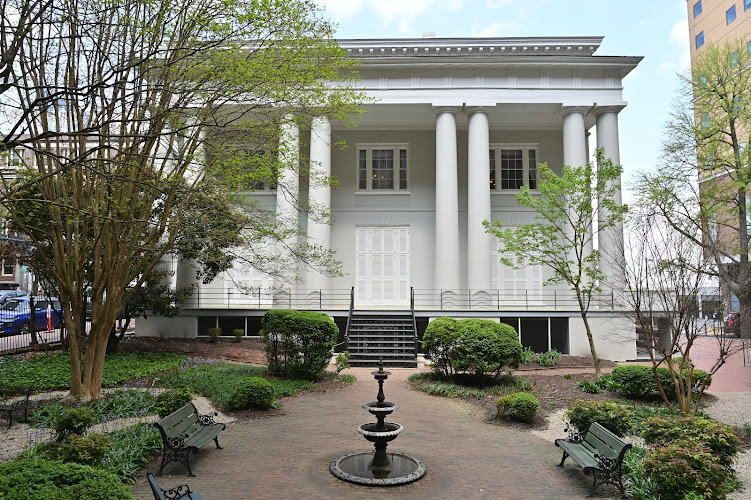
White House of the Confederacy
About White House of the Confederacy
Description
There’s something quietly powerful about walking through a place that once stood at the heart of a nation in turmoil. The White House of the Confederacy in Richmond, Virginia, does exactly that. Built in 1818, this elegant gray mansion once served as the executive residence of Jefferson Davis, the President of the Confederate States of America, from 1861 to 1865. Today, it’s part of the American Civil War Museum and stands as one of the most important Civil War landmarks in the country. The house has been meticulously restored to reflect its wartime appearance, giving visitors a tangible sense of life inside the Confederate capital during one of America’s most defining chapters.
Now, I’ll be honest—visiting this museum can stir up a mix of emotions. It’s not your average sightseeing stop. For some, it’s a chance to explore history up close; for others, it’s a moment of reflection on a painful past. But that’s what makes it so compelling. The rooms are filled with stories—both grand and ordinary—about the people who lived and worked there. You can almost imagine the sound of footsteps echoing through the halls, the faint hum of conversation from another century. I remember standing in what was once Jefferson Davis’s office, thinking how decisions made in that very room shaped the course of history. It’s the kind of place that leaves you thinking long after you’ve left.
The museum doesn’t shy away from the complexities of the Civil War. Instead, it invites visitors to look at the full picture—political, social, and human. The exhibits showcase artifacts from the Confederate era, including personal belongings, military uniforms, and even children’s toys from the Davis family. You’ll also find interpretive displays that explore the daily life of enslaved people, the role of women during the war, and the broader consequences of the conflict. It’s not just a house frozen in time—it’s a conversation with history itself.
Key Features
- Authentic Confederate Artifacts: The museum houses one of the largest collections of Confederate artifacts in the world, including personal effects of Jefferson Davis and his family.
- Guided Tours: Knowledgeable guides lead visitors through the restored rooms, sharing stories that bring the past vividly to life.
- Interpretive Exhibits: Modern exhibits explore the complex social, political, and human aspects of the Civil War era.
- Gift Shop: A thoughtfully curated shop offers history books, replicas, and locally inspired souvenirs.
- Family-Friendly Experience: The museum welcomes families and offers discounted admission for children, making it accessible for all ages.
- Free Parking Garage: Convenient parking makes visiting stress-free, especially if you’re exploring downtown Richmond.
- Accessibility: While the historic structure poses some limitations, staff are eager to assist visitors with special needs.
- Active Military Discounts: Service members receive discounted admission as a gesture of appreciation.
Each feature feels thoughtfully designed to balance education and experience. The guided tours, especially, are worth the time. The guides are passionate storytellers who manage to make the past feel alive without romanticizing it. I once joined a tour where the guide described how Abraham Lincoln visited the house just one day after Richmond fell to Union forces—it gave me chills. It’s those little moments of connection that make history feel so real.
Best Time to Visit
Richmond’s seasons each bring their own charm, but if you want to make the most of your visit, spring and fall are the sweet spots. The weather is mild, the city’s gardens are in bloom, and you can comfortably wander the nearby historic district without breaking a sweat. Summer can be hot and humid, and while the museum is air-conditioned, you might want to plan your visit for earlier in the day if you’re exploring other attractions nearby. Winter visits have their own appeal—fewer crowds, quieter tours, and a more contemplative atmosphere. Honestly, there’s something poetic about walking through the house on a crisp winter afternoon, the low light filtering through the tall windows, giving everything that soft, nostalgic glow.
If you can, try to time your visit during one of the museum’s special programs or themed tours. They occasionally host events that dive deeper into specific topics—like the daily life of the Davis family or the experiences of enslaved workers in the household. These programs often add layers of understanding that a standard tour can’t fully capture.
How to Get There
Getting to the White House of the Confederacy is pretty straightforward if you’re already in Richmond. It’s located in the historic Court End neighborhood, just a short walk from the Virginia State Capitol and other Civil War landmarks. If you’re driving, there’s a free parking garage nearby, which is a huge plus in the downtown area. For those relying on public transportation, several bus routes stop within walking distance, and ride-share services are readily available throughout the city.
For travelers coming from out of town, Richmond International Airport is about a 20-minute drive away, and the city’s Amtrak station connects easily to major East Coast cities like Washington, D.C., and Philadelphia. Once you’re downtown, everything feels close together—you can easily pair your visit with a stroll through Capitol Square or a coffee stop at one of the local cafés that line the nearby streets. I’d recommend setting aside at least half a day for the museum and surrounding sites, especially if you’re the type who likes to linger and take in every detail (guilty as charged).
Tips for Visiting
Here’s the thing about visiting a place like the White House of the Confederacy—you get out of it what you put in. It’s not just about looking at old furniture or portraits; it’s about engaging with the stories they represent. To make the most of your visit, here are a few tips I’ve picked up over time:
- Book tickets in advance. The museum recommends reserving your spot ahead of time, especially on weekends or during school field trip season.
- Join a guided tour. Self-guided visits are fine, but the guided tours add so much more context and personality. The guides are walking encyclopedias with a knack for storytelling.
- Take your time in each room. Don’t rush through. Every detail—from the wallpaper to the furniture—has been carefully researched and restored.
- Visit the museum store. It’s not just souvenirs; you’ll find fascinating books and replicas that make great conversation pieces back home.
- Bring the kids. The museum is surprisingly engaging for younger visitors, with exhibits designed to spark curiosity about history.
- Reflect on what you see. This isn’t a place to take lightly. It’s a space for understanding a complicated part of America’s story, and that reflection is part of the experience.
- Plan for nearby attractions. The surrounding area is filled with historic sites, so consider pairing your visit with a walk through Shockoe Hill Cemetery or the Valentine Museum.
One last bit of advice—grab a coffee before your tour. There’s something about sipping a warm drink as you stroll through Richmond’s old streets that sets the mood perfectly. And when you step into the White House of the Confederacy, take a deep breath. You’re about to walk through a living piece of history, one that continues to challenge, educate, and inspire every person who passes through its doors.
For travelers who love history, architecture, or simply the feeling of standing somewhere that has seen the world change, this museum is a must. It’s not flashy or overdone; it’s honest, detailed, and deeply human. And that’s what makes it worth every minute.
Key Features
- Key Features
- Best Time to Visit
- How to Get There
- Tips for Visiting
More Details
Updated October 10, 2025
Table of Contents
Description
There’s something quietly powerful about walking through a place that once stood at the heart of a nation in turmoil. The White House of the Confederacy in Richmond, Virginia, does exactly that. Built in 1818, this elegant gray mansion once served as the executive residence of Jefferson Davis, the President of the Confederate States of America, from 1861 to 1865. Today, it’s part of the American Civil War Museum and stands as one of the most important Civil War landmarks in the country. The house has been meticulously restored to reflect its wartime appearance, giving visitors a tangible sense of life inside the Confederate capital during one of America’s most defining chapters.
Now, I’ll be honest—visiting this museum can stir up a mix of emotions. It’s not your average sightseeing stop. For some, it’s a chance to explore history up close; for others, it’s a moment of reflection on a painful past. But that’s what makes it so compelling. The rooms are filled with stories—both grand and ordinary—about the people who lived and worked there. You can almost imagine the sound of footsteps echoing through the halls, the faint hum of conversation from another century. I remember standing in what was once Jefferson Davis’s office, thinking how decisions made in that very room shaped the course of history. It’s the kind of place that leaves you thinking long after you’ve left.
The museum doesn’t shy away from the complexities of the Civil War. Instead, it invites visitors to look at the full picture—political, social, and human. The exhibits showcase artifacts from the Confederate era, including personal belongings, military uniforms, and even children’s toys from the Davis family. You’ll also find interpretive displays that explore the daily life of enslaved people, the role of women during the war, and the broader consequences of the conflict. It’s not just a house frozen in time—it’s a conversation with history itself.
Key Features
- Authentic Confederate Artifacts: The museum houses one of the largest collections of Confederate artifacts in the world, including personal effects of Jefferson Davis and his family.
- Guided Tours: Knowledgeable guides lead visitors through the restored rooms, sharing stories that bring the past vividly to life.
- Interpretive Exhibits: Modern exhibits explore the complex social, political, and human aspects of the Civil War era.
- Gift Shop: A thoughtfully curated shop offers history books, replicas, and locally inspired souvenirs.
- Family-Friendly Experience: The museum welcomes families and offers discounted admission for children, making it accessible for all ages.
- Free Parking Garage: Convenient parking makes visiting stress-free, especially if you’re exploring downtown Richmond.
- Accessibility: While the historic structure poses some limitations, staff are eager to assist visitors with special needs.
- Active Military Discounts: Service members receive discounted admission as a gesture of appreciation.
Each feature feels thoughtfully designed to balance education and experience. The guided tours, especially, are worth the time. The guides are passionate storytellers who manage to make the past feel alive without romanticizing it. I once joined a tour where the guide described how Abraham Lincoln visited the house just one day after Richmond fell to Union forces—it gave me chills. It’s those little moments of connection that make history feel so real.
Best Time to Visit
Richmond’s seasons each bring their own charm, but if you want to make the most of your visit, spring and fall are the sweet spots. The weather is mild, the city’s gardens are in bloom, and you can comfortably wander the nearby historic district without breaking a sweat. Summer can be hot and humid, and while the museum is air-conditioned, you might want to plan your visit for earlier in the day if you’re exploring other attractions nearby. Winter visits have their own appeal—fewer crowds, quieter tours, and a more contemplative atmosphere. Honestly, there’s something poetic about walking through the house on a crisp winter afternoon, the low light filtering through the tall windows, giving everything that soft, nostalgic glow.
If you can, try to time your visit during one of the museum’s special programs or themed tours. They occasionally host events that dive deeper into specific topics—like the daily life of the Davis family or the experiences of enslaved workers in the household. These programs often add layers of understanding that a standard tour can’t fully capture.
How to Get There
Getting to the White House of the Confederacy is pretty straightforward if you’re already in Richmond. It’s located in the historic Court End neighborhood, just a short walk from the Virginia State Capitol and other Civil War landmarks. If you’re driving, there’s a free parking garage nearby, which is a huge plus in the downtown area. For those relying on public transportation, several bus routes stop within walking distance, and ride-share services are readily available throughout the city.
For travelers coming from out of town, Richmond International Airport is about a 20-minute drive away, and the city’s Amtrak station connects easily to major East Coast cities like Washington, D.C., and Philadelphia. Once you’re downtown, everything feels close together—you can easily pair your visit with a stroll through Capitol Square or a coffee stop at one of the local cafés that line the nearby streets. I’d recommend setting aside at least half a day for the museum and surrounding sites, especially if you’re the type who likes to linger and take in every detail (guilty as charged).
Tips for Visiting
Here’s the thing about visiting a place like the White House of the Confederacy—you get out of it what you put in. It’s not just about looking at old furniture or portraits; it’s about engaging with the stories they represent. To make the most of your visit, here are a few tips I’ve picked up over time:
- Book tickets in advance. The museum recommends reserving your spot ahead of time, especially on weekends or during school field trip season.
- Join a guided tour. Self-guided visits are fine, but the guided tours add so much more context and personality. The guides are walking encyclopedias with a knack for storytelling.
- Take your time in each room. Don’t rush through. Every detail—from the wallpaper to the furniture—has been carefully researched and restored.
- Visit the museum store. It’s not just souvenirs; you’ll find fascinating books and replicas that make great conversation pieces back home.
- Bring the kids. The museum is surprisingly engaging for younger visitors, with exhibits designed to spark curiosity about history.
- Reflect on what you see. This isn’t a place to take lightly. It’s a space for understanding a complicated part of America’s story, and that reflection is part of the experience.
- Plan for nearby attractions. The surrounding area is filled with historic sites, so consider pairing your visit with a walk through Shockoe Hill Cemetery or the Valentine Museum.
One last bit of advice—grab a coffee before your tour. There’s something about sipping a warm drink as you stroll through Richmond’s old streets that sets the mood perfectly. And when you step into the White House of the Confederacy, take a deep breath. You’re about to walk through a living piece of history, one that continues to challenge, educate, and inspire every person who passes through its doors.
For travelers who love history, architecture, or simply the feeling of standing somewhere that has seen the world change, this museum is a must. It’s not flashy or overdone; it’s honest, detailed, and deeply human. And that’s what makes it worth every minute.
Key Highlights
- Key Features
- Best Time to Visit
- How to Get There
- Tips for Visiting
Location
Places to Stay Near White House of the Confederacy
Find and Book a Tour
Explore More Travel Guides
No reviews found! Be the first to review!
Traveler Reviews for White House of the Confederacy
There are no reviews yet. Be the first one to write one.
Have you visited White House of the Confederacy? Help other travelers by sharing your review.
You Might Also Like

3001 Nine Mile Rd

American Civil War Museum- Historic Tredegar

The Grand Kugel
Find Accommodations Nearby
Recommended Tours & Activities
Visitor Reviews
There are no reviews yet. Be the first one to write one.
Share Your Experience
Have you visited White House of the Confederacy? Help other travelers by leaving a review.