
Damascus National Museum
About Damascus National Museum
Description
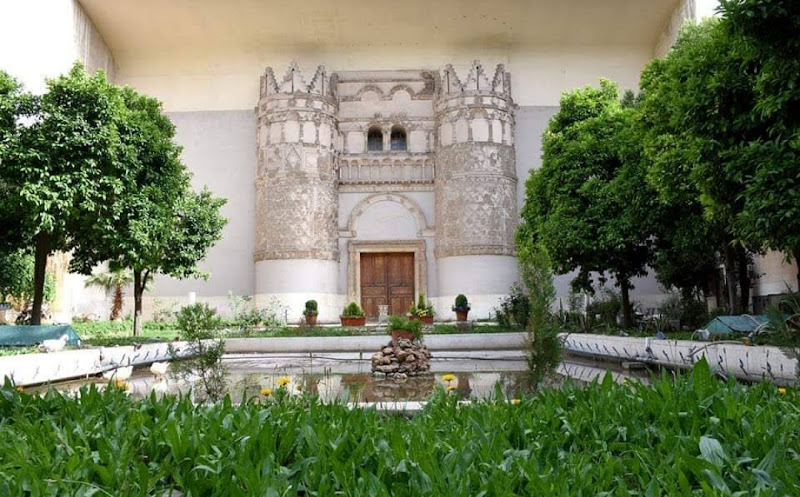
The National Museum of Damascus stands as Syria's crown jewel of cultural heritage, housing an extraordinary collection that spans over 11,000 years of human civilization. You'll find yourself walking through carefully curated halls that tell the fascinating story of ancient Syria, from the earliest settlements to the Islamic golden age. I remember being particularly struck by the museum's stunning façade - it actually incorporates the entrance of an 18th-century traditional Syrian palace, setting the tone for the historical journey that awaits inside.Key Features
• The iconic Dura-Europos Synagogue wall paintings, dating back to 245 CE, which honestly left me speechless when I first saw them • A mesmerizing collection of cuneiform tablets from Mari • The reconstructed hypogeum of Yarhai from Palmyra • An extensive collection of Classical and Islamic coins • The world's first alphabet - the Ugaritic tablets • Stunning Neo-Hittite basalt statues • Mari Palace frescoes that'll transport you back in time • A remarkable collection of traditional Damascus room installations • Ancient weapons and tools that tell stories of long-lost civilizations • Islamic metalwork and ceramics that showcase incredible craftsmanshipBest Time to Visit
From my experience, the sweet spot for visiting is between March and May, when Damascus enjoys mild temperatures that make museum exploration much more pleasant. The museum tends to be less crowded during weekday mornings, especially Tuesday through Thursday. I'd suggest avoiding Friday visits since that's when local crowds typically peak. The lighting is particularly good for photography between 10 AM and 2 PM, when natural light streams through the museum's cleverly designed windows.How to Get There
Getting to the museum is pretty straightforward - it's right in the heart of Damascus. Most locals will point you in the right direction if you get lost (trust me, I did on my first visit!). Taxis are abundant and affordable - just make sure to agree on the fare beforehand. If you're feeling adventurous like I was, you can take local buses, but I'd recommend having someone write down the destination in Arabic for you. The museum is within walking distance from most downtown hotels, and the stroll through the old city streets is an experience in itself.Tips for Visiting
Let me share some insider tips I've picked up from my visits. Photography is allowed in most areas, but leave your flash off - it helps preserve the ancient artifacts. The museum can get pretty warm during peak summer hours, so bringing a water bottle is a smart move. While the main descriptions are in Arabic, you can grab an English audio guide at the entrance - totally worth it for the detailed explanations. I'd set aside at least 3-4 hours to properly explore everything; rushing through would be a shame given the richness of the collections. Consider starting with the prehistoric section and working your way chronologically - it helps make sense of Syria's incredible historical timeline. Some of the most impressive pieces are actually easy to miss if you're not looking carefully, especially in the coin gallery. The gift shop has some amazing replicas of ancient artifacts that make unique souvenirs. Oh, and don't forget to check out the peaceful courtyard - it's a perfect spot to take a breather between sections. Keep in mind that some exhibits might be temporarily closed for restoration work - that's just part of preserving these incredible pieces of history. The museum staff are incredibly knowledgeable and usually happy to answer questions, even if there's sometimes a bit of a language barrier. And hey, if you're into ancient languages like me, you'll geek out over the Ugaritic section - it's absolutely fascinating seeing the world's first alphabet up close! Remember to carry some cash for the entrance fee and audio guide rental. The cafeteria isn't anything special, but the coffee is decent and provides a nice break during your visit. Early afternoons tend to be quieter, making it easier to really soak in the exhibits without crowds. And trust me on this one - don't skip the Damascus room installations on the upper floor. They're often overlooked but offer an amazing glimpse into traditional Syrian domestic life. The museum occasionally hosts special exhibitions that aren't included in the regular ticket price, but they're usually worth the extra cost. If you're particularly interested in a specific period or artifact, reaching out to the museum beforehand might get you access to a specialist guide. Just be prepared for some flexibility with opening hours - they can sometimes vary from what's posted online.Key Features
- Key Features
- Best Time to Visit
- How to Get There
- Tips for Visiting
More Details
Updated April 16, 2025
Table of Contents
Description
The National Museum of Damascus stands as Syria’s crown jewel of cultural heritage, housing an extraordinary collection that spans over 11,000 years of human civilization. You’ll find yourself walking through carefully curated halls that tell the fascinating story of ancient Syria, from the earliest settlements to the Islamic golden age. I remember being particularly struck by the museum’s stunning façade – it actually incorporates the entrance of an 18th-century traditional Syrian palace, setting the tone for the historical journey that awaits inside.
Key Features
• The iconic Dura-Europos Synagogue wall paintings, dating back to 245 CE, which honestly left me speechless when I first saw them
• A mesmerizing collection of cuneiform tablets from Mari
• The reconstructed hypogeum of Yarhai from Palmyra
• An extensive collection of Classical and Islamic coins
• The world’s first alphabet – the Ugaritic tablets
• Stunning Neo-Hittite basalt statues
• Mari Palace frescoes that’ll transport you back in time
• A remarkable collection of traditional Damascus room installations
• Ancient weapons and tools that tell stories of long-lost civilizations
• Islamic metalwork and ceramics that showcase incredible craftsmanship
Best Time to Visit
From my experience, the sweet spot for visiting is between March and May, when Damascus enjoys mild temperatures that make museum exploration much more pleasant. The museum tends to be less crowded during weekday mornings, especially Tuesday through Thursday. I’d suggest avoiding Friday visits since that’s when local crowds typically peak. The lighting is particularly good for photography between 10 AM and 2 PM, when natural light streams through the museum’s cleverly designed windows.
How to Get There
Getting to the museum is pretty straightforward – it’s right in the heart of Damascus. Most locals will point you in the right direction if you get lost (trust me, I did on my first visit!). Taxis are abundant and affordable – just make sure to agree on the fare beforehand. If you’re feeling adventurous like I was, you can take local buses, but I’d recommend having someone write down the destination in Arabic for you. The museum is within walking distance from most downtown hotels, and the stroll through the old city streets is an experience in itself.
Tips for Visiting
Let me share some insider tips I’ve picked up from my visits. Photography is allowed in most areas, but leave your flash off – it helps preserve the ancient artifacts. The museum can get pretty warm during peak summer hours, so bringing a water bottle is a smart move. While the main descriptions are in Arabic, you can grab an English audio guide at the entrance – totally worth it for the detailed explanations. I’d set aside at least 3-4 hours to properly explore everything; rushing through would be a shame given the richness of the collections.
Consider starting with the prehistoric section and working your way chronologically – it helps make sense of Syria’s incredible historical timeline. Some of the most impressive pieces are actually easy to miss if you’re not looking carefully, especially in the coin gallery. The gift shop has some amazing replicas of ancient artifacts that make unique souvenirs. Oh, and don’t forget to check out the peaceful courtyard – it’s a perfect spot to take a breather between sections.
Keep in mind that some exhibits might be temporarily closed for restoration work – that’s just part of preserving these incredible pieces of history. The museum staff are incredibly knowledgeable and usually happy to answer questions, even if there’s sometimes a bit of a language barrier. And hey, if you’re into ancient languages like me, you’ll geek out over the Ugaritic section – it’s absolutely fascinating seeing the world’s first alphabet up close!
Remember to carry some cash for the entrance fee and audio guide rental. The cafeteria isn’t anything special, but the coffee is decent and provides a nice break during your visit. Early afternoons tend to be quieter, making it easier to really soak in the exhibits without crowds. And trust me on this one – don’t skip the Damascus room installations on the upper floor. They’re often overlooked but offer an amazing glimpse into traditional Syrian domestic life.
The museum occasionally hosts special exhibitions that aren’t included in the regular ticket price, but they’re usually worth the extra cost. If you’re particularly interested in a specific period or artifact, reaching out to the museum beforehand might get you access to a specialist guide. Just be prepared for some flexibility with opening hours – they can sometimes vary from what’s posted online.
Key Highlights
- Key Features
- Best Time to Visit
- How to Get There
- Tips for Visiting
Location
Places to Stay Near Damascus National Museum
Find and Book a Tour
Explore More Travel Guides
No reviews found! Be the first to review!
Traveler Reviews for Damascus National Museum
There are no reviews yet. Be the first one to write one.
Have you visited Damascus National Museum? Help other travelers by sharing your review.
You Might Also Like

Tishreen Park
Damascus
Damascus Citadel
Find Accommodations Nearby
Recommended Tours & Activities
Visitor Reviews
There are no reviews yet. Be the first one to write one.
Share Your Experience
Have you visited Damascus National Museum? Help other travelers by leaving a review.