
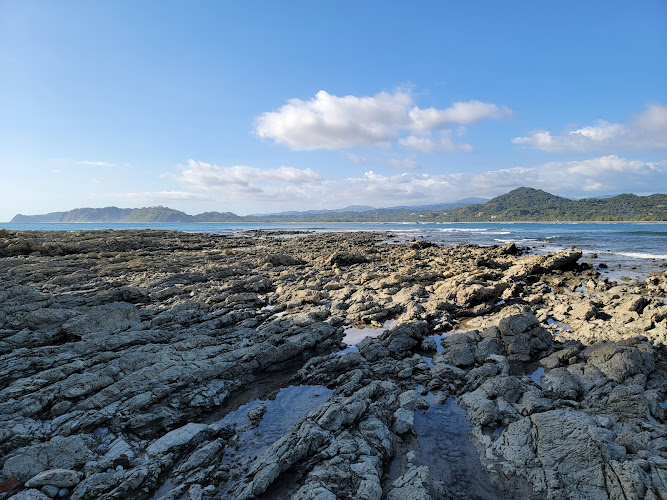
Refugio Nacional de Vida Silvestre – Isla Chora
About Refugio Nacional de Vida Silvestre – Isla Chora
Description
Refugio Nacional de Vida Silvestre Isla Chora is one of those places that sneaks up on you with its quiet beauty. It’s a small island just off the coast of Sámara, Costa Rica, but don’t let its size fool you—this little patch of paradise packs a lot of heart. The refuge was established in 2002 as part of Costa Rica’s commitment to protecting its coastal ecosystems, and today it’s managed under the Tempisque Conservation Area. What makes Isla Chora stand out isn’t just its postcard-perfect scenery, but the way it feels so raw and untouched. You can almost sense the rhythm of nature here—the gentle hum of insects, the chatter of seabirds, and the soft crash of waves against the rocks.
When I first visited, I remember thinking how surreal it felt to be so close to the mainland yet so far removed from the bustle of daily life. The island is small enough to explore in a few hours, but every corner reveals something new—a hidden cove, a tide pool teeming with life, or a group of curious hermit crabs scuttling across the sand. It’s the kind of place that invites you to slow down and really look around. And if you’re lucky, you might spot a few howler monkeys on the nearby trees or sea turtles gliding through the turquoise water.
This wildlife refuge is all about balance—protecting delicate marine and terrestrial ecosystems while still allowing visitors to experience them responsibly. It’s not a flashy destination, and that’s exactly what makes it special. You won’t find big crowds or noisy tour buses here. Instead, you get quiet beaches, clear waters perfect for snorkeling, and a sense that you’re part of something much bigger—a thriving natural world that’s still very much alive and kicking.
Key Features
- Marine Biodiversity: The surrounding waters are home to tropical fish, coral reefs, and occasionally sea turtles. Snorkeling here feels like swimming in a living aquarium.
- Kayak Access: Most visitors reach Isla Chora by kayak from Sámara Beach, a short but scenic paddle across calm waters that offer great chances to spot dolphins or rays.
- Protected Ecosystem: The refuge is part of Costa Rica’s national conservation network, safeguarding both marine and terrestrial habitats.
- Peaceful Beach: The island’s beach is small but incredibly serene—ideal for picnics, sunbathing, or simply listening to the waves.
- Family-Friendly: The gentle waters and accessible paths make it a great outing for families with kids who love exploring nature.
- Birdwatching Opportunities: Several seabird species nest on or near the island, making it a rewarding spot for bird enthusiasts.
- Snorkeling & Swimming: The shallow reefs and clear visibility make it one of the best snorkeling spots near Sámara.
Best Time to Visit
The best time to visit Isla Chora really depends on what you’re after. If you’re like me and love calm seas and sunny skies, the dry season (December through April) is your sweet spot. The water is clear, the sand is warm, and the kayaking conditions are ideal. But there’s something magical about the green season too—from May to November, the island feels more alive, with lush vegetation and fewer visitors. You might get a quick afternoon rain shower, but it usually passes fast, leaving behind that fresh, earthy scent that only the tropics can deliver.
Early mornings are the best time to head out. The sea is usually calm, and you’ll have the island mostly to yourself before the day tours arrive. Plus, if you’re into photography, the light at sunrise paints everything in soft gold tones—perfect for capturing that “wow” shot without any filters needed.
How to Get There
Getting to Isla Chora is half the fun. Most people start from Sámara Beach, where you can rent a kayak or join a guided tour. The paddle takes about 20 to 30 minutes, depending on your pace and the tide. Don’t worry if you’re not an expert kayaker—the waters are generally calm, and local guides are great at making sure everyone feels comfortable. If paddling isn’t your thing, some operators offer small boat rides, but honestly, kayaking is the way to go. There’s something about gliding across the water with the island slowly growing on the horizon that just feels right.
Once you arrive, you can pull your kayak onto the beach and start exploring. There are no facilities on the island—no restrooms, no snack bars, no souvenir stands—so come prepared. That’s part of what makes it feel so authentic. It’s just you, the sea, and the wild.
Tips for Visiting
A few bits of advice from someone who’s been there and learned a thing or two the hard way:
- Bring reef-safe sunscreen. Regular sunscreen can harm marine life, so opt for an eco-friendly version. The fish will thank you.
- Pack light but smart. Bring water, a small towel, and maybe a waterproof bag for your phone or camera. You’ll want to capture the views, trust me.
- Wear water shoes. Some areas have rocks or coral fragments, so they’ll save your feet from a few “ouch” moments.
- Go with a guide if possible. Local guides know the best snorkeling spots and can share fascinating tidbits about the island’s ecosystems.
- Respect the wildlife. Don’t feed animals or touch coral. This place thrives because it’s protected—let’s keep it that way.
- Check tides and weather. Conditions can change quickly, especially during the rainy season, so it’s smart to ask locals before heading out.
- Bring a snack or picnic. There’s nothing quite like enjoying fresh fruit or a sandwich while sitting on a quiet beach surrounded by turquoise water.
One personal tip—I once stayed a little too long, lost track of time, and had to paddle back as the sun was dipping low. The water turned this unbelievable shade of pink and gold, and for a moment, it felt like I was floating through a painting. So yeah, maybe do linger a little, but keep an eye on the daylight.
Refugio Nacional de Vida Silvestre Isla Chora isn’t the kind of place you visit just to tick off a list. It’s the kind of place that stays with you. It’s where you remember that nature doesn’t need to be grand to be extraordinary—it just needs to be real. And Isla Chora, with its quiet beaches, clear waters, and unpretentious charm, is as real as it gets.
Key Features
- Key Features
- Best Time to Visit
- How to Get There
- Tips for Visiting
More Details
Updated October 11, 2025
Table of Contents
- Description
- Key Features
- Best Time to Visit
- How to Get There
- Tips for Visiting
- Key Highlights
- Location
- Places to Stay Near Refugio Nacional de Vida Silvestre - Isla Chora
- Find and Book a Tour
- Explore More Travel Guides
- Nearby Places You Might Like
- Traveler Reviews for Refugio Nacional de Vida Silvestre – Isla Chora
- Share Your Experience
Description
Refugio Nacional de Vida Silvestre Isla Chora is one of those places that sneaks up on you with its quiet beauty. It’s a small island just off the coast of Sámara, Costa Rica, but don’t let its size fool you—this little patch of paradise packs a lot of heart. The refuge was established in 2002 as part of Costa Rica’s commitment to protecting its coastal ecosystems, and today it’s managed under the Tempisque Conservation Area. What makes Isla Chora stand out isn’t just its postcard-perfect scenery, but the way it feels so raw and untouched. You can almost sense the rhythm of nature here—the gentle hum of insects, the chatter of seabirds, and the soft crash of waves against the rocks.
When I first visited, I remember thinking how surreal it felt to be so close to the mainland yet so far removed from the bustle of daily life. The island is small enough to explore in a few hours, but every corner reveals something new—a hidden cove, a tide pool teeming with life, or a group of curious hermit crabs scuttling across the sand. It’s the kind of place that invites you to slow down and really look around. And if you’re lucky, you might spot a few howler monkeys on the nearby trees or sea turtles gliding through the turquoise water.
This wildlife refuge is all about balance—protecting delicate marine and terrestrial ecosystems while still allowing visitors to experience them responsibly. It’s not a flashy destination, and that’s exactly what makes it special. You won’t find big crowds or noisy tour buses here. Instead, you get quiet beaches, clear waters perfect for snorkeling, and a sense that you’re part of something much bigger—a thriving natural world that’s still very much alive and kicking.
Key Features
- Marine Biodiversity: The surrounding waters are home to tropical fish, coral reefs, and occasionally sea turtles. Snorkeling here feels like swimming in a living aquarium.
- Kayak Access: Most visitors reach Isla Chora by kayak from Sámara Beach, a short but scenic paddle across calm waters that offer great chances to spot dolphins or rays.
- Protected Ecosystem: The refuge is part of Costa Rica’s national conservation network, safeguarding both marine and terrestrial habitats.
- Peaceful Beach: The island’s beach is small but incredibly serene—ideal for picnics, sunbathing, or simply listening to the waves.
- Family-Friendly: The gentle waters and accessible paths make it a great outing for families with kids who love exploring nature.
- Birdwatching Opportunities: Several seabird species nest on or near the island, making it a rewarding spot for bird enthusiasts.
- Snorkeling & Swimming: The shallow reefs and clear visibility make it one of the best snorkeling spots near Sámara.
Best Time to Visit
The best time to visit Isla Chora really depends on what you’re after. If you’re like me and love calm seas and sunny skies, the dry season (December through April) is your sweet spot. The water is clear, the sand is warm, and the kayaking conditions are ideal. But there’s something magical about the green season too—from May to November, the island feels more alive, with lush vegetation and fewer visitors. You might get a quick afternoon rain shower, but it usually passes fast, leaving behind that fresh, earthy scent that only the tropics can deliver.
Early mornings are the best time to head out. The sea is usually calm, and you’ll have the island mostly to yourself before the day tours arrive. Plus, if you’re into photography, the light at sunrise paints everything in soft gold tones—perfect for capturing that “wow” shot without any filters needed.
How to Get There
Getting to Isla Chora is half the fun. Most people start from Sámara Beach, where you can rent a kayak or join a guided tour. The paddle takes about 20 to 30 minutes, depending on your pace and the tide. Don’t worry if you’re not an expert kayaker—the waters are generally calm, and local guides are great at making sure everyone feels comfortable. If paddling isn’t your thing, some operators offer small boat rides, but honestly, kayaking is the way to go. There’s something about gliding across the water with the island slowly growing on the horizon that just feels right.
Once you arrive, you can pull your kayak onto the beach and start exploring. There are no facilities on the island—no restrooms, no snack bars, no souvenir stands—so come prepared. That’s part of what makes it feel so authentic. It’s just you, the sea, and the wild.
Tips for Visiting
A few bits of advice from someone who’s been there and learned a thing or two the hard way:
- Bring reef-safe sunscreen. Regular sunscreen can harm marine life, so opt for an eco-friendly version. The fish will thank you.
- Pack light but smart. Bring water, a small towel, and maybe a waterproof bag for your phone or camera. You’ll want to capture the views, trust me.
- Wear water shoes. Some areas have rocks or coral fragments, so they’ll save your feet from a few “ouch” moments.
- Go with a guide if possible. Local guides know the best snorkeling spots and can share fascinating tidbits about the island’s ecosystems.
- Respect the wildlife. Don’t feed animals or touch coral. This place thrives because it’s protected—let’s keep it that way.
- Check tides and weather. Conditions can change quickly, especially during the rainy season, so it’s smart to ask locals before heading out.
- Bring a snack or picnic. There’s nothing quite like enjoying fresh fruit or a sandwich while sitting on a quiet beach surrounded by turquoise water.
One personal tip—I once stayed a little too long, lost track of time, and had to paddle back as the sun was dipping low. The water turned this unbelievable shade of pink and gold, and for a moment, it felt like I was floating through a painting. So yeah, maybe do linger a little, but keep an eye on the daylight.
Refugio Nacional de Vida Silvestre Isla Chora isn’t the kind of place you visit just to tick off a list. It’s the kind of place that stays with you. It’s where you remember that nature doesn’t need to be grand to be extraordinary—it just needs to be real. And Isla Chora, with its quiet beaches, clear waters, and unpretentious charm, is as real as it gets.
Key Highlights
- Key Features
- Best Time to Visit
- How to Get There
- Tips for Visiting
Location
Places to Stay Near Refugio Nacional de Vida Silvestre - Isla Chora
Find and Book a Tour
Explore More Travel Guides
No reviews found! Be the first to review!
Traveler Reviews for Refugio Nacional de Vida Silvestre – Isla Chora
There are no reviews yet. Be the first one to write one.
Have you visited Refugio Nacional de Vida Silvestre – Isla Chora? Help other travelers by sharing your review.
You Might Also Like
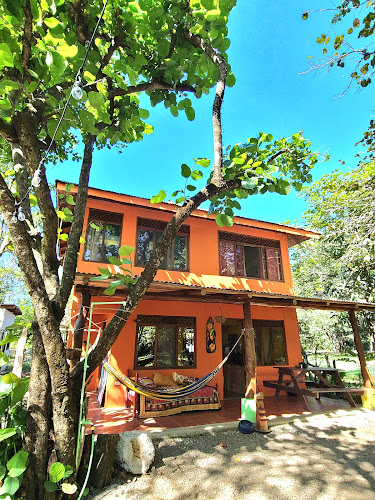
Casa Terra
Sámara
Playa Sámara
Find Accommodations Nearby
Recommended Tours & Activities
Visitor Reviews
There are no reviews yet. Be the first one to write one.
Share Your Experience
Have you visited Refugio Nacional de Vida Silvestre – Isla Chora? Help other travelers by leaving a review.