
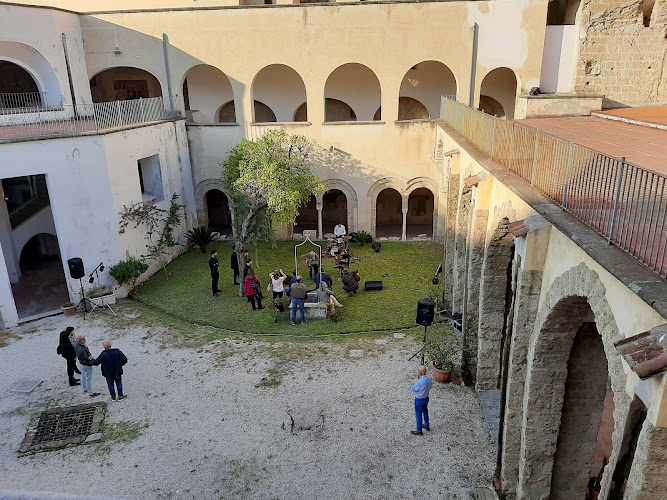
Aversa
About Aversa
Description
If you ever find yourself wandering around southern Italy, about 24 kilometers north of Naples, Aversa is a spot that often flies just under the radar but deserves a bit of your attention. This modest city in the Province of Caserta may not scream for your postcard collection, but it quietly holds its own with a pace and charm all its own. It's part of this agricultural hub affectionately called the Agro Aversano—think rolling fields, sun-dappled vineyards, and farms where some of Italy's best cheeses and wines come to life.
Aversa doesn’t boast a flashy skyline or over-the-top tourist attractions. Instead, it’s the kind of place where history seeps through every cobblestone and where locals still gather in the piazzas like time hasn't rushed too far ahead. You step into a city that balances its historic roots—highlighted by medieval buildings and churches—with the rhythm of everyday life that’s as genuine as it gets.
Now, I’ll be honest, Aversa isn’t all sunshine and roses for tourists. The streets can get a bit chaotic if you’re not used to Italian driving, and some parts of the city reflect its working-class character without the polish you might expect from more famous towns. But that’s precisely what makes it endearing to me. You get a slice of real Italian life; nothing overly-touristy or staged. There are moments of calm: local markets filled with seasonal produce, family-run trattorias dishing out homey fares, and late afternoon passeggiatas where you can just sit back, sip a glass of Falanghina, and watch the world go by.
But if you fancy day trips and digging into tradition, Aversa’s your gateway. It’s surrounded by vineyards producing some seriously impressive whites and reds, and let's not forget the cheesemaking—especially mozzarella. Cheeses crafted here carry the heritage handed down through generations, and tasting them fresh is a little moment of heaven that lingers long after you leave.
While it doesn’t boast the glitz of Naples or the tourist crowds of the Amalfi Coast, Aversa quietly invites you to slow down, appreciate genuine food, and explore its leafy streets with curiosity. It’s for those who prefer peeling back the layers of Italy beyond the gloss. If you’re willing to lean in and embrace the imperfections, the city rewards with a distinct flavor—both literally and culturally—that’s hard to forget.
Key Features
- Located in the rich agricultural zone of Agro Aversano, famed for vineyards and artisan cheese.
- Home to authentic, family-run trattorias offering traditional Campanian dishes.
- Historic architecture including medieval churches and charming squares that offer quiet exploration.
- Close proximity to major urban centers like Naples, with easy day-trip potential.
- Less touristy compared to neighboring cities, providing an authentic Italian experience.
- Seasonal markets showcasing fresh local produce and handmade goods.
- Strong local culture with festivals and events tied to agricultural and religious traditions.
- Ideal spot to sample Campanian wines—especially white varieties like Falanghina.
Best Time to Visit
Planning your trip? Spring and early autumn are hands-down the best times to visit Aversa. The weather dances between pleasantly warm and cool breezes, perfect for strolling through the town or exploring the surrounding vineyards without melting in the sun. Summer, especially July and August, can get quite hot—think sticky streets and the Italians themselves taking a break away from the hustle, so some restaurants might close up for holidays.
If you’re into local festivals (and who isn’t?), late August to early September is when Aversa kicks up a notch with celebrations marking harvests and religious holidays—full of feasts, music, and a palpable community spirit that’ll pull you right in. Winter here is mild compared to northern Italy, but it can be a bit damp and quiet, so if crowds aren’t your concern, the off-season might offer a sleepy charm too.
How to Get There
Getting to Aversa isn’t a headache, promise. If you’re flying into Italy, Naples International Airport is the closest major airport, just a short ride south. From there, you can hop on a train or grab a rental car, depending on how much adventure you’re up for.
The train system here is pretty efficient, with regional lines connecting Naples to Aversa in under half an hour. Trains are frequent but sometimes a bit crowded, so travel light if you can. Driving is a good option too, especially if you plan to explore the Agro Aversano countryside, vineyards, and nearby attractions at your own pace. Just be prepared—traffic can get a bit rambunctious and parking in the town center requires a bit of patience and maybe a lucky find.
Once you arrive, Aversa’s compactness makes it easy to navigate on foot or by bike. Public transport within the city is limited, and honestly, you’ll miss the charm if you don’t take some time wandering the narrow streets by yourself.
Tips for Visiting
Alright, so you’ve got the basics—here are some nuggets of wisdom straight from my own travel escapades and chats with locals.
- Learn a few Italian phrases. The locals appreciate any effort you make. Even a simple buongiorno (good morning) or grazie (thank you) opens doors and warms hearts. And believe me, you’ll want to chat up the cheesemakers and vintners.
- Wear comfortable shoes. The cobblestones and slightly uneven sidewalks are no joke, especially if you’re out exploring medieval corners or local markets.
- Try the local food market early in the day. There’s nothing like the buzz in the morning when farmers bring in fresh produce. Plus, you might snag some spectacular fromage or freshly picked fruit before the crowds descend.
- Don’t rush. Aversa isn’t a place to tick boxes off a tourist map. Let it unfold naturally—have a coffee in a piazza, eavesdrop on conversations, or even just watch a game of calcio (soccer) with locals.
- Avoid summer if you hate crowds and heat. As tempting as a sunny southern Italy summer might be, it can turn stifling and some spots close down as locals head off to the coast or mountains.
- Explore vineyards and farms around the city. Many offer tastings or farm tours—perfect for foodies and wine lovers looking to dive deeper into the culture.
- Be ready to embrace the slow pace. If you’re used to big city buzz, Aversa might feel mellow, but that’s part of the charm. Use it as a chance to decompress and reconnect with simpler joys.
Honestly, Aversa was a bit of a surprise for me. It’s not a city that stakes its claim on grandeur but more on authenticity and flavor. It’s a bit like discovering your favorite hidden café—quieter than the tourist traps, but stocked with stories, characters, and tastes that stay with you. So, if your travels ever bring you this way, consider giving it a go. Sometimes the best travel memories aren’t built on famous landmarks but on these unscripted moments in off-the-beaten-path towns like Aversa.
Key Features
- Located in the rich agricultural zone of Agro Aversano, famed for vineyards and artisan cheese.
- Home to authentic, family-run trattorias offering traditional Campanian dishes.
- Historic architecture including medieval churches and charming squares that offer quiet exploration.
- Close proximity to major urban centers like Naples, with easy day-trip potential.
- Less touristy compared to neighboring cities, providing an authentic Italian experience.
- Seasonal markets showcasing fresh local produce and handmade goods.
- Strong local culture with festivals and events tied to agricultural and religious traditions.
- Ideal spot to sample Campanian wines—especially white varieties like Falanghina.
More Details
Updated May 1, 2025
Table of Contents
Description
If you ever find yourself wandering around southern Italy, about 24 kilometers north of Naples, Aversa is a spot that often flies just under the radar but deserves a bit of your attention. This modest city in the Province of Caserta may not scream for your postcard collection, but it quietly holds its own with a pace and charm all its own. It’s part of this agricultural hub affectionately called the Agro Aversano—think rolling fields, sun-dappled vineyards, and farms where some of Italy’s best cheeses and wines come to life.
Aversa doesn’t boast a flashy skyline or over-the-top tourist attractions. Instead, it’s the kind of place where history seeps through every cobblestone and where locals still gather in the piazzas like time hasn’t rushed too far ahead. You step into a city that balances its historic roots—highlighted by medieval buildings and churches—with the rhythm of everyday life that’s as genuine as it gets.
Now, I’ll be honest, Aversa isn’t all sunshine and roses for tourists. The streets can get a bit chaotic if you’re not used to Italian driving, and some parts of the city reflect its working-class character without the polish you might expect from more famous towns. But that’s precisely what makes it endearing to me. You get a slice of real Italian life; nothing overly-touristy or staged. There are moments of calm: local markets filled with seasonal produce, family-run trattorias dishing out homey fares, and late afternoon passeggiatas where you can just sit back, sip a glass of Falanghina, and watch the world go by.
But if you fancy day trips and digging into tradition, Aversa’s your gateway. It’s surrounded by vineyards producing some seriously impressive whites and reds, and let’s not forget the cheesemaking—especially mozzarella. Cheeses crafted here carry the heritage handed down through generations, and tasting them fresh is a little moment of heaven that lingers long after you leave.
While it doesn’t boast the glitz of Naples or the tourist crowds of the Amalfi Coast, Aversa quietly invites you to slow down, appreciate genuine food, and explore its leafy streets with curiosity. It’s for those who prefer peeling back the layers of Italy beyond the gloss. If you’re willing to lean in and embrace the imperfections, the city rewards with a distinct flavor—both literally and culturally—that’s hard to forget.
Key Features
- Located in the rich agricultural zone of Agro Aversano, famed for vineyards and artisan cheese.
- Home to authentic, family-run trattorias offering traditional Campanian dishes.
- Historic architecture including medieval churches and charming squares that offer quiet exploration.
- Close proximity to major urban centers like Naples, with easy day-trip potential.
- Less touristy compared to neighboring cities, providing an authentic Italian experience.
- Seasonal markets showcasing fresh local produce and handmade goods.
- Strong local culture with festivals and events tied to agricultural and religious traditions.
- Ideal spot to sample Campanian wines—especially white varieties like Falanghina.
Best Time to Visit
Planning your trip? Spring and early autumn are hands-down the best times to visit Aversa. The weather dances between pleasantly warm and cool breezes, perfect for strolling through the town or exploring the surrounding vineyards without melting in the sun. Summer, especially July and August, can get quite hot—think sticky streets and the Italians themselves taking a break away from the hustle, so some restaurants might close up for holidays.
If you’re into local festivals (and who isn’t?), late August to early September is when Aversa kicks up a notch with celebrations marking harvests and religious holidays—full of feasts, music, and a palpable community spirit that’ll pull you right in. Winter here is mild compared to northern Italy, but it can be a bit damp and quiet, so if crowds aren’t your concern, the off-season might offer a sleepy charm too.
How to Get There
Getting to Aversa isn’t a headache, promise. If you’re flying into Italy, Naples International Airport is the closest major airport, just a short ride south. From there, you can hop on a train or grab a rental car, depending on how much adventure you’re up for.
The train system here is pretty efficient, with regional lines connecting Naples to Aversa in under half an hour. Trains are frequent but sometimes a bit crowded, so travel light if you can. Driving is a good option too, especially if you plan to explore the Agro Aversano countryside, vineyards, and nearby attractions at your own pace. Just be prepared—traffic can get a bit rambunctious and parking in the town center requires a bit of patience and maybe a lucky find.
Once you arrive, Aversa’s compactness makes it easy to navigate on foot or by bike. Public transport within the city is limited, and honestly, you’ll miss the charm if you don’t take some time wandering the narrow streets by yourself.
Tips for Visiting
Alright, so you’ve got the basics—here are some nuggets of wisdom straight from my own travel escapades and chats with locals.
- Learn a few Italian phrases. The locals appreciate any effort you make. Even a simple buongiorno (good morning) or grazie (thank you) opens doors and warms hearts. And believe me, you’ll want to chat up the cheesemakers and vintners.
- Wear comfortable shoes. The cobblestones and slightly uneven sidewalks are no joke, especially if you’re out exploring medieval corners or local markets.
- Try the local food market early in the day. There’s nothing like the buzz in the morning when farmers bring in fresh produce. Plus, you might snag some spectacular fromage or freshly picked fruit before the crowds descend.
- Don’t rush. Aversa isn’t a place to tick boxes off a tourist map. Let it unfold naturally—have a coffee in a piazza, eavesdrop on conversations, or even just watch a game of calcio (soccer) with locals.
- Avoid summer if you hate crowds and heat. As tempting as a sunny southern Italy summer might be, it can turn stifling and some spots close down as locals head off to the coast or mountains.
- Explore vineyards and farms around the city. Many offer tastings or farm tours—perfect for foodies and wine lovers looking to dive deeper into the culture.
- Be ready to embrace the slow pace. If you’re used to big city buzz, Aversa might feel mellow, but that’s part of the charm. Use it as a chance to decompress and reconnect with simpler joys.
Honestly, Aversa was a bit of a surprise for me. It’s not a city that stakes its claim on grandeur but more on authenticity and flavor. It’s a bit like discovering your favorite hidden café—quieter than the tourist traps, but stocked with stories, characters, and tastes that stay with you. So, if your travels ever bring you this way, consider giving it a go. Sometimes the best travel memories aren’t built on famous landmarks but on these unscripted moments in off-the-beaten-path towns like Aversa.
Key Highlights
- Located in the rich agricultural zone of Agro Aversano, famed for vineyards and artisan cheese.
- Home to authentic, family-run trattorias offering traditional Campanian dishes.
- Historic architecture including medieval churches and charming squares that offer quiet exploration.
- Close proximity to major urban centers like Naples, with easy day-trip potential.
- Less touristy compared to neighboring cities, providing an authentic Italian experience.
- Seasonal markets showcasing fresh local produce and handmade goods.
- Strong local culture with festivals and events tied to agricultural and religious traditions.
- Ideal spot to sample Campanian wines—especially white varieties like Falanghina.
Location
Places to Stay Near Aversa
Find and Book a Tour
Explore More Travel Guides
No reviews found! Be the first to review!
Traveler Reviews for Aversa
There are no reviews yet. Be the first one to write one.
Have you visited Aversa? Help other travelers by sharing your review.
You Might Also Like
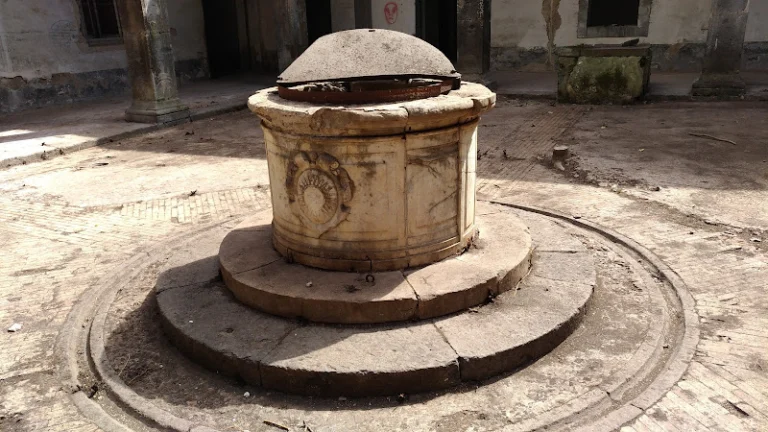
Chiesa e convento della Maddalena
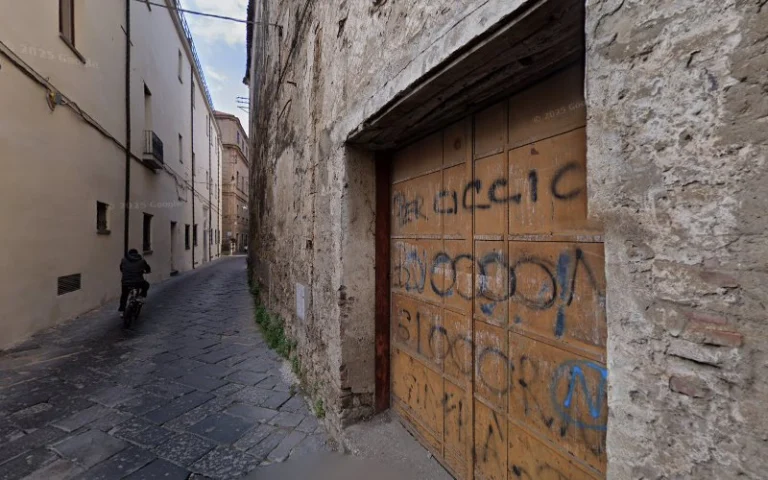
Chiesa dello Spirito Santo
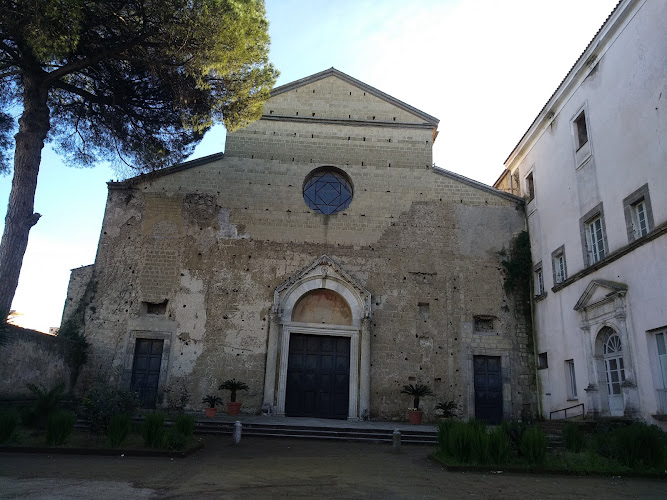
Chiesa di San Lorenzo
Find Accommodations Nearby
Recommended Tours & Activities
Visitor Reviews
There are no reviews yet. Be the first one to write one.
Share Your Experience
Have you visited Aversa? Help other travelers by leaving a review.