
Itanagar
About Itanagar
Description
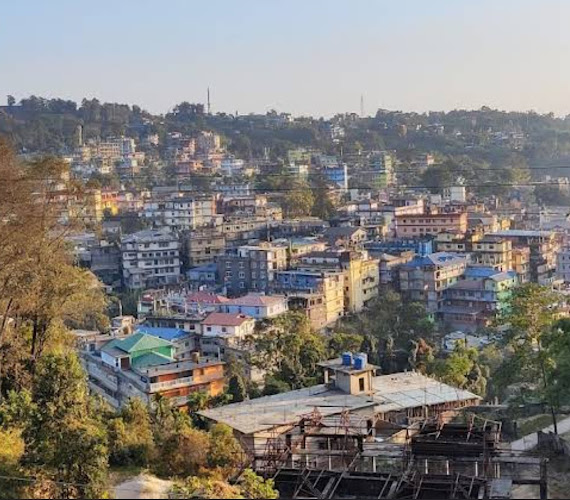
Itanagar, the capital of Arunachal Pradesh, sits quietly tucked in the foothills of the eastern Himalayas. It's the kind of place that sneaks up on you with its peaceful charm and little historical gems scattered around. Now, you might not find the usual big-city hustle here, and honestly, that’s part of its appeal—the slower pace lets you soak in the culture without rushing.
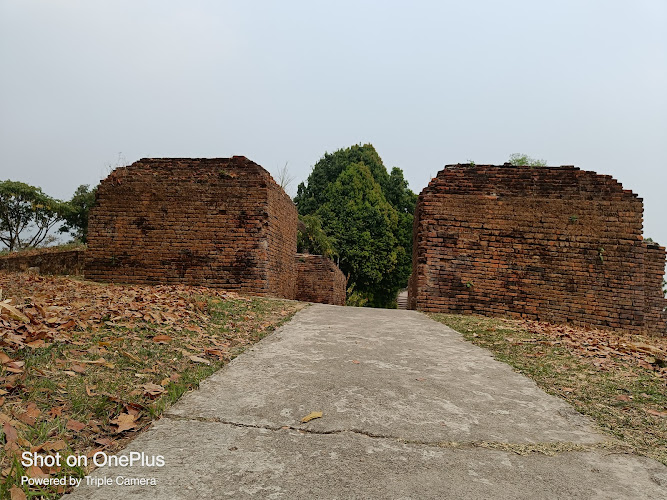
The medieval Ita Fort is a must-see, a real slice of history built from bricks hundreds of years old. It’s not just a ruin; it carries stories of ancient battles and kingdoms, making you wonder how life was back then. And if you’re into museums that hit that sweet spot between informative and quirky, the Jawaharlal Nehru State Museum is where you wanna head. It’s packed with textiles and handicrafts that showcase the artistic heartbeat of the region’s tribes.
One spot that left me genuinely awed is the yellow-roofed Gompa temple nearby. This Buddhist temple isn’t just a peaceful retreat; it’s got that serene energy that feels like a gentle reset for your brain. It carries the special distinction of being consecrated by the Dalai Lama himself — like a stamp of spiritual approval. Sitting there in the calm, you can almost imagine yourself miles away from everyday stress.
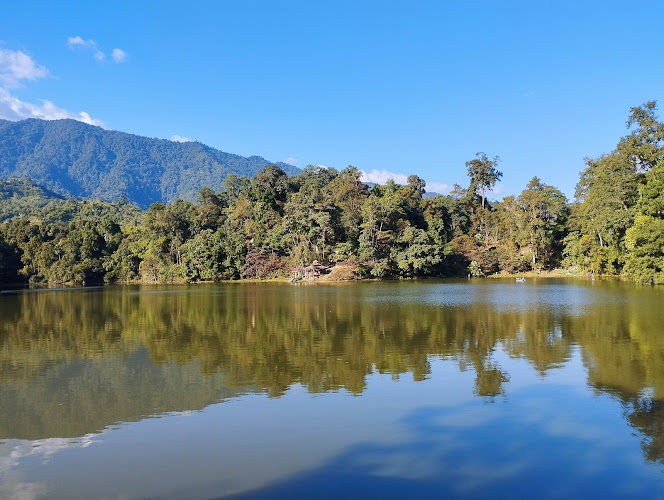
Oh, and don’t miss Geker Sinying, or Ganga Lake if you prefer. This place is nestled west of the town amidst thick forests full of orchids and ferns. It’s the perfect spot for some light trekking or just chilling by the water, watching the mist play tricks with your vision as the sun rises or sets. If you’re lucky, you might even spot some local wildlife peeking through the greenery.
Yes, Itanagar doesn’t boast flashy touristy traps or sprawling shopping malls, but it gifts you a true taste of northeast India's unique vibe. If you’re craving a visit that's more about discovery and less about crowds, this place should definitely be on your radar.
Key Features
- Medieval Ita Fort – an ancient brick structure loaded with historical significance
- Jawaharlal Nehru State Museum – a trove of tribal textiles and traditional handicrafts
- Yellow-roofed Gompa temple – consecrated by the Dalai Lama, a serene spiritual hub
- Geker Sinying (Ganga Lake) – forest-encircled lake perfect for nature walks and bird watching
- Situated at the foothills of the Himalayas, offering stunning natural scenery
- A melting pot of tribal culture with friendly locals eager to share their stories
- Relatively untouched by mainstream tourism, providing an authentic travel experience
Best Time to Visit
Planning your trip to Itanagar? The sweet spot is from October to April. This period avoids the region’s heavy monsoon rains which can seriously hamper your outdoor plans. Plus, the weather cools down just right—no sweaty muggy days, just crisp mountain air that feels like a balm for city-weary lungs.
December and January can get a bit chilly, especially if you’re not used to Himalayan weather, so pack that warm jacket. I remember visiting in late November once, and mornings there were like stepping into a fresh, new world, all wrapped in mist with the sun peeking through the hills. Magical stuff.
If you’re a fan of flowers and greenery, catching Itanagar post-monsoon lets you see the forests around Geker Sinying in full bloom, orchids showing off like they’re on a nature’s runway.
How to Get There
Itanagar might not be on the big international airport map, but getting here is part of the adventure. The nearest airport is Lilabari Airport in Assam, about 100 kilometers away. From there, you can hire a taxi or catch a bus—just brace yourself for some winding mountain roads.
For those who love road trips, driving in from Guwahati is an experience itself. The route cuts through scenic tea plantations and small tribal villages, a great way to really get into the regional vibe before you even hit the city limits.
If you’re more old-school, railway travelers can disembark at Naharlagun, just a few kilometers from Itanagar. There are decent transport options to cover the short distance.
Public transport is limited and sometimes erratic, so if you can swing it, having your own vehicle or a trusted local guide makes life a lot easier. It’s a place where a bit of planning goes a long way.
Tips for Visiting
- Carry cash; card payments aren't widely accepted, especially in smaller shops and eateries
- Respect local customs and traditions—Arunachal Pradesh hosts many tribal communities with distinct cultures
- Don’t forget sturdy walking shoes for exploring forts, temples, and forest paths
- Hiring a local guide can open doors to off-the-beaten-path experiences and stories you won’t find in guidebooks
- Internet connectivity can be sketchy—good to have offline maps and downloads ready
- Try the local foods! They might surprise you with their flavors, especially dishes made with bamboo shoots and fresh river fish
- Keep an eye on the weather forecasts during monsoon season; landslides occasionally disrupt travel
- Take your time to chat with locals—they're often more than willing to share their way of life if you show genuine interest
Honestly, Itanagar is like that quiet friend who doesn’t shout for attention but rewards those patient enough with unforgettable stories and moments. It’s not perfect—some spots need a little more polish for tourists, and amenities can be basic—but that’s half the charm, isn’t it? If you want to step away from the usual tourist trail and see a slice of India that feels like a breath of fresh Himalayan air, pack your bags and give Itanagar a shot.
Key Features
- Medieval Ita Fort – an ancient brick structure loaded with historical significance
- Jawaharlal Nehru State Museum – a trove of tribal textiles and traditional handicrafts
- Yellow-roofed Gompa temple – consecrated by the Dalai Lama, a serene spiritual hub
- Geker Sinying (Ganga Lake) – forest-encircled lake perfect for nature walks and bird watching
- Situated at the foothills of the Himalayas, offering stunning natural scenery
- A melting pot of tribal culture with friendly locals eager to share their stories
- Relatively untouched by mainstream tourism, providing an authentic travel experience
- Carry cash; card payments aren't widely accepted, especially in smaller shops and eateries
More Details
Updated June 4, 2025
Table of Contents
Description
Itanagar, the capital of Arunachal Pradesh, sits quietly tucked in the foothills of the eastern Himalayas. It’s the kind of place that sneaks up on you with its peaceful charm and little historical gems scattered around. Now, you might not find the usual big-city hustle here, and honestly, that’s part of its appeal—the slower pace lets you soak in the culture without rushing.
The medieval Ita Fort is a must-see, a real slice of history built from bricks hundreds of years old. It’s not just a ruin; it carries stories of ancient battles and kingdoms, making you wonder how life was back then. And if you’re into museums that hit that sweet spot between informative and quirky, the Jawaharlal Nehru State Museum is where you wanna head. It’s packed with textiles and handicrafts that showcase the artistic heartbeat of the region’s tribes.
One spot that left me genuinely awed is the yellow-roofed Gompa temple nearby. This Buddhist temple isn’t just a peaceful retreat; it’s got that serene energy that feels like a gentle reset for your brain. It carries the special distinction of being consecrated by the Dalai Lama himself — like a stamp of spiritual approval. Sitting there in the calm, you can almost imagine yourself miles away from everyday stress.
Oh, and don’t miss Geker Sinying, or Ganga Lake if you prefer. This place is nestled west of the town amidst thick forests full of orchids and ferns. It’s the perfect spot for some light trekking or just chilling by the water, watching the mist play tricks with your vision as the sun rises or sets. If you’re lucky, you might even spot some local wildlife peeking through the greenery.
Yes, Itanagar doesn’t boast flashy touristy traps or sprawling shopping malls, but it gifts you a true taste of northeast India’s unique vibe. If you’re craving a visit that’s more about discovery and less about crowds, this place should definitely be on your radar.
Key Features
- Medieval Ita Fort – an ancient brick structure loaded with historical significance
- Jawaharlal Nehru State Museum – a trove of tribal textiles and traditional handicrafts
- Yellow-roofed Gompa temple – consecrated by the Dalai Lama, a serene spiritual hub
- Geker Sinying (Ganga Lake) – forest-encircled lake perfect for nature walks and bird watching
- Situated at the foothills of the Himalayas, offering stunning natural scenery
- A melting pot of tribal culture with friendly locals eager to share their stories
- Relatively untouched by mainstream tourism, providing an authentic travel experience
Best Time to Visit
Planning your trip to Itanagar? The sweet spot is from October to April. This period avoids the region’s heavy monsoon rains which can seriously hamper your outdoor plans. Plus, the weather cools down just right—no sweaty muggy days, just crisp mountain air that feels like a balm for city-weary lungs.
December and January can get a bit chilly, especially if you’re not used to Himalayan weather, so pack that warm jacket. I remember visiting in late November once, and mornings there were like stepping into a fresh, new world, all wrapped in mist with the sun peeking through the hills. Magical stuff.
If you’re a fan of flowers and greenery, catching Itanagar post-monsoon lets you see the forests around Geker Sinying in full bloom, orchids showing off like they’re on a nature’s runway.
How to Get There
Itanagar might not be on the big international airport map, but getting here is part of the adventure. The nearest airport is Lilabari Airport in Assam, about 100 kilometers away. From there, you can hire a taxi or catch a bus—just brace yourself for some winding mountain roads.
For those who love road trips, driving in from Guwahati is an experience itself. The route cuts through scenic tea plantations and small tribal villages, a great way to really get into the regional vibe before you even hit the city limits.
If you’re more old-school, railway travelers can disembark at Naharlagun, just a few kilometers from Itanagar. There are decent transport options to cover the short distance.
Public transport is limited and sometimes erratic, so if you can swing it, having your own vehicle or a trusted local guide makes life a lot easier. It’s a place where a bit of planning goes a long way.
Tips for Visiting
- Carry cash; card payments aren’t widely accepted, especially in smaller shops and eateries
- Respect local customs and traditions—Arunachal Pradesh hosts many tribal communities with distinct cultures
- Don’t forget sturdy walking shoes for exploring forts, temples, and forest paths
- Hiring a local guide can open doors to off-the-beaten-path experiences and stories you won’t find in guidebooks
- Internet connectivity can be sketchy—good to have offline maps and downloads ready
- Try the local foods! They might surprise you with their flavors, especially dishes made with bamboo shoots and fresh river fish
- Keep an eye on the weather forecasts during monsoon season; landslides occasionally disrupt travel
- Take your time to chat with locals—they’re often more than willing to share their way of life if you show genuine interest
Honestly, Itanagar is like that quiet friend who doesn’t shout for attention but rewards those patient enough with unforgettable stories and moments. It’s not perfect—some spots need a little more polish for tourists, and amenities can be basic—but that’s half the charm, isn’t it? If you want to step away from the usual tourist trail and see a slice of India that feels like a breath of fresh Himalayan air, pack your bags and give Itanagar a shot.
Key Highlights
- Medieval Ita Fort – an ancient brick structure loaded with historical significance
- Jawaharlal Nehru State Museum – a trove of tribal textiles and traditional handicrafts
- Yellow-roofed Gompa temple – consecrated by the Dalai Lama, a serene spiritual hub
- Geker Sinying (Ganga Lake) – forest-encircled lake perfect for nature walks and bird watching
- Situated at the foothills of the Himalayas, offering stunning natural scenery
- A melting pot of tribal culture with friendly locals eager to share their stories
- Relatively untouched by mainstream tourism, providing an authentic travel experience
- Carry cash; card payments aren't widely accepted, especially in smaller shops and eateries
Location
Places to Stay Near Itanagar
Find and Book a Tour
Explore More Travel Guides
No reviews found! Be the first to review!
Traveler Reviews for Itanagar
There are no reviews yet. Be the first one to write one.
Have you visited Itanagar? Help other travelers by sharing your review.
You Might Also Like

E- Sector
Ita Fort
Geker Sinying
Find Accommodations Nearby
Recommended Tours & Activities
Visitor Reviews
There are no reviews yet. Be the first one to write one.
Share Your Experience
Have you visited Itanagar? Help other travelers by leaving a review.