
Ita Fort
About Ita Fort
Description
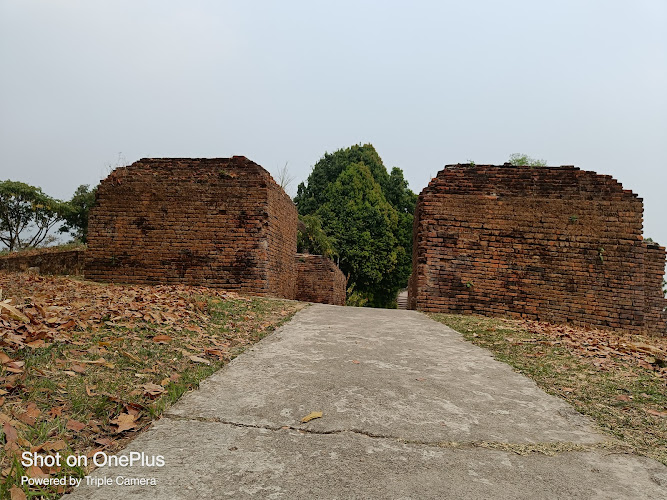
If you’re wandering around Arunachal Pradesh, and history piques your interest even a little, Ita Fort is like that quiet elder in the village who’s been sitting there for centuries, holding stories in its brick walls. This fortress isn’t about shiny touristy gloss but raw, aged charm. Imagine a gigantic structure made of bricks – yes, bricks – holding its ground with three distinct entrances that open up to views of the surrounding mountains that are just too good to miss. When I first saw it, I was struck by how massive and sturdy it felt, despite the erosion time has thrown its way. No fancy reconstructive scenarios, just the pure essence of a fortress that’s somehow managed to stand tall for hundreds of years.
It’s not the kind of place that screams at you to pay attention but rather nudges you softly to walk its ramparts, imagine the hustle and bustle long ago, and feel a bit of the mystique from the layers of history embedded in those bricks. Don’t expect fancy plaques or digital guides — this is more about soaking in the aura and letting your mind drift back to what this place might have seen. And honestly, the views? The mountain backdrop makes the whole visit feel like stepping out of time for a few moments.
Families with kids might find it surprisingly decent for a day out, although keep in mind, the fort isn’t particularly wheelchair-friendly — those uneven pathways and ancient steps don’t exactly cater to easy accessibility. But if you’re up for a little adventure and history mixed into a scenic outing, Ita Fort will reward your curiosity.
Key Features
- Massive, centuries-old brick construction that’s rare to find in this region
- Three separate entrances offering varied perspectives and experiences of the fort
- Stunning panoramic views of the surrounding Arunachal mountain ranges
- Historical significance as a defensive structure from bygone eras
- Kid-friendly environment, making it a curious spot for the younger crowd to explore
- Relatively quiet and uncrowded compared to other local attractions, giving a more intimate feel
- Easy to pair with a visit to Itanagar’s other cultural sites – great for history buffs
Best Time to Visit
Weather-wise, if you’re aiming to catch Ita Fort at its best, the months between October and March are your go-to window. Why? Arunachal Pradesh’s summers can get a little too warm and sticky for wandering around old bricks and uneven ground, while the monsoon season from June to September isn’t exactly what you want when trekking around a fortress. Nothing ruins a day out like slipping on a wet stone or getting caught in a sudden downpour, am I right?
Visiting during the cooler months not only means more comfortable exploring, but it also tends to bring clearer mountain views. Oh, those crisp mornings when the sun peeks over the hills and casts long shadows across the fort’s walls – that kind of scene sticks with you.
And heads up, weekends might bring tiny crowds, but honestly, the place is quite chill compared to other sites. So if you can swing a weekday visit, you’ll probably have more breathing room and moments of peace to really connect with the history seeping from every brick.
How to Get There
Getting to Ita Fort is a bit of an adventure in itself, but thankfully not a headache. It’s located right in the vicinity of Itanagar, which serves as the capital city hub with better connectivity. For most travelers, the easiest route is to fly into Donyi Polo Airport near Itanagar. From there, a short drive will bring you to the fortress. I remember my taxi driver chuckling when we passed through small villages and lush greenery, reminding me that this journey was as much part of the experience as the destination.
If you’re more of a road trip fan (like me), Itanagar is smoothly connected by road from major nearby cities like Guwahati. Depending on where you start, the roads range from scenic highways to winding mountain curves, so keep your camera handy — those views sneak up on you. Public buses and shared taxis are options too, but they might test your patience if you’re on a tight schedule.
Once you hit the town, the fort is easy to find with local directions. Just don’t expect signs every two steps, so maybe download a map or ask a friendly local — people around here are usually pretty helpful. Parking nearby is available, so no worries about ditching your vehicle miles away.
Tips for Visiting
Alright, now to the nitty-gritty. If you want to make the most out of your visit without getting overwhelmed or missing the cool bits, here’s what I wish someone told me before I went for the first time:
- Wear sturdy shoes. There’s no fancy walkway here, just good old uneven steps and bricks that have shifted over time. Heels or slippery soles? Definitely not your friend.
- Carry water and snacks. The area around the fort doesn’t have many stalls or vendors. Pack light but smart so you don’t end up thirsty and hungry halfway through your stroll.
- Plan for some sun protection. Hats, sunscreen – the fort offers little shade, especially near the ramparts. Even if it’s a cooler season, those mountain rays can sneak up on you.
- Don’t rush. The magic here is in soaking up the atmosphere – the quiet, the textures of the bricks, the murmurs of history whispering through the walls. Take time to wander through each entrance and find your own favorite nook.
- Bring a camera, but put it down sometimes too. Sure, the views are photo-worthy, but I found the real delight was in watching the play of light and shadow over the fortress with my own eyes without a screen.
- Watch your step with kids. It’s generally good for children to explore but keep an eye out at the edges and steeper areas. The fort wasn’t built with toddlers in mind.
- Chat with locals if you get the chance. I learned a bunch from a nearby vendor about the fort’s lesser-known tales and even some local folklore that brought the site alive in ways no guidebook could.
- Don’t expect crowds. If you find yourself sharing space with only a handful of other visitors, count yourself lucky — it’s like having a backstage pass to history.
In short, visiting Ita Fort is more than just checking off a historical site on your list. It’s a chance to step quietly into the past, admire the stubborn resilience of ancient bricks, and catch some of the raw beauty that Arunachal Pradesh serves up with no frills attached. So lace up, load your curiosity, and go see for yourself what those walls have been keeping for centuries.
Key Features
- Massive, centuries-old brick construction that’s rare to find in this region
- Three separate entrances offering varied perspectives and experiences of the fort
- Stunning panoramic views of the surrounding Arunachal mountain ranges
- Historical significance as a defensive structure from bygone eras
- Kid-friendly environment, making it a curious spot for the younger crowd to explore
- Relatively quiet and uncrowded compared to other local attractions, giving a more intimate feel
- Easy to pair with a visit to Itanagar’s other cultural sites – great for history buffs
More Details
Updated June 4, 2025
Table of Contents
Description
If you’re wandering around Arunachal Pradesh, and history piques your interest even a little, Ita Fort is like that quiet elder in the village who’s been sitting there for centuries, holding stories in its brick walls. This fortress isn’t about shiny touristy gloss but raw, aged charm. Imagine a gigantic structure made of bricks – yes, bricks – holding its ground with three distinct entrances that open up to views of the surrounding mountains that are just too good to miss. When I first saw it, I was struck by how massive and sturdy it felt, despite the erosion time has thrown its way. No fancy reconstructive scenarios, just the pure essence of a fortress that’s somehow managed to stand tall for hundreds of years.
It’s not the kind of place that screams at you to pay attention but rather nudges you softly to walk its ramparts, imagine the hustle and bustle long ago, and feel a bit of the mystique from the layers of history embedded in those bricks. Don’t expect fancy plaques or digital guides — this is more about soaking in the aura and letting your mind drift back to what this place might have seen. And honestly, the views? The mountain backdrop makes the whole visit feel like stepping out of time for a few moments.
Families with kids might find it surprisingly decent for a day out, although keep in mind, the fort isn’t particularly wheelchair-friendly — those uneven pathways and ancient steps don’t exactly cater to easy accessibility. But if you’re up for a little adventure and history mixed into a scenic outing, Ita Fort will reward your curiosity.
Key Features
- Massive, centuries-old brick construction that’s rare to find in this region
- Three separate entrances offering varied perspectives and experiences of the fort
- Stunning panoramic views of the surrounding Arunachal mountain ranges
- Historical significance as a defensive structure from bygone eras
- Kid-friendly environment, making it a curious spot for the younger crowd to explore
- Relatively quiet and uncrowded compared to other local attractions, giving a more intimate feel
- Easy to pair with a visit to Itanagar’s other cultural sites – great for history buffs
Best Time to Visit
Weather-wise, if you’re aiming to catch Ita Fort at its best, the months between October and March are your go-to window. Why? Arunachal Pradesh’s summers can get a little too warm and sticky for wandering around old bricks and uneven ground, while the monsoon season from June to September isn’t exactly what you want when trekking around a fortress. Nothing ruins a day out like slipping on a wet stone or getting caught in a sudden downpour, am I right?
Visiting during the cooler months not only means more comfortable exploring, but it also tends to bring clearer mountain views. Oh, those crisp mornings when the sun peeks over the hills and casts long shadows across the fort’s walls – that kind of scene sticks with you.
And heads up, weekends might bring tiny crowds, but honestly, the place is quite chill compared to other sites. So if you can swing a weekday visit, you’ll probably have more breathing room and moments of peace to really connect with the history seeping from every brick.
How to Get There
Getting to Ita Fort is a bit of an adventure in itself, but thankfully not a headache. It’s located right in the vicinity of Itanagar, which serves as the capital city hub with better connectivity. For most travelers, the easiest route is to fly into Donyi Polo Airport near Itanagar. From there, a short drive will bring you to the fortress. I remember my taxi driver chuckling when we passed through small villages and lush greenery, reminding me that this journey was as much part of the experience as the destination.
If you’re more of a road trip fan (like me), Itanagar is smoothly connected by road from major nearby cities like Guwahati. Depending on where you start, the roads range from scenic highways to winding mountain curves, so keep your camera handy — those views sneak up on you. Public buses and shared taxis are options too, but they might test your patience if you’re on a tight schedule.
Once you hit the town, the fort is easy to find with local directions. Just don’t expect signs every two steps, so maybe download a map or ask a friendly local — people around here are usually pretty helpful. Parking nearby is available, so no worries about ditching your vehicle miles away.
Tips for Visiting
Alright, now to the nitty-gritty. If you want to make the most out of your visit without getting overwhelmed or missing the cool bits, here’s what I wish someone told me before I went for the first time:
- Wear sturdy shoes. There’s no fancy walkway here, just good old uneven steps and bricks that have shifted over time. Heels or slippery soles? Definitely not your friend.
- Carry water and snacks. The area around the fort doesn’t have many stalls or vendors. Pack light but smart so you don’t end up thirsty and hungry halfway through your stroll.
- Plan for some sun protection. Hats, sunscreen – the fort offers little shade, especially near the ramparts. Even if it’s a cooler season, those mountain rays can sneak up on you.
- Don’t rush. The magic here is in soaking up the atmosphere – the quiet, the textures of the bricks, the murmurs of history whispering through the walls. Take time to wander through each entrance and find your own favorite nook.
- Bring a camera, but put it down sometimes too. Sure, the views are photo-worthy, but I found the real delight was in watching the play of light and shadow over the fortress with my own eyes without a screen.
- Watch your step with kids. It’s generally good for children to explore but keep an eye out at the edges and steeper areas. The fort wasn’t built with toddlers in mind.
- Chat with locals if you get the chance. I learned a bunch from a nearby vendor about the fort’s lesser-known tales and even some local folklore that brought the site alive in ways no guidebook could.
- Don’t expect crowds. If you find yourself sharing space with only a handful of other visitors, count yourself lucky — it’s like having a backstage pass to history.
In short, visiting Ita Fort is more than just checking off a historical site on your list. It’s a chance to step quietly into the past, admire the stubborn resilience of ancient bricks, and catch some of the raw beauty that Arunachal Pradesh serves up with no frills attached. So lace up, load your curiosity, and go see for yourself what those walls have been keeping for centuries.
Key Highlights
- Massive, centuries-old brick construction that’s rare to find in this region
- Three separate entrances offering varied perspectives and experiences of the fort
- Stunning panoramic views of the surrounding Arunachal mountain ranges
- Historical significance as a defensive structure from bygone eras
- Kid-friendly environment, making it a curious spot for the younger crowd to explore
- Relatively quiet and uncrowded compared to other local attractions, giving a more intimate feel
- Easy to pair with a visit to Itanagar’s other cultural sites – great for history buffs
Location
Places to Stay Near Ita Fort
Find and Book a Tour
Explore More Travel Guides
No reviews found! Be the first to review!
Traveler Reviews for Ita Fort
There are no reviews yet. Be the first one to write one.
Have you visited Ita Fort? Help other travelers by sharing your review.
You Might Also Like
Itanagar

E- Sector
Geker Sinying
Find Accommodations Nearby
Recommended Tours & Activities
Visitor Reviews
There are no reviews yet. Be the first one to write one.
Share Your Experience
Have you visited Ita Fort? Help other travelers by leaving a review.