
Lorient
About Lorient
Description
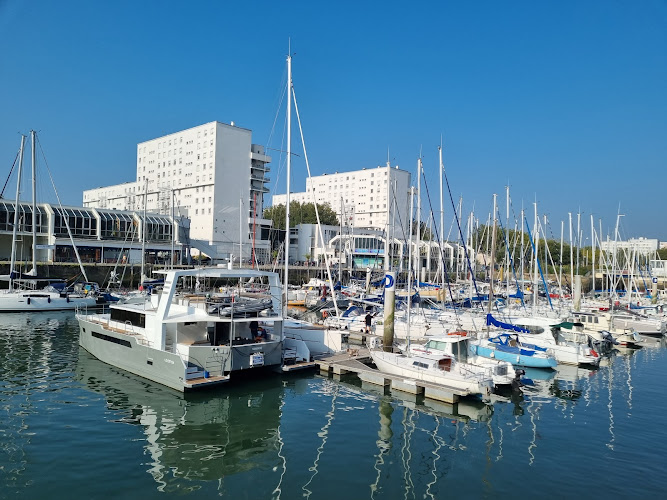
Lorient, sitting on the rugged coast of Brittany in western France, is one of those places that doesn't shout for attention—but once you're there, it sneaks under your skin. It's a seaport town with a gritty yet charming character shaped by its maritime heritage and wartime history. Honestly, it's not your postcard-pretty village with cobbled streets everywhere, but there’s something genuinely captivating about its mix of industrial harbor scenes, fishing boats bobbing in the harbor, and the soft salty breeze that seems to follow you around.
The town was heavily bombed during WWII, so the architecture has that post-war modern feel, stamped with practical buildings and wide avenues that break away sharply from the usual Breton towns you'd expect. Some folks might find this a bit stark, but to me, it tells stories of resilience and reinvention. Lorient also hosts one of France's most important fishing ports, so while you wander around, you can't miss the life pulsing through its docks and fish markets—fresh seafood lovers, you’re in luck here.
If you’re a fan of cultural quirks, Lorient's connection to the sea is more than just business—it fuels lively festivals, unusual museums, and a music scene with a pinch of Celtic flair. It’s like the town breathes through the rhythm of its festivals and salt-scented winds. Lorient’s no secret gem, but it keeps a bit of a subdued vibe that I found refreshing after the hustle and tourist-packed spots elsewhere in France.
Sure, it’s not for everyone—if you’re dreaming solely of fairy-tale Brittany, you might want to peek beyond Lorient. But if you enjoy places with a story to tell, where the sea and history crash together in unexpected ways, Lorient stands out without trying too hard. It’s a town where you can wander, get lazy with a coffee by the harbor, or get off the beaten path exploring nearby beaches and islands.
Key Features
- Significant maritime and fishing port with active docks and markets.
- Host to the renowned Inter-Celtic Festival celebrating Celtic cultures with music and dance.
- Rich WWII history visible in its post-war architecture and museums.
- Gateway to the islands of Glénan archipelago, famed for their crystal-clear waters and marine activities.
- Excellent seafood offerings from fresh catches to traditional Breton delicacies.
- Proximity to beautiful coastal paths and sandy beaches perfect for hiking and relaxation.
- Vibrant harbor area lined with cafés, bars, and eateries buzzing with local life.
- Marine-focused museums, like the Submarine Museum, giving insight into naval history.
Best Time to Visit
If you catch me, I’d say aim for late spring through early autumn—May to September. That's when you get mild weather, and the town's rhythm picks up with lively events, festivals, and outdoor terrace vibes. The Inter-Celtic Festival, usually swinging around August, is an absolute highlight if you’re into music that makes you want to dance like nobody's watching.
On the flip side, winter months are quite bleak—gray skies, cold winds battering the coast—not the time to lounge on the beaches, that’s for sure. Although, if you’ve a thing for solitude and don't mind some bracing sea air, the off-season’s quiet could suit you. Just pack a good jacket.
How to Get There
Lorient’s pretty accessible whether you're coming by train, car, or air. The railway station plugs into regional lines connecting you with bigger hubs like Rennes and Nantes. If you’re traveling from Paris, the train route takes around 3.5 to 4 hours, which isn’t bad at all considering you get to soak in Brittany’s lush countryside on the way.
Driving’s straightforward too, with well-maintained routes from surrounding cities. Having a car is actually quite handy if you want to explore the nearby coastline and islands without the hassle. The Lorient South Brittany Airport handles some flights, mostly domestic and seasonal charters, but it’s a neat option if you want to skip long train rides.
Tips for Visiting
Here’s where I sprinkle some personal nuggets of advice—because, let's face it, travel’s never just about ticking boxes. First off, don’t rush Lorient. It asks for patience, a bit of curiosity, and maybe a few wrong turns to stumble into those quiet corners by the harbor.
Also, try and sync your visit with a festival or local market day. The scent of fresh crepes and seafood from street stalls is irresistible, and it's a fantastic window into local life. Even if you’re not a big festival person, these moments give you a sneak peek into Brittany beyond the guidebooks.
Walking shoes are essential. The town’s wide streets invite long, aimless strolls to observe the maritime buzz and maybe find a cozy café with the perfect cup of coffee. And don’t shy away from striking up conversations with locals—they’re often friendly, direct, and have stories that’ll enrich your visit.
For exploring beyond the town, the islands of Glénan are a must-see. Think: turquoise water, soft sand, and a vibe that’s almost Caribbean but just a ferry ride away. It’s way less crowded than the big tourist traps, which made it my own slice of peace when I was there.
Lastly, keep an eye on the tides and weather if you plan outdoor activities. The sea is beautiful but not to be underestimated. Oh, and if you find yourself unable to decide on seafood dishes at a restaurant, order the 'plateau de fruits de mer'—an overflowing platter that’s like a festival on your table.
Lorient may not have the glitz of Paris or the postcard charm of St. Malo, but it’s undeniably authentic, with a heart beating to the sea’s timeless rhythm. If you allow yourself to dive into its quirks and history, you’ll leave with stories and memories that linger long after the waves.
Key Features
- Significant maritime and fishing port with active docks and markets.
- Host to the renowned Inter-Celtic Festival celebrating Celtic cultures with music and dance.
- Rich WWII history visible in its post-war architecture and museums.
- Gateway to the islands of Glénan archipelago, famed for their crystal-clear waters and marine activities.
- Excellent seafood offerings from fresh catches to traditional Breton delicacies.
- Proximity to beautiful coastal paths and sandy beaches perfect for hiking and relaxation.
- Vibrant harbor area lined with cafés, bars, and eateries buzzing with local life.
- Marine-focused museums, like the Submarine Museum, giving insight into naval history.
More Details
Updated June 4, 2025
Table of Contents
Description
Lorient, sitting on the rugged coast of Brittany in western France, is one of those places that doesn’t shout for attention—but once you’re there, it sneaks under your skin. It’s a seaport town with a gritty yet charming character shaped by its maritime heritage and wartime history. Honestly, it’s not your postcard-pretty village with cobbled streets everywhere, but there’s something genuinely captivating about its mix of industrial harbor scenes, fishing boats bobbing in the harbor, and the soft salty breeze that seems to follow you around.
The town was heavily bombed during WWII, so the architecture has that post-war modern feel, stamped with practical buildings and wide avenues that break away sharply from the usual Breton towns you’d expect. Some folks might find this a bit stark, but to me, it tells stories of resilience and reinvention. Lorient also hosts one of France’s most important fishing ports, so while you wander around, you can’t miss the life pulsing through its docks and fish markets—fresh seafood lovers, you’re in luck here.
If you’re a fan of cultural quirks, Lorient’s connection to the sea is more than just business—it fuels lively festivals, unusual museums, and a music scene with a pinch of Celtic flair. It’s like the town breathes through the rhythm of its festivals and salt-scented winds. Lorient’s no secret gem, but it keeps a bit of a subdued vibe that I found refreshing after the hustle and tourist-packed spots elsewhere in France.
Sure, it’s not for everyone—if you’re dreaming solely of fairy-tale Brittany, you might want to peek beyond Lorient. But if you enjoy places with a story to tell, where the sea and history crash together in unexpected ways, Lorient stands out without trying too hard. It’s a town where you can wander, get lazy with a coffee by the harbor, or get off the beaten path exploring nearby beaches and islands.
Key Features
- Significant maritime and fishing port with active docks and markets.
- Host to the renowned Inter-Celtic Festival celebrating Celtic cultures with music and dance.
- Rich WWII history visible in its post-war architecture and museums.
- Gateway to the islands of Glénan archipelago, famed for their crystal-clear waters and marine activities.
- Excellent seafood offerings from fresh catches to traditional Breton delicacies.
- Proximity to beautiful coastal paths and sandy beaches perfect for hiking and relaxation.
- Vibrant harbor area lined with cafés, bars, and eateries buzzing with local life.
- Marine-focused museums, like the Submarine Museum, giving insight into naval history.
Best Time to Visit
If you catch me, I’d say aim for late spring through early autumn—May to September. That’s when you get mild weather, and the town’s rhythm picks up with lively events, festivals, and outdoor terrace vibes. The Inter-Celtic Festival, usually swinging around August, is an absolute highlight if you’re into music that makes you want to dance like nobody’s watching.
On the flip side, winter months are quite bleak—gray skies, cold winds battering the coast—not the time to lounge on the beaches, that’s for sure. Although, if you’ve a thing for solitude and don’t mind some bracing sea air, the off-season’s quiet could suit you. Just pack a good jacket.
How to Get There
Lorient’s pretty accessible whether you’re coming by train, car, or air. The railway station plugs into regional lines connecting you with bigger hubs like Rennes and Nantes. If you’re traveling from Paris, the train route takes around 3.5 to 4 hours, which isn’t bad at all considering you get to soak in Brittany’s lush countryside on the way.
Driving’s straightforward too, with well-maintained routes from surrounding cities. Having a car is actually quite handy if you want to explore the nearby coastline and islands without the hassle. The Lorient South Brittany Airport handles some flights, mostly domestic and seasonal charters, but it’s a neat option if you want to skip long train rides.
Tips for Visiting
Here’s where I sprinkle some personal nuggets of advice—because, let’s face it, travel’s never just about ticking boxes. First off, don’t rush Lorient. It asks for patience, a bit of curiosity, and maybe a few wrong turns to stumble into those quiet corners by the harbor.
Also, try and sync your visit with a festival or local market day. The scent of fresh crepes and seafood from street stalls is irresistible, and it’s a fantastic window into local life. Even if you’re not a big festival person, these moments give you a sneak peek into Brittany beyond the guidebooks.
Walking shoes are essential. The town’s wide streets invite long, aimless strolls to observe the maritime buzz and maybe find a cozy café with the perfect cup of coffee. And don’t shy away from striking up conversations with locals—they’re often friendly, direct, and have stories that’ll enrich your visit.
For exploring beyond the town, the islands of Glénan are a must-see. Think: turquoise water, soft sand, and a vibe that’s almost Caribbean but just a ferry ride away. It’s way less crowded than the big tourist traps, which made it my own slice of peace when I was there.
Lastly, keep an eye on the tides and weather if you plan outdoor activities. The sea is beautiful but not to be underestimated. Oh, and if you find yourself unable to decide on seafood dishes at a restaurant, order the ‘plateau de fruits de mer’—an overflowing platter that’s like a festival on your table.
Lorient may not have the glitz of Paris or the postcard charm of St. Malo, but it’s undeniably authentic, with a heart beating to the sea’s timeless rhythm. If you allow yourself to dive into its quirks and history, you’ll leave with stories and memories that linger long after the waves.
Key Highlights
- Significant maritime and fishing port with active docks and markets.
- Host to the renowned Inter-Celtic Festival celebrating Celtic cultures with music and dance.
- Rich WWII history visible in its post-war architecture and museums.
- Gateway to the islands of Glénan archipelago, famed for their crystal-clear waters and marine activities.
- Excellent seafood offerings from fresh catches to traditional Breton delicacies.
- Proximity to beautiful coastal paths and sandy beaches perfect for hiking and relaxation.
- Vibrant harbor area lined with cafés, bars, and eateries buzzing with local life.
- Marine-focused museums, like the Submarine Museum, giving insight into naval history.
Location
Places to Stay Near Lorient
Find and Book a Tour
Explore More Travel Guides
No reviews found! Be the first to review!
Traveler Reviews for Lorient
There are no reviews yet. Be the first one to write one.
Have you visited Lorient? Help other travelers by sharing your review.
You Might Also Like
Cinéville Lorient
Espace des Sciences Maison de la Mer
Etang du TER
Find Accommodations Nearby
Recommended Tours & Activities
Visitor Reviews
There are no reviews yet. Be the first one to write one.
Share Your Experience
Have you visited Lorient? Help other travelers by leaving a review.