
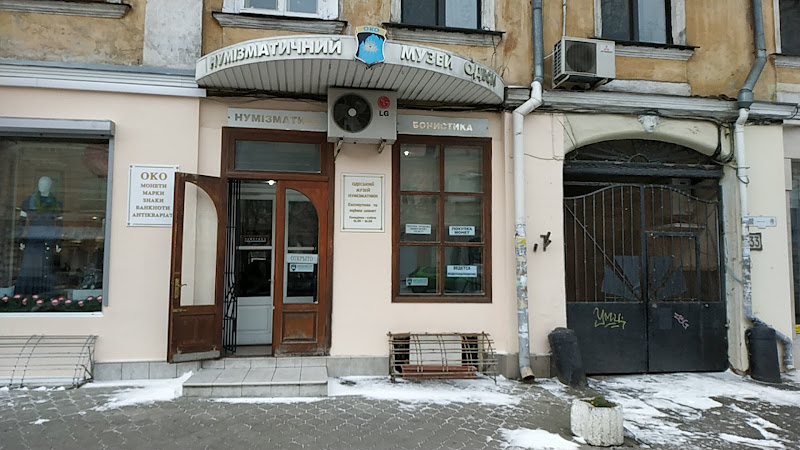
Odesa Numismatic Museum
About Odesa Numismatic Museum
If you’re even slightly into history, or just curious about the dusty stories behind those shiny coins jingling in your pocket, the Odesa Numismatic Museum offers a fascinating peek into the world of currency—past and present. This isn’t your run-of-the-mill museum where things are thrown behind glass with a tag and that’s it. Nope, here, historic coins, bills, and an array of archaeological treasures are thoughtfully displayed, giving you a tactile sense of how money and trade evolved not just in Odesa but across various cultures and epochs. It’s honestly a bit of a treasure trove for anyone who loves a good story told through metal and paper.
The museum’s charm lies partly in its unpolished, somewhat under-the-radar vibe. You won’t find swarms of tourists nor flashy exhibits wrapped in neon lights. Instead, you get to wander through halls that feel like stepping back in time, with displays that practically whisper tales of ancient merchants, pirates, and empires long gone. And, if you geek out over tiny details, you’ll appreciate the diversity on show—coins from the Roman era rub shoulders with local currency from different periods, and historic banknotes carry the faded ink of their own intriguing legacies.
But here’s the thing—while the museum is packed with fascinating artifacts, the experience can be a bit modest depending on your expectations. It’s not Disneyland for coin collectors, but rather a solid, informative stop that rewards the patient visitor. Some areas might feel a tad cramped or dated, but a win for those who prefer authenticity over flashiness. Plus, the staff are generally quite helpful and clearly passionate (which beats the robotic voices you sometimes get elsewhere).
One fun anecdote: during a visit, I overheard a little girl completely enchanted by an ancient coin displaying a strange symbol—turns out, it was a Byzantine coin, and the guide jumped in with stories about its travels across the Black Sea. Moments like that made it clear this museum can light a spark for all ages.
Key Features
- Extensive collection of historic coins, ranging from ancient Greek and Roman to modern Ukrainian pieces
- Display of rare and unique banknotes, showcasing economic history through changing notes and designs
- Archaeological relics tied closely to currency evolution and trade routes in the Odesa region
- Informative exhibits that connect coins to local history, politics, and culture
- Gallery rooms that offer a deep dive into numismatic art and symbolism
- Engaging docents and guides (on select days) who bring the exhibits alive with storytelling
- Opportunity to see actual minting tools and technology used in the production of coins, adding a hands-on learning component
Best Time to Visit
When should you pencil this spot in your itinerary? Honestly, the Odesa Numismatic Museum is pretty flexible. Odesa itself bursts with activity in the summer months, but if you want to avoid the crowds—or if you’re like me and prefer stepping inside somewhere cool and quiet when the summer sun’s blazing—aim for late spring or early autumn. The air’s fresher then, and the museum is calm enough that you won’t feel rushed or distracted by other tourists.
Weekdays are golden, especially mornings. You get a peaceful, almost private tour experience, allowing you to really soak in the details—or scribble down random thoughts about how commerce shaped this seaside city. If you visit on weekends, expect a bit more foot traffic, but the buzz can sometimes add to the atmosphere.
And don’t miss out during special exhibitions or rare coin showcases—these happen occasionally and can offer a glimpse of temporary gems not usually on display. Keep an eye out for announcements if you’re in town during off-peak seasons.
How to Get There
Getting to the museum is pretty straightforward, which is a relief when you’re juggling a packed Odesa itinerary. The museum sits comfortably close to the city center, making it easily accessible by public transport and on foot.
If you’re staying anywhere near the famous Deribasovskaya Street (which almost everyone does), a 10-15 minute stroll through Odesa’s charming streets brings you right to the doorstep. That walk alone—passing by boutique cafes, street musicians, and those flat-top boats docked nearby—sets the perfect mood before diving into the more serious business of ancient coins.
Public buses and trams frequently crawl past the area. I recommend asking your accommodation or locals to help with the exact route, as Odesa’s transit system can be a bit of a mystery if you’re relying solely on your phone. And if you’re feeling a bit more adventurous, bike rentals are a great option, letting you combine sightseeing with your museum visit.
Taxi and ride-sharing services are, of course, another option and won’t break the bank given Odesa’s reasonably priced city rides. Sometimes it’s just easier to let someone else handle the winding streets, especially if you’re juggling bags or weather that’s less than ideal.
Tips for Visiting
So, you packed your curiosity and maps, ready to see some coins up close? A few handy tips before you go can save you some hassle and crank the fun up a notch.
- Take your time: Unlike big flashy museums, this place rewards slow exploration. Don’t rush. Let yourself get lost in the details—you might catch a tiny inscription that tells a huge story.
- Ask questions: The staff might not swarm you like museum guards in tourist hotspots, but they’re usually friendly and know their stuff well—give them a shout. Bonus points if you speak a little Russian or Ukrainian, but English usually works too.
- Bring cash: Some smaller museums in Odesa have quirky little quirks—cash-only payments or small fees for photography. Better safe than sorry!
- Plan for at least an hour: You might breeze through quicker if you’re just skimming, but to really appreciate the exhibits, an hour or more is ideal.
- Watch your bags: This is not a museum overflowing with security guards, but common sense is always a must. Keep your belongings close in crowded moments.
- Consider guided tours: If you’re genuinely intrigued by numismatics, ask if there are any guided tours or talks scheduled during your visit. They really add a dimension you don’t get just wandering on your own.
- Check opening hours in advance: Odesa’s museums can sometimes have irregular hours, especially during holidays or local events.
Visiting the Odesa Numismatic Museum isn’t just about looking at coins glued behind glass; it’s about connecting with the ebb and flow of history in a way that banknotes and coins silently narrate. Whether you’re a traveler with a casual interest or an aspiring coin collector, this spot delivers a quirky slice of Odesa’s cultural fabric that’ll stay with you long after you leave.
Key Features
- Extensive collection of historic coins, ranging from ancient Greek and Roman to modern Ukrainian pieces
- Display of rare and unique banknotes, showcasing economic history through changing notes and designs
- Archaeological relics tied closely to currency evolution and trade routes in the Odesa region
- Informative exhibits that connect coins to local history, politics, and culture
- Gallery rooms that offer a deep dive into numismatic art and symbolism
- Engaging docents and guides (on select days) who bring the exhibits alive with storytelling
- Opportunity to see actual minting tools and technology used in the production of coins, adding a hands-on learning component
You Might Also Like
750 Rokiv Mistu Novohrad-Volynsʹkyy

Akvapark Terminal

Aqua Rio Park
Tours & Activities
GetYourGuide provides this tour inventory. We may earn a commission if you book through it; verify current availability, prices, and terms with the provider.
Visitor Reviews
There are no reviews yet. Be the first one to write one.
Share Your Experience
Have you visited Odesa Numismatic Museum? Help other travelers by leaving a review.