
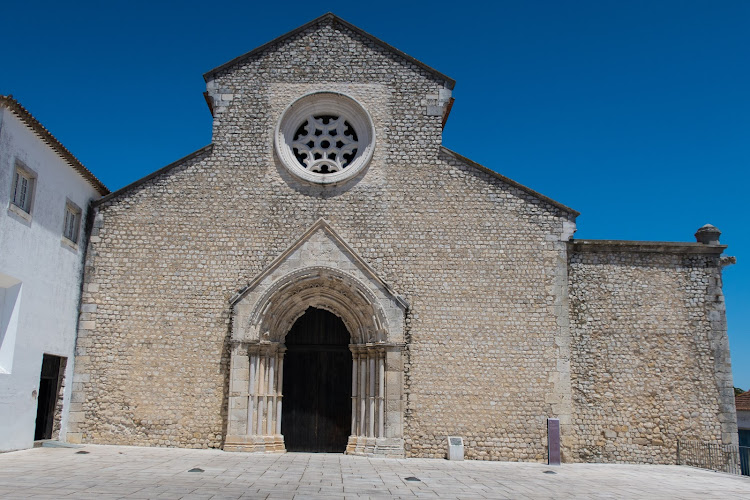
Convento de São Francisco de Santarém
About Convento de São Francisco de Santarém
Description
I’ll be honest – the Convento de São Francisco de Santarém has this utterly unique energy you won’t often find elsewhere, even in a region as packed with historic marvels as central Portugal. Part timeworn, part tranquil, part philosophical, wandering these ancient halls is a kind of pilgrimage through both Portuguese history and your own curiosities. If you’re the type who loves to run your hands across centuries-old stone (I know I do), you’re in for a treat—each surface tells a story, usually with a little bit of moss and a lot of character.
So, you step through the doors—wide, to allow wheelchairs and strollers, which is a breath of fresh air in older heritage buildings—and the hush actually feels loaded with echoes of Franciscan monks, whispered prayers, big ideas. Some places, you just get the sense they’re holding their breath. That’s the convent for you. But it’s not just spiritual in mood; it’s a feast for design lovers. Vaulted Gothic arches, light filtering from somewhere just out of sight, crumbling columns that feel as steadfast as the day they were set. There’s something satisfying about the way history here isn’t scrubbed within an inch of itself—perfection’s never the point.
If you like a little mystery mixed in with your sightseeing, your imagination’s going to have a field day. There are corners that look half-abandoned, walls thick as city ramparts, and sometimes, during quieter hours, you get sort of swallowed by the silent coolness of the cloisters. But if you’re keen for photo ops, don’t worry—those same weathered stones absolutely glow during golden hour.
And it’s not just some pretty relic left to wilt in the sun. Over the years, this place has so often reinvented itself—from a humble gathering spot for Franciscan friars, to shelter during tough times, to one time, I’m pretty sure, a bustling center for local festivities. The restoration efforts are visible but neither fussy nor fake. You get the real deal, quirks and all.
You’ll find mixed opinions about the convent; some folks expect a museum with guided tours at every turn, others are charmed by the honest, undisturbed feel of a site that hasn’t gone too commercial. Personally, I love that you can appreciate it at your own pace—there’s no cattle-herding feel. I’d argue that the Convento hits just right between “hidden gem” and “local legend.” Honestly, if you have a soft spot for slightly rough-around-the-edges heritage, add this to the top of your must-see list.
Key Features
- Gothic architecture: Awe-inspiring arches, original stonework, and ancient columns create a dramatic, timeless feel.
- Historic cloister: The peaceful courtyard cloister is perfect for a few moments of quiet or an atmospheric photo session. Trust me, the interplay of sunlight and shadow here is unforgettable.
- Accessibility: Main areas offer wheelchair-accessible entrances and parking—very uncommon for a site of this age. I always notice this because, honestly, not enough old sites do it well.
- Atmospheric chapels: Intimate side chapels still carry the faint scent of old wood and incense; some alcoves feel practically untouched for centuries.
- Event space: Occasionally hosts concerts, art exhibitions, and community gatherings. If you’re in town during an event, it’s a wild fusion of ancient acoustics and modern creativity.
- Layered history: Every inch whispers stories—from royal visits to mysterious legends concocted on windy winter nights (ask a local for their favorite tale; you won’t regret it).
- Scenic setting: Surrounded by Santarém’s sweeping city views and close to local cafes—a lovely combination for a laid-back day.
Best Time to Visit
Alright, so you’re planning your day (or your entire Portuguese adventure—more power to you!), and you’re wondering, “When’s the sweet spot to go?” Here’s the lowdown from someone who has braved both chilly mornings and full-on tourist afternoons.
If you’re after balmy weather and light crowds, late spring (April-May) or early autumn (September-early November) is your golden ticket. I’m a bit partial to early autumn myself: the sun’s still warm, but the summer heat has eased off, and you’re less likely to be fighting camera-wielding tour groups for elbow room.
Summers are bright and energetic, and yes—also sweat-inducing. If you don’t mind company and want that classic “European summer” glow in your holiday snaps, July and August have a festive buzz. But bring water, and maybe schedule your stop for early morning or late afternoon. The stone walls work their magic, staying cool for quite a while (one of the convent’s many perks).
Winter? Surprisingly lovely, especially if you’re not a sun chaser. The eerie mists that sometimes roll off the Tagus River give the whole place an ethereal vibe. Just know the weather can turn on a dime—so layer up.
And, not to be a broken record, but check ahead for special events. Every so often a music night or cultural fest will breathe new life into the space, making your visit all the more memorable.
How to Get There
Finding the Convento de São Francisco de Santarém isn’t rocket science, but my first time—I'll admit—I did overshoot the turn and wound up circling for a while. Here’s the best way, so you don’t make my mistakes.
If you’re coming by car, let your GPS do the heavy lifting, but also keep your eyes peeled for local brown tourist signs—those little markers are your best friend. There’s wheelchair-accessible parking, a real rarity for a centuries-old site, which is fantastic if you’re traveling with someone who needs it (or with strollers in tow; I’ve been there, trust me).
Taking public transport? The main train station isn’t too far off—just a short taxi or local bus ride. I usually prefer walking (if the weather’s behaving), as the winding streets of Santarém itself are an experience. Frankly, it’s almost impossible not to stumble upon a charming cafe or a bakery offering dangerously good pastries en route.
Once at the convent, always double-check signage at the entrance for current hours. They sometimes shift with the season or special events, and you really don’t want that “locked door” feeling after the anticipation of finally getting there.
Tips for Visiting
Alright, let’s get down to brass tacks. If you want your trip to the Convento to go from good to unforgettable, here’s what I wish I’d known my first time—and what experience has taught me since.
- Wear sensible shoes. Those beautiful old stones are not friendly to high heels or slippery-soled sandals. I once saw someone try—let’s just say it wasn’t pretty.
- Time your visit. Early morning is best if you want peace and that magical, slanted sunlight photographers go wild for. Late afternoon is equally enchanting and far less crowded.
- Pack light, but bring water. The convent is spacious but not overloaded with amenities. You’ll want a bottle, especially in the summer months—hydration over heroics.
- Check for events. If you can, try aligning your visit with a local concert or exhibition. There’s nothing quite like hearing live music echo through those ancient halls.
- Ask questions. Don’t be shy about chatting with staff or fellow visitors. My last trip, I ended up on an impromptu history lesson with a local guide who was clearly in love with the place—it made all the difference.
- Be mindful with photos. Photography is usually allowed, but flash isn’t. And trust me, you honestly don’t need it—the ambient light is the real showstopper.
- Respect the space. This isn’t just a tourist stop; it’s a historical treasure and, for some, a sacred spot. Quick tip: speaking in low tones helps keep the mood.
- Explore the neighborhood. Before or after, wander the old streets nearby, grab a coffee, and soak up Santarém’s understated charm. The city’s got its rhythm, with all kinds of little discoveries waiting if you’re willing to stray a bit off the main drag.
Last but not least—take your time. The Convento de São Francisco is the sort of place that rewards curiosity and a slow pace. Let your mind wander, let your feet do the same, and you’ll leave with stories you couldn’t have planned for (and
Key Features
- Key Features
- Best Time to Visit
- How to Get There
- Tips for Visiting
More Details
Updated June 8, 2025
Table of Contents
- Description
- Key Features
- Best Time to Visit
- How to Get There
- Tips for Visiting
- Key Highlights
- Location
- Places to Stay Near Convento de São Francisco de Santarém
- Find and Book a Tour
- Explore More Travel Guides
- Nearby Places You Might Like
- Traveler Reviews for Convento de São Francisco de Santarém
- Share Your Experience
Description
I’ll be honest – the Convento de São Francisco de Santarém has this utterly unique energy you won’t often find elsewhere, even in a region as packed with historic marvels as central Portugal. Part timeworn, part tranquil, part philosophical, wandering these ancient halls is a kind of pilgrimage through both Portuguese history and your own curiosities. If you’re the type who loves to run your hands across centuries-old stone (I know I do), you’re in for a treat—each surface tells a story, usually with a little bit of moss and a lot of character.
So, you step through the doors—wide, to allow wheelchairs and strollers, which is a breath of fresh air in older heritage buildings—and the hush actually feels loaded with echoes of Franciscan monks, whispered prayers, big ideas. Some places, you just get the sense they’re holding their breath. That’s the convent for you. But it’s not just spiritual in mood; it’s a feast for design lovers. Vaulted Gothic arches, light filtering from somewhere just out of sight, crumbling columns that feel as steadfast as the day they were set. There’s something satisfying about the way history here isn’t scrubbed within an inch of itself—perfection’s never the point.
If you like a little mystery mixed in with your sightseeing, your imagination’s going to have a field day. There are corners that look half-abandoned, walls thick as city ramparts, and sometimes, during quieter hours, you get sort of swallowed by the silent coolness of the cloisters. But if you’re keen for photo ops, don’t worry—those same weathered stones absolutely glow during golden hour.
And it’s not just some pretty relic left to wilt in the sun. Over the years, this place has so often reinvented itself—from a humble gathering spot for Franciscan friars, to shelter during tough times, to one time, I’m pretty sure, a bustling center for local festivities. The restoration efforts are visible but neither fussy nor fake. You get the real deal, quirks and all.
You’ll find mixed opinions about the convent; some folks expect a museum with guided tours at every turn, others are charmed by the honest, undisturbed feel of a site that hasn’t gone too commercial. Personally, I love that you can appreciate it at your own pace—there’s no cattle-herding feel. I’d argue that the Convento hits just right between “hidden gem” and “local legend.” Honestly, if you have a soft spot for slightly rough-around-the-edges heritage, add this to the top of your must-see list.
Key Features
- Gothic architecture: Awe-inspiring arches, original stonework, and ancient columns create a dramatic, timeless feel.
- Historic cloister: The peaceful courtyard cloister is perfect for a few moments of quiet or an atmospheric photo session. Trust me, the interplay of sunlight and shadow here is unforgettable.
- Accessibility: Main areas offer wheelchair-accessible entrances and parking—very uncommon for a site of this age. I always notice this because, honestly, not enough old sites do it well.
- Atmospheric chapels: Intimate side chapels still carry the faint scent of old wood and incense; some alcoves feel practically untouched for centuries.
- Event space: Occasionally hosts concerts, art exhibitions, and community gatherings. If you’re in town during an event, it’s a wild fusion of ancient acoustics and modern creativity.
- Layered history: Every inch whispers stories—from royal visits to mysterious legends concocted on windy winter nights (ask a local for their favorite tale; you won’t regret it).
- Scenic setting: Surrounded by Santarém’s sweeping city views and close to local cafes—a lovely combination for a laid-back day.
Best Time to Visit
Alright, so you’re planning your day (or your entire Portuguese adventure—more power to you!), and you’re wondering, “When’s the sweet spot to go?” Here’s the lowdown from someone who has braved both chilly mornings and full-on tourist afternoons.
If you’re after balmy weather and light crowds, late spring (April-May) or early autumn (September-early November) is your golden ticket. I’m a bit partial to early autumn myself: the sun’s still warm, but the summer heat has eased off, and you’re less likely to be fighting camera-wielding tour groups for elbow room.
Summers are bright and energetic, and yes—also sweat-inducing. If you don’t mind company and want that classic “European summer” glow in your holiday snaps, July and August have a festive buzz. But bring water, and maybe schedule your stop for early morning or late afternoon. The stone walls work their magic, staying cool for quite a while (one of the convent’s many perks).
Winter? Surprisingly lovely, especially if you’re not a sun chaser. The eerie mists that sometimes roll off the Tagus River give the whole place an ethereal vibe. Just know the weather can turn on a dime—so layer up.
And, not to be a broken record, but check ahead for special events. Every so often a music night or cultural fest will breathe new life into the space, making your visit all the more memorable.
How to Get There
Finding the Convento de São Francisco de Santarém isn’t rocket science, but my first time—I’ll admit—I did overshoot the turn and wound up circling for a while. Here’s the best way, so you don’t make my mistakes.
If you’re coming by car, let your GPS do the heavy lifting, but also keep your eyes peeled for local brown tourist signs—those little markers are your best friend. There’s wheelchair-accessible parking, a real rarity for a centuries-old site, which is fantastic if you’re traveling with someone who needs it (or with strollers in tow; I’ve been there, trust me).
Taking public transport? The main train station isn’t too far off—just a short taxi or local bus ride. I usually prefer walking (if the weather’s behaving), as the winding streets of Santarém itself are an experience. Frankly, it’s almost impossible not to stumble upon a charming cafe or a bakery offering dangerously good pastries en route.
Once at the convent, always double-check signage at the entrance for current hours. They sometimes shift with the season or special events, and you really don’t want that “locked door” feeling after the anticipation of finally getting there.
Tips for Visiting
Alright, let’s get down to brass tacks. If you want your trip to the Convento to go from good to unforgettable, here’s what I wish I’d known my first time—and what experience has taught me since.
- Wear sensible shoes. Those beautiful old stones are not friendly to high heels or slippery-soled sandals. I once saw someone try—let’s just say it wasn’t pretty.
- Time your visit. Early morning is best if you want peace and that magical, slanted sunlight photographers go wild for. Late afternoon is equally enchanting and far less crowded.
- Pack light, but bring water. The convent is spacious but not overloaded with amenities. You’ll want a bottle, especially in the summer months—hydration over heroics.
- Check for events. If you can, try aligning your visit with a local concert or exhibition. There’s nothing quite like hearing live music echo through those ancient halls.
- Ask questions. Don’t be shy about chatting with staff or fellow visitors. My last trip, I ended up on an impromptu history lesson with a local guide who was clearly in love with the place—it made all the difference.
- Be mindful with photos. Photography is usually allowed, but flash isn’t. And trust me, you honestly don’t need it—the ambient light is the real showstopper.
- Respect the space. This isn’t just a tourist stop; it’s a historical treasure and, for some, a sacred spot. Quick tip: speaking in low tones helps keep the mood.
- Explore the neighborhood. Before or after, wander the old streets nearby, grab a coffee, and soak up Santarém’s understated charm. The city’s got its rhythm, with all kinds of little discoveries waiting if you’re willing to stray a bit off the main drag.
Last but not least—take your time. The Convento de São Francisco is the sort of place that rewards curiosity and a slow pace. Let your mind wander, let your feet do the same, and you’ll leave with stories you couldn’t have planned for (and
Key Highlights
- Key Features
- Best Time to Visit
- How to Get There
- Tips for Visiting
Location
Places to Stay Near Convento de São Francisco de Santarém
Find and Book a Tour
Explore More Travel Guides
No reviews found! Be the first to review!
Traveler Reviews for Convento de São Francisco de Santarém
There are no reviews yet. Be the first one to write one.
Have you visited Convento de São Francisco de Santarém? Help other travelers by sharing your review.
You Might Also Like
Albufeira dos Patudos

Casa Museu Passos Canavarro
Estátua de D. Fernando
Find Accommodations Nearby
Recommended Tours & Activities
Visitor Reviews
There are no reviews yet. Be the first one to write one.
Share Your Experience
Have you visited Convento de São Francisco de Santarém? Help other travelers by leaving a review.