
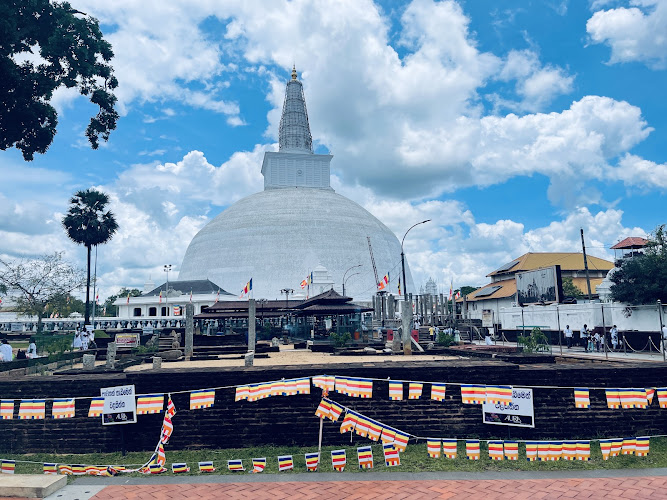
Maha Viharaya, Anuradhapura
About Maha Viharaya, Anuradhapura
Description
Let me take you on a mental stroll through the Maha Viharaya in Anuradhapura—a Buddhist temple complex humming quietly with stories you won’t find on the average tourist list. I remember my first visit years ago; I wandered, somewhat aimlessly, under a staggering blue sky, ancient stones warm beneath my feet. Sometimes, you think you’ve seen it all, but Maha Viharaya keeps some secrets up its sleeve. It’s not just another pile of ruins; it’s an actual, living monument. Monks shuffle about in muted-orange robes, going about their routines without fanfare, often smiling kindly at curious wanderers (like me—you’ll see!).
This site is one of the pillars of the Anuradhapura sacred city, itself a UNESCO World Heritage Site and arguably one of Sri Lanka’s cultural hearts. Maha Viharaya doesn’t overwhelm you with excessive grandeur at first glance. Instead, it’s quietly impressive—old stone, weathered by centuries of faith, with intricate carvings and persistently fluttering prayer flags. Genuine, active worship pulses here, with locals and international travelers mingling beneath Bodhi trees and in prayer halls.
But here’s the thing you might not read elsewhere: it isn’t all serenity and incense. Sometimes, there’s an almost electric tension, an energy that makes you want to pause and think, “What happened here over those thousands of years?” The Maha Viharaya has stood as a spiritual and scholarly powerhouse since the 3rd century BCE (yeah, it’s really that old), persevering through invasions, rediscoveries, and the ebb and flow of empires. To walk here is to wander inside a living timeline.
Accessibility really impressed me. Whether you use a wheelchair or just require a smoother pathway, the entrance and parking lot make visiting straightforward. Not everywhere in Sri Lanka is as accommodating, a small but mighty detail if you ask me. The vibe—calm, inviting, and never too crowded during most hours—gives you space to breathe, explore, and reflect.
Key Features
- Historic Roots: Maha Viharaya serves as a key historical home for Theravāda Buddhism, dating back over 2,200 years. The sense of continuity honestly gives me goosebumps.
- Active Monastic Life: You’ll spot robed monks moving peacefully about, sometimes guiding ceremonies or offering blessings, altogether adding authenticity and depth you just can’t fake.
- Artistic Stonework: Ancient, intricately carved guard stones, moonstones, and pillars reveal the masterful artistry of ages past. Keep an eye out for floral patterns, mythical beasts, and historical scripts—the details are wild if you take your time.
- Meditation Nooks: Quiet shaded courtyards and sanctuaries that seem perfect if you want a genuine moment of reflection—or just a tranquil nap without anyone judging.
- Accessible Facilities: Both the entrance and the parking area are wheelchair accessible. As I mentioned, not every heritage site in the region makes access this easy.
- Spiritual Ceremonies: Hourly rituals, especially on Poya (full moon) days, draw crowds for stunning processions and age-old traditions. There’s incense, chanting, and an energy that’ll stick with you long after your visit.
- Lush Surroundings: The temple is encircled by centuries-old trees and tidy gardens, offering some much-needed shade and a perch for curious monkeys—keep your food zipped up tight!
- Rich Library Holdings: While lesser-known, there’s a treasure trove of ancient manuscripts and scholarly records. Some areas are off-limits, but it’s cool knowing you’re footsteps away from timeless wisdom.
Best Time to Visit
If you ask a local monk, they might say there’s never a wrong time to visit Maha Viharaya. But, in my humble, sweat-sensitive opinion, the ideal time is between January and April or August to early October. During these months, the weather is more forgiving—warm, but less muggy, and sudden downpours are rare. The temple grounds are open year-round and are photogenic even in drizzle (not joking, the moss glows neon after a rain shower!).
Festivals and full moon days (Poya) are especially magical—colorful processions, floral offerings, and shrouds of incense in the air. But, and it’s a big but, these days also attract more visitors and busloads of pilgrims. If solitude is your jam, aim for a weekday morning. I once spent a Tuesday morning with just three stray cats and my own thoughts for company. Weekdays also tend to be cooler, lending extra comfort if you’re spending hours wandering in and out of halls.
Pro tip: Early mornings mean gentle sunlight, shorter shadows, and the chance to watch real day-to-day temple life unfold, without feeling like you’re in someone’s way. The golden hour here is—no exaggeration—next level for anyone with a camera.
How to Get There
You’ve got options. Lots, actually. Anuradhapura is quite well-connected, no matter how you prefer to roll. If you’re on the Sri Lankan transport grind, grab a train bound for Anuradhapura Railway Station—it’s one of those classic, slightly chaotic South Asian train journeys and always an adventure. From the station, hop in a tuk-tuk (negotiate the fare before getting in!) or arrange a taxi. You’ll be at Maha Viharaya in about 10-15 minutes, traffic permitting.
Coming by road? The A12 and A28 highways snake their way through the city, leading directly toward the ancient district where the temple is located. Renting a scooter or bicycle is a fun move if you don’t mind sharing the road with cows, monks, and the odd monkey leaping from tree to tree. Biking gives you freedom to swerve off the tourist path, literally and figuratively—I’ve ended up chancing across brilliant little tea stalls and friendly locals just by pedalling a bit further.
For accessibility, there are ramps and wider entry points from the main parking area, so if mobility is a concern, you’re in good hands. The roads around the sacred city can be a tangle of pedestrians, carts, and the occasional wedding procession, so plan for the unexpected—getting lost is part of the charm.
Tips for Visiting
Okay, here’s where those “wish I’d known before” tips come in handy (learned from more than one slightly embarrassing mistake):
- Dress modestly: Knee-length skirts or trousers and covered shoulders are a must (for all genders). I’ve seen more than one traveler gently—but firmly—turned away for showing too much skin. Bring a shawl if you’re unsure.
- Shoes off: Before entering temple halls or shrines, you’ll need to remove your shoes. If you’re precious about your socks, bring an extra pair for the walk about. The stone gets hot by noon.
- Stay hydrated: The sun here is a different beast. Carry a reusable water bottle; there are a few shaded rest points, but not always a shop in sight.
- Mind the monkeys: They’re cute but crafty. Keep snacks zipped away and watch your belongings—seriously, nothing outsmarts a determined macaque.
- Photography etiquette: Photos are encouraged (and you’ll snap plenty), but avoid pointing lenses during ceremonies or meditation sessions. Ask permission if monks appear in your frame.
- Be respectful: Silence your phone and keep conversation hushed, especially in the inner sanctuaries. The locals take temple etiquette to heart.
- Take your time: Don’t rush from spot to spot. The real magic is often in the slow moments—like scent of jasmine, or a grandmother teaching her grandson the right way to make an offering. Watch, listen, and let yourself slip into the pace of the place.
- Learn a little: Read up on the history before you arrive—or ask around on site. Younger monks sometimes love a chat about the temple’s backstory and will share insights you won’t find printed anywhere.
- Beware of guides: Official guides can be helpful, but occasionally, an enterprising “expert” will offer a tour at a premium price. Always ask for ID or inquire at the entrance for an accredited guide if you want the best info.
To sum it up in a not-so-neat bow: Maha Viharaya is about more than history lessons or photo ops, though it excels at both. It’s a place for wandering, wondering, and maybe dusting off that curious part of yourself that gets buried in busy everyday life. Bring your open mind, respect local customs, and—if you’re like me—you’ll leave feeling just a little bit changed. Maybe even inspired. And honestly? Isn’t that the best kind of travel memory you can bring home?
Key Features
- Key Features
- Best Time to Visit
- How to Get There
- Tips for Visiting
More Details
Updated June 8, 2025
Table of Contents
Description
Let me take you on a mental stroll through the Maha Viharaya in Anuradhapura—a Buddhist temple complex humming quietly with stories you won’t find on the average tourist list. I remember my first visit years ago; I wandered, somewhat aimlessly, under a staggering blue sky, ancient stones warm beneath my feet. Sometimes, you think you’ve seen it all, but Maha Viharaya keeps some secrets up its sleeve. It’s not just another pile of ruins; it’s an actual, living monument. Monks shuffle about in muted-orange robes, going about their routines without fanfare, often smiling kindly at curious wanderers (like me—you’ll see!).
This site is one of the pillars of the Anuradhapura sacred city, itself a UNESCO World Heritage Site and arguably one of Sri Lanka’s cultural hearts. Maha Viharaya doesn’t overwhelm you with excessive grandeur at first glance. Instead, it’s quietly impressive—old stone, weathered by centuries of faith, with intricate carvings and persistently fluttering prayer flags. Genuine, active worship pulses here, with locals and international travelers mingling beneath Bodhi trees and in prayer halls.
But here’s the thing you might not read elsewhere: it isn’t all serenity and incense. Sometimes, there’s an almost electric tension, an energy that makes you want to pause and think, “What happened here over those thousands of years?” The Maha Viharaya has stood as a spiritual and scholarly powerhouse since the 3rd century BCE (yeah, it’s really that old), persevering through invasions, rediscoveries, and the ebb and flow of empires. To walk here is to wander inside a living timeline.
Accessibility really impressed me. Whether you use a wheelchair or just require a smoother pathway, the entrance and parking lot make visiting straightforward. Not everywhere in Sri Lanka is as accommodating, a small but mighty detail if you ask me. The vibe—calm, inviting, and never too crowded during most hours—gives you space to breathe, explore, and reflect.
Key Features
- Historic Roots: Maha Viharaya serves as a key historical home for Theravāda Buddhism, dating back over 2,200 years. The sense of continuity honestly gives me goosebumps.
- Active Monastic Life: You’ll spot robed monks moving peacefully about, sometimes guiding ceremonies or offering blessings, altogether adding authenticity and depth you just can’t fake.
- Artistic Stonework: Ancient, intricately carved guard stones, moonstones, and pillars reveal the masterful artistry of ages past. Keep an eye out for floral patterns, mythical beasts, and historical scripts—the details are wild if you take your time.
- Meditation Nooks: Quiet shaded courtyards and sanctuaries that seem perfect if you want a genuine moment of reflection—or just a tranquil nap without anyone judging.
- Accessible Facilities: Both the entrance and the parking area are wheelchair accessible. As I mentioned, not every heritage site in the region makes access this easy.
- Spiritual Ceremonies: Hourly rituals, especially on Poya (full moon) days, draw crowds for stunning processions and age-old traditions. There’s incense, chanting, and an energy that’ll stick with you long after your visit.
- Lush Surroundings: The temple is encircled by centuries-old trees and tidy gardens, offering some much-needed shade and a perch for curious monkeys—keep your food zipped up tight!
- Rich Library Holdings: While lesser-known, there’s a treasure trove of ancient manuscripts and scholarly records. Some areas are off-limits, but it’s cool knowing you’re footsteps away from timeless wisdom.
Best Time to Visit
If you ask a local monk, they might say there’s never a wrong time to visit Maha Viharaya. But, in my humble, sweat-sensitive opinion, the ideal time is between January and April or August to early October. During these months, the weather is more forgiving—warm, but less muggy, and sudden downpours are rare. The temple grounds are open year-round and are photogenic even in drizzle (not joking, the moss glows neon after a rain shower!).
Festivals and full moon days (Poya) are especially magical—colorful processions, floral offerings, and shrouds of incense in the air. But, and it’s a big but, these days also attract more visitors and busloads of pilgrims. If solitude is your jam, aim for a weekday morning. I once spent a Tuesday morning with just three stray cats and my own thoughts for company. Weekdays also tend to be cooler, lending extra comfort if you’re spending hours wandering in and out of halls.
Pro tip: Early mornings mean gentle sunlight, shorter shadows, and the chance to watch real day-to-day temple life unfold, without feeling like you’re in someone’s way. The golden hour here is—no exaggeration—next level for anyone with a camera.
How to Get There
You’ve got options. Lots, actually. Anuradhapura is quite well-connected, no matter how you prefer to roll. If you’re on the Sri Lankan transport grind, grab a train bound for Anuradhapura Railway Station—it’s one of those classic, slightly chaotic South Asian train journeys and always an adventure. From the station, hop in a tuk-tuk (negotiate the fare before getting in!) or arrange a taxi. You’ll be at Maha Viharaya in about 10-15 minutes, traffic permitting.
Coming by road? The A12 and A28 highways snake their way through the city, leading directly toward the ancient district where the temple is located. Renting a scooter or bicycle is a fun move if you don’t mind sharing the road with cows, monks, and the odd monkey leaping from tree to tree. Biking gives you freedom to swerve off the tourist path, literally and figuratively—I’ve ended up chancing across brilliant little tea stalls and friendly locals just by pedalling a bit further.
For accessibility, there are ramps and wider entry points from the main parking area, so if mobility is a concern, you’re in good hands. The roads around the sacred city can be a tangle of pedestrians, carts, and the occasional wedding procession, so plan for the unexpected—getting lost is part of the charm.
Tips for Visiting
Okay, here’s where those “wish I’d known before” tips come in handy (learned from more than one slightly embarrassing mistake):
- Dress modestly: Knee-length skirts or trousers and covered shoulders are a must (for all genders). I’ve seen more than one traveler gently—but firmly—turned away for showing too much skin. Bring a shawl if you’re unsure.
- Shoes off: Before entering temple halls or shrines, you’ll need to remove your shoes. If you’re precious about your socks, bring an extra pair for the walk about. The stone gets hot by noon.
- Stay hydrated: The sun here is a different beast. Carry a reusable water bottle; there are a few shaded rest points, but not always a shop in sight.
- Mind the monkeys: They’re cute but crafty. Keep snacks zipped away and watch your belongings—seriously, nothing outsmarts a determined macaque.
- Photography etiquette: Photos are encouraged (and you’ll snap plenty), but avoid pointing lenses during ceremonies or meditation sessions. Ask permission if monks appear in your frame.
- Be respectful: Silence your phone and keep conversation hushed, especially in the inner sanctuaries. The locals take temple etiquette to heart.
- Take your time: Don’t rush from spot to spot. The real magic is often in the slow moments—like scent of jasmine, or a grandmother teaching her grandson the right way to make an offering. Watch, listen, and let yourself slip into the pace of the place.
- Learn a little: Read up on the history before you arrive—or ask around on site. Younger monks sometimes love a chat about the temple’s backstory and will share insights you won’t find printed anywhere.
- Beware of guides: Official guides can be helpful, but occasionally, an enterprising “expert” will offer a tour at a premium price. Always ask for ID or inquire at the entrance for an accredited guide if you want the best info.
To sum it up in a not-so-neat bow: Maha Viharaya is about more than history lessons or photo ops, though it excels at both. It’s a place for wandering, wondering, and maybe dusting off that curious part of yourself that gets buried in busy everyday life. Bring your open mind, respect local customs, and—if you’re like me—you’ll leave feeling just a little bit changed. Maybe even inspired. And honestly? Isn’t that the best kind of travel memory you can bring home?
Key Highlights
- Key Features
- Best Time to Visit
- How to Get There
- Tips for Visiting
Location
Places to Stay Near Maha Viharaya, Anuradhapura
Find and Book a Tour
Explore More Travel Guides
No reviews found! Be the first to review!
Traveler Reviews for Maha Viharaya, Anuradhapura
There are no reviews yet. Be the first one to write one.
Have you visited Maha Viharaya, Anuradhapura? Help other travelers by sharing your review.
You Might Also Like
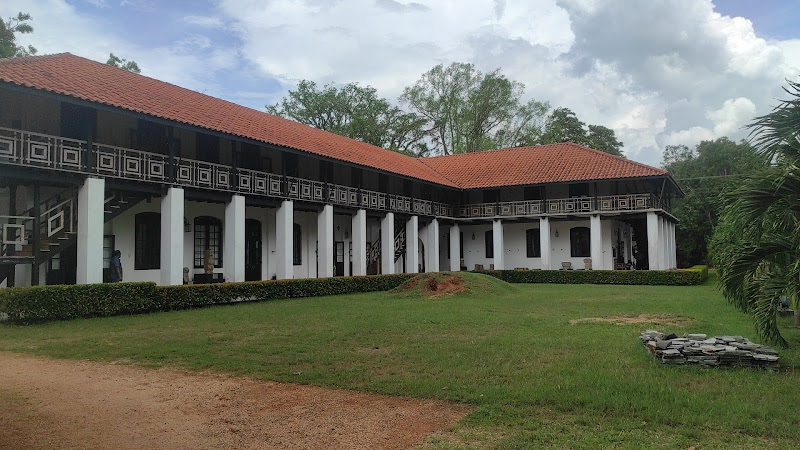
Archaeological Museum, Anuradhapura
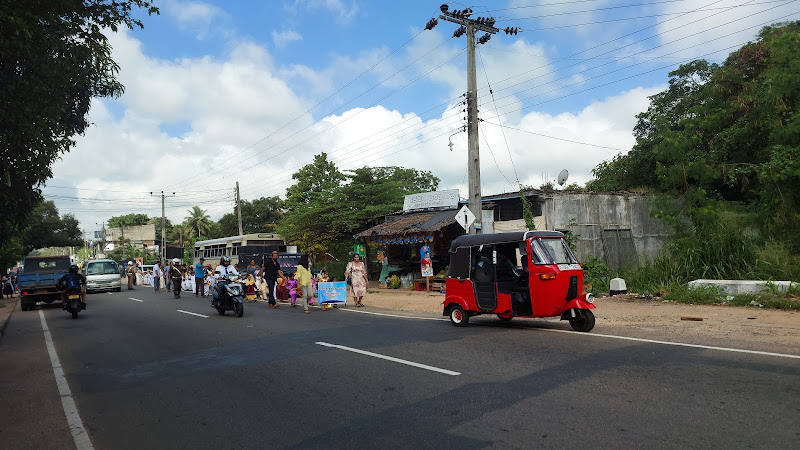
Yapane Handiya – යාපනේ හන්දිය
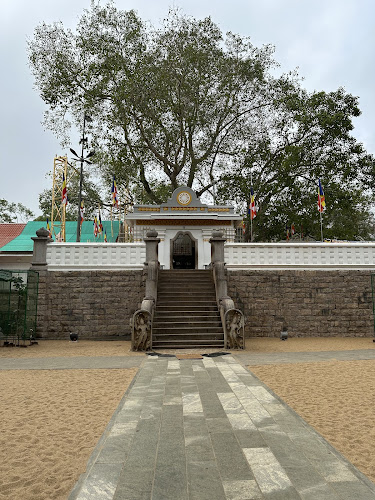
Sri Maha Bodhi
Find Accommodations Nearby
Recommended Tours & Activities
Visitor Reviews
There are no reviews yet. Be the first one to write one.
Share Your Experience
Have you visited Maha Viharaya, Anuradhapura? Help other travelers by leaving a review.