
Parque Nacional Manglares de Old Point
About Parque Nacional Manglares de Old Point
Description
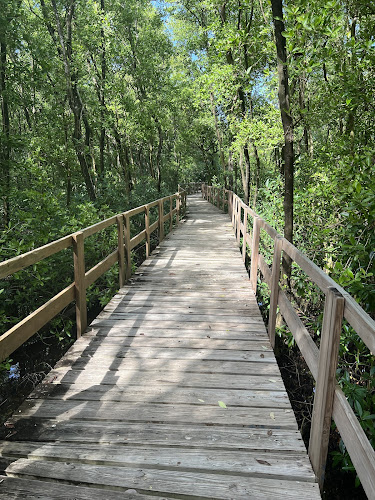
Located on the eastern side of San Andrés Island, Colombia, the Parque Nacional Manglares de Old Point is a stunning ecological sanctuary that showcases one of the Caribbean's most fascinating mangrove ecosystems. This natural wonderland, spanning between Hooker and Haynes bays, offers visitors a glimpse into a thriving coastal habitat where three distinct species of mangroves create an intricate web of life. Y'know what's really cool about this place? It's not your typical tourist trap. Instead, you'll find yourself immersed in a genuine natural experience where mejillones (that's mussels for the non-Spanish speakers among us), scurrying crabs, and sunbathing iguanas make their home. And don't even get me started on the birds - both local residents and migratory visitors put on quite a show!Key Features
• A well-maintained ecological trail stretching 1.03 kilometers • Three strategically placed lookout points offering panoramic views of the mangrove system • Natural habitat for diverse wildlife including iguanas, lizards, and endemic bird species • Educational signage explaining the ecosystem's importance • Professional guides available for enhanced learning experience • Protected breeding grounds for local marine life • Crystal-clear waters perfect for observing underwater ecosystems • Shaded walking paths providing relief from the Caribbean sun • Multiple photo opportunities from elevated viewing platforms • Interactive nature experiences suitable for all age groupsBest Time to Visit
I've found that early mornings are absolutely magical here - the wildlife is most active and the temperatures are pleasantly cool. Aim to arrive between 7 AM and 9 AM when the park first opens. The light during these hours is perfect for photography, and you'll catch glimpses of birds feeding in the shallow waters. The dry season, from December to April, offers the most comfortable conditions for exploring the park. But honestly? There's something special about visiting during the greener months too - just pack a light raincoat and embrace the occasional shower. Weekdays tend to be less crowded than weekends, giving you more space to soak in the natural beauty without feeling rushed.How to Get There
Getting to Old Point Mangroves is pretty straightforward. From the main area of San Andrés, you can hop on a local bus that heads toward the eastern side of the island. The journey typically takes about 15-20 minutes, and the drivers usually know exactly where to drop visitors off for the park entrance. If you're feeling more independent, renting a scooter or golf cart is a fantastic option - it gives you the freedom to explore at your own pace and maybe even check out some of the nearby beaches afterward. Taxis are readily available too, though they're a pricier option. Just make sure to arrange your return trip in advance since cabs can be scarce in this area.Tips for Visiting
Listen up, because these tips will make your visit so much better! First off, wear comfortable walking shoes - and I mean actually comfortable, not those cute but impractical sandals. The boardwalk might be well-maintained, but you'll be doing quite a bit of walking. Bring plenty of water and some snacks. There aren't any shops inside the park, and trust me, you'll want to stay hydrated in that Caribbean heat. A good insect repellent is your best friend here - those little buggers can be quite persistent around the mangroves. The guided tours last about an hour and a half, which is perfect for getting the full experience without wearing yourself out. Carry some cash for the entrance fee and guide tips. Oh, and don't forget your camera - the wildlife here can be surprisingly photogenic when you least expect it. Time your visit with the tide schedule if possible. Lower tides reveal more of the marine life around the mangrove roots, giving you a better chance to spot some of the park's more elusive residents. And one last thing - bring a small backpack to carry your essentials, leaving your hands free for those inevitable photo opportunities and steadying yourself on the walkways. Remember to respect the environment - this isn't just a tourist spot, it's a living ecosystem. Stay on marked paths, keep your voice down (especially during early morning wildlife watching), and take any trash with you when you leave. The park's future depends on responsible visitors like you!Key Features
- Key Features
- Best Time to Visit
- How to Get There
- Tips for Visiting
More Details
Updated June 22, 2025
Table of Contents
- Description
- Key Features
- Best Time to Visit
- How to Get There
- Tips for Visiting
- Key Highlights
- Location
- Places to Stay Near Parque Nacional Manglares de Old Point
- Find and Book a Tour
- Explore More Travel Guides
- Nearby Places You Might Like
- Traveler Reviews for Parque Nacional Manglares de Old Point
- Share Your Experience
Description
Located on the eastern side of San Andrés Island, Colombia, the Parque Nacional Manglares de Old Point is a stunning ecological sanctuary that showcases one of the Caribbean’s most fascinating mangrove ecosystems. This natural wonderland, spanning between Hooker and Haynes bays, offers visitors a glimpse into a thriving coastal habitat where three distinct species of mangroves create an intricate web of life.
Y’know what’s really cool about this place? It’s not your typical tourist trap. Instead, you’ll find yourself immersed in a genuine natural experience where mejillones (that’s mussels for the non-Spanish speakers among us), scurrying crabs, and sunbathing iguanas make their home. And don’t even get me started on the birds – both local residents and migratory visitors put on quite a show!
Key Features
• A well-maintained ecological trail stretching 1.03 kilometers
• Three strategically placed lookout points offering panoramic views of the mangrove system
• Natural habitat for diverse wildlife including iguanas, lizards, and endemic bird species
• Educational signage explaining the ecosystem’s importance
• Professional guides available for enhanced learning experience
• Protected breeding grounds for local marine life
• Crystal-clear waters perfect for observing underwater ecosystems
• Shaded walking paths providing relief from the Caribbean sun
• Multiple photo opportunities from elevated viewing platforms
• Interactive nature experiences suitable for all age groups
Best Time to Visit
I’ve found that early mornings are absolutely magical here – the wildlife is most active and the temperatures are pleasantly cool. Aim to arrive between 7 AM and 9 AM when the park first opens. The light during these hours is perfect for photography, and you’ll catch glimpses of birds feeding in the shallow waters.
The dry season, from December to April, offers the most comfortable conditions for exploring the park. But honestly? There’s something special about visiting during the greener months too – just pack a light raincoat and embrace the occasional shower. Weekdays tend to be less crowded than weekends, giving you more space to soak in the natural beauty without feeling rushed.
How to Get There
Getting to Old Point Mangroves is pretty straightforward. From the main area of San Andrés, you can hop on a local bus that heads toward the eastern side of the island. The journey typically takes about 15-20 minutes, and the drivers usually know exactly where to drop visitors off for the park entrance.
If you’re feeling more independent, renting a scooter or golf cart is a fantastic option – it gives you the freedom to explore at your own pace and maybe even check out some of the nearby beaches afterward. Taxis are readily available too, though they’re a pricier option. Just make sure to arrange your return trip in advance since cabs can be scarce in this area.
Tips for Visiting
Listen up, because these tips will make your visit so much better! First off, wear comfortable walking shoes – and I mean actually comfortable, not those cute but impractical sandals. The boardwalk might be well-maintained, but you’ll be doing quite a bit of walking.
Bring plenty of water and some snacks. There aren’t any shops inside the park, and trust me, you’ll want to stay hydrated in that Caribbean heat. A good insect repellent is your best friend here – those little buggers can be quite persistent around the mangroves.
The guided tours last about an hour and a half, which is perfect for getting the full experience without wearing yourself out. Carry some cash for the entrance fee and guide tips. Oh, and don’t forget your camera – the wildlife here can be surprisingly photogenic when you least expect it.
Time your visit with the tide schedule if possible. Lower tides reveal more of the marine life around the mangrove roots, giving you a better chance to spot some of the park’s more elusive residents. And one last thing – bring a small backpack to carry your essentials, leaving your hands free for those inevitable photo opportunities and steadying yourself on the walkways.
Remember to respect the environment – this isn’t just a tourist spot, it’s a living ecosystem. Stay on marked paths, keep your voice down (especially during early morning wildlife watching), and take any trash with you when you leave. The park’s future depends on responsible visitors like you!
Key Highlights
- Key Features
- Best Time to Visit
- How to Get There
- Tips for Visiting
Location
Places to Stay Near Parque Nacional Manglares de Old Point
Find and Book a Tour
Explore More Travel Guides
No reviews found! Be the first to review!
Traveler Reviews for Parque Nacional Manglares de Old Point
There are no reviews yet. Be the first one to write one.
Have you visited Parque Nacional Manglares de Old Point? Help other travelers by sharing your review.
You Might Also Like
Hoyo Soplador
Laguna Big Pond

Playa Spratt Bight
Find Accommodations Nearby
Recommended Tours & Activities
Visitor Reviews
There are no reviews yet. Be the first one to write one.
Share Your Experience
Have you visited Parque Nacional Manglares de Old Point? Help other travelers by leaving a review.