

open art museum
About open art museum
Description
Here's the thing about the open art museum—this isn't your starchy, white-walled, ropes-and-guards sort of place. We're talking about a space that genuinely challenges what we think art is, where it comes from, and who gets to make it. I mean, I've visited plenty of museums where you have to tiptoe and whisper, eyeing the paintings from a distance. But here, you feel something different the moment you step inside. It's like walking into a living conversation about creativity itself, and honestly, it's kind of exhilarating (in that butterflies-in-your-stomach way that only something totally fresh can deliver).
This museum takes Art Brut, Naive Art, and Outsider Art seriously—and, dare I say, joyfully. It’s not just about the art itself, but also about the artists. Many come from backgrounds and life experiences you don’t often see represented: people who push against the borders of “classic” art training, people whose worldviews don’t fit in any tidy box. And wow, does it show. Here, artwork busts out of the typical categories; painters, sculptors, and creators throw the rulebook out the window. The diversity is wild, but also really moving.
The museum started way back in 1988 (which, in art terms, is enough time for a full-blown transformation). Since then, it’s become a genuine hub for art that isn’t about perfection or tradition but about expressing what it means to be human, especially in unique or tough circumstances.
There's also a deep philosophical side, if that's your thing. The open art museum stands for the visibility of personal stories, without boundaries—be that social, cultural, or whatever else. It’s an honest invitation to see your own world, and everyone else’s, in the art on the walls and hanging from the ceiling. I found myself thinking about the art’s context just as much as its colors and shapes. It's a little mind-bending, but in a true "aha" way.
Key Features
- Dedicated to Art Brut, Outsider, and Naive Art—spotlighting artists you may never have encountered, but absolutely should.
- Live performances that pull you right out of gallery daze and into spontaneous moments (I ended up at one improv event by pure accident—honestly, probably the highlight of my visit).
- Fully wheelchair accessible throughout, including restrooms and parking—actual accessibility, not just lip service. I noticed several visitors had zero trouble getting around.
- Family friendly (and yes, really—kids are more than tolerated, they're welcomed).
- Restrooms and Wi-Fi, because sometimes you need a little practical comfort.
- Curated exhibitions, often featuring regional connections and overlooked narratives. Sometimes there are pieces from artists who faced immense personal challenges—those stories hit differently in person.
- Dynamic reimagining of what "museum spaces" can be; expect unconventional displays and bold choices.
- Inclusive philosophy: no boundaries based on context, background, or ability. Art for absolutely everyone.
Best Time to Visit
Okay, here’s my take—if you thrive on meeting people and enjoying that excited buzz, then head over during big events or exhibition openings. You'll catch live performances, surprise pop-ups, and, if you’re lucky like me, a chance to actually chat with some of the artists. I once stumbled into an artist talk and, well, eavesdropping never felt so inspiring.
But if you’re more of the contemplative, need-my-space type, mid-week afternoons are ideal. It's usually quieter; you can soak up the art undisturbed, and there’s space to mull things over without anyone breathing down your neck (except maybe the gentle hum of the curator’s playlist in the background). I always recommend late spring or early autumn—the weather around St. Gallen is dreamy then, with sunlight that seems to make the artwork even livelier through the windows. Remember, some temporary shows rotate frequently, so you'll find something new almost every time you visit. And hey, sometimes there’s nothing wrong with planning your trip around a specific exhibition you’re curious about. That twinge of anticipation? Feels good.
How to Get There
Getting here isn’t nearly as tricky as you’d think. If you’re based in downtown St. Gallen, you’re in luck—public transport is your friend. Buses run regularly from the main station, and you can just as easily hop on a tram, if that’s more your style. When I last went, I was a stubborn “let’s just walk!” type, and sure enough, the stroll was easy (maybe a bit hilly, so wear good shoes if you go that route).
If you’re carrying luggage, or dragging the family along (props if you are), taxis and rideshares will get you right up to the entrance. The parking lot is wheelchair accessible—something I always check, since I once traveled with a friend who used a wheelchair and we both appreciated when a place didn’t make us jump through hoops.
For cyclists, there are racks out front, and the area’s pretty bike friendly. By the way, you’ll pass a few streets worth peeking at for their street art and graffiti—just another little glimpse of the creative pulse around here.
Tips for Visiting
All right, let’s dig into the stuff you definitely want to know before you go (and maybe a few bits you didn’t even realize you needed):
- If you’re coming with young kids, pack a little notebook. The galleries love when young minds get inspired, and jotting down thoughts or sketches is encouraged. My niece scribbled sketches for an hour and the staff cheered her on!
- Accessibility is legit here. That means not only ramps, but also wider doors and clearly marked restrooms. But, if you do have particular needs, I’d call ahead—makes your visit more seamless.
- Keep an eye out for small signs beside the artwork. A lot of stories behind these pieces are totally worth reading—some are even handwritten by the artists, which gives it a raw, personal feel.
- Don’t rush. This isn’t a tick-it-off sort of museum. Rest on the benches; just linger. One of my best memories was chatting with a fellow visitor in front of a piece I didn’t get, and ending up totally seeing it through his eyes. Honestly, those conversations are almost as valuable as the exhibits themselves!
- Check out the event calendar. Performances and live events aren’t just tacked on as afterthoughts—they’re integral to the museum experience. If possible, align your trip with one of those happenings.
- Photography is usually okay, but flash-free and respectful of course. I had the best luck with natural light in the afternoons—it makes for fantastic shots if you're looking to spice up your social feeds. (Tag the museum if you do—they love seeing visitor moments!)
- Wi-Fi’s a lifesaver if, like me, you get the urge to Google artists while you browse. Don't be shy about using it.
- Traveling solo? Strike up a conversation with the staff. They are a treasure trove of background info—and sometimes, they'll tell you about a secret corner or a piece you shouldn't miss. I wound up in a side gallery on someone's tip, and it basically made my day.
- Pack some patience if visiting during peak times; it gets lively and you might have to share your space more than you like, but the energy is part of the fun.
And lastly: keep an open mind. The open art museum throws out the rulebook on what a museum should be. You'll encounter art that makes you laugh, think, or maybe even squirm a little—and that’s the point. There’s no wrong way to experience it, except maybe not at all.
This place is more than just a collection of objects—it’s an experience, and in my opinion, a must for anyone who likes to see the world with fresh eyes.
Key Features
- Dedicated to Art Brut, Outsider, and Naive Art—spotlighting artists you may never have encountered, but absolutely should.
- Live performances that pull you right out of gallery daze and into spontaneous moments (I ended up at one improv event by pure accident—honestly, probably the highlight of my visit).
- Fully wheelchair accessible throughout, including restrooms and parking—actual accessibility, not just lip service. I noticed several visitors had zero trouble getting around.
- Family friendly (and yes, really—kids are more than tolerated, they're welcomed).
- Restrooms and Wi-Fi, because sometimes you need a little practical comfort.
- Dynamic reimagining of what "museum spaces" can be; expect unconventional displays and bold choices.
- Inclusive philosophy: no boundaries based on context, background, or ability. Art for absolutely everyone.
More Details
Updated June 25, 2025
Table of Contents
Description
Here’s the thing about the open art museum—this isn’t your starchy, white-walled, ropes-and-guards sort of place. We’re talking about a space that genuinely challenges what we think art is, where it comes from, and who gets to make it. I mean, I’ve visited plenty of museums where you have to tiptoe and whisper, eyeing the paintings from a distance. But here, you feel something different the moment you step inside. It’s like walking into a living conversation about creativity itself, and honestly, it’s kind of exhilarating (in that butterflies-in-your-stomach way that only something totally fresh can deliver).
This museum takes Art Brut, Naive Art, and Outsider Art seriously—and, dare I say, joyfully. It’s not just about the art itself, but also about the artists. Many come from backgrounds and life experiences you don’t often see represented: people who push against the borders of “classic” art training, people whose worldviews don’t fit in any tidy box. And wow, does it show. Here, artwork busts out of the typical categories; painters, sculptors, and creators throw the rulebook out the window. The diversity is wild, but also really moving.
The museum started way back in 1988 (which, in art terms, is enough time for a full-blown transformation). Since then, it’s become a genuine hub for art that isn’t about perfection or tradition but about expressing what it means to be human, especially in unique or tough circumstances.
There’s also a deep philosophical side, if that’s your thing. The open art museum stands for the visibility of personal stories, without boundaries—be that social, cultural, or whatever else. It’s an honest invitation to see your own world, and everyone else’s, in the art on the walls and hanging from the ceiling. I found myself thinking about the art’s context just as much as its colors and shapes. It’s a little mind-bending, but in a true “aha” way.
Key Features
- Dedicated to Art Brut, Outsider, and Naive Art—spotlighting artists you may never have encountered, but absolutely should.
- Live performances that pull you right out of gallery daze and into spontaneous moments (I ended up at one improv event by pure accident—honestly, probably the highlight of my visit).
- Fully wheelchair accessible throughout, including restrooms and parking—actual accessibility, not just lip service. I noticed several visitors had zero trouble getting around.
- Family friendly (and yes, really—kids are more than tolerated, they’re welcomed).
- Restrooms and Wi-Fi, because sometimes you need a little practical comfort.
- Curated exhibitions, often featuring regional connections and overlooked narratives. Sometimes there are pieces from artists who faced immense personal challenges—those stories hit differently in person.
- Dynamic reimagining of what “museum spaces” can be; expect unconventional displays and bold choices.
- Inclusive philosophy: no boundaries based on context, background, or ability. Art for absolutely everyone.
Best Time to Visit
Okay, here’s my take—if you thrive on meeting people and enjoying that excited buzz, then head over during big events or exhibition openings. You’ll catch live performances, surprise pop-ups, and, if you’re lucky like me, a chance to actually chat with some of the artists. I once stumbled into an artist talk and, well, eavesdropping never felt so inspiring.
But if you’re more of the contemplative, need-my-space type, mid-week afternoons are ideal. It’s usually quieter; you can soak up the art undisturbed, and there’s space to mull things over without anyone breathing down your neck (except maybe the gentle hum of the curator’s playlist in the background). I always recommend late spring or early autumn—the weather around St. Gallen is dreamy then, with sunlight that seems to make the artwork even livelier through the windows. Remember, some temporary shows rotate frequently, so you’ll find something new almost every time you visit. And hey, sometimes there’s nothing wrong with planning your trip around a specific exhibition you’re curious about. That twinge of anticipation? Feels good.
How to Get There
Getting here isn’t nearly as tricky as you’d think. If you’re based in downtown St. Gallen, you’re in luck—public transport is your friend. Buses run regularly from the main station, and you can just as easily hop on a tram, if that’s more your style. When I last went, I was a stubborn “let’s just walk!” type, and sure enough, the stroll was easy (maybe a bit hilly, so wear good shoes if you go that route).
If you’re carrying luggage, or dragging the family along (props if you are), taxis and rideshares will get you right up to the entrance. The parking lot is wheelchair accessible—something I always check, since I once traveled with a friend who used a wheelchair and we both appreciated when a place didn’t make us jump through hoops.
For cyclists, there are racks out front, and the area’s pretty bike friendly. By the way, you’ll pass a few streets worth peeking at for their street art and graffiti—just another little glimpse of the creative pulse around here.
Tips for Visiting
All right, let’s dig into the stuff you definitely want to know before you go (and maybe a few bits you didn’t even realize you needed):
- If you’re coming with young kids, pack a little notebook. The galleries love when young minds get inspired, and jotting down thoughts or sketches is encouraged. My niece scribbled sketches for an hour and the staff cheered her on!
- Accessibility is legit here. That means not only ramps, but also wider doors and clearly marked restrooms. But, if you do have particular needs, I’d call ahead—makes your visit more seamless.
- Keep an eye out for small signs beside the artwork. A lot of stories behind these pieces are totally worth reading—some are even handwritten by the artists, which gives it a raw, personal feel.
- Don’t rush. This isn’t a tick-it-off sort of museum. Rest on the benches; just linger. One of my best memories was chatting with a fellow visitor in front of a piece I didn’t get, and ending up totally seeing it through his eyes. Honestly, those conversations are almost as valuable as the exhibits themselves!
- Check out the event calendar. Performances and live events aren’t just tacked on as afterthoughts—they’re integral to the museum experience. If possible, align your trip with one of those happenings.
- Photography is usually okay, but flash-free and respectful of course. I had the best luck with natural light in the afternoons—it makes for fantastic shots if you’re looking to spice up your social feeds. (Tag the museum if you do—they love seeing visitor moments!)
- Wi-Fi’s a lifesaver if, like me, you get the urge to Google artists while you browse. Don’t be shy about using it.
- Traveling solo? Strike up a conversation with the staff. They are a treasure trove of background info—and sometimes, they’ll tell you about a secret corner or a piece you shouldn’t miss. I wound up in a side gallery on someone’s tip, and it basically made my day.
- Pack some patience if visiting during peak times; it gets lively and you might have to share your space more than you like, but the energy is part of the fun.
And lastly: keep an open mind. The open art museum throws out the rulebook on what a museum should be. You’ll encounter art that makes you laugh, think, or maybe even squirm a little—and that’s the point. There’s no wrong way to experience it, except maybe not at all.
This place is more than just a collection of objects—it’s an experience, and in my opinion, a must for anyone who likes to see the world with fresh eyes.
Key Highlights
- Dedicated to Art Brut, Outsider, and Naive Art—spotlighting artists you may never have encountered, but absolutely should.
- Live performances that pull you right out of gallery daze and into spontaneous moments (I ended up at one improv event by pure accident—honestly, probably the highlight of my visit).
- Fully wheelchair accessible throughout, including restrooms and parking—actual accessibility, not just lip service. I noticed several visitors had zero trouble getting around.
- Family friendly (and yes, really—kids are more than tolerated, they're welcomed).
- Restrooms and Wi-Fi, because sometimes you need a little practical comfort.
- Dynamic reimagining of what "museum spaces" can be; expect unconventional displays and bold choices.
- Inclusive philosophy: no boundaries based on context, background, or ability. Art for absolutely everyone.
Location
Places to Stay Near open art museum
Find and Book a Tour
Explore More Travel Guides
No reviews found! Be the first to review!
Traveler Reviews for open art museum
There are no reviews yet. Be the first one to write one.
Have you visited open art museum? Help other travelers by sharing your review.
You Might Also Like
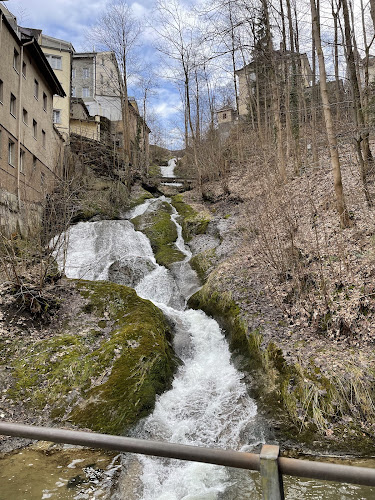
Mülenenschlucht
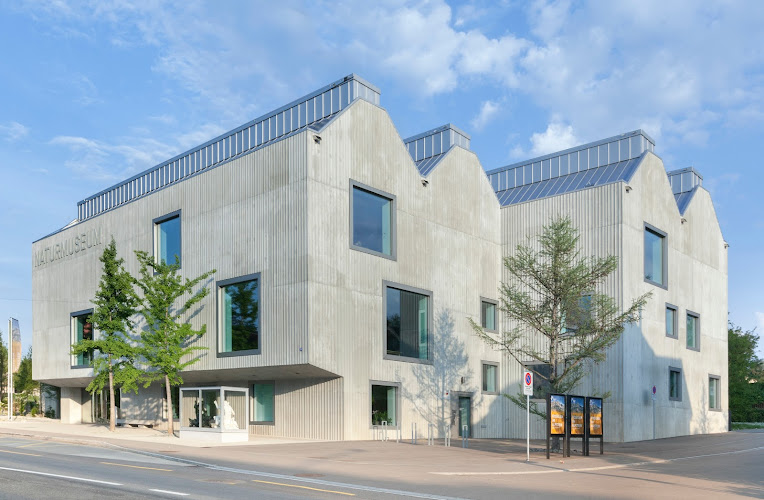
Natural History Museum St. Gallen

St. Gallen museum of art
Find Accommodations Nearby
Recommended Tours & Activities
Visitor Reviews
There are no reviews yet. Be the first one to write one.
Share Your Experience
Have you visited open art museum? Help other travelers by leaving a review.