
Pri synagóge 1387/3
About Pri synagóge 1387/3
Description
Imagine wandering through a winding street in Nitra, Slovakia. The scent of linden blossoms drifts by (unless your sinuses are as dreadful as mine in the spring), and suddenly, you stumble on a building carrying silent stories: that's Pri synagóge 1387/3 for you. It’s one of those places that most folks breeze past, but if you’re like me—someone who always lingers at buildings with mystery in their bones—this spot quietly demands some attention.
The exterior sets the mood. This is not the showiest structure in Nitra, nor does it clang its presence with bold, neon announcements. Instead, you get a kind of reserved dignity—think gentle grandeur, weathered but proud. Step inside, and it’s hard not to let your thoughts wander: what stories unfolded within these walls? Who passed through, what laughter or prayers drifted up toward the ceiling? There’s almost a cinematic hush, the painful kind you get in places where a lot has happened, but not everything is remembered. I usually stand a while, letting the cool air and echoes swirl around before really exploring.
But, here’s what sets this spot apart from just any old building: there is architectural detail that reveals itself slowly, like a film photo in a darkroom. You’ll see arches—there’s always something about old arches, isn’t there? The patina on the door handles (I once convinced myself it was good luck to touch them—still do, honestly). Sometimes, if you squint just right, it’s almost like you’re time-traveling back decades.
Pri synagóge 1387/3 carries its history quietly, but powerfully. It stands as a testament to local heritage, religious change, and the resilience of communities that called these rooms their spiritual home. If you enjoy learning history without feeling like you’re in a stuffy lecture hall, this is ground zero. And though I don’t light candles myself, the faintest whiff of wax lingers—a reminder that this was a living, breathing sanctuary.
Now, not everyone will feel that frisson of connection. Some visitors just pop by, look around, and leave—a few mutter about it being ‘too quiet,’ or ‘nothing much’. And fair enough, not every place is for every traveler. But for those with a heart for heritage (or even a love of quirky old doors), there’s some honest magic here.
Key Features
- Authentic architectural elements—arches, decorative reliefs, time-worn woodwork
- A tranquil atmosphere rarely broken by crowds (perfect if you, like me, need an escape from tourist hustle)
- Historic significance as part of the local Jewish community's heritage—there’s a tangible sense of story
- Subtle interior detailing, from painted ceilings to curated relics telling snippets of past generations
- Central location for easy walking from other historic sites and city landmarks
- An off-the-beaten-path charm—almost always, you’ll find space to explore in peace
- Photo-worthy spots both inside and along the facade (pro-tip: early mornings, the light slants just right for pics!)
- Educational value—occasional exhibitions, plaques, and info panels sharing context (good for travelers with curious kids or history buffs)
- Accessibility: reasonably easy to navigate (although there are a few steps—be prepared if mobility’s a concern)
- Surrounding neighborhood vibes—small cafés and street murals, giving you a flavor of daily life in Nitra
Best Time to Visit
Oh, this is the question locals and repeat visitors debate endlessly. If you judge by the energy alone (and, honestly, my preference!), late spring to early autumn absolutely wins. The days are warm but not obnoxiously humid—perfect for wandering and spontaneous detours to Nitra’s parks, too. I’m partial to May and September: in May, the city smells of flowers not exhaust, and you’ll dodge the crowds that can clog up the main squares come midsummer. Autumn brings a golden light, softer air, and a thoughtful quiet.
Weekday mornings tend to be quietest, which I cherish. I once popped in just after opening hours and had the entire place to myself—if you want that ‘private museum’ vibe, nudge your alarm and make it a morning stroll. Of course, special events and holidays sometimes add life, communal gatherings, or even live music—so if you want the pulse of the community, check the local calendar. Just don’t expect wild parties; the atmosphere most days leans toward respectful and contemplative.
And, heads-up: winter has a moody charm, though Nitra does get chilly. The advantage is crisp, foggy mornings with barely more than a handful of visitors. Bring a scarf and your best thoughtful face—winter is when Pri synagóge 1387/3 really feels like stepping into the past.
How to Get There
Alright, logistics time. If you’re anything like me, you trust Google Maps about as far as you can throw it—sometimes you end up circling a block with that little blue dot spinning in confusion. But this site is not hard to reach, promise.
It sits comfortably in Nitra’s older quarters—an easy walk from the main city center. If you’re hoofing it from the central square, expect maybe a 10 to 15-minute amble, depending on your pace and, let’s be real, how many pastry shops you get sidetracked by. The route takes you through quiet streets, a chance to soak in the real, everyday pulse of Nitra (I always spot a detail I missed the last time).
Public transport, your friend if your feet have mutinied, offers reliable stops nearby. Trams and buses regularly snake through the city—get off at the closest stop and you’ll be, give or take, a five-minute walk away. If you’re driving, street parking can be a bit of a coin toss, as older districts anywhere in Europe tend to be, but side streets often have spots if you don’t mind a short stroll.
Cyclists, rejoice: Nitra is increasingly bike-friendly, and there are racks close by. If you’re feeling particularly energetic, consider renting a bike and weaving through the city’s less-trodden alleys—the synagóge makes a perfect pit stop before heading up toward Nitra Castle.
Bit of local advice: always check if there are roadworks or city events that might close off certain streets, especially during festival season. There’s no shame in asking your hotel receptionist or even a café worker for the latest info—they’ll usually know all the shortcuts (and probably give you café or food recommendations to boot).
Tips for Visiting
Let’s dive into the nitty-gritty (because as someone who has forgotten socks for a castle trip, I’m all about the practical advice).
- Dress appropriately—You might not need a tux, but remember, this is a place with a certain gravitas. Shoulders covered, hats off inside…you know the drill.
- Bring a camera, but go easy on the flash—There’s an art to capturing the haunting beauty of Pri synagóge 1387/3 without startling everyone with blinding lights. Some artifacts and interiors are sensitive to harsh bulbs.
- Check opening hours before you go—This isn’t a “doors-open-all-day” kind of site. Holidays and special occasions may change times, and I wouldn’t wish the closed-door disappointment on anyone.
- Pack a notebook (or notes app)—You’ll read little snippets of history inside. I take notes when something strikes me—great for sharing stories later over coffee, or just feeling like a proper explorer.
- Quiet voices only, please—The magic here really is in the hush. You’ll notice your thoughts ring a little louder. It adds to the atmosphere, trust me!
- Mingle with locals if you get the chance—Sometimes, older folks in the neighborhood have stories you’ll never find in a tourist guide. A simple “dobrý deň” can open unexpected doors.
- Visit nearby attractions—Plan for time to see Nitra Castle or the local museums. This area rewards curiosity and lingering strolls. Seriously—I once lost two hours to a tiny, hidden art gallery just around the corner.
- Consider a guided tour—Local guides weave in juicy anecdotes and facts that bring the building to life. And who doesn’t love a good story?
- Respect the space—It’s tempting to wander into every crevice, but some areas might be off-limits or reserved for community use. When in doubt, signs and staff are your friends.
To wrap it up, Pri synagóge 1387/3 isn’t a barrel of fireworks or pageantry. But if you turn up with curiosity and a reverence for the histories that survive in quiet corners, you’ll walk away with a genuine experience—and maybe, just maybe, a story of your own
Key Features
- Authentic architectural elements—arches, decorative reliefs, time-worn woodwork
- A tranquil atmosphere rarely broken by crowds (perfect if you, like me, need an escape from tourist hustle)
- Historic significance as part of the local Jewish community's heritage—there’s a tangible sense of story
- Subtle interior detailing, from painted ceilings to curated relics telling snippets of past generations
- Central location for easy walking from other historic sites and city landmarks
- An off-the-beaten-path charm—almost always, you’ll find space to explore in peace
- Photo-worthy spots both inside and along the facade (pro-tip: early mornings, the light slants just right for pics!)
- Educational value—occasional exhibitions, plaques, and info panels sharing context (good for travelers with curious kids or history buffs)
More Details
Updated June 26, 2025
Table of Contents
- Description
- Key Features
- Best Time to Visit
- How to Get There
- Tips for Visiting
- Key Highlights
- Location
- Places to Stay Near Synagogue"Pekna synagoga, aspon zvonku, do vnutra som sa nedostal, kedze ..."
- Find and Book a Tour
- Explore More Travel Guides
- Nearby Places You Might Like
- Traveler Reviews for Pri synagóge 1387/3
- Share Your Experience
Description
Imagine wandering through a winding street in Nitra, Slovakia. The scent of linden blossoms drifts by (unless your sinuses are as dreadful as mine in the spring), and suddenly, you stumble on a building carrying silent stories: that’s Pri synagóge 1387/3 for you. It’s one of those places that most folks breeze past, but if you’re like me—someone who always lingers at buildings with mystery in their bones—this spot quietly demands some attention.
The exterior sets the mood. This is not the showiest structure in Nitra, nor does it clang its presence with bold, neon announcements. Instead, you get a kind of reserved dignity—think gentle grandeur, weathered but proud. Step inside, and it’s hard not to let your thoughts wander: what stories unfolded within these walls? Who passed through, what laughter or prayers drifted up toward the ceiling? There’s almost a cinematic hush, the painful kind you get in places where a lot has happened, but not everything is remembered. I usually stand a while, letting the cool air and echoes swirl around before really exploring.
But, here’s what sets this spot apart from just any old building: there is architectural detail that reveals itself slowly, like a film photo in a darkroom. You’ll see arches—there’s always something about old arches, isn’t there? The patina on the door handles (I once convinced myself it was good luck to touch them—still do, honestly). Sometimes, if you squint just right, it’s almost like you’re time-traveling back decades.
Pri synagóge 1387/3 carries its history quietly, but powerfully. It stands as a testament to local heritage, religious change, and the resilience of communities that called these rooms their spiritual home. If you enjoy learning history without feeling like you’re in a stuffy lecture hall, this is ground zero. And though I don’t light candles myself, the faintest whiff of wax lingers—a reminder that this was a living, breathing sanctuary.
Now, not everyone will feel that frisson of connection. Some visitors just pop by, look around, and leave—a few mutter about it being ‘too quiet,’ or ‘nothing much’. And fair enough, not every place is for every traveler. But for those with a heart for heritage (or even a love of quirky old doors), there’s some honest magic here.
Key Features
- Authentic architectural elements—arches, decorative reliefs, time-worn woodwork
- A tranquil atmosphere rarely broken by crowds (perfect if you, like me, need an escape from tourist hustle)
- Historic significance as part of the local Jewish community’s heritage—there’s a tangible sense of story
- Subtle interior detailing, from painted ceilings to curated relics telling snippets of past generations
- Central location for easy walking from other historic sites and city landmarks
- An off-the-beaten-path charm—almost always, you’ll find space to explore in peace
- Photo-worthy spots both inside and along the facade (pro-tip: early mornings, the light slants just right for pics!)
- Educational value—occasional exhibitions, plaques, and info panels sharing context (good for travelers with curious kids or history buffs)
- Accessibility: reasonably easy to navigate (although there are a few steps—be prepared if mobility’s a concern)
- Surrounding neighborhood vibes—small cafés and street murals, giving you a flavor of daily life in Nitra
Best Time to Visit
Oh, this is the question locals and repeat visitors debate endlessly. If you judge by the energy alone (and, honestly, my preference!), late spring to early autumn absolutely wins. The days are warm but not obnoxiously humid—perfect for wandering and spontaneous detours to Nitra’s parks, too. I’m partial to May and September: in May, the city smells of flowers not exhaust, and you’ll dodge the crowds that can clog up the main squares come midsummer. Autumn brings a golden light, softer air, and a thoughtful quiet.
Weekday mornings tend to be quietest, which I cherish. I once popped in just after opening hours and had the entire place to myself—if you want that ‘private museum’ vibe, nudge your alarm and make it a morning stroll. Of course, special events and holidays sometimes add life, communal gatherings, or even live music—so if you want the pulse of the community, check the local calendar. Just don’t expect wild parties; the atmosphere most days leans toward respectful and contemplative.
And, heads-up: winter has a moody charm, though Nitra does get chilly. The advantage is crisp, foggy mornings with barely more than a handful of visitors. Bring a scarf and your best thoughtful face—winter is when Pri synagóge 1387/3 really feels like stepping into the past.
How to Get There
Alright, logistics time. If you’re anything like me, you trust Google Maps about as far as you can throw it—sometimes you end up circling a block with that little blue dot spinning in confusion. But this site is not hard to reach, promise.
It sits comfortably in Nitra’s older quarters—an easy walk from the main city center. If you’re hoofing it from the central square, expect maybe a 10 to 15-minute amble, depending on your pace and, let’s be real, how many pastry shops you get sidetracked by. The route takes you through quiet streets, a chance to soak in the real, everyday pulse of Nitra (I always spot a detail I missed the last time).
Public transport, your friend if your feet have mutinied, offers reliable stops nearby. Trams and buses regularly snake through the city—get off at the closest stop and you’ll be, give or take, a five-minute walk away. If you’re driving, street parking can be a bit of a coin toss, as older districts anywhere in Europe tend to be, but side streets often have spots if you don’t mind a short stroll.
Cyclists, rejoice: Nitra is increasingly bike-friendly, and there are racks close by. If you’re feeling particularly energetic, consider renting a bike and weaving through the city’s less-trodden alleys—the synagóge makes a perfect pit stop before heading up toward Nitra Castle.
Bit of local advice: always check if there are roadworks or city events that might close off certain streets, especially during festival season. There’s no shame in asking your hotel receptionist or even a café worker for the latest info—they’ll usually know all the shortcuts (and probably give you café or food recommendations to boot).
Tips for Visiting
Let’s dive into the nitty-gritty (because as someone who has forgotten socks for a castle trip, I’m all about the practical advice).
- Dress appropriately—You might not need a tux, but remember, this is a place with a certain gravitas. Shoulders covered, hats off inside…you know the drill.
- Bring a camera, but go easy on the flash—There’s an art to capturing the haunting beauty of Pri synagóge 1387/3 without startling everyone with blinding lights. Some artifacts and interiors are sensitive to harsh bulbs.
- Check opening hours before you go—This isn’t a “doors-open-all-day” kind of site. Holidays and special occasions may change times, and I wouldn’t wish the closed-door disappointment on anyone.
- Pack a notebook (or notes app)—You’ll read little snippets of history inside. I take notes when something strikes me—great for sharing stories later over coffee, or just feeling like a proper explorer.
- Quiet voices only, please—The magic here really is in the hush. You’ll notice your thoughts ring a little louder. It adds to the atmosphere, trust me!
- Mingle with locals if you get the chance—Sometimes, older folks in the neighborhood have stories you’ll never find in a tourist guide. A simple “dobrý deň” can open unexpected doors.
- Visit nearby attractions—Plan for time to see Nitra Castle or the local museums. This area rewards curiosity and lingering strolls. Seriously—I once lost two hours to a tiny, hidden art gallery just around the corner.
- Consider a guided tour—Local guides weave in juicy anecdotes and facts that bring the building to life. And who doesn’t love a good story?
- Respect the space—It’s tempting to wander into every crevice, but some areas might be off-limits or reserved for community use. When in doubt, signs and staff are your friends.
To wrap it up, Pri synagóge 1387/3 isn’t a barrel of fireworks or pageantry. But if you turn up with curiosity and a reverence for the histories that survive in quiet corners, you’ll walk away with a genuine experience—and maybe, just maybe, a story of your own
Key Highlights
- Authentic architectural elements—arches, decorative reliefs, time-worn woodwork
- A tranquil atmosphere rarely broken by crowds (perfect if you, like me, need an escape from tourist hustle)
- Historic significance as part of the local Jewish community's heritage—there’s a tangible sense of story
- Subtle interior detailing, from painted ceilings to curated relics telling snippets of past generations
- Central location for easy walking from other historic sites and city landmarks
- An off-the-beaten-path charm—almost always, you’ll find space to explore in peace
- Photo-worthy spots both inside and along the facade (pro-tip: early mornings, the light slants just right for pics!)
- Educational value—occasional exhibitions, plaques, and info panels sharing context (good for travelers with curious kids or history buffs)
Location
Places to Stay Near Synagogue"Pekna synagoga, aspon zvonku, do vnutra som sa nedostal, kedze ..."
Find and Book a Tour
Explore More Travel Guides
No reviews found! Be the first to review!
Traveler Reviews for Pri synagóge 1387/3
There are no reviews yet. Be the first one to write one.
Have you visited Pri synagóge 1387/3? Help other travelers by sharing your review.
You Might Also Like
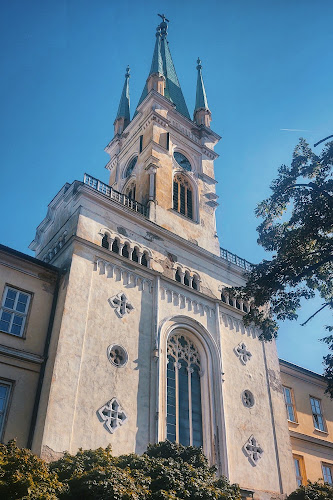
Church of the Visitation of the Virgin Mary, Nitra

Župný dom
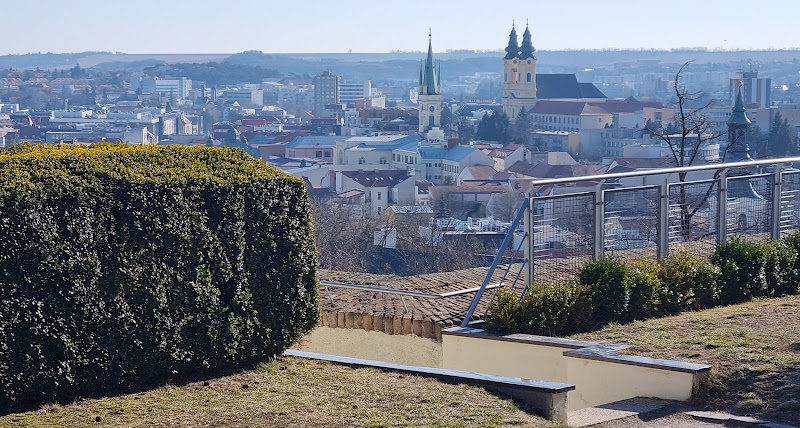
Nitra
Find Accommodations Nearby
Recommended Tours & Activities
Visitor Reviews
There are no reviews yet. Be the first one to write one.
Share Your Experience
Have you visited Pri synagóge 1387/3? Help other travelers by leaving a review.