
Vogelkijkscherm De Blauwborst
About Vogelkijkscherm De Blauwborst
Description
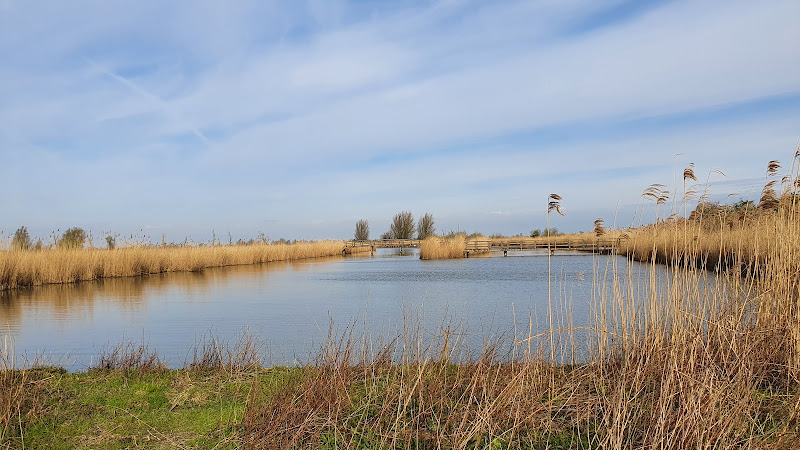
If you’re someone who gets a thrill out of spotting a flash of feathers in the reeds, you’ll find something to love at Vogelkijkscherm De Blauwborst. Now, let’s get real: it’s not the fanciest bird hide you’ll ever set eyes on, but that’s actually part of its charm. Tucked away in the wild heart of Lelystad, this spot strips away unnecessary frills and offers just the raw, peaceful experience of being face-to-face with Dutch nature at its best. Silence. Birdsong. Maybe a couple of other enthusiasts, but not the shoulder-to-shoulder crowds you'll find at more "insta-famous" reserves.
The De Blauwborst birdwatching screen (that’s “Vogelkijkscherm” if you’re feeling Dutch) is, at first glance, a wooden hide with functional, no-nonsense design. But walk through that squeaky little gate and suddenly, you’re cut off from the world. The marshy views open out before you—an absolute goldmine for anyone with a passion for wildlife, not just hardcore "twitchers." And if you’re like me, even if your knowledge of birds doesn’t stretch much beyond “pretty with wings,” you’ll love how easy it is to just sit and soak up the scene. I’ve whittled away entire afternoons here, thermos in hand, not even noticing the cold seeping into my boots.
What makes De Blauwborst unique is honestly its accessibility. It’s tucked away without being remote, the sort of place you find on a whim from a tip-off or, like me the first time, just following the sound of cranes. The hiking trail leading in is part of the adventure, winding through environments that change by the season. You might catch yourself wondering if you’re still in the Netherlands when the mist hangs low on the water in mid-September. And while the place draws a decent number of visitors, there’s almost always enough room for you and your binoculars (or just your phone camera—it’s 2024, after all) without feeling crowded.
But I’ll be honest: don’t expect non-stop jaw-dropping sights every visit. Sometimes the birds keep their distance. Some days the weather has other plans. But that unpredictability? That’s what keeps me coming back. Every trip is a different story, another encounter with herons, ducks, and if you’re very lucky, the star performer: the actual blue-throat warbler, for whom this spot is named.
Key Features
- Birdwatching Hide: Simple, straightforward wooden screen with ample slots for viewing and photography (bring your tripod!)
- Rich Bird Diversity: Ideal for spotting marsh birds, waterfowl, and—if luck smiles upon you—the elusive blue-throat warbler in spring and summer
- Peaceful Hiking Trails: Well-maintained footpaths wind through reedbeds, wetland, and woodland; great for hiking at any fitness level
- Seasonal Surprises: Changing scenery throughout the year—expect icy stillness in winter, lush green in summer, dramatic skies in autumn
- Wheelchair-Friendly Access: The trail is relatively flat, though with the standard Dutch mud risks after rain—so maybe not stilettos!
- Photographer's Haven: Uncluttered backgrounds, diffused natural light, and atmospheric mornings perfect for snapping moody Instagram shots
- Educational Value: Clear signage (in Dutch, mostly, but hey, bird names are universal) details the species you might spot
- Minimal Crowds: Less touristy than the larger Oostvaardersplassen reserve, letting you savor wildlife in peace and quiet
Best Time to Visit
Alright, so here’s the deal: you can rock up to Vogelkijkscherm De Blauwborst any time of year and have a great outing, but there is some serious magic in timing it. If you’re itching to catch the blue-throat in its full show-off mode, pencil in late April to early June. Migration seasons (spring and early autumn) bring a marathon of feathered visitors—you might even run out of space in your birding checklist.
That said, the Dutch weather can be…let’s call it “character-building.” In winter, you’ll probably want extra socks and the sort of hat your grandmother would approve of, but those frosted views are like stepping into a painting—think ice-rimmed reeds and clouds of breath in the air. Summer brings longer days and fewer biting winds, but also more midges. I honestly like it best just after a rainstorm; everything glistens, the air smells weirdly fresh, and the birds get active again.
How to Get There
Getting to De Blauwborst isn’t rocket science, but like many little Dutch secrets, it helps to be in the know. Most folks arrive by car. There’s decent signage off the main Lelystad roads, though I’ll admit the first time I ended up in the wrong carpark and made an unplanned extra 2km stroll—which, actually, turned out lovely. Free parking is available near the trails, but don’t expect urban-level security. Just lock up, hide your valuables, and maybe give the local robin a wave.
If you’re rolling green (go you!), Lelystad’s cycling paths are top-notch—wide, smooth, and safer than my city’s dodgy roundabouts. Cycling in means you get to hear the marsh wake up as you approach, a subtle but brilliant bonus. Not the world’s most direct public transport connections, but you can bus partway and tack on a lovely walk, which, honestly, kind of sets the right mood. For wheelchair users or those with less mobility, the approach path is relatively even, but after heavy rains, give it a sec because Dutch mud is legendary.
Tips for Visiting
- Go Early, Stay Late: The birds are most active around sunrise and sunset (classic, right?), plus you’ll dodge the occasional school group or chatterbox crowd.
- Pack for the Weather: Even in summer, Dutch weather is fickle. Layers are a must. And, yeah, bring extra socks—flooded paths happen.
- Bring Binoculars or Camera: The best sightings are rarely inches from the hide, so leave the phone zoom at home if you’re serious; even midrange binoculars make a world of difference here.
- Stay Quiet and Patient: Birds are shy—shushing chatty companions (or yourself) rewards you with better close encounters. I once saw a kingfisher skimming so close that the ripple let me count the feathers—would’ve missed it if I’d been fiddling with the snack bag.
- Check the Signage: Even if your Dutch is rusty, the maps and bird lists are packed with info that’ll boost your odds of a special sighting. Snap a photo for on-the-go reference.
- Respect the Wildlife: Seriously, no shortcuts off the paths—some of the rarest species nest low in the reeds, where errant feet can cause havoc.
- Leave No Trace: Take your rubbish home—nothing spoils an outing like a crumpled crisp packet in the marsh, right? Plus, the crows are bold enough without extra snacks.
- Hydration & Snacks: There’s nowhere to buy food or water: pack a flask, maybe a hunk of cheese, and enjoy your own makeshift picnic with a view.
- Local Community Events: Occasionally, the reserve hosts mini-gatherings or guided tours—info sometimes pops up on local boards. Worth joining if your Dutch is up for a minor challenge!
You don’t have to be a full-throttle nature nerd to get a kick out of Vogelkijkscherm De Blauwborst. Whether you’re after a solo zen moment, teaching the kids that patience is rewarded, or just ticking another feathered friend off your life list, this place feels honest and unpretentious. It’s proof that even without flashy facilities or glossy brochures, sometimes the best bits of travel are the simplest—a hideaway, a pair of binoculars, and the endless theatre of Dutch skies and wild things. And maybe, just maybe, a moment that feels like it was made for you alone.
Key Features
- Key Features
- Best Time to Visit
- How to Get There
- Tips for Visiting
More Details
Updated June 30, 2025
Table of Contents
Description
If you’re someone who gets a thrill out of spotting a flash of feathers in the reeds, you’ll find something to love at Vogelkijkscherm De Blauwborst. Now, let’s get real: it’s not the fanciest bird hide you’ll ever set eyes on, but that’s actually part of its charm. Tucked away in the wild heart of Lelystad, this spot strips away unnecessary frills and offers just the raw, peaceful experience of being face-to-face with Dutch nature at its best. Silence. Birdsong. Maybe a couple of other enthusiasts, but not the shoulder-to-shoulder crowds you’ll find at more “insta-famous” reserves.
The De Blauwborst birdwatching screen (that’s “Vogelkijkscherm” if you’re feeling Dutch) is, at first glance, a wooden hide with functional, no-nonsense design. But walk through that squeaky little gate and suddenly, you’re cut off from the world. The marshy views open out before you—an absolute goldmine for anyone with a passion for wildlife, not just hardcore “twitchers.” And if you’re like me, even if your knowledge of birds doesn’t stretch much beyond “pretty with wings,” you’ll love how easy it is to just sit and soak up the scene. I’ve whittled away entire afternoons here, thermos in hand, not even noticing the cold seeping into my boots.
What makes De Blauwborst unique is honestly its accessibility. It’s tucked away without being remote, the sort of place you find on a whim from a tip-off or, like me the first time, just following the sound of cranes. The hiking trail leading in is part of the adventure, winding through environments that change by the season. You might catch yourself wondering if you’re still in the Netherlands when the mist hangs low on the water in mid-September. And while the place draws a decent number of visitors, there’s almost always enough room for you and your binoculars (or just your phone camera—it’s 2024, after all) without feeling crowded.
But I’ll be honest: don’t expect non-stop jaw-dropping sights every visit. Sometimes the birds keep their distance. Some days the weather has other plans. But that unpredictability? That’s what keeps me coming back. Every trip is a different story, another encounter with herons, ducks, and if you’re very lucky, the star performer: the actual blue-throat warbler, for whom this spot is named.
Key Features
- Birdwatching Hide: Simple, straightforward wooden screen with ample slots for viewing and photography (bring your tripod!)
- Rich Bird Diversity: Ideal for spotting marsh birds, waterfowl, and—if luck smiles upon you—the elusive blue-throat warbler in spring and summer
- Peaceful Hiking Trails: Well-maintained footpaths wind through reedbeds, wetland, and woodland; great for hiking at any fitness level
- Seasonal Surprises: Changing scenery throughout the year—expect icy stillness in winter, lush green in summer, dramatic skies in autumn
- Wheelchair-Friendly Access: The trail is relatively flat, though with the standard Dutch mud risks after rain—so maybe not stilettos!
- Photographer’s Haven: Uncluttered backgrounds, diffused natural light, and atmospheric mornings perfect for snapping moody Instagram shots
- Educational Value: Clear signage (in Dutch, mostly, but hey, bird names are universal) details the species you might spot
- Minimal Crowds: Less touristy than the larger Oostvaardersplassen reserve, letting you savor wildlife in peace and quiet
Best Time to Visit
Alright, so here’s the deal: you can rock up to Vogelkijkscherm De Blauwborst any time of year and have a great outing, but there is some serious magic in timing it. If you’re itching to catch the blue-throat in its full show-off mode, pencil in late April to early June. Migration seasons (spring and early autumn) bring a marathon of feathered visitors—you might even run out of space in your birding checklist.
That said, the Dutch weather can be…let’s call it “character-building.” In winter, you’ll probably want extra socks and the sort of hat your grandmother would approve of, but those frosted views are like stepping into a painting—think ice-rimmed reeds and clouds of breath in the air. Summer brings longer days and fewer biting winds, but also more midges. I honestly like it best just after a rainstorm; everything glistens, the air smells weirdly fresh, and the birds get active again.
How to Get There
Getting to De Blauwborst isn’t rocket science, but like many little Dutch secrets, it helps to be in the know. Most folks arrive by car. There’s decent signage off the main Lelystad roads, though I’ll admit the first time I ended up in the wrong carpark and made an unplanned extra 2km stroll—which, actually, turned out lovely. Free parking is available near the trails, but don’t expect urban-level security. Just lock up, hide your valuables, and maybe give the local robin a wave.
If you’re rolling green (go you!), Lelystad’s cycling paths are top-notch—wide, smooth, and safer than my city’s dodgy roundabouts. Cycling in means you get to hear the marsh wake up as you approach, a subtle but brilliant bonus. Not the world’s most direct public transport connections, but you can bus partway and tack on a lovely walk, which, honestly, kind of sets the right mood. For wheelchair users or those with less mobility, the approach path is relatively even, but after heavy rains, give it a sec because Dutch mud is legendary.
Tips for Visiting
- Go Early, Stay Late: The birds are most active around sunrise and sunset (classic, right?), plus you’ll dodge the occasional school group or chatterbox crowd.
- Pack for the Weather: Even in summer, Dutch weather is fickle. Layers are a must. And, yeah, bring extra socks—flooded paths happen.
- Bring Binoculars or Camera: The best sightings are rarely inches from the hide, so leave the phone zoom at home if you’re serious; even midrange binoculars make a world of difference here.
- Stay Quiet and Patient: Birds are shy—shushing chatty companions (or yourself) rewards you with better close encounters. I once saw a kingfisher skimming so close that the ripple let me count the feathers—would’ve missed it if I’d been fiddling with the snack bag.
- Check the Signage: Even if your Dutch is rusty, the maps and bird lists are packed with info that’ll boost your odds of a special sighting. Snap a photo for on-the-go reference.
- Respect the Wildlife: Seriously, no shortcuts off the paths—some of the rarest species nest low in the reeds, where errant feet can cause havoc.
- Leave No Trace: Take your rubbish home—nothing spoils an outing like a crumpled crisp packet in the marsh, right? Plus, the crows are bold enough without extra snacks.
- Hydration & Snacks: There’s nowhere to buy food or water: pack a flask, maybe a hunk of cheese, and enjoy your own makeshift picnic with a view.
- Local Community Events: Occasionally, the reserve hosts mini-gatherings or guided tours—info sometimes pops up on local boards. Worth joining if your Dutch is up for a minor challenge!
You don’t have to be a full-throttle nature nerd to get a kick out of Vogelkijkscherm De Blauwborst. Whether you’re after a solo zen moment, teaching the kids that patience is rewarded, or just ticking another feathered friend off your life list, this place feels honest and unpretentious. It’s proof that even without flashy facilities or glossy brochures, sometimes the best bits of travel are the simplest—a hideaway, a pair of binoculars, and the endless theatre of Dutch skies and wild things. And maybe, just maybe, a moment that feels like it was made for you alone.
Key Highlights
- Key Features
- Best Time to Visit
- How to Get There
- Tips for Visiting
Location
Places to Stay Near Vogelkijkscherm De Blauwborst
Find and Book a Tour
Explore More Travel Guides
No reviews found! Be the first to review!
Traveler Reviews for Vogelkijkscherm De Blauwborst
There are no reviews yet. Be the first one to write one.
Have you visited Vogelkijkscherm De Blauwborst? Help other travelers by sharing your review.
You Might Also Like

Antony Gormley Exposure Sculpture
Archeological Open air museum Swifterkamp
Parkeerplaats Zuigerplasbos
Find Accommodations Nearby
Recommended Tours & Activities
Visitor Reviews
There are no reviews yet. Be the first one to write one.
Share Your Experience
Have you visited Vogelkijkscherm De Blauwborst? Help other travelers by leaving a review.