
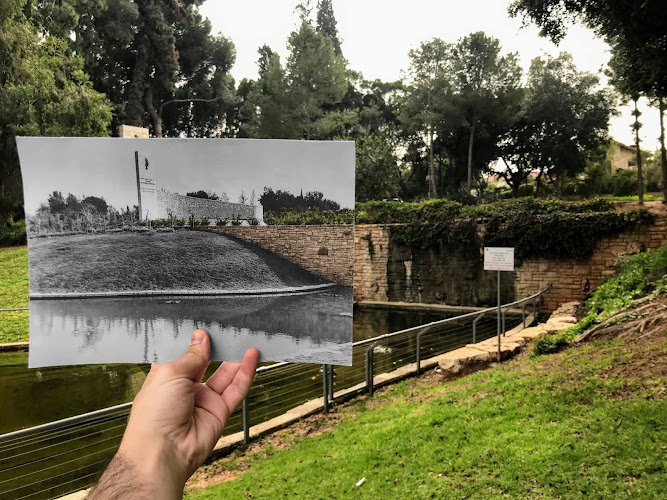
Kfar Saba Museum
About Kfar Saba Museum
Description
You know those hidden gems you sort of stumble onto just after your phone battery dies and you can’t find your tour group? The Kfar Saba Museum is like that. Sure, it gets its share of field trips and weekend family strolls, but there’s a real story swirling around its halls, the kind that’s tangled up in ancient olive groves and dust from Roman sandals.
Founded back in the 1980s thanks to the combined sheer stubbornness of a mayor and a local archaeologist with a passion for shoveling up the past, this museum tells the gritty, oddly compelling tale of Kfar Saba itself. This wasn’t always a bustling city. It kicked off as a scrappy little farming village way, way back in Roman times—imagine goats, pottery, sand, and a lot less Wi-Fi. The museum doesn’t just pepper you with old stones and faded photos in glass cases though. Instead, it spreads itself across different archaeological and historic nooks all around the city. Most folks, even locals, have no clue just how many ancient secrets are hiding in plain sight in the area.
Here, you’ll find more than just artifacts; you get a patchwork of the town’s evolution—from its time as a Roman settlement, through its brush with destruction and rebirth as a 20th-century colony, all the way up to the vibrant, ever-changing modern city. There’s this earthy feeling when you step inside—part community hangout, part time-travel. Exhibits are tactile, interactive, and surprisingly lively for a spot filled with bits of pottery and ancient tools. Every so often, you’ll catch a group of school kids trying to decode a faded mosaic, or a historian animatedly telling tales you won’t find on Wikipedia. If you’re the curious sort, you’ll leave with more questions than answers (which, in my book, is exactly how a good museum should work).
It’s not all aged relics either—live performances pop up from time to time, and special cultural events mean this isn’t just a spot you tick off. If you care at all about how a place remembers its past or how regular folks used to get through the day without Google, Kfar Saba Museum is unmissable.
Key Features
- Authentic Archaeological Collections – Digging into Kfar Saba’s layered history, with artifacts that span Roman olive presses, ancient farming tools, and even household items that make you wonder about the people who used to live here. Not just “stuff”—pieces of real stories.
- Spread Across Several Historical Sites – Unlike those one-building museums, this place is a patchwork, covering different spots right in the heart of Kfar Saba. Almost like a real-life treasure hunt.
- Educational Activities for All Ages – From hands-on workshops (kids love those ancient pottery sessions, trust me—my niece wouldn’t stop talking about it for a week) to adult lectures delivered with actual enthusiasm.
- Live Performances – Periodic events where local culture and history come alive. You might catch music, storytelling, or even reenactments when you least expect it.
- Wheelchair Accessible Facilities – The museum walks the walk when it comes to accessibility. Entrances, restrooms, parking—you name it, all thoughtfully set up for every visitor.
- Family-Friendly Atmosphere – Whether you’re wrangling toddlers or traveling with skeptical teens, the museum genuinely feels inclusive. Staff are helpful without being overbearing (which, let’s admit, is rare).
- LGBTQ+ Welcoming – Not every cultural spot advertises this outright, but here it’s part of the ambiance. No side-eye, no awkwardness—just openness.
- Good-for-Kids Experiences – Exhibits and programs encourage children to get hands-on without the usual “don’t touch” warnings. Keeps everyone engaged (and perhaps, if you’re lucky, even quiet for a minute).
- Free Parking Lot – And not just a few spots either—roomy enough that you’re not stuck reverse-engineering a parallel-park job with an audience watching.
- Cultural Center Vibe – It’s not just a museum. It’s a genuine nucleus for community storytelling, cultural celebrations, and shared experiences. More than once I’ve wandered into a holiday workshop here and come out inspired.
- Restrooms On Site – Basic, yes, but worth noting since some museums in Israel can leave you hunting for a nearby café just to wash your hands.
Best Time to Visit
Okay, let's hash out when you'll actually want to stroll up to the doors. The museum opens mornings during the workweek—with a nice little loophole Wednesday evenings if you're more of a night owl or just want to beat the midday heat. If it’s me, I’d aim for midweek, late morning. By then the biggest crowds (think: herds of excitable school kids) have usually thinned out, so you can take in the exhibits at your own pace.
Spring and autumn are my sweet spot for visiting; the weather is that perfect not-too-hot, not-too-humid slice, letting you wander between the outdoor archaeological sites or even picnic nearby. Summers here can get roasting if you’re not used to Mediterranean heat, and winter’s a toss-up between moody drizzle or big blue skies (lately, I swear, weather has its own ideas).
Insider tip? Try to sync your visit with a scheduled event or performance—sometimes the local flyers or museum social pages give you a heads up. Those are the days when the place really buzzes, and you might even bump into a few passionate locals who’ll share stories you just won't get anywhere else.
How to Get There
Getting to the Kfar Saba Museum isn’t exactly rocket science, but it’s not always as straightforward as Google Maps likes to think either. Whether you roll up with your own wheels or try to navigate by public bus, here’s the inside scoop:
If you’re driving, free parking is the kind of small luxury you’ll genuinely appreciate (especially after weaving through Tel Aviv’s old city centers where a parking spot feels like hitting the lottery). Just set your navigation to the city’s quiet business district and look for the clearly marked museum signs once you’re in the area.
Traveling by bus? Lines run regularly from major urban centers nearby—and if you’re staying in Herzliya or even Tel Aviv, you’re not far off. Expect a brief city walk after you hop off; nothing strenuous, just enough to get your bearings and spot a charming little street café or two along the way.
Train-lovers, take note: the main Kfar Saba station is a short taxi trip (about 10 minutes) away. Don’t expect a hop-skip-and-jump straight to the museum by foot from the train without breaking a sweat or getting a bit creative. For extra comfort, I'd honestly recommend cabbing that final stretch, especially if you’re balancing kids, bags, or just a general aversion to unexpected urban hikes.
Tips for Visiting
So, you’re plotting a visit? Good choice. A few nuggets from my own trips and a couple of local recommendations I’ve picked up along the way:
- Plan for at least two hours. It’s not huge, but there are lots of little corners and stories to get lost in. Give yourself some breathing room rather than racing through.
- Wear comfy shoes. Some parts, especially if you head out to the affiliated archaeological sites, have uneven ground. If heels are your thing, consider packing some flats for the day.
- No in-house restaurant, but honestly, you’re a stone’s throw from some great local bakeries and falafel stands. My advice? Enjoy the exhibits, then grab a treat (the cheese bourekas nearby are a minor revelation).
- If accessibility matters to you—relax. The museum’s one of the better-equipped spots I’ve seen in the region. Whether you’re pushing a stroller or using a wheelchair, you won’t feel boxed out here.
- Check ahead for live events. When those are on, the place transforms—music in the courtyard, workshop tables buzzing, local artists chatting to anyone who’ll listen. Don’t be shy; ask at the desk about what’s coming up.
- Family-friendly, but not overwhelming. Kids get hands-on, without the stressful “don’t touch” lecture. Staff are patient, and there’s usually something creative for them to join in.
- Bring a sense of curiosity. You’ll notice exhibits written in Hebrew, but most have English translations, and the staff are honestly fantastic at filling in any gaps if you just ask.
- Photographs? Allowed, but be respectful. Some of the exhibits are fragile,
Key Features
- Key Features
- Best Time to Visit
- How to Get There
- Tips for Visiting
More Details
Updated July 2, 2025
Table of Contents
Description
You know those hidden gems you sort of stumble onto just after your phone battery dies and you can’t find your tour group? The Kfar Saba Museum is like that. Sure, it gets its share of field trips and weekend family strolls, but there’s a real story swirling around its halls, the kind that’s tangled up in ancient olive groves and dust from Roman sandals.
Founded back in the 1980s thanks to the combined sheer stubbornness of a mayor and a local archaeologist with a passion for shoveling up the past, this museum tells the gritty, oddly compelling tale of Kfar Saba itself. This wasn’t always a bustling city. It kicked off as a scrappy little farming village way, way back in Roman times—imagine goats, pottery, sand, and a lot less Wi-Fi. The museum doesn’t just pepper you with old stones and faded photos in glass cases though. Instead, it spreads itself across different archaeological and historic nooks all around the city. Most folks, even locals, have no clue just how many ancient secrets are hiding in plain sight in the area.
Here, you’ll find more than just artifacts; you get a patchwork of the town’s evolution—from its time as a Roman settlement, through its brush with destruction and rebirth as a 20th-century colony, all the way up to the vibrant, ever-changing modern city. There’s this earthy feeling when you step inside—part community hangout, part time-travel. Exhibits are tactile, interactive, and surprisingly lively for a spot filled with bits of pottery and ancient tools. Every so often, you’ll catch a group of school kids trying to decode a faded mosaic, or a historian animatedly telling tales you won’t find on Wikipedia. If you’re the curious sort, you’ll leave with more questions than answers (which, in my book, is exactly how a good museum should work).
It’s not all aged relics either—live performances pop up from time to time, and special cultural events mean this isn’t just a spot you tick off. If you care at all about how a place remembers its past or how regular folks used to get through the day without Google, Kfar Saba Museum is unmissable.
Key Features
- Authentic Archaeological Collections – Digging into Kfar Saba’s layered history, with artifacts that span Roman olive presses, ancient farming tools, and even household items that make you wonder about the people who used to live here. Not just “stuff”—pieces of real stories.
- Spread Across Several Historical Sites – Unlike those one-building museums, this place is a patchwork, covering different spots right in the heart of Kfar Saba. Almost like a real-life treasure hunt.
- Educational Activities for All Ages – From hands-on workshops (kids love those ancient pottery sessions, trust me—my niece wouldn’t stop talking about it for a week) to adult lectures delivered with actual enthusiasm.
- Live Performances – Periodic events where local culture and history come alive. You might catch music, storytelling, or even reenactments when you least expect it.
- Wheelchair Accessible Facilities – The museum walks the walk when it comes to accessibility. Entrances, restrooms, parking—you name it, all thoughtfully set up for every visitor.
- Family-Friendly Atmosphere – Whether you’re wrangling toddlers or traveling with skeptical teens, the museum genuinely feels inclusive. Staff are helpful without being overbearing (which, let’s admit, is rare).
- LGBTQ+ Welcoming – Not every cultural spot advertises this outright, but here it’s part of the ambiance. No side-eye, no awkwardness—just openness.
- Good-for-Kids Experiences – Exhibits and programs encourage children to get hands-on without the usual “don’t touch” warnings. Keeps everyone engaged (and perhaps, if you’re lucky, even quiet for a minute).
- Free Parking Lot – And not just a few spots either—roomy enough that you’re not stuck reverse-engineering a parallel-park job with an audience watching.
- Cultural Center Vibe – It’s not just a museum. It’s a genuine nucleus for community storytelling, cultural celebrations, and shared experiences. More than once I’ve wandered into a holiday workshop here and come out inspired.
- Restrooms On Site – Basic, yes, but worth noting since some museums in Israel can leave you hunting for a nearby café just to wash your hands.
Best Time to Visit
Okay, let’s hash out when you’ll actually want to stroll up to the doors. The museum opens mornings during the workweek—with a nice little loophole Wednesday evenings if you’re more of a night owl or just want to beat the midday heat. If it’s me, I’d aim for midweek, late morning. By then the biggest crowds (think: herds of excitable school kids) have usually thinned out, so you can take in the exhibits at your own pace.
Spring and autumn are my sweet spot for visiting; the weather is that perfect not-too-hot, not-too-humid slice, letting you wander between the outdoor archaeological sites or even picnic nearby. Summers here can get roasting if you’re not used to Mediterranean heat, and winter’s a toss-up between moody drizzle or big blue skies (lately, I swear, weather has its own ideas).
Insider tip? Try to sync your visit with a scheduled event or performance—sometimes the local flyers or museum social pages give you a heads up. Those are the days when the place really buzzes, and you might even bump into a few passionate locals who’ll share stories you just won’t get anywhere else.
How to Get There
Getting to the Kfar Saba Museum isn’t exactly rocket science, but it’s not always as straightforward as Google Maps likes to think either. Whether you roll up with your own wheels or try to navigate by public bus, here’s the inside scoop:
If you’re driving, free parking is the kind of small luxury you’ll genuinely appreciate (especially after weaving through Tel Aviv’s old city centers where a parking spot feels like hitting the lottery). Just set your navigation to the city’s quiet business district and look for the clearly marked museum signs once you’re in the area.
Traveling by bus? Lines run regularly from major urban centers nearby—and if you’re staying in Herzliya or even Tel Aviv, you’re not far off. Expect a brief city walk after you hop off; nothing strenuous, just enough to get your bearings and spot a charming little street café or two along the way.
Train-lovers, take note: the main Kfar Saba station is a short taxi trip (about 10 minutes) away. Don’t expect a hop-skip-and-jump straight to the museum by foot from the train without breaking a sweat or getting a bit creative. For extra comfort, I’d honestly recommend cabbing that final stretch, especially if you’re balancing kids, bags, or just a general aversion to unexpected urban hikes.
Tips for Visiting
So, you’re plotting a visit? Good choice. A few nuggets from my own trips and a couple of local recommendations I’ve picked up along the way:
– Plan for at least two hours. It’s not huge, but there are lots of little corners and stories to get lost in. Give yourself some breathing room rather than racing through.
– Wear comfy shoes. Some parts, especially if you head out to the affiliated archaeological sites, have uneven ground. If heels are your thing, consider packing some flats for the day.
– No in-house restaurant, but honestly, you’re a stone’s throw from some great local bakeries and falafel stands. My advice? Enjoy the exhibits, then grab a treat (the cheese bourekas nearby are a minor revelation).
– If accessibility matters to you—relax. The museum’s one of the better-equipped spots I’ve seen in the region. Whether you’re pushing a stroller or using a wheelchair, you won’t feel boxed out here.
– Check ahead for live events. When those are on, the place transforms—music in the courtyard, workshop tables buzzing, local artists chatting to anyone who’ll listen. Don’t be shy; ask at the desk about what’s coming up.
– Family-friendly, but not overwhelming. Kids get hands-on, without the stressful “don’t touch” lecture. Staff are patient, and there’s usually something creative for them to join in.
– Bring a sense of curiosity. You’ll notice exhibits written in Hebrew, but most have English translations, and the staff are honestly fantastic at filling in any gaps if you just ask.
– Photographs? Allowed, but be respectful. Some of the exhibits are fragile,
Key Highlights
- Key Features
- Best Time to Visit
- How to Get There
- Tips for Visiting
Location
Places to Stay Near Kfar Saba Museum
Find and Book a Tour
Explore More Travel Guides
No reviews found! Be the first to review!
Traveler Reviews for Kfar Saba Museum
There are no reviews yet. Be the first one to write one.
Have you visited Kfar Saba Museum? Help other travelers by sharing your review.
You Might Also Like
Find Accommodations Nearby
Recommended Tours & Activities
Visitor Reviews
There are no reviews yet. Be the first one to write one.
Share Your Experience
Have you visited Kfar Saba Museum? Help other travelers by leaving a review.