
Paisagem Protegida da Arriba Fóssil da Costa de Caparica
About Paisagem Protegida da Arriba Fóssil da Costa de Caparica
Description
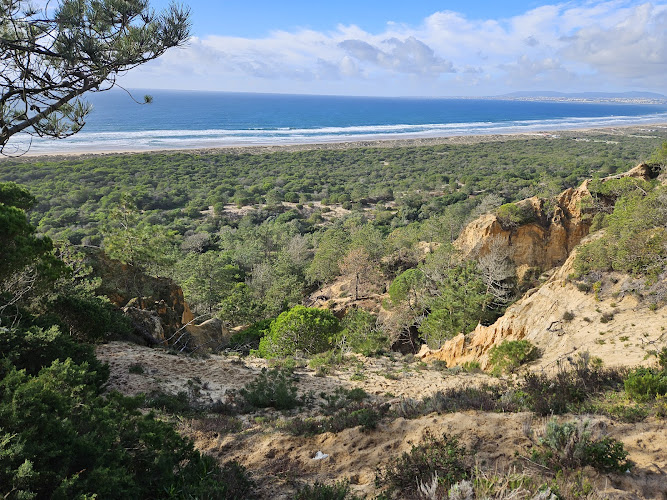
Picture this: you’re standing right at the top of a rugged fossil cliff, pine trees at your back, the Atlantic rolling out ahead of you like some massive blue blanket, and sunset light turning everything golden. That’s the kind of moment you can expect at the Paisagem Protegida da Arriba Fóssil da Costa de Caparica. This isn’t just another postcard-perfect stop—there’s real earth-shifting history and local charm in every patch of crumbling stone. It’s a nature preserve, sure, but honestly? It feels more like nature’s own outdoor classroom crossed with a huge, wild living room (with a killer view).
The whole place runs along the Costa de Caparica coastline—what you get here are fossilized cliffs that whisper about millions of years gone by, thick pines and mastic trees swaying just so, and sand underfoot that somehow just feels different than at the beach bars a little further along the coast. To me, this protected landscape walks that fine line: it's well-loved but never feels smothered by the crowds you’d dodge at typical tourist hotspots.
Expect wildflowers in spring, sea breezes most afternoons, and every now and then a sudden sense of calm (which usually hits me mid-hike). There’ve been days when I’ve hiked the upper trails and not met a soul, just startled a rabbit or two. Yes, you’ll cross paths with families or groups of cyclists (plenty of “bom dias!”), but the Arriba Fóssil always feels like there’s space for your own adventures—whether you’re after heart-thumping jogs or peaceful picnics.
Of course, it’s not all poetry and pine cones. Some signage is a tad faded, certain trails need a bit of TLC, and on a windy day you can come home with sand and sticky pine needle souvenirs in your sneakers. Still, when I think about the dozens of jaw-dropping sunsets I’ve watched here, sometimes perched on a weathered bench, it’s hard to hold onto tiny gripes for long.
Key Features
- Fossil Cliffs: The star of the show—these coastal cliffs date back millions of years, with visible fossil records carved right into the rock. If you’re a geology enthusiast, or even just a curious wanderer, they’ll knock your socks off.
- Scenic Hiking Trails: Loops and out-and-backs wind through almost every inch of the reserve, many framed by pine forest and scrubland. There are options from easy strolls (perfect if you’ve got strollers or short little legs in tow) to more challenging routes with steeper elevation and clifftop drama.
- Sunset Panoramas: The western edge of the reserve offers some of the most dramatic sunset vistas you’ll find near Lisbon. Seriously—bring your camera, but don’t forget to stop and just soak it in. I’ve lost count of the gasps I’ve heard as the sky turns from fiery orange to indigo.
- Picnic Areas & Facilities: Shady picnic tables are dotted along some trails. Pack some local cheese and bread, or grab pastries in Aroeira on your way—these spots are made for unrushed lunches (watch for pine needles overhead, though!).
- Family & Dog Friendly: Kid-friendly walks and wide, sandy paths. Plus, this is one of those rare gems where dogs are welcome—just make sure Fido is leashed. I've bumped into more than a few delighted pups bounding around here.
- Wildlife & Flora: Not just pine forests: you may spot birdlife, local lizards, seasonal wildflowers, and—if you walk quietly enough—a shy rabbit or two. Spring brings an explosion of color and birdsong, making it a favorite among local nature lovers.
- Accessibility: Some sections are accessible for wheelchairs and buggies, but not all—if you’re planning a trip with mobility needs, a quick check of the trail map before arrival is smart.
Best Time to Visit
Here’s the scoop: you can visit the Paisagem Protegida da Arriba Fóssil da Costa de Caparica year-round, but let me break down the vibes by season. Spring is, hands down, my favorite—mild temps, wildflowers everywhere, and the air smells like pine mixed with sea spray (which is basically happiness, bottled). Morning walks in late March or early April mean quieter trails and, if you’re lucky, dewdrops clinging to flower petals.
Summer brings bigger crowds and hotter afternoons, but there’s always a breeze off the Atlantic and you can usually find a patch of shade. The sunsets this time of year—even with a few more onlookers around—are simply off the charts. Early evening hikes, then a lazy picnic as dusk falls? Perfect holiday memory stuff.
Come autumn, color shades start to shift, the crowds thin out, and things slow down. I’ve wandered these trails on crisp fall mornings, scarf on, pine needles crunching underfoot. There’s a sense of “having the place to yourself” once school’s back in session. Winters? Well, they’re generally mild, but it can get blustery. Some days are washed in silver mist and wild Atlantic gusts, so if you like dramatic, moody landscapes (or just want a brisk walk to clear out the cobwebs), you may love winter here too.
If you’re after peace, early weekday mornings are gold—there’s stillness, birdsong, and the feeling you’re somewhere secret. But honestly? Any day you feel like blowing the city’s dust off your shoes—do it.
How to Get There
Getting over to the Paisagem Protegida da Arriba Fóssil da Costa de Caparica is more straightforward than you might guess. If you’re coming from Lisbon, it’s just a hop across the 25 de Abril Bridge. About 20 to 30 minutes by car, give or take depending on traffic (and those roundabouts do get busy on weekends, so pack your patience). Once you reach the Aroeira area, keep an eye out for the park’s marked entrances—parking is generally hassle-free except on peak summer weekends.
Prefer public transit? You can take a combo of bus and local tram, or there’s the option of taking the ferry from Cais do Sodré over to Cacilhas, then hopping on a bus down to the coastline. It’s a bit of an adventure, which adds to the fun (or stress, if you’re trying to wrangle lots of kids and gear). Bike rentals in nearby towns are a great option, with smooth cycle tracks that wind through pine stands right into the reserve’s heart. I’ve even walked from downtown Costa de Caparica before—takes about 40 minutes ambling pace and is a nice way to get your steps in.
Just a quick tip: signage isn’t always crystal clear, so I usually keep my phone handy for maps the first couple of visits, especially if I’m aiming for a specific trailhead or picnic area. It’s part of the charm (or slight chaos, depending on your mood).
Tips for Visiting
- Pack Smart: Layering is key—temperatures can swing from cool and breezy to sunbaked in a flash. Throw in a windbreaker, and don’t forget water, especially for longer hikes. Sandals might seem tempting in summer, but trust me, sneakers or hiking shoes are your friends here.
- Bring Snacks or a Picnic: The best views pair spectacularly with a crusty pão and queijo from a local bakery. I like to toss a thermos of coffee in for winter hikes—there’s just something about sipping something hot above crashing waves.
- Leash Up Your Pup: Dogs are allowed—hallelujah!—but please keep your four-legged buddies on a leash. There are sometimes foxes or shy wildlife about, and the occasional cyclist pops up fast on twisty paths.
- Watch the Edges: Some cliffside trails have minimal railing. If you’re here with little explorers, keep a close watch—curiosity + crumbly edges = not a combo you want to test.
- Respect the Environment: This space is protected for a reason. Leave wildflowers where you found them, pick up your litter (even that sneaky biodegradable orange peel—you know who you are), and give a wide berth to any wildlife you spot.
- Wear Sunglasses and Sunscreen: Exposed sections can roast you even in windy weather. Protect that skin—you’ll thank yourself later.
- Check Local Weather: The Atlantic drives quick changes in conditions; some days seem sunny until an afternoon fog barrels in unexpectedly. A bit of pre-trip weather stalking can save you from a soggy picnic.
- Stop and Listen: Take a moment on your walk—close your eyes, breathe deep, and listen for the mix
Key Features
- Key Features
- Best Time to Visit
- How to Get There
- Tips for Visiting
More Details
Updated July 4, 2025
Table of Contents
- Description
- Key Features
- Best Time to Visit
- How to Get There
- Tips for Visiting
- Key Highlights
- Location
- Places to Stay Near Paisagem Protegida da Arriba Fóssil da Costa de Caparica
- Find and Book a Tour
- Explore More Travel Guides
- Nearby Places You Might Like
- Traveler Reviews for Paisagem Protegida da Arriba Fóssil da Costa de Caparica
- Share Your Experience
Description
Picture this: you’re standing right at the top of a rugged fossil cliff, pine trees at your back, the Atlantic rolling out ahead of you like some massive blue blanket, and sunset light turning everything golden. That’s the kind of moment you can expect at the Paisagem Protegida da Arriba Fóssil da Costa de Caparica. This isn’t just another postcard-perfect stop—there’s real earth-shifting history and local charm in every patch of crumbling stone. It’s a nature preserve, sure, but honestly? It feels more like nature’s own outdoor classroom crossed with a huge, wild living room (with a killer view).
The whole place runs along the Costa de Caparica coastline—what you get here are fossilized cliffs that whisper about millions of years gone by, thick pines and mastic trees swaying just so, and sand underfoot that somehow just feels different than at the beach bars a little further along the coast. To me, this protected landscape walks that fine line: it’s well-loved but never feels smothered by the crowds you’d dodge at typical tourist hotspots.
Expect wildflowers in spring, sea breezes most afternoons, and every now and then a sudden sense of calm (which usually hits me mid-hike). There’ve been days when I’ve hiked the upper trails and not met a soul, just startled a rabbit or two. Yes, you’ll cross paths with families or groups of cyclists (plenty of “bom dias!”), but the Arriba Fóssil always feels like there’s space for your own adventures—whether you’re after heart-thumping jogs or peaceful picnics.
Of course, it’s not all poetry and pine cones. Some signage is a tad faded, certain trails need a bit of TLC, and on a windy day you can come home with sand and sticky pine needle souvenirs in your sneakers. Still, when I think about the dozens of jaw-dropping sunsets I’ve watched here, sometimes perched on a weathered bench, it’s hard to hold onto tiny gripes for long.
Key Features
- Fossil Cliffs: The star of the show—these coastal cliffs date back millions of years, with visible fossil records carved right into the rock. If you’re a geology enthusiast, or even just a curious wanderer, they’ll knock your socks off.
- Scenic Hiking Trails: Loops and out-and-backs wind through almost every inch of the reserve, many framed by pine forest and scrubland. There are options from easy strolls (perfect if you’ve got strollers or short little legs in tow) to more challenging routes with steeper elevation and clifftop drama.
- Sunset Panoramas: The western edge of the reserve offers some of the most dramatic sunset vistas you’ll find near Lisbon. Seriously—bring your camera, but don’t forget to stop and just soak it in. I’ve lost count of the gasps I’ve heard as the sky turns from fiery orange to indigo.
- Picnic Areas & Facilities: Shady picnic tables are dotted along some trails. Pack some local cheese and bread, or grab pastries in Aroeira on your way—these spots are made for unrushed lunches (watch for pine needles overhead, though!).
- Family & Dog Friendly: Kid-friendly walks and wide, sandy paths. Plus, this is one of those rare gems where dogs are welcome—just make sure Fido is leashed. I’ve bumped into more than a few delighted pups bounding around here.
- Wildlife & Flora: Not just pine forests: you may spot birdlife, local lizards, seasonal wildflowers, and—if you walk quietly enough—a shy rabbit or two. Spring brings an explosion of color and birdsong, making it a favorite among local nature lovers.
- Accessibility: Some sections are accessible for wheelchairs and buggies, but not all—if you’re planning a trip with mobility needs, a quick check of the trail map before arrival is smart.
Best Time to Visit
Here’s the scoop: you can visit the Paisagem Protegida da Arriba Fóssil da Costa de Caparica year-round, but let me break down the vibes by season. Spring is, hands down, my favorite—mild temps, wildflowers everywhere, and the air smells like pine mixed with sea spray (which is basically happiness, bottled). Morning walks in late March or early April mean quieter trails and, if you’re lucky, dewdrops clinging to flower petals.
Summer brings bigger crowds and hotter afternoons, but there’s always a breeze off the Atlantic and you can usually find a patch of shade. The sunsets this time of year—even with a few more onlookers around—are simply off the charts. Early evening hikes, then a lazy picnic as dusk falls? Perfect holiday memory stuff.
Come autumn, color shades start to shift, the crowds thin out, and things slow down. I’ve wandered these trails on crisp fall mornings, scarf on, pine needles crunching underfoot. There’s a sense of “having the place to yourself” once school’s back in session. Winters? Well, they’re generally mild, but it can get blustery. Some days are washed in silver mist and wild Atlantic gusts, so if you like dramatic, moody landscapes (or just want a brisk walk to clear out the cobwebs), you may love winter here too.
If you’re after peace, early weekday mornings are gold—there’s stillness, birdsong, and the feeling you’re somewhere secret. But honestly? Any day you feel like blowing the city’s dust off your shoes—do it.
How to Get There
Getting over to the Paisagem Protegida da Arriba Fóssil da Costa de Caparica is more straightforward than you might guess. If you’re coming from Lisbon, it’s just a hop across the 25 de Abril Bridge. About 20 to 30 minutes by car, give or take depending on traffic (and those roundabouts do get busy on weekends, so pack your patience). Once you reach the Aroeira area, keep an eye out for the park’s marked entrances—parking is generally hassle-free except on peak summer weekends.
Prefer public transit? You can take a combo of bus and local tram, or there’s the option of taking the ferry from Cais do Sodré over to Cacilhas, then hopping on a bus down to the coastline. It’s a bit of an adventure, which adds to the fun (or stress, if you’re trying to wrangle lots of kids and gear). Bike rentals in nearby towns are a great option, with smooth cycle tracks that wind through pine stands right into the reserve’s heart. I’ve even walked from downtown Costa de Caparica before—takes about 40 minutes ambling pace and is a nice way to get your steps in.
Just a quick tip: signage isn’t always crystal clear, so I usually keep my phone handy for maps the first couple of visits, especially if I’m aiming for a specific trailhead or picnic area. It’s part of the charm (or slight chaos, depending on your mood).
Tips for Visiting
- Pack Smart: Layering is key—temperatures can swing from cool and breezy to sunbaked in a flash. Throw in a windbreaker, and don’t forget water, especially for longer hikes. Sandals might seem tempting in summer, but trust me, sneakers or hiking shoes are your friends here.
- Bring Snacks or a Picnic: The best views pair spectacularly with a crusty pão and queijo from a local bakery. I like to toss a thermos of coffee in for winter hikes—there’s just something about sipping something hot above crashing waves.
- Leash Up Your Pup: Dogs are allowed—hallelujah!—but please keep your four-legged buddies on a leash. There are sometimes foxes or shy wildlife about, and the occasional cyclist pops up fast on twisty paths.
- Watch the Edges: Some cliffside trails have minimal railing. If you’re here with little explorers, keep a close watch—curiosity + crumbly edges = not a combo you want to test.
- Respect the Environment: This space is protected for a reason. Leave wildflowers where you found them, pick up your litter (even that sneaky biodegradable orange peel—you know who you are), and give a wide berth to any wildlife you spot.
- Wear Sunglasses and Sunscreen: Exposed sections can roast you even in windy weather. Protect that skin—you’ll thank yourself later.
- Check Local Weather: The Atlantic drives quick changes in conditions; some days seem sunny until an afternoon fog barrels in unexpectedly. A bit of pre-trip weather stalking can save you from a soggy picnic.
- Stop and Listen: Take a moment on your walk—close your eyes, breathe deep, and listen for the mix
Key Highlights
- Key Features
- Best Time to Visit
- How to Get There
- Tips for Visiting
Location
Places to Stay Near Paisagem Protegida da Arriba Fóssil da Costa de Caparica
Find and Book a Tour
Explore More Travel Guides
No reviews found! Be the first to review!
Traveler Reviews for Paisagem Protegida da Arriba Fóssil da Costa de Caparica
There are no reviews yet. Be the first one to write one.
Have you visited Paisagem Protegida da Arriba Fóssil da Costa de Caparica? Help other travelers by sharing your review.
You Might Also Like
Quinta da Cabrita

Agualva - Cacem

Burmester
Find Accommodations Nearby
Recommended Tours & Activities
Visitor Reviews
There are no reviews yet. Be the first one to write one.
Share Your Experience
Have you visited Paisagem Protegida da Arriba Fóssil da Costa de Caparica? Help other travelers by leaving a review.