
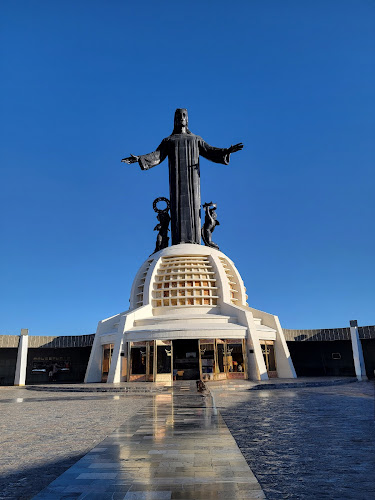
Museo del Santuario Cristo Rey
About Museo del Santuario Cristo Rey
Description
Walk through the Museo del Santuario Cristo Rey and you’ll get the strong sense that you’ve somehow stepped into the very heart of Guanajuato’s spirit—at least, that’s how it felt for me on my first visit there. It’s not just a collection of dusty relics and glass cases; this museum, perched near the base of the famous Cristo Rey monument, offers a real, up-close look into the colorful tapestry of faith, culture, and community that makes this corner of Mexico so fascinating.
For folks who appreciate stories that leap out from behind the usual tourist snapshots, the Museo del Santuario Cristo Rey is a gold mine. The exhibits focus on religious art, artifacts, and photographs chronicling the construction of the imposing Cristo Rey statue itself. You can trace the journey of countless pilgrims who have traveled here over generations—locals and out-of-towners alike. I’ll admit: if you’re the sort who gets goosebumps from standing inches away from centuries-old artifacts, you’re in for a treat. This place doesn’t just document history; it stitches you right into it.
Now, it’s not a massive, sprawling museum where you’ll get lost for hours. Honestly, that’s part of the charm. The scale is just right—enough to be immersive, but not so large that it leaves you worn out (or worse, with cranky kids in tow). This spot is perfectly suitable for families, too. Children respond well to the visual displays—even my niece, who normally wilts at the mention of “museum,” had her nose pressed up against the glass peering at ceremonial robes and the old tools used to build Cristo Rey. There’s also a palpable energy here; a steady stream of visitors gives the museum a feeling of living history, as if each person adds a page to its endless story.
But let’s keep it real—those expecting slick, cutting-edge interactive displays typical of newer museums may find the offerings a bit old-school. What the museum lacks in technical flash, it more than makes up for with sincerity, depth, and authenticity. You’ll leave with a better sense of why the monument and this region mean so much to so many.
Key Features
- Religious and Cultural Artifacts – Rarely seen items, from processional banners to early 20th-century tools, offer insight into the region’s vivid religious practices and traditions.
- Historical Exhibits – Detailed accounts and photos tell the gripping story of the Cristo Rey monument’s construction during a turbulent time in Mexican history.
- Family-Friendly Layout – Walkable spaces and straightforward exhibits mean families (including kids) can engage without feeling overwhelmed.
- Accessible Information – Clear labels and interpretive panels in Spanish (and some English), making it easy for non-Spanish speakers to appreciate the depth of the exhibits.
- Atmosphere of Reflection – A quietly moving ambiance, inviting visitors to ponder the broader meanings of faith, sacrifice, and unity among communities.
- Location – Just steps from the foothills of one of Mexico’s tallest monuments. The museum offers striking views of the landscape—honestly, worth a photo or five.
- Personal Touches – Many displays are curated with handwritten notes and personal accounts, lending the experience a warmth that big-city museums sometimes lack.
Best Time to Visit
You know how some museums feel a bit off if you catch them at the wrong time? That’s not really the case here, but if you want to catch the museum at its most atmospheric, aim for late fall through early spring. The crowds tend to swell noticeably around certain religious holidays, especially November 20th—can get downright bustling during the annual pilgrimage commemorating the Cristo Rey monument’s dedication. On those days, the entire sanctuary vibrates with activity, but if you’d rather have a quieter, more contemplative visit, go mid-week or in the morning.
The weather in this part of Guanajuato is at its friendliest from November to April: cool mornings, mild afternoons, and crisp evenings that make walking up to the sanctuary a pleasure instead of a chore. If you’re like me and like to avoid sunburns and long lines, steer clear of midday in the summer. The highlands can feel deceptively cool in the shade but brutal under direct sun.
In short: plan for weekdays if possible, lean toward shoulder seasons (either side of major holidays), and bring a light jacket—mountain breezes can surprise you!
How to Get There
You’ve got some options for making your way up to the museum, and each has its own flavor of adventure. Most travelers arrive via Silao, the nearest sizable town—the base city for visits to both the monument and its museum. From Silao, buses and taxis offer shared rides up to Cerro del Cubilete, where both the Cristo Rey statue and the museum await.
By Car: If you’ve got your own wheels (maybe a rental), the drive is straightforward but twisty. Expect narrow mountain roads with picture-perfect views that’ll tempt you to stop for a quick photo every ten minutes. Parking is available at the sanctuary, but it can get packed on major holidays.
By Public Transportation: Buses marked for the sanctuary run from the main station in Silao, dropping you off just a short walk from the museum entrance. They don’t run terribly late, so plan ahead, especially if you want sunset photos at the top.
On Foot (For the Adventurous): Every year, hundreds of pilgrims make the trek on foot. If you’re up for it and reasonably fit, you can walk the old pilgrimage paths that snake up the mountain—multi-hour hikes through rugged but beautiful country. Bring water and a sense of adventure.
If you’re traveling with kids or older relatives (or just don’t fancy huffing and puffing up steep hills), stick with a car or bus. The access is safe, signage is good, and every local I’ve ever asked for directions offered a smile and genuinely helpful advice.
Tips for Visiting
- Prep for Altitude: The sanctuary sits over 2,500 meters (8,200+ feet) above sea level. Take it easy if you’re sensitive to altitude or haven’t spent much time at elevation. Don’t be shy about taking breaks or hydrating more than usual.
- Pack Snacks: There’s no restaurant on-site at the museum, so bring water, energy bars, or some fruit. Small snack stands pop up periodically near the sanctuary, especially on weekends.
- Cash is King: Entry is usually free, but small donations are encouraged and always appreciated. No ATMs on the mountain! Bring pesos for souvenirs, candles, or a cold soda from local vendors.
- Dress Modestly: While visitors are welcome from all backgrounds, the setting is sacred. Avoid tank tops and shorts. I’ve always felt more comfortable here with a light scarf or jacket handy, especially for going into the sanctuary after the museum.
- Photography: Photos are allowed, but always double-check near sensitive displays. Some areas ask for respectful discretion—plus, a flash can really do a number on older artifacts.
- Kids Love It (Usually): Even if museums aren’t typically your child’s thing, this one surprises most little ones with hands-on objects, bright colors, and the adventure of being up a mountain. Just remind them to use indoor voices, especially on busy prayer days.
My last bit of advice? Don’t rush. Linger over the stories, take a moment to absorb the mountain air, and chat with the staff—they’re proud of this place and brimming with insights you won’t find in any guidebook. The Museo del Santuario Cristo Rey isn’t just a side stop. For many, it becomes the quiet highlight of their entire trip.
Take your time, stay curious, and enjoy every step through this small but powerful museum. You never know what perspective you’ll gain—or which story will stick with you long after you drive back down the mountain.
Key Features
- Key Features
- Best Time to Visit
- How to Get There
- Tips for Visiting
More Details
Updated July 6, 2025
Table of Contents
Description
Walk through the Museo del Santuario Cristo Rey and you’ll get the strong sense that you’ve somehow stepped into the very heart of Guanajuato’s spirit—at least, that’s how it felt for me on my first visit there. It’s not just a collection of dusty relics and glass cases; this museum, perched near the base of the famous Cristo Rey monument, offers a real, up-close look into the colorful tapestry of faith, culture, and community that makes this corner of Mexico so fascinating.
For folks who appreciate stories that leap out from behind the usual tourist snapshots, the Museo del Santuario Cristo Rey is a gold mine. The exhibits focus on religious art, artifacts, and photographs chronicling the construction of the imposing Cristo Rey statue itself. You can trace the journey of countless pilgrims who have traveled here over generations—locals and out-of-towners alike. I’ll admit: if you’re the sort who gets goosebumps from standing inches away from centuries-old artifacts, you’re in for a treat. This place doesn’t just document history; it stitches you right into it.
Now, it’s not a massive, sprawling museum where you’ll get lost for hours. Honestly, that’s part of the charm. The scale is just right—enough to be immersive, but not so large that it leaves you worn out (or worse, with cranky kids in tow). This spot is perfectly suitable for families, too. Children respond well to the visual displays—even my niece, who normally wilts at the mention of “museum,” had her nose pressed up against the glass peering at ceremonial robes and the old tools used to build Cristo Rey. There’s also a palpable energy here; a steady stream of visitors gives the museum a feeling of living history, as if each person adds a page to its endless story.
But let’s keep it real—those expecting slick, cutting-edge interactive displays typical of newer museums may find the offerings a bit old-school. What the museum lacks in technical flash, it more than makes up for with sincerity, depth, and authenticity. You’ll leave with a better sense of why the monument and this region mean so much to so many.
Key Features
- Religious and Cultural Artifacts – Rarely seen items, from processional banners to early 20th-century tools, offer insight into the region’s vivid religious practices and traditions.
- Historical Exhibits – Detailed accounts and photos tell the gripping story of the Cristo Rey monument’s construction during a turbulent time in Mexican history.
- Family-Friendly Layout – Walkable spaces and straightforward exhibits mean families (including kids) can engage without feeling overwhelmed.
- Accessible Information – Clear labels and interpretive panels in Spanish (and some English), making it easy for non-Spanish speakers to appreciate the depth of the exhibits.
- Atmosphere of Reflection – A quietly moving ambiance, inviting visitors to ponder the broader meanings of faith, sacrifice, and unity among communities.
- Location – Just steps from the foothills of one of Mexico’s tallest monuments. The museum offers striking views of the landscape—honestly, worth a photo or five.
- Personal Touches – Many displays are curated with handwritten notes and personal accounts, lending the experience a warmth that big-city museums sometimes lack.
Best Time to Visit
You know how some museums feel a bit off if you catch them at the wrong time? That’s not really the case here, but if you want to catch the museum at its most atmospheric, aim for late fall through early spring. The crowds tend to swell noticeably around certain religious holidays, especially November 20th—can get downright bustling during the annual pilgrimage commemorating the Cristo Rey monument’s dedication. On those days, the entire sanctuary vibrates with activity, but if you’d rather have a quieter, more contemplative visit, go mid-week or in the morning.
The weather in this part of Guanajuato is at its friendliest from November to April: cool mornings, mild afternoons, and crisp evenings that make walking up to the sanctuary a pleasure instead of a chore. If you’re like me and like to avoid sunburns and long lines, steer clear of midday in the summer. The highlands can feel deceptively cool in the shade but brutal under direct sun.
In short: plan for weekdays if possible, lean toward shoulder seasons (either side of major holidays), and bring a light jacket—mountain breezes can surprise you!
How to Get There
You’ve got some options for making your way up to the museum, and each has its own flavor of adventure. Most travelers arrive via Silao, the nearest sizable town—the base city for visits to both the monument and its museum. From Silao, buses and taxis offer shared rides up to Cerro del Cubilete, where both the Cristo Rey statue and the museum await.
By Car: If you’ve got your own wheels (maybe a rental), the drive is straightforward but twisty. Expect narrow mountain roads with picture-perfect views that’ll tempt you to stop for a quick photo every ten minutes. Parking is available at the sanctuary, but it can get packed on major holidays.
By Public Transportation: Buses marked for the sanctuary run from the main station in Silao, dropping you off just a short walk from the museum entrance. They don’t run terribly late, so plan ahead, especially if you want sunset photos at the top.
On Foot (For the Adventurous): Every year, hundreds of pilgrims make the trek on foot. If you’re up for it and reasonably fit, you can walk the old pilgrimage paths that snake up the mountain—multi-hour hikes through rugged but beautiful country. Bring water and a sense of adventure.
If you’re traveling with kids or older relatives (or just don’t fancy huffing and puffing up steep hills), stick with a car or bus. The access is safe, signage is good, and every local I’ve ever asked for directions offered a smile and genuinely helpful advice.
Tips for Visiting
- Prep for Altitude: The sanctuary sits over 2,500 meters (8,200+ feet) above sea level. Take it easy if you’re sensitive to altitude or haven’t spent much time at elevation. Don’t be shy about taking breaks or hydrating more than usual.
- Pack Snacks: There’s no restaurant on-site at the museum, so bring water, energy bars, or some fruit. Small snack stands pop up periodically near the sanctuary, especially on weekends.
- Cash is King: Entry is usually free, but small donations are encouraged and always appreciated. No ATMs on the mountain! Bring pesos for souvenirs, candles, or a cold soda from local vendors.
- Dress Modestly: While visitors are welcome from all backgrounds, the setting is sacred. Avoid tank tops and shorts. I’ve always felt more comfortable here with a light scarf or jacket handy, especially for going into the sanctuary after the museum.
- Photography: Photos are allowed, but always double-check near sensitive displays. Some areas ask for respectful discretion—plus, a flash can really do a number on older artifacts.
- Kids Love It (Usually): Even if museums aren’t typically your child’s thing, this one surprises most little ones with hands-on objects, bright colors, and the adventure of being up a mountain. Just remind them to use indoor voices, especially on busy prayer days.
My last bit of advice? Don’t rush. Linger over the stories, take a moment to absorb the mountain air, and chat with the staff—they’re proud of this place and brimming with insights you won’t find in any guidebook. The Museo del Santuario Cristo Rey isn’t just a side stop. For many, it becomes the quiet highlight of their entire trip.
Take your time, stay curious, and enjoy every step through this small but powerful museum. You never know what perspective you’ll gain—or which story will stick with you long after you drive back down the mountain.
Key Highlights
- Key Features
- Best Time to Visit
- How to Get There
- Tips for Visiting
Location
Places to Stay Near Museo del Santuario Cristo Rey
Find and Book a Tour
Explore More Travel Guides
No reviews found! Be the first to review!
Traveler Reviews for Museo del Santuario Cristo Rey
There are no reviews yet. Be the first one to write one.
Have you visited Museo del Santuario Cristo Rey? Help other travelers by sharing your review.
You Might Also Like
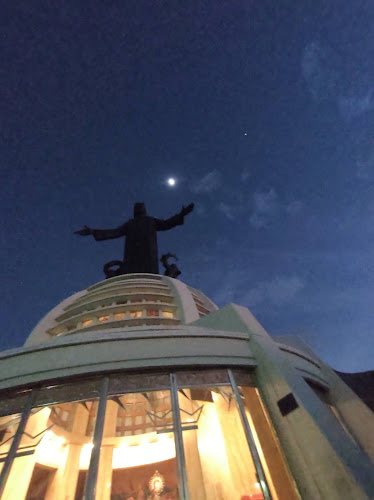
Monumento a los mártires del Cubilete
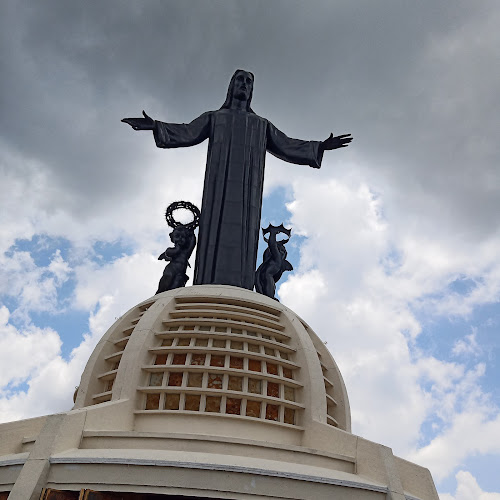
Cubilete Hill
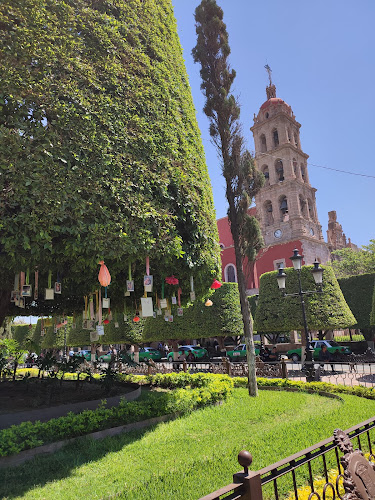
LETRAS DE SILAO
Find Accommodations Nearby
Recommended Tours & Activities
Visitor Reviews
There are no reviews yet. Be the first one to write one.
Share Your Experience
Have you visited Museo del Santuario Cristo Rey? Help other travelers by leaving a review.