
Monument aux Morts de Champigny
About Monument aux Morts de Champigny
Description
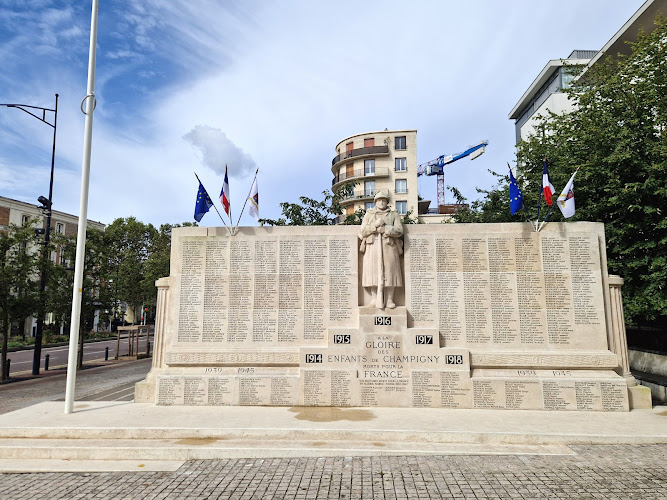
If you ever find yourself meandering through the quieter corners of Champigny-sur-Marne, away from the thrum of Paris, you might stumble upon something both solemn and surprisingly poignant—the Monument aux Morts de Champigny. Now, let me be straight with you: at first glance, it may seem like another war monument, the kind you see tucked into town squares across France. But slow down, take a breath, let the weight of history drip in, and you’ll quickly get why this place has a little extra soul. It’s not just a heap of sculpted stone; it’s the beating heart of collective memory for this community.
The Monument aux Morts stands as more than a structure—it’s a living storybook. Erected in memory of the citizens who lost their lives during the tragic riptides of war, the site is a crossroads of grief, pride, and reflection. Even if you’re not a history buff (I get it, not everyone’s into textbooks and dates), the monument’s aura pulls you in. There’s something powerful about standing in a spot where generations have gathered to remember, to mourn, to promise, “Never again.”
I remember the first time I stopped by. Dappled winter sunlight, a chilly breeze, and that hush you get right after a big storm. There’s a kind of gravity that drapes over the site—ginger footsteps, folks with flowers, or just people pausing mid-jog out of respect. Despite the seriousness, you’ll spot children scampering about and old friends quietly sharing stories on nearby benches. It’s not maudlin or gloomy; it’s peaceful, respectful. The sense of community’s thick, in the best way possible.
But don’t go expecting a flashy tourist trap or gaudy flourishes. The beauty here is subtle, for sure. You’ll see the careful engravings—each name carved into stone with care, holding whole lifetimes in just a few syllables. The statues and plaques display craftsmanship that’s both stately and intimate, nothing overdone. The monument fits right into its surroundings, blending that dignified quietness with a bold reminder of what once was. If you ask me (and since you’re here, you sort of are), these small-town memorials hit differently than anything on a Parisian avenue. They feel real. Tangible. Human.
Key Features
- Meaningful Memorial Architecture: The monument is thoughtfully designed with symbolic elements that reflect the sacrifice of the citizens of Champigny-sur-Marne. The artistry puts a human face to every name etched into the stone.
- Names Etched in Stone: Rows of local residents’ names are inscribed on plaques, serving as a permanent testament to their bravery. Each name tells its own silent story, inviting visitors to reflect and remember.
- Peaceful Surroundings: The area around the monument is well-kept and quietly beautiful, offering space for quiet contemplation. Often, you’ll find neatly trimmed hedges, tidy little flower beds, and a handful of old trees that seem to stand guard.
- Local Gathering Space: The monument isn’t just for out-of-towners—it’s a gathering point for civic ceremonies, remembrance days, and community events, particularly on November 11th (Armistice Day), which the locals observe with a unique blend of solemnity and warmth.
- Historical Significance: Dating back to the years following World War I, the monument has witnessed nearly a century of history, evolving in meaning with each new generation.
- Accessible Pathways: Flat, paved walkways make the monument approachable for everyone—including strollers, wheelchairs, and travelers with tired feet (been there). The site is open and inviting, rather than cloistered or hard to reach.
- Photogenic Qualities: Even if you’re not a shutterbug, there’s no denying that the monument photographs beautifully at sunrise or just after rain, with subtle light and shadow playing off the stone. It’s Instagram-worthy, but in a way that doesn’t feel forced.
- Plaques and Interpretation: You’ll find explanatory plaques (in French, but don’t let that intimidate you—Google Translate is your friend) sharing context about the memorial, its origins, and the people it honors.
Best Time to Visit
So, when’s the best time to drop by? Well, I’d argue there’s something to admire any day of the year, but timing your visit with a local ceremony takes the experience up a notch. Annual remembrances—especially Armistice Day (November 11th)—see the site vibrant with flowers, tricolor flags, and heartfelt speeches. It feels almost electric, even if you don’t speak much French. These moments can tug at even the toughest of heartstrings—don’t say I didn’t warn you.
If you prefer a quieter, more meditative experience (I get it; sometimes you just want a bit of space), early mornings or late afternoons during spring and autumn are fantastic. The weather’s mild, the flowers are blooming, and the shifting light gives new textures to the monument’s surfaces. I once lingered here in late September, warm sun on my shoulders, reading inscriptions in peace. Late winter has its own sparse, thoughtful atmosphere too, with fewer crowds and a silvery beauty.
Summer afternoons can get busier, especially as families pass through on school holidays. If you’re after solitude or reflection, avoid major holidays and pop by on a weekday. And don’t forget—French rain showers, though unpredictable, can clear the grounds in minutes, offering unexpectedly quiet moments.
How to Get There
Getting to the Monument aux Morts de Champigny isn’t rocket science, but a little planning goes a long way. If you’re coming from central Paris (guilty as charged—I’ve taken this trip more than a few times), the fastest option is the RER A line. Just hop off at Champigny station and give yourself a brisk 10-15 minute stroll. The walk’s not half bad—quaint shops, a boulangerie or two, and the everyday rhythm of this suburb rolling by.
Driving is an option, and there’s usually street parking nearby, but don’t expect endless free spaces during ceremonies or market days. And hey, if cycling’s your thing, the area is reasonably bike-friendly (though mind the occasional cobblestone—these old lanes have character, sometimes too much).
For accessibility, public transport really shines. Buses also pass through regularly, particularly those linking to the larger train network—useful if you want to keep your travel nimble. If you ever get turned around (happens to the best of us, especially with French signage), friendly locals are often happy to point you the right way. Don’t bother hunting for parking unless you truly love a challenge.
Tips for Visiting
Okay, let’s get practical. If you really want to make the most of your visit—and maybe even feel like a local—here are a few things I’ve picked up after more visits than I can count:
- Morning Calm: Arrive before 10 a.m. if you crave tranquility. The grounds are almost meditative, and you’ll beat the school group rush (kids have a knack for popping up when you least expect them).
- Pause, Don’t Rush: Give yourself a little time just to be still. Don’t just snap a photo and bounce—it’s easy to miss more subtle details of craftsmanship and inscription if you’re in sprint mode.
- Respectful Attire: It’s a memorial, so keep clothing modest and conversation soft. Locals appreciate visitors who approach the monument with a sense of occasion. No need for Sunday best, but maybe skip the raucous laughter.
- Language Barrier? Don’t sweat it. French plaques can be cryptic, but translation apps are your friend. Local shopkeepers and passersby have often been more than accommodating—one elderly gentleman once gave me a ten-minute oral history while I was deciphering a plaque.
- Bring a Flower: It’s a quiet tradition to leave small bouquets at the foot of the monument. Even just a single wildflower feels meaningful here and reflects a bit of local custom.
- Photography with Sensitivity: Snap photos, sure, but do so discreetly out of respect for mourners or those paying tribute. Moments here are often personal.
- Combine Your Visit: Consider pairing the monument with a stroll through nearby parks or a café stop down the road. You’ll get a fuller sense of the neighborhood’s character—its everyday joys and its long-held sorrows.
It’s easy to forget in our Instagram-chasing world, but places like
Key Features
- Key Features
- Best Time to Visit
- How to Get There
- Tips for Visiting
More Details
Updated July 6, 2025
Table of Contents
Description
If you ever find yourself meandering through the quieter corners of Champigny-sur-Marne, away from the thrum of Paris, you might stumble upon something both solemn and surprisingly poignant—the Monument aux Morts de Champigny. Now, let me be straight with you: at first glance, it may seem like another war monument, the kind you see tucked into town squares across France. But slow down, take a breath, let the weight of history drip in, and you’ll quickly get why this place has a little extra soul. It’s not just a heap of sculpted stone; it’s the beating heart of collective memory for this community.
The Monument aux Morts stands as more than a structure—it’s a living storybook. Erected in memory of the citizens who lost their lives during the tragic riptides of war, the site is a crossroads of grief, pride, and reflection. Even if you’re not a history buff (I get it, not everyone’s into textbooks and dates), the monument’s aura pulls you in. There’s something powerful about standing in a spot where generations have gathered to remember, to mourn, to promise, “Never again.”
I remember the first time I stopped by. Dappled winter sunlight, a chilly breeze, and that hush you get right after a big storm. There’s a kind of gravity that drapes over the site—ginger footsteps, folks with flowers, or just people pausing mid-jog out of respect. Despite the seriousness, you’ll spot children scampering about and old friends quietly sharing stories on nearby benches. It’s not maudlin or gloomy; it’s peaceful, respectful. The sense of community’s thick, in the best way possible.
But don’t go expecting a flashy tourist trap or gaudy flourishes. The beauty here is subtle, for sure. You’ll see the careful engravings—each name carved into stone with care, holding whole lifetimes in just a few syllables. The statues and plaques display craftsmanship that’s both stately and intimate, nothing overdone. The monument fits right into its surroundings, blending that dignified quietness with a bold reminder of what once was. If you ask me (and since you’re here, you sort of are), these small-town memorials hit differently than anything on a Parisian avenue. They feel real. Tangible. Human.
Key Features
- Meaningful Memorial Architecture: The monument is thoughtfully designed with symbolic elements that reflect the sacrifice of the citizens of Champigny-sur-Marne. The artistry puts a human face to every name etched into the stone.
- Names Etched in Stone: Rows of local residents’ names are inscribed on plaques, serving as a permanent testament to their bravery. Each name tells its own silent story, inviting visitors to reflect and remember.
- Peaceful Surroundings: The area around the monument is well-kept and quietly beautiful, offering space for quiet contemplation. Often, you’ll find neatly trimmed hedges, tidy little flower beds, and a handful of old trees that seem to stand guard.
- Local Gathering Space: The monument isn’t just for out-of-towners—it’s a gathering point for civic ceremonies, remembrance days, and community events, particularly on November 11th (Armistice Day), which the locals observe with a unique blend of solemnity and warmth.
- Historical Significance: Dating back to the years following World War I, the monument has witnessed nearly a century of history, evolving in meaning with each new generation.
- Accessible Pathways: Flat, paved walkways make the monument approachable for everyone—including strollers, wheelchairs, and travelers with tired feet (been there). The site is open and inviting, rather than cloistered or hard to reach.
- Photogenic Qualities: Even if you’re not a shutterbug, there’s no denying that the monument photographs beautifully at sunrise or just after rain, with subtle light and shadow playing off the stone. It’s Instagram-worthy, but in a way that doesn’t feel forced.
- Plaques and Interpretation: You’ll find explanatory plaques (in French, but don’t let that intimidate you—Google Translate is your friend) sharing context about the memorial, its origins, and the people it honors.
Best Time to Visit
So, when’s the best time to drop by? Well, I’d argue there’s something to admire any day of the year, but timing your visit with a local ceremony takes the experience up a notch. Annual remembrances—especially Armistice Day (November 11th)—see the site vibrant with flowers, tricolor flags, and heartfelt speeches. It feels almost electric, even if you don’t speak much French. These moments can tug at even the toughest of heartstrings—don’t say I didn’t warn you.
If you prefer a quieter, more meditative experience (I get it; sometimes you just want a bit of space), early mornings or late afternoons during spring and autumn are fantastic. The weather’s mild, the flowers are blooming, and the shifting light gives new textures to the monument’s surfaces. I once lingered here in late September, warm sun on my shoulders, reading inscriptions in peace. Late winter has its own sparse, thoughtful atmosphere too, with fewer crowds and a silvery beauty.
Summer afternoons can get busier, especially as families pass through on school holidays. If you’re after solitude or reflection, avoid major holidays and pop by on a weekday. And don’t forget—French rain showers, though unpredictable, can clear the grounds in minutes, offering unexpectedly quiet moments.
How to Get There
Getting to the Monument aux Morts de Champigny isn’t rocket science, but a little planning goes a long way. If you’re coming from central Paris (guilty as charged—I’ve taken this trip more than a few times), the fastest option is the RER A line. Just hop off at Champigny station and give yourself a brisk 10-15 minute stroll. The walk’s not half bad—quaint shops, a boulangerie or two, and the everyday rhythm of this suburb rolling by.
Driving is an option, and there’s usually street parking nearby, but don’t expect endless free spaces during ceremonies or market days. And hey, if cycling’s your thing, the area is reasonably bike-friendly (though mind the occasional cobblestone—these old lanes have character, sometimes too much).
For accessibility, public transport really shines. Buses also pass through regularly, particularly those linking to the larger train network—useful if you want to keep your travel nimble. If you ever get turned around (happens to the best of us, especially with French signage), friendly locals are often happy to point you the right way. Don’t bother hunting for parking unless you truly love a challenge.
Tips for Visiting
Okay, let’s get practical. If you really want to make the most of your visit—and maybe even feel like a local—here are a few things I’ve picked up after more visits than I can count:
- Morning Calm: Arrive before 10 a.m. if you crave tranquility. The grounds are almost meditative, and you’ll beat the school group rush (kids have a knack for popping up when you least expect them).
- Pause, Don’t Rush: Give yourself a little time just to be still. Don’t just snap a photo and bounce—it’s easy to miss more subtle details of craftsmanship and inscription if you’re in sprint mode.
- Respectful Attire: It’s a memorial, so keep clothing modest and conversation soft. Locals appreciate visitors who approach the monument with a sense of occasion. No need for Sunday best, but maybe skip the raucous laughter.
- Language Barrier? Don’t sweat it. French plaques can be cryptic, but translation apps are your friend. Local shopkeepers and passersby have often been more than accommodating—one elderly gentleman once gave me a ten-minute oral history while I was deciphering a plaque.
- Bring a Flower: It’s a quiet tradition to leave small bouquets at the foot of the monument. Even just a single wildflower feels meaningful here and reflects a bit of local custom.
- Photography with Sensitivity: Snap photos, sure, but do so discreetly out of respect for mourners or those paying tribute. Moments here are often personal.
- Combine Your Visit: Consider pairing the monument with a stroll through nearby parks or a café stop down the road. You’ll get a fuller sense of the neighborhood’s character—its everyday joys and its long-held sorrows.
It’s easy to forget in our Instagram-chasing world, but places like
Key Highlights
- Key Features
- Best Time to Visit
- How to Get There
- Tips for Visiting
Location
Places to Stay Near Monument aux Morts de Champigny
Find and Book a Tour
Explore More Travel Guides
No reviews found! Be the first to review!
Traveler Reviews for Monument aux Morts de Champigny
There are no reviews yet. Be the first one to write one.
Have you visited Monument aux Morts de Champigny? Help other travelers by sharing your review.
You Might Also Like
54 Pass. la Fontaine

385 Av. Jacques Copeau
Le Belvédère - Bar / Restaurant / Évènement
Find Accommodations Nearby
Recommended Tours & Activities
Visitor Reviews
There are no reviews yet. Be the first one to write one.
Share Your Experience
Have you visited Monument aux Morts de Champigny? Help other travelers by leaving a review.