
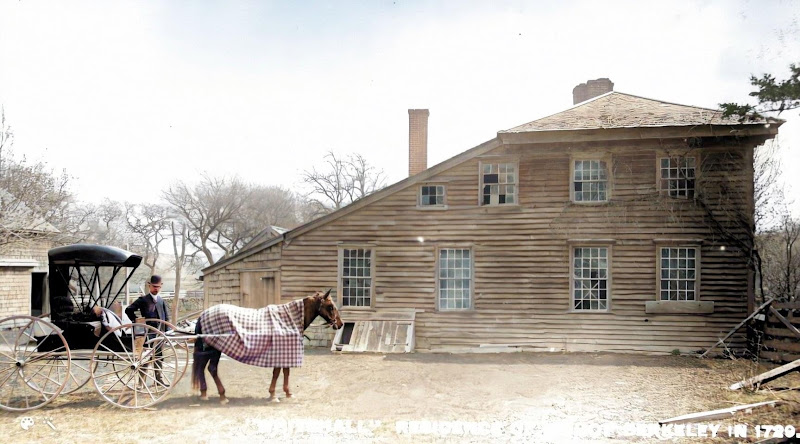
Whitehall Museum House
About Whitehall Museum House
Description
Step beyond the typical tourist path in Rhode Island and you'll discover the Whitehall Museum House, one of those quiet gems that reward the curious and the contemplative. This unassuming 18th-century structure holds layers of narratives—probably more than a lifetime's worth if you're willing to listen. Built in 1729, it was home to philosopher George Berkeley. Yes, that George Berkeley you might have vaguely remembered from a college philosophy class (the guy with those theories about existence only depending on perception—wild stuff, really makes you rethink reality if you get going on it).
When you set foot inside, it's not just about the old wood or creaky floorboards, but about stepping into the mind and environment of someone who tried to change the way we see and think about the world. The museum doesn't drown you in pretension; instead, it offers simple, powerful pieces of history, personal stories, and artifacts told by guides who truly care. Sometimes, you sit in a quiet room, sunlight filtering in, and you find yourself wondering what it was like to knock about Rhode Island centuries ago, before social media, before phones, even before the US was, well, the US.
You'll notice how well Whitehall has been kept—not “perfect” as in recreated to within an inch of its life, but authentic: that rare, slightly worn texture that’s hard to fake. If you're someone who loves peeling back the layers of local history (guilty as charged!), give this place more than just a passing glance. And if you've got kids along? They won't be bored senseless. There’s room to explore, and the stories have a way of making the past feel close and crackling with possibility, not dusty and distant.
Key Features
- Home of a Philosopher: The historic residence and thinkspace of George Berkeley—yes, the man with ideas big enough to shake up philosophy classes everywhere.
- Guided Tours Available: Tours are offered by folks with good stories, local lore, and answers to nearly any off-beat question about the house or Berkeley himself.
- Wheelchair Accessible Parking: Good news if you or a family member needs easy access—parking is accommodating for wheelchairs, which isn't always a given at historic sites.
- Family Friendly: When spots say “good for kids,” I always raise an eyebrow—at Whitehall, it’s actually true. The guides tweak the experience a bit for curious young minds without dumbing things down.
- Rich in Artifacts: The place is dotted with personal artifacts, period furniture, and some truly fascinating old manuscripts. Every corner practically hums with forgotten stories.
- Peaceful Grounds: The grounds are a little oasis if you want a quiet stroll before or after your tour, ideal for decompressing if you’re the reflective type.
Best Time to Visit
If you want to get the most out of your trip, late spring through early fall is the best bet. I know folks who trek to Whitehall in summer when the air in Rhode Island practically hums with history and the gardens offer a calm, leafy break. You'll miss the bitter winds of winter (unless that's your thing—no judgment), and the light coming through the old glass windows brings out a certain charm in every room.
Weekdays tend to be quieter. If you're someone who prefers a less crowded, almost private tour (I relate, introverts unite!), shoot for a mid-week morning. Special events or lectures sometimes pop up, especially peak season—worth calling ahead since those can really bring the place to life and you'll get sprinkles of extra stories not on the standard menu. And don’t let weather scare you off; even on rainy days, the cozy interiors make it an atmospheric retreat.
How to Get There
Getting to Whitehall Museum House isn’t some epic, cross-country expedition, but sometimes the anticipation makes it feel special. By car, the drive is straightforward—if you’re visiting from Newport or anywhere up the coast, expect a pretty, scenic route dotted with those classic New England stone walls and old oaks. There's parking right on-site, and I can't emphasize enough what a relief it is not to circle anxiously looking for a spot (we've all been there—Rhode Island summers can be a zoo).
If you like public transport, there are buses running nearby, but schedules can be spotty on weekends. Personally, I've biked from nearby towns, and the surrounding area is just ripe for a leisurely ride, especially during the shoulder seasons when the air is crisp but not frosty. GPS gets you there easily—just don’t be alarmed when you turn onto a slightly sleepy, residential road. That’s part of the charm: it feels like discovering a secret, like the best stories always do.
Tips for Visiting
First tip: Don't rush. I used to be the whirlwind tour type, but here you really want to let stories soak in. There’s something about Whitehall—maybe it’s the way light seems to settle, maybe it’s the sense that revolutionary ideas were actually hatched in this spot—that encourages lingering. Okay, maybe that sounds grand, but take it from a serial overstimulated traveler: enjoy a slower pace.
Booking a tour ahead is wise, especially during busy months. The guides are where much of the magic happens, and hearing a bit of local insight, peppered with funny tidbits, can change a decent visit into an unforgettable one. For families, mention if you have young kids—the staff love tailoring stories to little ears and short attention spans.
Pro tip—don’t skip the opportunity to chat with staff or fellow history buffs hanging around. Some of the best local recommendations (hidden ice cream shops, secret coastal walks nearby) have come from side conversations in corners of museums like this. If you're the journaling type, bring a notebook; I always seem to leave Whitehall with a head full of ideas and a list of things to research or ponder back home.
The house isn’t heated like a modern home, so dress for the season—layers during fall and spring. Its charm doesn’t quite extend to an on-site café, but the nearby towns do not disappoint in the food department, so pack a snack if you're quick to get peckish. Also: turn your phone off. I know, old-school—but sometimes it’s the only way to connect with the slower and stranger pace of previous centuries.
Last thought? Come ready to ask questions and share a laugh with the guides. History isn’t just for textbooks or guided tours—it lives here, bubbling up in the odd handshake, the crinkle of a guide’s smile, or the peculiar thrill of sitting in a philosopher’s study and realizing: someone stood here centuries ago and dreamed the world different. What better way to spend an afternoon?
Key Features
- Key Features
- Best Time to Visit
- How to Get There
- Tips for Visiting
More Details
Updated July 6, 2025
Table of Contents
Description
Step beyond the typical tourist path in Rhode Island and you’ll discover the Whitehall Museum House, one of those quiet gems that reward the curious and the contemplative. This unassuming 18th-century structure holds layers of narratives—probably more than a lifetime’s worth if you’re willing to listen. Built in 1729, it was home to philosopher George Berkeley. Yes, that George Berkeley you might have vaguely remembered from a college philosophy class (the guy with those theories about existence only depending on perception—wild stuff, really makes you rethink reality if you get going on it).
When you set foot inside, it’s not just about the old wood or creaky floorboards, but about stepping into the mind and environment of someone who tried to change the way we see and think about the world. The museum doesn’t drown you in pretension; instead, it offers simple, powerful pieces of history, personal stories, and artifacts told by guides who truly care. Sometimes, you sit in a quiet room, sunlight filtering in, and you find yourself wondering what it was like to knock about Rhode Island centuries ago, before social media, before phones, even before the US was, well, the US.
You’ll notice how well Whitehall has been kept—not “perfect” as in recreated to within an inch of its life, but authentic: that rare, slightly worn texture that’s hard to fake. If you’re someone who loves peeling back the layers of local history (guilty as charged!), give this place more than just a passing glance. And if you’ve got kids along? They won’t be bored senseless. There’s room to explore, and the stories have a way of making the past feel close and crackling with possibility, not dusty and distant.
Key Features
- Home of a Philosopher: The historic residence and thinkspace of George Berkeley—yes, the man with ideas big enough to shake up philosophy classes everywhere.
- Guided Tours Available: Tours are offered by folks with good stories, local lore, and answers to nearly any off-beat question about the house or Berkeley himself.
- Wheelchair Accessible Parking: Good news if you or a family member needs easy access—parking is accommodating for wheelchairs, which isn’t always a given at historic sites.
- Family Friendly: When spots say “good for kids,” I always raise an eyebrow—at Whitehall, it’s actually true. The guides tweak the experience a bit for curious young minds without dumbing things down.
- Rich in Artifacts: The place is dotted with personal artifacts, period furniture, and some truly fascinating old manuscripts. Every corner practically hums with forgotten stories.
- Peaceful Grounds: The grounds are a little oasis if you want a quiet stroll before or after your tour, ideal for decompressing if you’re the reflective type.
Best Time to Visit
If you want to get the most out of your trip, late spring through early fall is the best bet. I know folks who trek to Whitehall in summer when the air in Rhode Island practically hums with history and the gardens offer a calm, leafy break. You’ll miss the bitter winds of winter (unless that’s your thing—no judgment), and the light coming through the old glass windows brings out a certain charm in every room.
Weekdays tend to be quieter. If you’re someone who prefers a less crowded, almost private tour (I relate, introverts unite!), shoot for a mid-week morning. Special events or lectures sometimes pop up, especially peak season—worth calling ahead since those can really bring the place to life and you’ll get sprinkles of extra stories not on the standard menu. And don’t let weather scare you off; even on rainy days, the cozy interiors make it an atmospheric retreat.
How to Get There
Getting to Whitehall Museum House isn’t some epic, cross-country expedition, but sometimes the anticipation makes it feel special. By car, the drive is straightforward—if you’re visiting from Newport or anywhere up the coast, expect a pretty, scenic route dotted with those classic New England stone walls and old oaks. There’s parking right on-site, and I can’t emphasize enough what a relief it is not to circle anxiously looking for a spot (we’ve all been there—Rhode Island summers can be a zoo).
If you like public transport, there are buses running nearby, but schedules can be spotty on weekends. Personally, I’ve biked from nearby towns, and the surrounding area is just ripe for a leisurely ride, especially during the shoulder seasons when the air is crisp but not frosty. GPS gets you there easily—just don’t be alarmed when you turn onto a slightly sleepy, residential road. That’s part of the charm: it feels like discovering a secret, like the best stories always do.
Tips for Visiting
First tip: Don’t rush. I used to be the whirlwind tour type, but here you really want to let stories soak in. There’s something about Whitehall—maybe it’s the way light seems to settle, maybe it’s the sense that revolutionary ideas were actually hatched in this spot—that encourages lingering. Okay, maybe that sounds grand, but take it from a serial overstimulated traveler: enjoy a slower pace.
Booking a tour ahead is wise, especially during busy months. The guides are where much of the magic happens, and hearing a bit of local insight, peppered with funny tidbits, can change a decent visit into an unforgettable one. For families, mention if you have young kids—the staff love tailoring stories to little ears and short attention spans.
Pro tip—don’t skip the opportunity to chat with staff or fellow history buffs hanging around. Some of the best local recommendations (hidden ice cream shops, secret coastal walks nearby) have come from side conversations in corners of museums like this. If you’re the journaling type, bring a notebook; I always seem to leave Whitehall with a head full of ideas and a list of things to research or ponder back home.
The house isn’t heated like a modern home, so dress for the season—layers during fall and spring. Its charm doesn’t quite extend to an on-site café, but the nearby towns do not disappoint in the food department, so pack a snack if you’re quick to get peckish. Also: turn your phone off. I know, old-school—but sometimes it’s the only way to connect with the slower and stranger pace of previous centuries.
Last thought? Come ready to ask questions and share a laugh with the guides. History isn’t just for textbooks or guided tours—it lives here, bubbling up in the odd handshake, the crinkle of a guide’s smile, or the peculiar thrill of sitting in a philosopher’s study and realizing: someone stood here centuries ago and dreamed the world different. What better way to spend an afternoon?
Key Highlights
- Key Features
- Best Time to Visit
- How to Get There
- Tips for Visiting
Location
Places to Stay Near Whitehall Museum House
Find and Book a Tour
Explore More Travel Guides
No reviews found! Be the first to review!
Traveler Reviews for Whitehall Museum House
There are no reviews yet. Be the first one to write one.
Have you visited Whitehall Museum House? Help other travelers by sharing your review.
You Might Also Like

Middletown Main Street
Paradise Valley Park
Augustine Beach Access Area
Find Accommodations Nearby
Recommended Tours & Activities
Visitor Reviews
There are no reviews yet. Be the first one to write one.
Share Your Experience
Have you visited Whitehall Museum House? Help other travelers by leaving a review.