
Ouidah Fà
About Ouidah Fà
Description
I stumbled upon the Ouidah Fà Buddhist temple during a trip that started out, honestly, with a bit of skepticism. When you think of Ouidah, you usually picture the historic slave route or maybe some ancient voodoo shrines—at least, that's where my brain goes. But winding through the heart of this West African city, there it is: a temple that whispers a whole different type of stillness into the sweaty, bustling air. It’s not massive or flashy. It doesn’t have the fame of bigger temples in Thailand or Tibet, but that’s actually what makes it oddly captivating.
The temple itself? It’s got a low-profile presence, sort of like that introvert in a group who's quietly fascinating once you actually chat with them. The place exudes a gentle sense of welcome, and there's this palpable feeling that you’ve stumbled into a really personal corner of Ouidah. Maybe the word is understated: simple, peaceful, and genuinely spiritual. You hear the soft clinking of prayer beads, and the drifting hum of distant chants, but life seems to swirl calmly around the temple gates.
Inside, natural light does most of the work. There’s this interplay between shadow and color, thanks to a few well-placed banners and simple decor, so you almost want to lower your voice out of respect. The community here is small but warm. I’ve sat and watched a group meditate, a local caretaker sharing tea with a novice, and it just felt so honest. You don’t need a “spiritual awakening” to appreciate it. If you’re looking for somewhere to ground yourself, or even just to pause the tourist treadmill for an hour, the Ouidah Fà Buddhist temple is refreshingly real.
And yes, there's a restroom on site. Not the most glamorous topic, but trust me—after long hours exploring under the West African sun, you’ll appreciate that more than any ornate golden stupa. It's the little things, right?
Key Features
- Peaceful meditation space: The temple offers a retreat from the noise of daily life. Even travelers who aren’t Buddhists say the air hangs heavier with tranquility here.
- Simple, meaningful architecture: Unlike grand temples with gold-clad roofs, Ouidah Fà stands out with its humility. This is a place where authenticity trumps extravagance.
- Welcoming local caretakers: Don’t be shy about saying hello. Friendly faces tend to outnumber crowds, and you might even get invited to join a cup of tea or a quiet laugh.
- Spontaneous storytelling: If you stick around long enough, locals sometimes share stories about the temple’s role in the community. These stories linger longer in your memory than glossy guidebook facts.
- Restroom on site: A basic amenity, but a real lifesaver for travelers who’ve been on the road for hours.
- Low foot traffic: Unlike heavily touristed sites, the temple generally enjoys a peaceful vibe—no elbowing for a spot to sit or snap photos here.
- Rich cultural crossroads: In Ouidah, where religious traditions intertwine, this Buddhist temple is a living testament to the city’s diversity and inclusiveness.
Best Time to Visit
If you ask me, the trick is to sidestep the hottest hours. From November to March, the weather leans toward forgiving. You won’t be dripping buckets as soon as you step outside. Mornings are the real sweet spot—that fresh, pre-noon air is somehow made for reflection. And, if you’re lucky enough to catch the tail end of a meditation session, it’s even more special.
I noticed the temple steps get busiest (and by busy, I mean a handful of people rather than a tour-bus crowd) late afternoons on weekends. Weekdays are your friend if you’re hungry for solitude. If rain is in the forecast—especially June through September—you might be dashing for cover, but sometimes the rhythmic drumming of rain on the roof adds a layer of serenity that’s pretty unforgettable.
And here’s the clincher: local festivals or religious observances don’t follow a rigid calendar, but if you happen on a Buddhist holiday, it’s well worth staying to watch how the temple quietly comes alive. There’s no pomp, just sincere celebration.
How to Get There
Now, getting to the Ouidah Fà temple isn’t what I’d call a click-and-go kind of experience, but that’s part of the appeal. Most travelers come from Cotonou, which is about 40 kilometers away (that’s roughly an hour by car, if all the stars align and the roads are behaving themselves). Taxis are plentiful—just double-check the fare first, and maybe agree on it in writing to avoid surprises. If you’re feeling adventurous, shared minibuses (or “bush taxis”) are a more wallet-friendly, albeit less predictable, option.
If you’re already in Ouidah town, walking or hiring a local moto-taxi turns the journey itself into an adventure. And truly, there’s a kind of magic to seeing the city from the back of a bouncing scooter, roasting plantain smells in the air, the pulse of daily life unfolding all around.
Signage isn’t always crystal clear—sometimes it feels like the road signs are playing hide and seek. My hack: ask a shopkeeper or a street vendor. Locals seem genuinely eager to help (and don’t be surprised if they walk with you just to point the way). When you spot the discreet entrance, don’t expect the archways or dragon sculptures you see in Buddhist temples elsewhere, but the quiet hum of contentment inside is unmistakable.
Tips for Visiting
Let’s be real for a sec: this isn’t your typical tourist hot spot. If you come seeking spiritual Instagram moments, you might leave with, well, more humility than viral photos. But if you value sincerity over spectacle, Ouidah Fà delivers in spades.
- Dress conservatively: Seriously, light cotton, sleeves, and easy shoes are your best bet (that West African heat will cook you otherwise, and the temple appreciates modesty).
- Respect the rhythm: Try not to barge in during meditative sessions (you’ll know it’s happening if everyone’s sitting quietly, eyes closed). Sit a moment, soak it all in. There’s wisdom in silence, even if your mind’s racing.
- Photography etiquette: Snap a few shots from outside, but always ask before photographing inside. The temple doesn’t feel like a “Kodak moment” kind of venue; it’s personal territory.
- Connect with locals: Maybe it’s a Benin thing, but people here are proud to share their traditions. A greeting in French (“Bonjour!”) goes a long way and can open doors to stories you won’t find in any Lonely Planet.
- Hydrate, hydrate, hydrate: Bring your own water bottle and don’t expect a snack kiosk. The basic amenities are there, but not much else in the way of creature comforts.
- Plan for quiet: If you want to brood, meditate, or just escape for a while, this is the spot. But if you’re looking for action-packed excitement, adjust those expectations.
- Stay aware of temple protocols: Shoes off at the door. Soft voices. A little bow when entering. These small gestures mean a lot.
Travel is about surprise—at least, that’s what years of wandering have taught me. Sometimes the places with rough edges and quiet corners wind up being the soul-touching ones. If your path leads you to Ouidah, make time for this unassuming temple. The Ouidah Fà Buddhist temple isn’t grand in the way you’re used to, but it leaves its mark in quiet, indelible ways.
Who knows? You might walk away feeling lighter, calmer, and—if you’re lucky—a little more connected to the world’s quieter wonders. And if nothing else, hey, you’ll have a new story to tell the next time someone asks, “What’s the most unexpected place you’ve found peace?”
Key Features
- Key Features
- Best Time to Visit
- How to Get There
- Tips for Visiting
More Details
Updated July 7, 2025
Table of Contents
Description
I stumbled upon the Ouidah Fà Buddhist temple during a trip that started out, honestly, with a bit of skepticism. When you think of Ouidah, you usually picture the historic slave route or maybe some ancient voodoo shrines—at least, that’s where my brain goes. But winding through the heart of this West African city, there it is: a temple that whispers a whole different type of stillness into the sweaty, bustling air. It’s not massive or flashy. It doesn’t have the fame of bigger temples in Thailand or Tibet, but that’s actually what makes it oddly captivating.
The temple itself? It’s got a low-profile presence, sort of like that introvert in a group who’s quietly fascinating once you actually chat with them. The place exudes a gentle sense of welcome, and there’s this palpable feeling that you’ve stumbled into a really personal corner of Ouidah. Maybe the word is understated: simple, peaceful, and genuinely spiritual. You hear the soft clinking of prayer beads, and the drifting hum of distant chants, but life seems to swirl calmly around the temple gates.
Inside, natural light does most of the work. There’s this interplay between shadow and color, thanks to a few well-placed banners and simple decor, so you almost want to lower your voice out of respect. The community here is small but warm. I’ve sat and watched a group meditate, a local caretaker sharing tea with a novice, and it just felt so honest. You don’t need a “spiritual awakening” to appreciate it. If you’re looking for somewhere to ground yourself, or even just to pause the tourist treadmill for an hour, the Ouidah Fà Buddhist temple is refreshingly real.
And yes, there’s a restroom on site. Not the most glamorous topic, but trust me—after long hours exploring under the West African sun, you’ll appreciate that more than any ornate golden stupa. It’s the little things, right?
Key Features
- Peaceful meditation space: The temple offers a retreat from the noise of daily life. Even travelers who aren’t Buddhists say the air hangs heavier with tranquility here.
- Simple, meaningful architecture: Unlike grand temples with gold-clad roofs, Ouidah Fà stands out with its humility. This is a place where authenticity trumps extravagance.
- Welcoming local caretakers: Don’t be shy about saying hello. Friendly faces tend to outnumber crowds, and you might even get invited to join a cup of tea or a quiet laugh.
- Spontaneous storytelling: If you stick around long enough, locals sometimes share stories about the temple’s role in the community. These stories linger longer in your memory than glossy guidebook facts.
- Restroom on site: A basic amenity, but a real lifesaver for travelers who’ve been on the road for hours.
- Low foot traffic: Unlike heavily touristed sites, the temple generally enjoys a peaceful vibe—no elbowing for a spot to sit or snap photos here.
- Rich cultural crossroads: In Ouidah, where religious traditions intertwine, this Buddhist temple is a living testament to the city’s diversity and inclusiveness.
Best Time to Visit
If you ask me, the trick is to sidestep the hottest hours. From November to March, the weather leans toward forgiving. You won’t be dripping buckets as soon as you step outside. Mornings are the real sweet spot—that fresh, pre-noon air is somehow made for reflection. And, if you’re lucky enough to catch the tail end of a meditation session, it’s even more special.
I noticed the temple steps get busiest (and by busy, I mean a handful of people rather than a tour-bus crowd) late afternoons on weekends. Weekdays are your friend if you’re hungry for solitude. If rain is in the forecast—especially June through September—you might be dashing for cover, but sometimes the rhythmic drumming of rain on the roof adds a layer of serenity that’s pretty unforgettable.
And here’s the clincher: local festivals or religious observances don’t follow a rigid calendar, but if you happen on a Buddhist holiday, it’s well worth staying to watch how the temple quietly comes alive. There’s no pomp, just sincere celebration.
How to Get There
Now, getting to the Ouidah Fà temple isn’t what I’d call a click-and-go kind of experience, but that’s part of the appeal. Most travelers come from Cotonou, which is about 40 kilometers away (that’s roughly an hour by car, if all the stars align and the roads are behaving themselves). Taxis are plentiful—just double-check the fare first, and maybe agree on it in writing to avoid surprises. If you’re feeling adventurous, shared minibuses (or “bush taxis”) are a more wallet-friendly, albeit less predictable, option.
If you’re already in Ouidah town, walking or hiring a local moto-taxi turns the journey itself into an adventure. And truly, there’s a kind of magic to seeing the city from the back of a bouncing scooter, roasting plantain smells in the air, the pulse of daily life unfolding all around.
Signage isn’t always crystal clear—sometimes it feels like the road signs are playing hide and seek. My hack: ask a shopkeeper or a street vendor. Locals seem genuinely eager to help (and don’t be surprised if they walk with you just to point the way). When you spot the discreet entrance, don’t expect the archways or dragon sculptures you see in Buddhist temples elsewhere, but the quiet hum of contentment inside is unmistakable.
Tips for Visiting
Let’s be real for a sec: this isn’t your typical tourist hot spot. If you come seeking spiritual Instagram moments, you might leave with, well, more humility than viral photos. But if you value sincerity over spectacle, Ouidah Fà delivers in spades.
- Dress conservatively: Seriously, light cotton, sleeves, and easy shoes are your best bet (that West African heat will cook you otherwise, and the temple appreciates modesty).
- Respect the rhythm: Try not to barge in during meditative sessions (you’ll know it’s happening if everyone’s sitting quietly, eyes closed). Sit a moment, soak it all in. There’s wisdom in silence, even if your mind’s racing.
- Photography etiquette: Snap a few shots from outside, but always ask before photographing inside. The temple doesn’t feel like a “Kodak moment” kind of venue; it’s personal territory.
- Connect with locals: Maybe it’s a Benin thing, but people here are proud to share their traditions. A greeting in French (“Bonjour!”) goes a long way and can open doors to stories you won’t find in any Lonely Planet.
- Hydrate, hydrate, hydrate: Bring your own water bottle and don’t expect a snack kiosk. The basic amenities are there, but not much else in the way of creature comforts.
- Plan for quiet: If you want to brood, meditate, or just escape for a while, this is the spot. But if you’re looking for action-packed excitement, adjust those expectations.
- Stay aware of temple protocols: Shoes off at the door. Soft voices. A little bow when entering. These small gestures mean a lot.
Travel is about surprise—at least, that’s what years of wandering have taught me. Sometimes the places with rough edges and quiet corners wind up being the soul-touching ones. If your path leads you to Ouidah, make time for this unassuming temple. The Ouidah Fà Buddhist temple isn’t grand in the way you’re used to, but it leaves its mark in quiet, indelible ways.
Who knows? You might walk away feeling lighter, calmer, and—if you’re lucky—a little more connected to the world’s quieter wonders. And if nothing else, hey, you’ll have a new story to tell the next time someone asks, “What’s the most unexpected place you’ve found peace?”
Key Highlights
- Key Features
- Best Time to Visit
- How to Get There
- Tips for Visiting
Location
Places to Stay Near Ouidah Fà
Find and Book a Tour
Explore More Travel Guides
No reviews found! Be the first to review!
Traveler Reviews for Ouidah Fà
There are no reviews yet. Be the first one to write one.
Have you visited Ouidah Fà? Help other travelers by sharing your review.
You Might Also Like
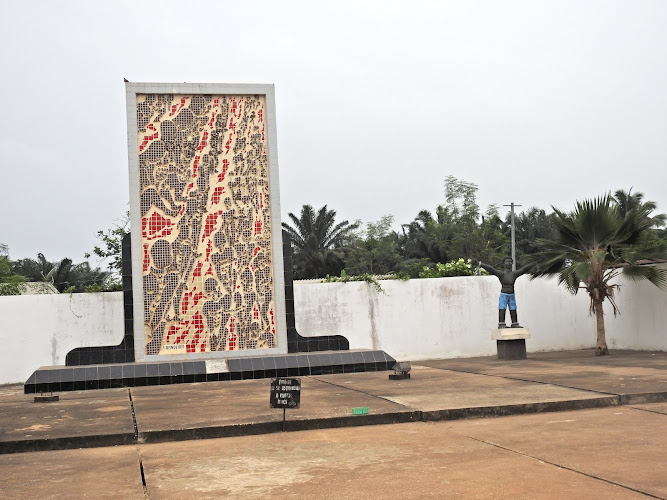
Arbre du Retour
Wagnilo codji

Ouidah plage Bénin
Find Accommodations Nearby
Recommended Tours & Activities
Visitor Reviews
There are no reviews yet. Be the first one to write one.
Share Your Experience
Have you visited Ouidah Fà? Help other travelers by leaving a review.