
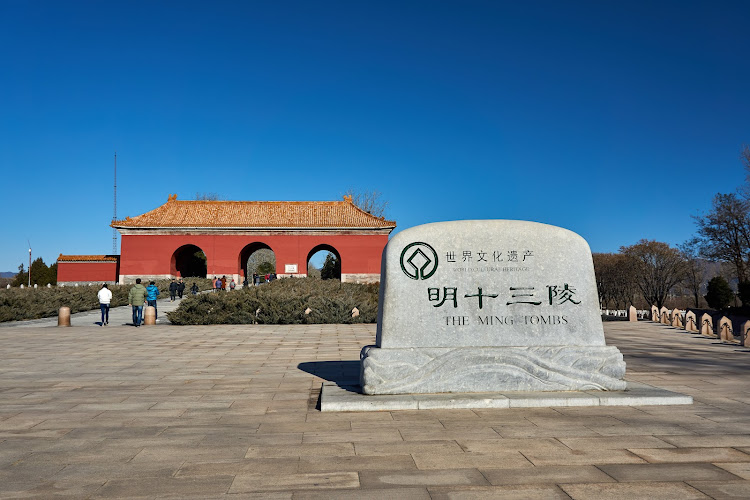
Divine Road, Maoling Tomb of the Ming Tombs
About Divine Road, Maoling Tomb of the Ming Tombs
Description
The Divine Road at Maoling Tomb is one of those places in China that really does live up to its name. Imagine a pathway so steeped in imperial power and Chinese history that every stone you step on feels electric, humming with centuries gone by. Located in the serene heart of Changping District, northwest of Beijing city, this stretch of the Ming Tombs complex is the grand ceremonial avenue built for emperors, empresses, and all those who made China’s Ming Dynasty echo through the world.
Some sites are good for a quick tour; others just encourage you to slow way down. The Sacred Way—locals will sometimes call it the “Divine Road”—leans toward that latter group. Whether you’re a history buff, love ancient architecture, or, like me, can get absolutely lost staring at a procession of weathered stone animals, this spot is truly worth the trip. And if you’ve ever wondered just how seriously people once took their afterlife, you’ll get your answer here—no textbook required.
Walking along the main way, you’re flanked by guardian statues—animals and officials frozen in time—as you approach the resting place of the emperor. There’s something spine-tingling and peaceful about this route, especially early in the day when the tourist buses haven’t yet begun their engine chorus. Sure, some might rave about the Forbidden City or the Great Wall, but there’s real magnetism here, away from the crowds. It’s easy to imagine grand processions, ancient rites, perhaps little whispers from the past echoing All around you.
The site is well-suited for kids, families, and anyone willing to take a gentle stroll—easy terrain, lots to marvel at, and, thank goodness, public restrooms. That alone can make or break a family day out, right? Now, prepare for a journey into the very core of imperial culture.
Key Features
- The Sacred Way (Shen Dao): This isn’t just any old road—the main approach to the Ming Tombs is a straight, wide, stone-paved avenue stretching over 7 kilometers, beginning at the Great Red Gate and winding north toward the mountains and mausoleums. You’ll walk the same path that imperial funeral processions took centuries ago.
- Majestic Stone Statues: Stone animals—lions, camels, elephants—and regal officials line the way in symmetrical pairs. Each statue, some standing over four meters tall, was painstakingly carved by Ming artisans. Kids tend to love these “stone guardians,” and I dare you not to imagine them coming to life after dusk.
- The Stele Pavilion: Halfway down the road is this small but impressive structure, housing a huge stone tablet atop a turtle-shaped base. The inscriptions detail the might of the Ming emperors and the vision that brought these imperial mausoleums to life.
- Arched Marble Bridges and Dragon Gates: Along your walk, spot ornate bridges and iconic dragon gates—these serve both symbolic and practical purposes in the layout, embodying everything the Ming thought about the balance between heaven and earth.
- Views of Tianshou Mountain: The valley here was chosen according to strict ancient feng shui rules. As you near Maoling Tomb, Tianshou Mountain rises up ahead for spectacular photo ops and a poignant sense of place. Even if you’re not big on nature, you’ll appreciate the grandeur of the landscape.
- Accessibility: The path is generous and mostly flat—ideal for families and casual walkers. Benches and shaded areas make it friendly for longer visits.
- Public Amenities: Clean restrooms, multilingual signage, and shaded rest stops ensure that international tourists (and their little ones) have what they need.
- Gateway to the Thirteen Tombs: This road sets the ceremonial tone for all the Ming Dynasty tombs scattered in the Changping area, including notable sites like Changling, Dingling, and Zhaoling.
Best Time to Visit
Ask anyone who’s trod these ancient stones: timing is everything. The best months are late March through early June and then September to early November. Spring brings gentle sweet-smelling blossoms that dot the entire valley. Autumn is hands-down my personal favorite—crisp air, glowing red and golden leaves, and sunlight slanting perfectly through the rows of statues. The whole place feels like a living, breathing painting.
Summer? Yes, the mountains and scenic area are green, but there’s often a crowd and the midday sun can get surprisingly intense. And winter brings a rare chance to see the Sacred Way dusted in snow—a sight both melancholy and magical, but bring your layers and gloves.
If you crave quiet contemplation or interesting photos with not a soul in sight, aim for early mornings on weekdays. The ticket lines are short, the air more peaceful, and you’ll often have the best angles entirely to yourself. On public holidays or weekends, brace for bustling groups, but the lively scene does add a certain energy—kids running about, laughter, even the odd school group hunched over sketchbooks.
How to Get There
Reaching the Divine Road at Maoling Tomb is actually pretty straightforward—which surprised me the first time. The Ming Tombs are located about 50 kilometers north of central Beijing, in the scenic Changping District, so you can turn this into a half-day or full-day adventure outside the buzz of the capital.
By Public Transit: Take Beijing Subway Line 13 or Changping Line, transfer at “Changping Xishankou” Station. From there, several buses (like Bus 872 or Bus 314) leave for the “Ming Tombs Scenic Area”—just listen for other excited visitors and you’ll be in good company. The ride is an hour or so depending on traffic, which, let’s be honest, is always a little unpredictable in Beijing.
By Car or Taxi: If you’re short on time or have a group, a taxi or car hire is definitely the most flexible option. There’s parking on-site—just be sure to bring cash for fees, as card payment can be spotty outside the city center.
Sometimes tour operators will include the Sacred Way on their classic “Ming Tombs & Great Wall” combo day, which saves you from the logistical puzzle—plus you might get some juicy legends from local guides.
One caveat from my own visit: double-check signage or maps on arrival—some areas loop back on themselves, and wandering off can mean a LOT of extra walking under the sun. Pack a hat, water, and comfy shoes—trust me, your future self will thank you.
Tips for Visiting
- Start Early, Walk Slow: The Sacred Way rewards a mindful amble, not a race. Set your own pace. Pause to picture imperial processions passing here centuries ago, banners and ritual music echoing off Tianshou Mountain.
- Photography: Morning and late afternoon light make the stone animals and statues really pop—plus, fewer photobombers. Tripods are generally allowed, but double-check locally.
- Protect Against the Elements: Beijing’s weather can switch at the drop of a hat (or umbrella). Sunscreen and hats are wise in spring and summer; bring layers if coming outside high season.
- Multi-Site Adventures: If you’re the type with stamina and curiosity to spare, combine your Divine Road tour with a trip to Changling or Dingling tombs, or—time permitting—even the Great Wall itself, not so far away. But don’t bite off too much; each site deserves its own proper look.
- Bring Water and Snacks: Vendors do exist, but wouldn’t you know—they’re sometimes oddly placed far from where you most want them. There are benches under old trees—perfect for a quiet picnic if you pack ahead.
- Read the Inscribed Steles: The inscriptions are in classical Chinese, but English and Mandarin plaques give the gist. It’s fascinating to discover what the Ming thought worth carving in stone for all eternity.
- Great for Kids and Elders: The gentle grade, short walking loops, shady areas, and public restrooms make this outing easy for families. Older travelers or toddlers—no worries here.
- Avoid Peak Holidays: May Day and National Day can see waves of visitors. If crowds are not your thing, plan accordingly.
- Learn Some Background Beforehand: Even a ten-minute read about emperor Zhu Di (Yongle), the founding of Beijing as the capital, and the philosophy behind imperial mausoleums can turn an “oh, neat old statues” trip into a truly profound experience.
I’ve had my share of museum fatigue in China, but this Sacred Way never gets old. It’s a rare place where you don’t just learn about Chinese history—you feel it. There’s poetry in these stones, a sense of continuity that lingers long after you leave. If you want a touch of magic, step off the main square for a moment, close your eyes in the hush of the ancient trees, and let yourself drift. It’s only a short hop from Beijing city, but you’ll come back changed.
Key Features
- Key Features
- Best Time to Visit
- How to Get There
- Tips for Visiting
More Details
Updated August 5, 2025
Table of Contents
- Description
- Key Features
- Best Time to Visit
- How to Get There
- Tips for Visiting
- Key Highlights
- Location
- Places to Stay Near Divine Road, Maoling Tomb of the Ming Tombs
- Find and Book a Tour
- Explore More Travel Guides
- Nearby Places You Might Like
- Traveler Reviews for Divine Road, Maoling Tomb of the Ming Tombs
- Share Your Experience
Description
The Divine Road at Maoling Tomb is one of those places in China that really does live up to its name. Imagine a pathway so steeped in imperial power and Chinese history that every stone you step on feels electric, humming with centuries gone by. Located in the serene heart of Changping District, northwest of Beijing city, this stretch of the Ming Tombs complex is the grand ceremonial avenue built for emperors, empresses, and all those who made China’s Ming Dynasty echo through the world.
Some sites are good for a quick tour; others just encourage you to slow way down. The Sacred Way—locals will sometimes call it the “Divine Road”—leans toward that latter group. Whether you’re a history buff, love ancient architecture, or, like me, can get absolutely lost staring at a procession of weathered stone animals, this spot is truly worth the trip. And if you’ve ever wondered just how seriously people once took their afterlife, you’ll get your answer here—no textbook required.
Walking along the main way, you’re flanked by guardian statues—animals and officials frozen in time—as you approach the resting place of the emperor. There’s something spine-tingling and peaceful about this route, especially early in the day when the tourist buses haven’t yet begun their engine chorus. Sure, some might rave about the Forbidden City or the Great Wall, but there’s real magnetism here, away from the crowds. It’s easy to imagine grand processions, ancient rites, perhaps little whispers from the past echoing All around you.
The site is well-suited for kids, families, and anyone willing to take a gentle stroll—easy terrain, lots to marvel at, and, thank goodness, public restrooms. That alone can make or break a family day out, right? Now, prepare for a journey into the very core of imperial culture.
Key Features
- The Sacred Way (Shen Dao): This isn’t just any old road—the main approach to the Ming Tombs is a straight, wide, stone-paved avenue stretching over 7 kilometers, beginning at the Great Red Gate and winding north toward the mountains and mausoleums. You’ll walk the same path that imperial funeral processions took centuries ago.
- Majestic Stone Statues: Stone animals—lions, camels, elephants—and regal officials line the way in symmetrical pairs. Each statue, some standing over four meters tall, was painstakingly carved by Ming artisans. Kids tend to love these “stone guardians,” and I dare you not to imagine them coming to life after dusk.
- The Stele Pavilion: Halfway down the road is this small but impressive structure, housing a huge stone tablet atop a turtle-shaped base. The inscriptions detail the might of the Ming emperors and the vision that brought these imperial mausoleums to life.
- Arched Marble Bridges and Dragon Gates: Along your walk, spot ornate bridges and iconic dragon gates—these serve both symbolic and practical purposes in the layout, embodying everything the Ming thought about the balance between heaven and earth.
- Views of Tianshou Mountain: The valley here was chosen according to strict ancient feng shui rules. As you near Maoling Tomb, Tianshou Mountain rises up ahead for spectacular photo ops and a poignant sense of place. Even if you’re not big on nature, you’ll appreciate the grandeur of the landscape.
- Accessibility: The path is generous and mostly flat—ideal for families and casual walkers. Benches and shaded areas make it friendly for longer visits.
- Public Amenities: Clean restrooms, multilingual signage, and shaded rest stops ensure that international tourists (and their little ones) have what they need.
- Gateway to the Thirteen Tombs: This road sets the ceremonial tone for all the Ming Dynasty tombs scattered in the Changping area, including notable sites like Changling, Dingling, and Zhaoling.
Best Time to Visit
Ask anyone who’s trod these ancient stones: timing is everything. The best months are late March through early June and then September to early November. Spring brings gentle sweet-smelling blossoms that dot the entire valley. Autumn is hands-down my personal favorite—crisp air, glowing red and golden leaves, and sunlight slanting perfectly through the rows of statues. The whole place feels like a living, breathing painting.
Summer? Yes, the mountains and scenic area are green, but there’s often a crowd and the midday sun can get surprisingly intense. And winter brings a rare chance to see the Sacred Way dusted in snow—a sight both melancholy and magical, but bring your layers and gloves.
If you crave quiet contemplation or interesting photos with not a soul in sight, aim for early mornings on weekdays. The ticket lines are short, the air more peaceful, and you’ll often have the best angles entirely to yourself. On public holidays or weekends, brace for bustling groups, but the lively scene does add a certain energy—kids running about, laughter, even the odd school group hunched over sketchbooks.
How to Get There
Reaching the Divine Road at Maoling Tomb is actually pretty straightforward—which surprised me the first time. The Ming Tombs are located about 50 kilometers north of central Beijing, in the scenic Changping District, so you can turn this into a half-day or full-day adventure outside the buzz of the capital.
By Public Transit: Take Beijing Subway Line 13 or Changping Line, transfer at “Changping Xishankou” Station. From there, several buses (like Bus 872 or Bus 314) leave for the “Ming Tombs Scenic Area”—just listen for other excited visitors and you’ll be in good company. The ride is an hour or so depending on traffic, which, let’s be honest, is always a little unpredictable in Beijing.
By Car or Taxi: If you’re short on time or have a group, a taxi or car hire is definitely the most flexible option. There’s parking on-site—just be sure to bring cash for fees, as card payment can be spotty outside the city center.
Sometimes tour operators will include the Sacred Way on their classic “Ming Tombs & Great Wall” combo day, which saves you from the logistical puzzle—plus you might get some juicy legends from local guides.
One caveat from my own visit: double-check signage or maps on arrival—some areas loop back on themselves, and wandering off can mean a LOT of extra walking under the sun. Pack a hat, water, and comfy shoes—trust me, your future self will thank you.
Tips for Visiting
- Start Early, Walk Slow: The Sacred Way rewards a mindful amble, not a race. Set your own pace. Pause to picture imperial processions passing here centuries ago, banners and ritual music echoing off Tianshou Mountain.
- Photography: Morning and late afternoon light make the stone animals and statues really pop—plus, fewer photobombers. Tripods are generally allowed, but double-check locally.
- Protect Against the Elements: Beijing’s weather can switch at the drop of a hat (or umbrella). Sunscreen and hats are wise in spring and summer; bring layers if coming outside high season.
- Multi-Site Adventures: If you’re the type with stamina and curiosity to spare, combine your Divine Road tour with a trip to Changling or Dingling tombs, or—time permitting—even the Great Wall itself, not so far away. But don’t bite off too much; each site deserves its own proper look.
- Bring Water and Snacks: Vendors do exist, but wouldn’t you know—they’re sometimes oddly placed far from where you most want them. There are benches under old trees—perfect for a quiet picnic if you pack ahead.
- Read the Inscribed Steles: The inscriptions are in classical Chinese, but English and Mandarin plaques give the gist. It’s fascinating to discover what the Ming thought worth carving in stone for all eternity.
- Great for Kids and Elders: The gentle grade, short walking loops, shady areas, and public restrooms make this outing easy for families. Older travelers or toddlers—no worries here.
- Avoid Peak Holidays: May Day and National Day can see waves of visitors. If crowds are not your thing, plan accordingly.
- Learn Some Background Beforehand: Even a ten-minute read about emperor Zhu Di (Yongle), the founding of Beijing as the capital, and the philosophy behind imperial mausoleums can turn an “oh, neat old statues” trip into a truly profound experience.
I’ve had my share of museum fatigue in China, but this Sacred Way never gets old. It’s a rare place where you don’t just learn about Chinese history—you feel it. There’s poetry in these stones, a sense of continuity that lingers long after you leave. If you want a touch of magic, step off the main square for a moment, close your eyes in the hush of the ancient trees, and let yourself drift. It’s only a short hop from Beijing city, but you’ll come back changed.
Key Highlights
- Key Features
- Best Time to Visit
- How to Get There
- Tips for Visiting
Location
Places to Stay Near Divine Road, Maoling Tomb of the Ming Tombs
Find and Book a Tour
Explore More Travel Guides
No reviews found! Be the first to review!
Traveler Reviews for Divine Road, Maoling Tomb of the Ming Tombs
There are no reviews yet. Be the first one to write one.
Have you visited Divine Road, Maoling Tomb of the Ming Tombs? Help other travelers by sharing your review.
You Might Also Like
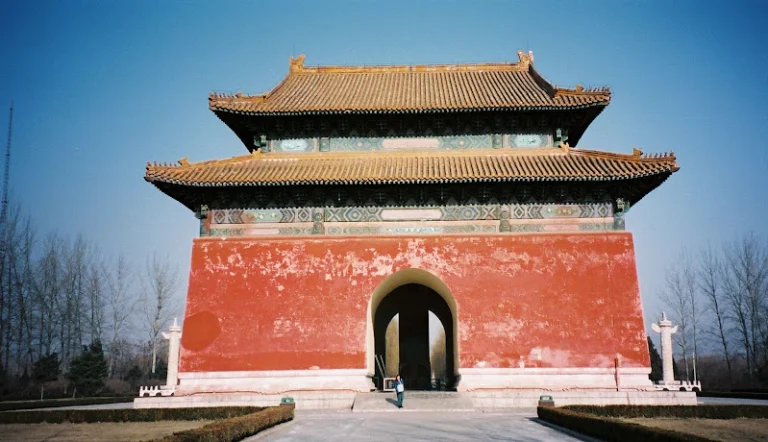
Ming Dynasty Tombs
Shisanlingzhen
Find Accommodations Nearby
Recommended Tours & Activities
Visitor Reviews
There are no reviews yet. Be the first one to write one.
Share Your Experience
Have you visited Divine Road, Maoling Tomb of the Ming Tombs? Help other travelers by leaving a review.